


 실제 크기로 보기
 보내기
보내기 공유하기
공유하기
 상세 보기
상세 보기 가이드 보기

 이미지 다운로드
 유사 작품 더 보기
 X-레이
X-레이 슬라이드 쇼 보기
 통계 정보
통계 정보not identified (18)


Henri Matisse’s ‘not identified (18)’ embodies the bold chromaticism of Fauvism, showcasing a woman adorned in purple against a tranquil yellow backdrop. Influenced by Impressionism and Expressionism, this painting exemplifies Matisse's masterful use of color and simplified forms. Explore its legacy and acquire a museum-quality digital print at TopImpressionists.com.
 상세 보기
상세 보기
마테리스 화가는 강렬한 색채와 자유로운 표현 기법으로 현대 미술에 혁명을 일으켰습니다. 대표작은 아름다운 정원과 인물들을 그린 그림들로 유명하며, 특히 후기 작품인 콜라주 기법은 그의 예술적 영감을 보여줍니다.
지클레 / 아트 프린트
빠른 제작과 다양한 마감 옵션을 선택할 수 있는 박물관 수준의 지클레이 및 캔버스 프린트. ( 수작업 채색 복제본 주문하기 디지털 이미지 판매 채널로 전환)




P118B ₩10

P118H ₩10

P118W ₩10

P438Z ₩10

P508JH ₩12

P508YH ₩12

P805H ₩10

P805Z ₩10

P919BZ ₩10

P919G ₩10

P919XJ ₩10

P959ZH ₩10

P968JZ ₩12

W106C ₩8

W218G ₩10

W218JH ₩8

W218Y ₩10

W307PJ ₩10

W316G ₩10

W316PJ ₩8

W316Y ₩10

W398PJ ₩8

W4111J ₩10

W500HY ₩15

W500JH ₩15

W692G ₩12

W849H ₩8

W940BG ₩15

W953PJ ₩8




표준 규격
맞춤 제작
CM
INCH
작품의 원본 비율을 그대로 유지하는 프리셋 사이즈 중에서 선택해 보세요.
Loading sizes...

가로 너비
높이
액자나 벽면 크기에 맞춰 필요한 가로와 세로 길이를 입력해 주세요. 프린트는 원본 이미지보다 크게 제작할 수 없으며 오직 자르는 것만 가능하므로, 비율이 다른 사이즈를 선택할 경우 이미지의 일부가 잘려 나갈 수 있습니다. 인쇄 작업에 들어가기 전, 최종 확인을 위해 디지털 목업을 보내드립니다. 이 페이지에 표시된 이미지는 실제 잘리는 영역을 나타내지 않으며, 오직 목업을 통해서만 정확한 확인이 가능합니다.


 유리 옵션은 110cm 미만 크기에서만 선택 가능합니다.

not identified (18)
지클레 / 아트 프린트
복제본 규격
-


총 결제 금액
₩ 93564
A Symphony of Color: The Soul of Matisse’s Vision
In the vibrant landscape of early twentieth-century modernism, few works capture the raw, emotive power of color quite like “Not Identified (18),” a masterpiece painted by Henri Matisse in 1913. This painting serves as a profound testament to the Fauvist movement, an era where artists sought to liberate color from its traditional role of mere description, instead using it as a direct language of the human spirit. As one gazes upon this canvas, they are immediately struck by a sense of rhythmic vitality, where the boundaries between subject and atmosphere begin to dissolve into a brilliant, luminous dance of pigment.
The composition centers on a woman, draped in a striking purple dress that commands the viewer's attention against a radiant, sun-drenched yellow backdrop. There is an intimate, quiet gravity to her presence; her downward gaze suggests a moment of deep introspection or perhaps a subtle, lingering melancholy. This emotional depth is beautifully balanced by the whimsical presence of a bird perched delicately upon her shoulder—a motif that Matisse frequently employed to symbolize the lightness of thought and the essence of freedom. The scene is further enriched by the unexpected inclusion of a clock in the upper right corner, a subtle memento mori that anchors the ephemeral beauty of the moment within the inevitable passage of time.
The Revolutionary Language of Fauvism
To understand the technical brilliance of this work, one must look toward the radical techniques Matisse pioneered. Moving away from the soft, blended transitions of Impressionism, Matisse embraced the Fauve—or "wild beast"—approach, applying pure, unmixed pigments directly to the canvas. This method creates bold, flat patches of color that vibrate against one another, generating a visual energy that feels almost tactile. The flattened perspective and simplified contours do not represent a lack of skill, but rather a deliberate attempt to distill the subject to its most potent essence.
This stylistic choice was deeply influenced by the geometric clarity of Cézanne and the striking, asymmetrical compositions found in Japanese woodblock prints. By stripping away unnecessary detail, Matisse allows the viewer to experience the emotional weight of the purple and yellow hues without the distraction of realistic shadows or complex depth. For the collector or interior designer, this makes the piece an extraordinary focal point; it possesses a graphic strength that can anchor a room, providing both a sophisticated historical connection and a modern, energetic aesthetic that complements contemporary decor.
An Enduring Legacy for the Modern Collector
Beyond its technical mastery, “Not Identified (18)” resonates because of its profound emotional accessibility. It is a painting that invites contemplation, offering a sanctuary of color in an often chaotic world. The interplay between the heavy, saturated tones of the dress and the ethereal brightness of the background creates a tension that is both soothing and stimulating. It is this very duality—the balance of weight and light, sadness and joy—that makes Matisse’s work eternally relevant.
For those seeking to bring a piece of art history into their personal spaces, a high-quality reproduction of this work offers more than just decoration; it offers an encounter with the revolutionary spirit of 1913. Whether placed in a sunlit gallery or a quiet study, the painting continues to perform its original function: to act as a window into a world where color is not just seen, but felt deeply within the soul.
질의응답
"not identified (18)"의 작가는 누구인가요?
"not identified (18)"의 작가는 앙리 마티스입니다.
앙리 마티스의 "not identified (18)"의 수작업 복제화를 어디에서 구매할 수 있나요?
"not identified (18)" 작품은 리넨 캔버스 위에 손으로 직접 그린 유화 복제화로 만나보실 수 있습니다. 주문은 수작업 유화 복제화 페이지에서 가능하며, 다양한 사이즈를 선택하실 수 있습니다.
앙리 마티스의 "not identified (18)"은(는) 어떤 공간에 추천하시나요?
앙리 마티스의 "not identified (18)"은(는) Living Room에 추천하는 작품입니다. 이 제안은 작품의 주제, 색상 및 분위기를 바탕으로 합니다.
작가 소개
색채의 거장, 앙리 마티스: 삶과 예술
앙리 에밀 베노와 마티스는 1869년 프랑스 북부 작은 마을 레 카토-캄브레시에서 태어났습니다. 법학을 공부하려던 그는 우연히 병으로 입원하며 그림에 눈뜨게 되었고, 어머니에게 받은 물감 세트가 그의 삶의 전환점이 되었습니다. 보앵-앙-베르망두아에서 성장하며 상인의 아들로 평범한 삶을 살았지만, 예술가의 길을 걷기로 결심한 순간부터 그는 색채와 형태로 표현되는 새로운 세계를 향해 나아갔습니다. 파리 학원과 에콜 데 보자르에서 전통적인 기법을 익혔지만, 그의 작품은 곧 자신만의 독특한 목소리를 찾아나갈 준비가 되어 있었습니다.야수파의 탄생과 대담한 실험
1896년 존 러셀과의 Belle Île 방문이 마티스의 예술 세계에 결정적인 영향을 미쳤습니다. 러셀을 통해 인상주의를 접하고, 더욱 중요한 것은 빈센트 반 고흐의 강렬한 색채와 감정을 담은 작품들을 보며 충격을 받았습니다. 이는 그의 팔레트를 변화시키고, 엄격한 재현 대신 감정과 어우러지는 색채를 탐구하도록 이끌었습니다. 이러한 탐색의 결과로 1905년 야수파가 등장했습니다. ‘야수’라는 이름은 비평가들이 그들의 강렬하고 비전통적인 작품에 붙인 조롱이었지만, 마티스와 앙드레 데랭, 모리스 드 블라멩크 등은 색채를 독립적인 표현 수단으로 활용하며 미술계에 새로운 바람을 일으켰습니다. 호박들(1905)과 같은 작품에서 볼 수 있듯이, 그는 전통적인 원근법을 무시하고 순수한 색면을 사용하여 강렬한 시각적 효과를 만들어냈습니다. 야수파는 짧은 기간 동안 존재했지만, 현대 미술의 흐름을 바꾸는 데 중요한 역할을 했습니다.장식과 조화: 예술의 진화
야수파 운동 이후 마티스는 더욱 세련된 스타일로 나아갔습니다. 색채에 대한 사랑을 포기하지 않으면서도, 그의 작품은 장식적인 아름다움을 강조하고 형태를 단순화하는 경향을 보였습니다. 프랑스 리비에라의 니스에서 정착하면서 지중해의 햇살과 여유로운 분위기가 그의 예술에 반영되었고, 평온함과 고전적인 균형미가 느껴지는 작품들을 탄생시켰습니다. 그는 회화뿐만 아니라 도자기, 직물 등 다양한 매체를 통해 자신의 예술적 비전을 확장했습니다. 단순한 장면 묘사를 넘어, 특정한 감정을 불러일으키는 환경을 구축하고자 했습니다.제한 속의 혁신: 종이 콜라주
건강 악화로 인해 전통적인 회화 기법을 사용하기 어려워지자, 마티스는 종이 콜라주라는 새로운 예술 영역을 개척했습니다. 1947년부터 시작된 이 작업은 필연에 의해 촉발되었지만, 곧 그의 예술적 탐구의 중요한 단계가 되었습니다. 그는 넓은 종이를 다채로운 색상으로 칠한 후, 가위로 잘라낸 형태들을 캔버스 위에 배열하여 역동적이면서도 간결한 작품을 창조했습니다. 이러한 콜라주들은 단순히 회화의 대체재가 아니라, 색과 형태에 대한 새로운 사고방식을 제시하며 그의 예술적 유산을 더욱 풍성하게 만들었습니다. 종이 콜라주는 그에게 순수한 형태와 색채를 얻는 데 유리했을 뿐만 아니라, 이전 작품들의 주제와 모티프를 새롭고 혁신적인 방식으로 재해석할 수 있는 기회를 제공했습니다.현대 미술에 미친 영향: 마티스의 유산
1954년 니스에서 세상을 떠난 앙리 마티스는 현대 미술사에 지대한 영향을 미쳤습니다. 그는 전통적인 표현 방식을 거부하고 색채의 힘을 옹호하며, 후대 예술가들에게 영감을 주었습니다. 파블로 피카소와 함께 20세기 미술을 정의한 주요 인물 중 한 명으로 평가받으며, 그의 작품은 전 세계 박물관과 개인 소장품에서 감상할 수 있습니다. 마티스는 단순한 그림쟁이가 아니라, 색채, 조화, 그리고 무한한 가능성으로 가득 찬 세상을 창조하고자 했던 예술가였습니다. 그는 우리가 세상을 보는 방식을 바꾸었고, 그의 유산은 오늘날까지도 현대 미술에 깊은 영향을 미치고 있습니다.
앙리 마티스
1869 - 1954 , 프랑스
작가 정보 요약
- 국적: 프랑스
- 대표 작품:
- 호박들
- 흰 터번을 쓴 로레트
- 사망일: 1954년 11월 3일
- 영향을 받은 예술가:
- 모던 미술
- 표현주의
- 영향을 준 예술가:
- 반 고흐
- 샤르댕
- 러스
- 예술 사조: 포비즘 (Fauvism)
- 전체 이름: 앙리 에밀 베노와 마티스
- 출생일: 1869년 12월 31일
- 출생지: 르 카토-캄브레시, 프랑스
관련 기사

앙리 마티스의 걸작 25선: 색채와 감각의 혁신을 만나다 | TopImpressionists
앙리 마티스의 시대를 초월하는 걸작 25선을 만나보세요. 색채주의, 야수파를 대표하는 그의 삶과 예술 세계를 탐험하고, TopImpressionists에서 명화 복제본으로 거실 인테리어에 감동을 더하세요. 지금 바로 컬렉션을 확인하세요!

Fauvism's Boldest Visions: 10 Masterpieces That Revolutionized Modern Art | TopImpressionists
Explore 10 Fauvist masterpieces by Matisse, Derain & Vlaminck that ignited Modern Art! Discover bold colors, expressionist landscapes & the history of this revolutionary movement. Find museum-quality prints at TopImpressionists.com.

Chromatic Masterpieces: 10 Artworks That Define Color & Inspire Your Home Decor
Explore 10 iconic artworks – from Monet to Matisse – that masterfully use color! Discover the stories behind these vibrant paintings, their techniques & emotional impact. Find museum-quality art reproductions and inspiring decor ideas on TopImpressionists.com.
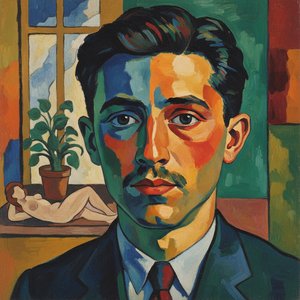
Henri Matisse: A Revolutionary Use of Color and Form in Modern Art
Explore the revolutionary art of Henri Matisse! Discover his bold use of color, Fauvist origins, and lasting impact on modern painting. A comprehensive guide for art enthusiasts.
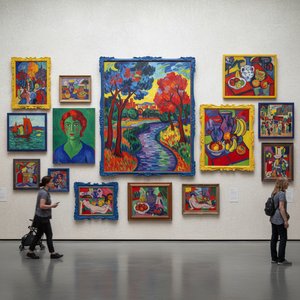
fauve 미술을 정의한 10대 걸작: 강렬한 색채와 혁신적인 표현의 세계
fauve 미술의 심장을 뛰게 하는 10대 걸작! 모리스 드니, 마티스 등 거장의 강렬한 색채와 혁신적인 표현을 만나보세요. 예술 작품 감상부터 인테리어 디자인 영감까지, TopImpressionists.com에서 명품 아트 프린트를 찾아보세요.
테마, 스타일, 특징별로 큐레이션된 작품들을 만나보세요.


