


 실제 크기로 보기
 보내기
보내기 공유하기
공유하기
 상세 보기
상세 보기 가이드 보기

 이미지 다운로드
 유사 작품 더 보기
 X-레이
X-레이 슬라이드 쇼 보기
 통계 정보
통계 정보Notre Dame


 상세 보기
상세 보기
핸드메이드 유화 복제화
작가가 직접 캔버스에 손으로 그린 유화 작품으로, 원하는 크기와 액자로 맞춤 제작해 드립니다. ( 프린트 판매로 전환 디지털 이미지 판매 채널로 전환)




P118B ₩10

P118H ₩10

P118W ₩10

P438Z ₩10

P508JH ₩12

P508YH ₩12

P805H ₩10

P805Z ₩10

P919BZ ₩10

P919G ₩10

P919XJ ₩10

P959ZH ₩10

P968JZ ₩12

W106C ₩8

W218G ₩10

W218JH ₩8

W218Y ₩10

W307PJ ₩10

W316G ₩10

W316PJ ₩8

W316Y ₩10

W398PJ ₩8

W4111J ₩10

W500HY ₩15

W500JH ₩15

W692G ₩12

W849H ₩8

W940BG ₩15

W953PJ ₩8




표준 규격
맞춤 제작
CM
INCH
작품의 원본 비율을 그대로 유지하는 프리셋 사이즈 중에서 선택해 보세요.
Loading sizes...

가로 너비
높이
액자나 벽면 크기에 맞춰 필요한 가로와 세로 길이를 입력해 주세요. 본 작품은 수작업으로 제작되므로, 요청하신 비율에 따라 작가가 그림의 가장자리를 조금 더 넓게 그리거나 일부를 조정하여 작업할 수 있습니다. 작업 시작 전, 최종 확인을 위해 디지털 목업 이미지를 보내드립니다. 이 페이지에 표시된 이미지는 실제 결과물과 다를 수 있으며, 오직 목업 이미지만이 정확한 결과물을 보여줍니다.
변경 가능한 예시: 얼굴을 고객님의 사진으로 교체, 반려동물 추가(예: 고양이를 강아지로 변경), 배경에 숨겨진 메시지 삽입, 배경 풍경 또는 요소 변경 등
주문 완료 후 TopImpressionists.com 팀에서 상세 안내를 위해 고객님께 이메일을 보내드리며, 미리보기 시안을 함께 제공해 드립니다.
주문 완료 후 TopImpressionists.com 팀에서 상세 안내를 위해 고객님께 이메일을 보내드리며, 미리보기 시안을 함께 제공해 드립니다.


 유리 옵션은 110cm 미만 크기에서만 선택 가능합니다.

Notre Dame
재현 매체
복제본 규격
-


총 결제 금액
₩ 364339
A Symphony of Color Against Parisian Stone
In the heart of Paris, where history meets the pulse of modern life, Henri Matisse’s 1914 masterpiece, Notre Dame, stands as a breathtaking testament to the power of expressive color. This work is far more than a mere architectural study; it is an embodiment of Fauvist fervor distilled onto paper. Through his masterful use of pastel, Matisse captures the iconic cathedral not through rigid, academic precision, but through a vibrant, rhythmic energy that mirrors the very soul of the city. The composition invites the viewer to step into a world where the boundaries between stone and spirit blur, offering a window into a Paris that feels both timeless and urgently alive.
The technique employed in this piece reveals Matisse’s profound command over his medium. Utilizing pastel crayons—a choice favored for their immediate luminosity and tactile richness—the artist achieved a remarkable textural depth. Rather than relying on traditional shading or the heavy shadows of classical realism, he utilized bold, sweeping strokes to create an impressionistic effect. This approach prioritizes feeling over precise observation, allowing the viewer to experience the atmosphere of the cityscape. The cathedral itself emerges from a sea of muted tones, its silhouette punctuated by the lively movement of the streets below, where pedestrians and vehicles drift through a landscape rendered with spontaneous, brilliant light.
The Spirit of Fauvism and Historical Resonance
To understand Notre Dame, one must look to the era of its creation. Painted on the precipice of World War I, the work reflects a period of intense intellectual and artistic upheaval. Matisse, alongside contemporaries like Picasso, was actively dismantling the constraints of Victorian sentimentality and academic naturalism. This piece belongs to his experimental period, where he embraced a radical simplification of form. The cathedral is not just a landmark; it is a symbol of resilience and faith, standing firm amidst a changing world. By eschewing realistic representation in favor of subjective experience, Matisse captures the tension and the beauty of an era on the brink of transformation.
The symbolism within the work is deeply tied to Matisse’s philosophical devotion to color. The strategic use of bold reds and yellows does more than decorate the canvas; these hues convey a sense of joy, vitality, and an unshakeable belief in art's ability to inspire contemplation. For the collector or interior designer, this painting offers a profound emotional resonance. It brings a sense of sophisticated energy to any space, acting as a focal point that celebrates both the grandeur of historical architecture and the liberating power of human emotion. Owning a reproduction of this work is an invitation to surround oneself with the enduring light of the Fauvist revolution.
질의응답
앙리 마티스의 "Notre Dame"의 방문객들은 어디에서 오나요?
"Notre Dame"에 대한 통계 페이지가 존재합니다. 이 페이지에는 해당 작품과 작가의 다른 작품들에 대한 월별 방문자 수가 국가 및 언어별로 상세히 표시됩니다.
"Notre Dame"의 작가인 앙리 마티스는 다른 이름으로도 알려져 있나요?
"Notre Dame"의 작가인 앙리 마티스의 다른 이름으로는 앙리 에밀 베노와 마티스 등이 있습니다.
앙리 마티스의 "Notre Dame"은(는) 어떤 감정을 전달하나요?
앙리 마티스의 "Notre Dame"에 기록된 정서적 톤은 Energetic입니다. 이는 작품이 표현하는 감정을 요약한 것입니다.


작가 소개
색채의 거장, 앙리 마티스: 삶과 예술
앙리 에밀 베노와 마티스는 1869년 프랑스 북부 작은 마을 레 카토-캄브레시에서 태어났습니다. 법학을 공부하려던 그는 우연히 병으로 입원하며 그림에 눈뜨게 되었고, 어머니에게 받은 물감 세트가 그의 삶의 전환점이 되었습니다. 보앵-앙-베르망두아에서 성장하며 상인의 아들로 평범한 삶을 살았지만, 예술가의 길을 걷기로 결심한 순간부터 그는 색채와 형태로 표현되는 새로운 세계를 향해 나아갔습니다. 파리 학원과 에콜 데 보자르에서 전통적인 기법을 익혔지만, 그의 작품은 곧 자신만의 독특한 목소리를 찾아나갈 준비가 되어 있었습니다.야수파의 탄생과 대담한 실험
1896년 존 러셀과의 Belle Île 방문이 마티스의 예술 세계에 결정적인 영향을 미쳤습니다. 러셀을 통해 인상주의를 접하고, 더욱 중요한 것은 빈센트 반 고흐의 강렬한 색채와 감정을 담은 작품들을 보며 충격을 받았습니다. 이는 그의 팔레트를 변화시키고, 엄격한 재현 대신 감정과 어우러지는 색채를 탐구하도록 이끌었습니다. 이러한 탐색의 결과로 1905년 야수파가 등장했습니다. ‘야수’라는 이름은 비평가들이 그들의 강렬하고 비전통적인 작품에 붙인 조롱이었지만, 마티스와 앙드레 데랭, 모리스 드 블라멩크 등은 색채를 독립적인 표현 수단으로 활용하며 미술계에 새로운 바람을 일으켰습니다. 호박들(1905)과 같은 작품에서 볼 수 있듯이, 그는 전통적인 원근법을 무시하고 순수한 색면을 사용하여 강렬한 시각적 효과를 만들어냈습니다. 야수파는 짧은 기간 동안 존재했지만, 현대 미술의 흐름을 바꾸는 데 중요한 역할을 했습니다.장식과 조화: 예술의 진화
야수파 운동 이후 마티스는 더욱 세련된 스타일로 나아갔습니다. 색채에 대한 사랑을 포기하지 않으면서도, 그의 작품은 장식적인 아름다움을 강조하고 형태를 단순화하는 경향을 보였습니다. 프랑스 리비에라의 니스에서 정착하면서 지중해의 햇살과 여유로운 분위기가 그의 예술에 반영되었고, 평온함과 고전적인 균형미가 느껴지는 작품들을 탄생시켰습니다. 그는 회화뿐만 아니라 도자기, 직물 등 다양한 매체를 통해 자신의 예술적 비전을 확장했습니다. 단순한 장면 묘사를 넘어, 특정한 감정을 불러일으키는 환경을 구축하고자 했습니다.제한 속의 혁신: 종이 콜라주
건강 악화로 인해 전통적인 회화 기법을 사용하기 어려워지자, 마티스는 종이 콜라주라는 새로운 예술 영역을 개척했습니다. 1947년부터 시작된 이 작업은 필연에 의해 촉발되었지만, 곧 그의 예술적 탐구의 중요한 단계가 되었습니다. 그는 넓은 종이를 다채로운 색상으로 칠한 후, 가위로 잘라낸 형태들을 캔버스 위에 배열하여 역동적이면서도 간결한 작품을 창조했습니다. 이러한 콜라주들은 단순히 회화의 대체재가 아니라, 색과 형태에 대한 새로운 사고방식을 제시하며 그의 예술적 유산을 더욱 풍성하게 만들었습니다. 종이 콜라주는 그에게 순수한 형태와 색채를 얻는 데 유리했을 뿐만 아니라, 이전 작품들의 주제와 모티프를 새롭고 혁신적인 방식으로 재해석할 수 있는 기회를 제공했습니다.현대 미술에 미친 영향: 마티스의 유산
1954년 니스에서 세상을 떠난 앙리 마티스는 현대 미술사에 지대한 영향을 미쳤습니다. 그는 전통적인 표현 방식을 거부하고 색채의 힘을 옹호하며, 후대 예술가들에게 영감을 주었습니다. 파블로 피카소와 함께 20세기 미술을 정의한 주요 인물 중 한 명으로 평가받으며, 그의 작품은 전 세계 박물관과 개인 소장품에서 감상할 수 있습니다. 마티스는 단순한 그림쟁이가 아니라, 색채, 조화, 그리고 무한한 가능성으로 가득 찬 세상을 창조하고자 했던 예술가였습니다. 그는 우리가 세상을 보는 방식을 바꾸었고, 그의 유산은 오늘날까지도 현대 미술에 깊은 영향을 미치고 있습니다.
앙리 마티스
1869 - 1954 , 프랑스
작가 정보 요약
- 국적: 프랑스
- 대표 작품:
- 호박들
- 흰 터번을 쓴 로레트
- 사망일: 1954년 11월 3일
- 영향을 받은 예술가:
- 모던 미술
- 표현주의
- 영향을 준 예술가:
- 반 고흐
- 샤르댕
- 러스
- 예술 사조: 포비즘 (Fauvism)
- 전체 이름: 앙리 에밀 베노와 마티스
- 출생일: 1869년 12월 31일
- 출생지: 르 카토-캄브레시, 프랑스
관련 기사

앙리 마티스의 걸작 25선: 색채와 감각의 혁신을 만나다 | TopImpressionists
앙리 마티스의 시대를 초월하는 걸작 25선을 만나보세요. 색채주의, 야수파를 대표하는 그의 삶과 예술 세계를 탐험하고, TopImpressionists에서 명화 복제본으로 거실 인테리어에 감동을 더하세요. 지금 바로 컬렉션을 확인하세요!
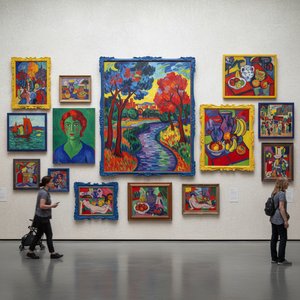
fauve 미술을 정의한 10대 걸작: 강렬한 색채와 혁신적인 표현의 세계
fauve 미술의 심장을 뛰게 하는 10대 걸작! 모리스 드니, 마티스 등 거장의 강렬한 색채와 혁신적인 표현을 만나보세요. 예술 작품 감상부터 인테리어 디자인 영감까지, TopImpressionists.com에서 명품 아트 프린트를 찾아보세요.

Fauvism's Boldest Visions: 10 Masterpieces That Revolutionized Modern Art | TopImpressionists
Explore 10 Fauvist masterpieces by Matisse, Derain & Vlaminck that ignited Modern Art! Discover bold colors, expressionist landscapes & the history of this revolutionary movement. Find museum-quality prints at TopImpressionists.com.

The Wild Beast Within: Exploring Fauvism's Revolutionary Use of Color and Form
Explore the revolutionary Fauvism movement & Henri Matisse's bold use of color! Discover key characteristics, iconic artworks, and its lasting impact on modern art history with TopImpressionists.
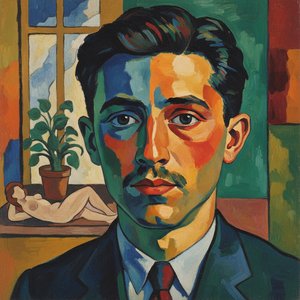
Henri Matisse: A Revolutionary Use of Color and Form in Modern Art
Explore the revolutionary art of Henri Matisse! Discover his bold use of color, Fauvist origins, and lasting impact on modern painting. A comprehensive guide for art enthusiasts.
테마, 스타일, 특징별로 큐레이션된 작품들을 만나보세요.


