
 Acrylic On CanvasWallArtFauvism
 1912Modern
 116.0 x 81.0 cm
빠른 제작과 다양한 마감 옵션을 제공하는 박물관 품질의 지클레이 또는 캔버스 프린트. ( 손으로 그린 그림 구매 이미지 구매)





























작품의 원본 비율을 유지하는 미리 설정된 크기 중에서 선택하세요.

특정 프레임이나 공간에 맞춰 직접 치수를 입력하실 수 있습니다. 선택하신 사이즈가 원본 이미지의 비율과 일치하지 않을 경우, 작품을 크롭(자르기)하거나 이미지를 대칭 또는 단색 채우기로 확장하여 제작합니다. 제작 시작 전, 최종 확인을 위해 디지털 목업이 전송됩니다.
화면상의 미리보기는 실제 크롭이나 확장 상태를 반영하지 않으므로, 최종 구도는 오직 목업을 통해서만 정확하게 확인하실 수 있습니다.
맞춤 사이즈 제작도 가능하지만, 원본 비율을 유지하기 위해서는 사전 정의된 목록에서 치수를 선택하시는 것을 권장합니다.

The Palm
복제본 크기
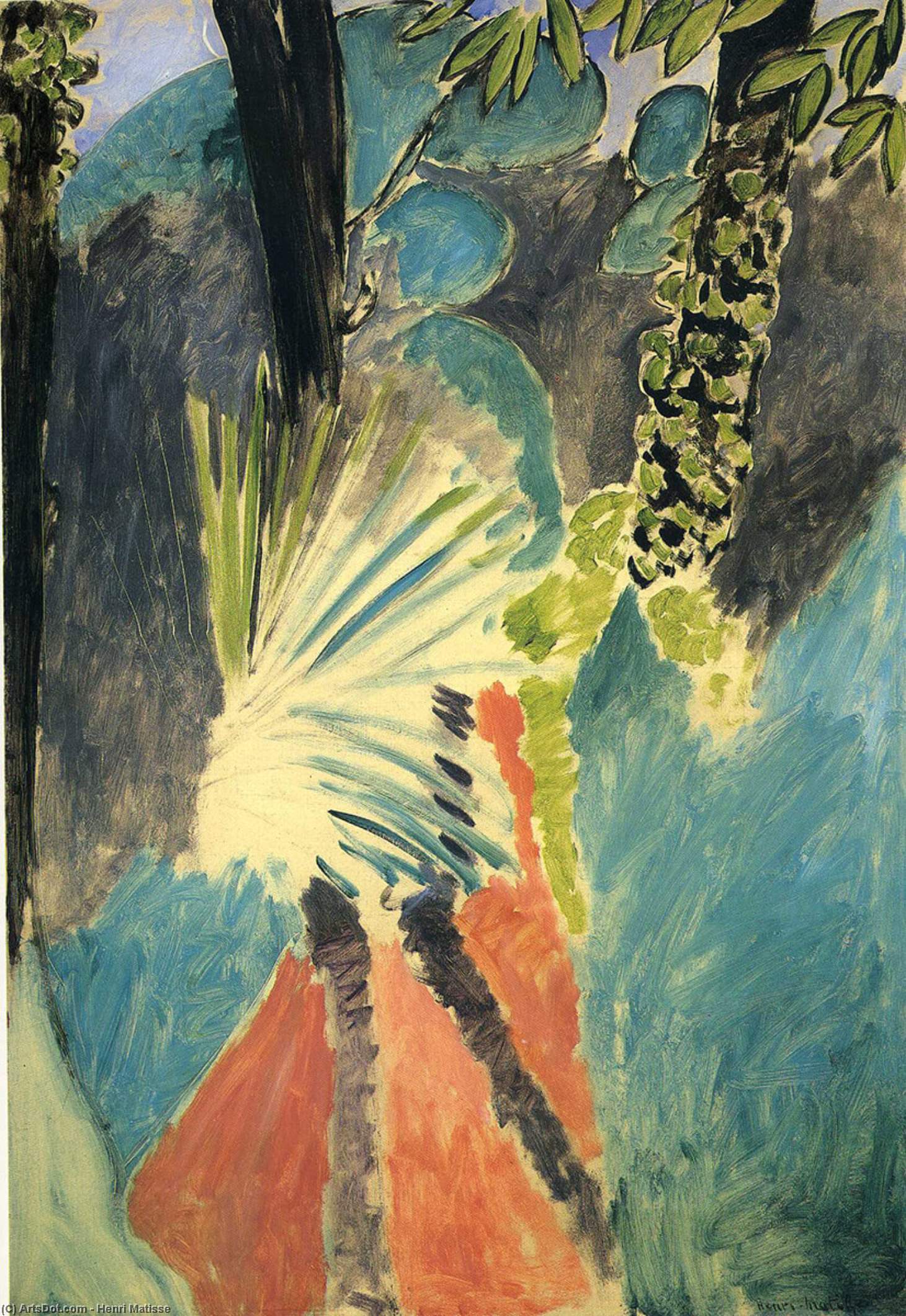
Henri Matisse's "The Palm," painted in 1912 during his pivotal exploration of Fauvism, isn’t merely a depiction of a sunny afternoon; it’s an explosion of color and emotion captured on canvas. This vibrant scene, housed within the walls of The Museum of the Annunciation in France, offers a glimpse into a transformative period in art history – a time when artists deliberately rejected academic realism in favor of subjective experience and the raw power of color. Measuring 116 x 81 cm, “The Palm” invites us to step into a world where nature’s beauty is amplified through Matisse's bold artistic vision.
At first glance, the painting presents two figures strolling beneath the shade of palm trees against a backdrop of lush greenery. However, this seemingly simple composition quickly reveals itself as a carefully orchestrated symphony of color and form. The palette is dominated by intense blues, yellows, and oranges – hues that Matisse himself famously described as “the true colors of things.” These aren’t muted or blended; they are applied with thick, deliberate brushstrokes, creating a sense of dynamism and immediacy. Two strategically placed umbrellas add an unexpected element of everyday life to the idyllic setting, hinting at human presence without disrupting the painting's overall mood of serene beauty.
“The Palm” is inextricably linked to the rise of Fauvism – a movement that Matisse spearheaded alongside André Derain. Fauves, meaning “wild beasts,” deliberately abandoned traditional color conventions, using vibrant, non-naturalistic hues to express their emotions and perceptions. This wasn’t about accurately representing reality; it was about conveying feeling through color itself. Influenced by the bold colors of African masks and textiles – a fascination Matisse cultivated during his travels – he sought to liberate color from its descriptive function, allowing it to stand on its own as a powerful artistic tool.
The simplification of forms within “The Palm” is another key characteristic of Fauvism. The figures are rendered with minimal detail, almost like stylized silhouettes, emphasizing their presence and movement rather than precise anatomical representation. This approach aligns perfectly with Matisse’s belief that the essence of a subject – its spirit or feeling – was more important than its literal form. The palm trees themselves, depicted with slender trunks and feathery leaves, provide a touch of naturalism while simultaneously contributing to the painting's overall sense of vibrancy.
“The Palm” represents an important transitional phase in Matisse’s artistic development – a period often referred to as Proto-Cubism. While not fully embracing the geometric fragmentation of Cubism, Matisse began experimenting with flattened perspectives and simplified shapes, laying the groundwork for this revolutionary movement. This shift reflects a broader trend within early 20th-century art, as artists increasingly questioned traditional notions of representation and explored new ways of perceiving and depicting the world.
Matisse’s exploration of color and form during this period was profoundly influential, paving the way for subsequent movements like Abstract Expressionism. His willingness to challenge established conventions and prioritize emotional expression helped to redefine the boundaries of modern art. “The Palm” stands as a testament to his innovative spirit and enduring legacy – a vibrant reminder that art can be both beautiful and deeply expressive.
“The Palm” continues to captivate audiences today with its joyous palette, dynamic composition, and evocative atmosphere. It’s more than just a pretty picture; it's a window into the mind of one of the 20th century’s most influential artists. As a pivotal work in the history of Fauvism and Proto-Cubism, “The Palm” represents a significant step towards abstraction and expressionism, demonstrating Matisse’s profound impact on the evolution of modern art. For those seeking to experience the brilliance of Matisse's vision, reproductions like those offered by TopImpressionists.com provide an accessible way to bring this extraordinary artwork into your home or studio.
For further exploration of Fauvism and Proto-Cubism, consider visiting these resources:
You might also enjoy exploring Matisse’s other masterpieces, such as “La Danse (first version)” and “Nature morte aux oranges,” available for reproduction on TopImpressionists.com.


1869 - 1954 , 프랑스

앙리 마티스의 시대를 초월하는 걸작 25선을 만나보세요. 색채주의, 야수파를 대표하는 그의 삶과 예술 세계를 탐험하고, TopImpressionists에서 명화 복제본으로 거실 인테리어에 감동을 더하세요. 지금 바로 컬렉션을 확인하세요!

Explore 10 Fauvist masterpieces by Matisse, Derain & Vlaminck that ignited Modern Art! Discover bold colors, expressionist landscapes & the history of this revolutionary movement. Find museum-quality prints at TopImpressionists.com.
fauve 미술의 심장을 뛰게 하는 10대 걸작! 모리스 드니, 마티스 등 거장의 강렬한 색채와 혁신적인 표현을 만나보세요. 예술 작품 감상부터 인테리어 디자인 영감까지, TopImpressionists.com에서 명품 아트 프린트를 찾아보세요.

Journey through 10 breathtaking landscape paintings by Monet, Van Gogh & more! Explore iconic artworks, artistic techniques & find inspiration for your home decor. Museum-quality reproductions at TopImpressionists.com. Discover all masterpieces on TopImpressionists.com

Explore the rich history of trees in painting! Discover symbolism, Romantic masterpieces by Caspar David Friedrich & beyond. A curated journey for art enthusiasts.


최신 미술 뉴스, 특별 혜택 및 인테리어 아이디어를 가장 먼저 만나보세요.
프로젝트에 대해 알려주시면 저희 미술 전문가들이 맞춤형 아트 제안 3가지를 전달해 드립니다.
당신만을 위한 맞춤형 옵션 3가지를 무료로 추천해 드립니다!

 미리보기
미리보기
 공유하기
공유하기 공유하기
공유하기
 상세 정보
상세 정보

 다운로드
다운로드
 유사 작품
유사 작품 X-레이
X-레이 슬라이드 쇼
 더 보기
더 보기









 유리 옵션은 110cm 미만 크기에서만 선택 가능합니다.


