
빠른 제작과 다양한 마감 옵션을 제공하는 박물관 품질의 지클레이 또는 캔버스 프린트. ( 손으로 그린 그림 구매 이미지 구매)





























작품의 원본 비율을 유지하는 미리 설정된 크기 중에서 선택하세요.

특정 프레임이나 공간에 맞춰 직접 치수를 입력하실 수 있습니다. 선택하신 사이즈가 원본 이미지의 비율과 일치하지 않을 경우, 작품을 크롭(자르기)하거나 이미지를 대칭 또는 단색 채우기로 확장하여 제작합니다. 제작 시작 전, 최종 확인을 위해 디지털 목업이 전송됩니다.
화면상의 미리보기는 실제 크롭이나 확장 상태를 반영하지 않으므로, 최종 구도는 오직 목업을 통해서만 정확하게 확인하실 수 있습니다.
맞춤 사이즈 제작도 가능하지만, 원본 비율을 유지하기 위해서는 사전 정의된 목록에서 치수를 선택하시는 것을 권장합니다.

untitled (2727)
복제본 크기
Henri Émile Benoît Matisse (1869-1954) stands as a monumental figure in the annals of modern art, an artist whose unwavering devotion to color—a bold departure from prevailing artistic conventions—forever altered the landscape of painting. Born in Le Cateau-Cambrésis, France, his early life was marked by legal aspirations and a brief illness that unexpectedly steered him toward a lifelong passion for visual expression.
Matisse’s artistic journey began serendipitously following an appendicitis attack in 1889. Convalescence provided the catalyst for discovering painting with encouragement from his mother, igniting within him a creative fervor he would never relinquish. Unlike many of his peers pursuing traditional paths, Matisse embraced the bohemian spirit, enrolling at the Académie Julian and later honing his skills at the École Nationale des Beaux-Arts under Gustave Moreau—institutions that fostered an appreciation for both classical influences and burgeoning modernist ideas.
His mastery of color wasn’t merely decorative; it served as a conduit for conveying emotion and capturing the essence of his subjects. Matisse's canvases pulsate with energy, imbued with hues that defy conventional representation—a deliberate strategy designed to bypass rational perception and tap into primal feelings.
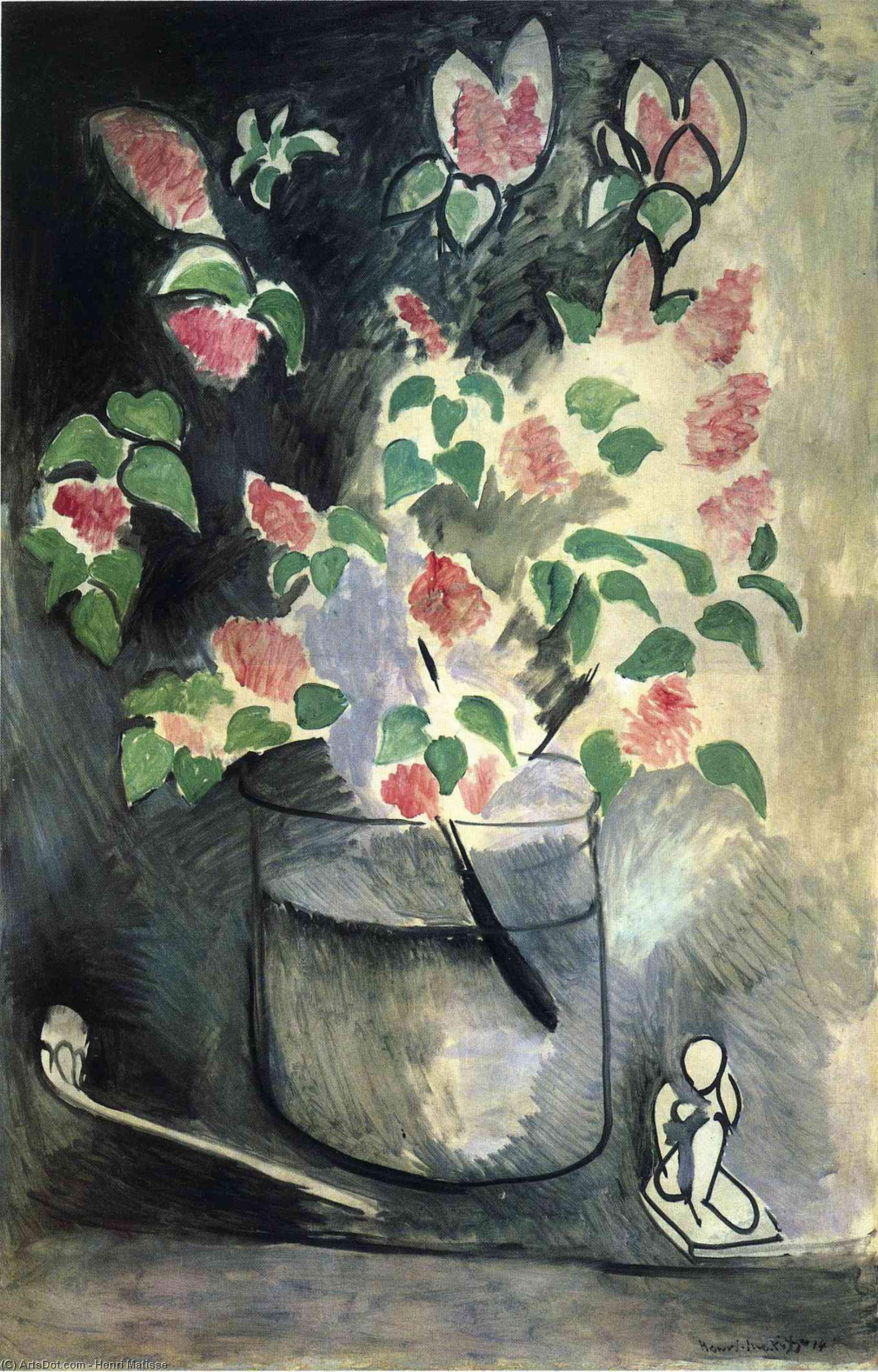
“untitled (2727)” exemplifies this revolutionary aesthetic. The painting’s composition centers around a vase brimming with pink and red flowers, meticulously arranged on a tabletop alongside a diminutive sculpture. Matisse's technique – characterized by loose brushstrokes and flattened forms – prioritizes expressive color over realistic depiction. This stylistic choice aligns perfectly with the Fauvist movement’s rejection of illusionism and its embrace of pure pigment as a primary artistic tool.
The artwork’s historical context is crucial to understanding Matisse's significance. Emerging in the early 20th century, Fauvism challenged the established order of Parisian art academies, asserting that color could communicate emotion more effectively than form alone. Matisse’s unwavering commitment to this principle solidified his position as a champion of artistic innovation and profoundly influenced subsequent generations of artists.

1869 - 1954 , 프랑스

Explore the vibrant world of Fauvism. Discover how masters like Matisse and Derain revolutionized art through bold colors and raw emotion in this expert guide to the 'Wild Beasts' movement.


최신 미술 뉴스, 특별 혜택 및 인테리어 아이디어를 가장 먼저 만나보세요.
프로젝트에 대해 알려주시면 저희 미술 전문가들이 맞춤형 아트 제안 3가지를 전달해 드립니다.
당신만을 위한 맞춤형 옵션 3가지를 무료로 추천해 드립니다!

 미리보기
미리보기
 공유하기
공유하기 공유하기
공유하기
 상세 정보
상세 정보

 다운로드
다운로드
 유사 작품
유사 작품 X-레이
X-레이 슬라이드 쇼
 더 보기
더 보기









 유리 옵션은 110cm 미만 크기에서만 선택 가능합니다.


