





























작품의 원본 비율을 유지하는 미리 설정된 크기 중에서 선택하세요.

특정 프레임이나 공간에 맞도록 직접 크기를 입력할 수 있습니다. 선택하신 크기가 원본 이미지의 비율과 일치하지 않는 경우, 작품을 자르거나 추가적인 손으로 그린 요소를 사용하여 그림을 확장합니다. 제작 시작 전 승인을 위해 디지털 목업을 보내드립니다.
화면 미리 보기는 실제 자르기 또는 확장을 반영하지 않습니다. 최종 구성은 목업을 통해서만 정확하게 확인하실 수 있습니다.
맞춤 크기 제작도 가능하지만, 원본 비율을 유지하기 위해 사전 정의된 목록에서 크기를 선택하시는 것을 권장합니다.

untitled (8053)
복제본 크기
Henri Matisse (1869-1954) stands as one of the most influential figures in 20th-century art, a painter whose unwavering devotion to color revolutionized artistic expression. Born in Le Cateau-Cambrésis, France, his early life was marked by legal aspirations – a path swiftly abandoned after an appendicitis attack ignited within him a passion for painting that would define his entire career.
Initially hesitant about embracing the bohemian lifestyle favored by artists of his time, Matisse’s artistic journey began humbly with a gift from his mother: a set of art supplies. This serendipitous encounter proved transformative, propelling him away from legal documents and toward a realm where pigment reigned supreme. His formal training at the Académie Julian and École Nationale des Beaux-Arts solidified his foundational skills but it was his instinctive understanding of color—a principle he termed “liberation”—that truly distinguished him.
Matisse spearheaded the Fauvist movement (French for "wild beast"), a radical reaction against Impressionism’s pursuit of optical realism. Rejecting diluted hues, Fauvists championed intense, arbitrary colors—often jarringly juxtaposed—to convey emotion directly onto the canvas. This stylistic choice wasn't merely aesthetic; it represented a profound philosophical shift toward prioritizing feeling over observation.
"Untitled (8053)," exemplifies this ethos perfectly. The painting depicts a woman seated in repose, her legs spread wide apart, radiating calm and confidence. Her shaved head symbolizes purity and vulnerability, while the necklace serves as a subtle emblem of adornment and femininity. The artist’s masterful use of color—primarily reds, yellows, and blues—creates an atmosphere of warmth and vibrancy, capturing not just visual appearance but also psychological state.
Matisse's technique was characterized by simplification – reducing forms to their essential outlines while maintaining expressive color. He employed a loose brushstroke style that prioritized texture and spontaneity over meticulous detail, allowing the colors themselves to dominate the visual experience. The background features two couches and a vase strategically positioned to enhance the composition’s dynamism and guide the viewer's gaze.
“Untitled (8053)” demonstrates this approach brilliantly. Matisse skillfully employs geometric shapes—the chairs and couches—to create a stable framework against which the vibrant hues of the woman and her surroundings pulsate. This deliberate simplification underscores the painting’s core message: to distill beauty into its purest form, prioritizing emotional resonance above all else.
Beyond its formal qualities, “Untitled (8053)” speaks volumes about Matisse's artistic vision. The woman herself embodies serenity and grace—a deliberate counterpoint to the anxieties of the era. Color choices aren’t merely decorative; they convey feelings of joy and tranquility. Like many of Matisse’s works, it invites contemplation on themes of femininity, stillness, and the transformative power of art.
Reproductions of “Untitled (8053)” offer a remarkable opportunity to experience Matisse's groundbreaking aesthetic firsthand. Bringing this iconic piece into your home or workspace elevates décor with its bold palette and captivating composition—a testament to the enduring legacy of a true artistic innovator.

1869 - 1954 , 프랑스

앙리 마티스의 시대를 초월하는 걸작 25선을 만나보세요. 색채주의, 야수파를 대표하는 그의 삶과 예술 세계를 탐험하고, TopImpressionists에서 명화 복제본으로 거실 인테리어에 감동을 더하세요. 지금 바로 컬렉션을 확인하세요!

Explore 10 Fauvist masterpieces by Matisse, Derain & Vlaminck that ignited Modern Art! Discover bold colors, expressionist landscapes & the history of this revolutionary movement. Find museum-quality prints at TopImpressionists.com.
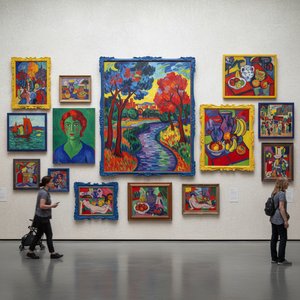
fauve 미술의 심장을 뛰게 하는 10대 걸작! 모리스 드니, 마티스 등 거장의 강렬한 색채와 혁신적인 표현을 만나보세요. 예술 작품 감상부터 인테리어 디자인 영감까지, TopImpressionists.com에서 명품 아트 프린트를 찾아보세요.

구스타프 클림트의 황홀한 명작 25선을 만나보세요. '키스'부터 '주디트'까지, 빈 분리주의를 대표하는 예술가의 삶과 작품 세계를 탐험합니다. 오스트리아 화가 클림트의 걸작으로 공간에 특별한 감성을 더하세요. TopImpressionists.com에서 고품질 유화 복제를 만나보세요.
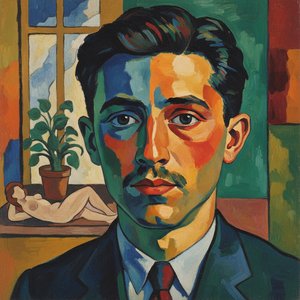
Explore the revolutionary art of Henri Matisse! Discover his bold use of color, Fauvist origins, and lasting impact on modern painting. A comprehensive guide for art enthusiasts.


최신 미술 뉴스, 특별 혜택 및 인테리어 아이디어를 가장 먼저 만나보세요.
프로젝트에 대해 알려주시면 저희 미술 전문가들이 맞춤형 아트 제안 3가지를 전달해 드립니다.
당신만을 위한 맞춤형 옵션 3가지를 무료로 추천해 드립니다!


 미리보기
미리보기
 프린트 구매
 공유하기
공유하기 공유하기
공유하기
 상세 정보
상세 정보

 다운로드
다운로드
 유사 작품
유사 작품 X-레이
X-레이 슬라이드 쇼

 더 보기
더 보기









 유리 옵션은 110cm 미만 크기에서만 선택 가능합니다.


