


 실제 크기로 보기
 보내기
보내기 공유하기
공유하기
 상세 보기
상세 보기 가이드 보기

 이미지 다운로드
 유사 작품 더 보기
 X-레이
X-레이 슬라이드 쇼 보기
 통계 정보
통계 정보Seascape with Cliffs
 Impressionism
 20.0 x 28.0 cm
Discover 'Seascape with Cliffs' by Henry Young Alison – an evocative impressionist oil painting of a rugged coastline. Explore its textured impasto & dramatic composition.
Explore the evocative landscapes & portraits of Henry Young Alison (1889-1972), a Scottish painter known for his Highland scenes, family portraits & masterful use of light.
 상세 보기
상세 보기
이 페이지에 표시된 작품은 저작권법의 보호를 받으며, 이에 따라 동일한 복제품을 제작하거나 판매하는 것은 법으로 금지되어 있습니다. 이러한 권리 보호는 다음과 같은 국제 협약에 따라 시행됩니다. 베른 협약 또한 다음에서 명시하는 법률을 포함한 국내법에 의해 보호됩니다. 미국 저작권법 제17조.
저희는 존중을 담은 합법적인 대안으로서, 원작에서 영감을 받은 맞춤형 수제 유화 작품을 제공합니다. 저희의 숙련된 전문 화가들은 원작의 스타일, 분위기, 예술적 정수를 면밀히 연구하여, 그 자체로 독창적인 창작물이면서도 원작과 동일한 감동을 불러일으키는 새로운 작품을 만들어냅니다.
이 방식은 저작권 보호를 받는 예술 작품을 복제하거나 그대로 재현하는 것이 아니기에 저작권 규정을 완벽히 준수합니다. 대신, 이는 창의적인 재해석의 과정을 거칩니다. 즉, 원작에서 영감을 받되 원작과 동일하지 않은 새로운 회화 작품을 의미합니다.
핸드메이드 유화 복제화
작가가 직접 캔버스에 손으로 그린 유화 작품으로, 원하는 크기와 액자로 맞춤 제작해 드립니다. ( 프린트 판매로 전환 디지털 이미지 판매 채널로 전환)




































표준 규격
맞춤 제작
CM
INCH
작품의 원본 비율을 그대로 유지하는 프리셋 사이즈 중에서 선택해 보세요.
Loading sizes...

가로 너비
높이
액자나 벽면 크기에 맞춰 필요한 가로와 세로 길이를 입력해 주세요. 본 작품은 수작업으로 제작되므로, 요청하신 비율에 따라 작가가 그림의 가장자리를 조금 더 넓게 그리거나 일부를 조정하여 작업할 수 있습니다. 작업 시작 전, 최종 확인을 위해 디지털 목업 이미지를 보내드립니다. 이 페이지에 표시된 이미지는 실제 결과물과 다를 수 있으며, 오직 목업 이미지만이 정확한 결과물을 보여줍니다.
변경 가능한 예시: 얼굴을 고객님의 사진으로 교체, 반려동물 추가(예: 고양이를 강아지로 변경), 배경에 숨겨진 메시지 삽입, 배경 풍경 또는 요소 변경 등
주문 완료 후 TopImpressionists.com 팀에서 상세 안내를 위해 고객님께 이메일을 보내드리며, 미리보기 시안을 함께 제공해 드립니다.
주문 완료 후 TopImpressionists.com 팀에서 상세 안내를 위해 고객님께 이메일을 보내드리며, 미리보기 시안을 함께 제공해 드립니다.


 유리 옵션은 110cm 미만 크기에서만 선택 가능합니다.

Seascape with Cliffs
재현 매체
복제본 규격
-


총 결제 금액
₩ 365166
관련 작품들


작가 소개
A Highland Visionary: The Life and Legacy of Henry Young Alison
The story of Henry Young Alison is one of profound connection, where the rhythmic precision of music met the rugged, untamed spirit of the Scottish landscape. Born on September 21, 1889, in Dysart, Fife, Alison’s early years were shaped by a lineage of craftsmanship and artistry. While some accounts suggest a childhood steeped in musical tradition—reflecting his family's deep ties to instrumental performance—it was through the brush and palette that he truly found his voice. His journey from the coastal reaches of Fife to the prestigious halls of London’s art institutions would eventually lead him to become a pivotal figure in the Scottish art scene, serving as a director at the Glasgow School of Art and leaving an indelible mark on the way the Highlands were perceived by the world.
Alison’s formal education provided the technical foundation upon which his emotive style was built. Between 1908 and 1912, he immersed himself in the Slade School of Fine Art in London, a period that proved transformative. Here, he breathed in the atmosphere of Impressionism, drawing inspiration from the light-drenched techniques of masters like Claude Monet and Pierre Renoir. This fascination with the ephemeral nature of light was further refined during his time at the Royal College of Art from 1912 to 1914. Through rigorous study of draughtsmanship and tonal variation, Alison developed a method of layering thin glazes of oil paint onto toned canvases. This meticulous process allowed him to create luminous, shimmering surfaces that could capture the precise moment a sunbeam pierces through a heavy mist or the way shadows deepen in a mountain glen.
The Soul of the Highlands and the Mastery of Light
The true heart of Alison’s oeuvre lies in his devotion to the Scottish landscape. He possessed an uncanny, almost spiritual ability to translate the raw power of the Highlands onto canvas. His works are not merely topographical records but emotional landscapes; they pulse with a vibrant palette of deep greens, moody blues, and earthy browns that mirror the dramatic interplay of weather and terrain. Whether depicting the crashing energy of a Seascape with Breaking Waves or the quiet, frozen stillness of Winter at Muckbrig, his paintings evoke the very atmosphere of the land. He sought to capture not just the visual reality of Scotland, but its visceral feeling—the dampness of the air, the scent of peat, and the overwhelming scale of the mountains.
Beyond the vast landscapes, Alison’s artistry extended into the intimate realm of portraiture. His ability to convey the warmth of familial bonds and the dignity of his subjects provided a human counterpoint to his sweeping vistas. This duality—the ability to master both the monumental and the minute—is what defines his greatness. His technique allowed him to imbue skin tones with warmth and eyes with a reflective depth, much like the light he so carefully studied in nature. In his portraits, one finds the same sensitivity to texture and atmosphere that characterizes his landscapes, creating a cohesive artistic language that celebrates the beauty of both the natural world and the human spirit.
A Complex Legacy at the Glasgow School of Art
The later years of Alison’s life were marked by significant professional responsibility and a complex reputation within the academic art community. His tenure at the Glasgow School of Art was characterized by a formidable, often polarizing presence. Having joined the staff in 1928, he eventually stepped into the role of interim Director in 1945. While his leadership was marked by an uncompromising dedication to artistic standards, historical accounts suggest a man of intense and sometimes abrasive temperament. He was known for a brusque, exacting style that could be intimidating to students, yet there was no denying his profound commitment to the institution's excellence.
Despite the complexities of his personality, Alison’s contribution to the history of Scottish art remains undisputed. His life’s work stands as a bridge between the classical traditions of draughtsmanship and the emotive freedom of Impressionism. He leaves behind a legacy of paintings that serve as windows into a vanished era of the Highlands—a period of rugged beauty and quiet strength. Through his mastery of light, color, and texture, Henry Young Alison ensured that the fleeting moments of the Scottish landscape would be preserved in a state of eternal, luminous grace.

Henry Young Alison
1889 - 1972
작가 정보 요약
- Artistic Movement Or Style: Impressionism
- Artists Or Movements Influenced By This Artist: ['British Impressionism']
- Artists Who Influenced This Artist: ['Claude Monet']
- Date Of Birth: 1889
- Date Of Death: 1972
- Full Name: Henry Young Alison
- Nationality: British
- Notable Artworks: ['Seascape with Breaking Waves']
- Place Of Birth: Scottish Highlands
관련 기사

Beyond the Light: Capturing Raw Emotion and Subjective Vision in Post-Impressionist Landscapes
Explore the profound emotional depth of Post-Impressionist landscapes. Discover how masters like Van Gogh moved beyond light to capture raw human feeling through vibrant color and expressive texture in this expert art history retrospective.
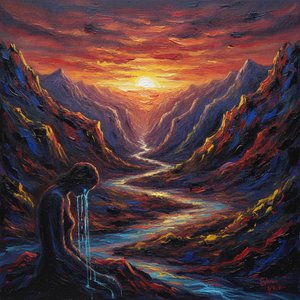
Capturing Emotion: A Journey Through the Soul of Expressionist Landscapes
Explore the profound emotional depth of Expressionist landscapes. Discover how Post-Impressionist masters moved beyond light to capture the soul through vibrant color and form. A curated journey for true art lovers seeking the beauty of expressive mastery.

Capturing the Soul: The Most Emotionally Moving Impressionist and Post-Impressionist Masterpieces
Discover the profound emotional depth of Impressionist and Post-Impressionist masterpieces. Explore how legends like Monet, Van Gogh, and Gauguin captured light and soul through evocative landscapes and vibrant brushwork for a timeless connection to art history.
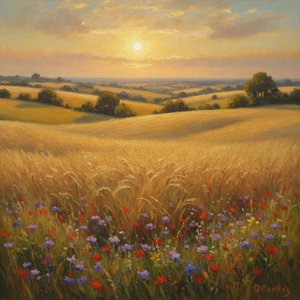
Golden Fields & Sun-Drenched Meadows: Capturing the Soul of Impressionist Landscapes
Immerse yourself in the luminous world of Impressionist landscapes. Discover how masters like Monet and Gauguin captured ephemeral light through plein air painting, and learn to bring the soul of sun-drenched meadows into your home with exquisite, hand-painted oil reproductions.

The Beauty of Impermanence: Capturing Decay through Impressionist Eyes
Explore the profound beauty of impermanence through Impressionist and Post-Impressionist eyes. Discover how masters like Monet and Van Gogh captured fleeting light and the poetic essence of nature's transitions in our deep dive into art history and emotional landscapes.