


 실제 크기로 보기
 보내기
보내기 공유하기
공유하기
 상세 보기
상세 보기 가이드 보기

 이미지 다운로드
 유사 작품 더 보기
 X-레이
X-레이 슬라이드 쇼 보기
 통계 정보
통계 정보Landscape with Sheep
 Post-Impressionism
 52.0 x 62.0 cm
Explore 'Landscape with Sheep' by Herbert F. Royle – a captivating post-Impressionist oil painting of rural England. Atmospheric & textured, this piece evokes vastness & beauty.
Explore Herbert F. Royle’s evocative landscapes of England & Canada! Post-Impressionist paintings capture rural life, iconic works like ‘Spring Morning,’ and a rich artistic legacy.
 상세 보기
상세 보기
이 페이지에 표시된 작품은 저작권법의 보호를 받으며, 이에 따라 동일한 복제품을 제작하거나 판매하는 것은 법으로 금지되어 있습니다. 이러한 권리 보호는 다음과 같은 국제 협약에 따라 시행됩니다. 베른 협약 또한 다음에서 명시하는 법률을 포함한 국내법에 의해 보호됩니다. 미국 저작권법 제17조.
저희는 존중을 담은 합법적인 대안으로서, 원작에서 영감을 받은 맞춤형 수제 유화 작품을 제공합니다. 저희의 숙련된 전문 화가들은 원작의 스타일, 분위기, 예술적 정수를 면밀히 연구하여, 그 자체로 독창적인 창작물이면서도 원작과 동일한 감동을 불러일으키는 새로운 작품을 만들어냅니다.
이 방식은 저작권 보호를 받는 예술 작품을 복제하거나 그대로 재현하는 것이 아니기에 저작권 규정을 완벽히 준수합니다. 대신, 이는 창의적인 재해석의 과정을 거칩니다. 즉, 원작에서 영감을 받되 원작과 동일하지 않은 새로운 회화 작품을 의미합니다.
핸드메이드 유화 복제화
작가가 직접 캔버스에 손으로 그린 유화 작품으로, 원하는 크기와 액자로 맞춤 제작해 드립니다. ( 프린트 판매로 전환 디지털 이미지 판매 채널로 전환)




































표준 규격
맞춤 제작
CM
INCH
작품의 원본 비율을 그대로 유지하는 프리셋 사이즈 중에서 선택해 보세요.
Loading sizes...

가로 너비
높이
액자나 벽면 크기에 맞춰 필요한 가로와 세로 길이를 입력해 주세요. 본 작품은 수작업으로 제작되므로, 요청하신 비율에 따라 작가가 그림의 가장자리를 조금 더 넓게 그리거나 일부를 조정하여 작업할 수 있습니다. 작업 시작 전, 최종 확인을 위해 디지털 목업 이미지를 보내드립니다. 이 페이지에 표시된 이미지는 실제 결과물과 다를 수 있으며, 오직 목업 이미지만이 정확한 결과물을 보여줍니다.
변경 가능한 예시: 얼굴을 고객님의 사진으로 교체, 반려동물 추가(예: 고양이를 강아지로 변경), 배경에 숨겨진 메시지 삽입, 배경 풍경 또는 요소 변경 등
주문 완료 후 TopImpressionists.com 팀에서 상세 안내를 위해 고객님께 이메일을 보내드리며, 미리보기 시안을 함께 제공해 드립니다.
주문 완료 후 TopImpressionists.com 팀에서 상세 안내를 위해 고객님께 이메일을 보내드리며, 미리보기 시안을 함께 제공해 드립니다.


 유리 옵션은 110cm 미만 크기에서만 선택 가능합니다.

Landscape with Sheep
재현 매체
복제본 규격
-


총 결제 금액
₩ 367123
관련 작품들


작가 소개
The Soul of the Yorkshire Dales: The Life and Art of Herbert F. Royle
To wander through the canvases of Herbert F. Royle is to embark on a nostalgic journey through a vanished England, a world where the rhythm of life was dictated by the seasons and the sun. Born in 1870 near Manchester, Royle’s artistic spirit was deeply rooted in the rugged beauty of the North. While his early years were spent in the industrial proximity of Lancashire, his heart belonged to the rolling hills and verdant valleys of Yorkshire. This profound connection to the landscape would become the cornerstone of a prolific career that spanned over half a century, leaving behind a legacy of luminous, atmospheric works that capture the very essence of the British countryside.
Royle’s artistic journey was shaped by rigorous formal training and the mentorship of masters. He honed his technical prowess at the Harris Institute in Preston and later at the Southport School of Art, but it was his time studying under the esteemed John Buxton Knight that truly defined his aesthetic direction. From Knight, Royle inherited a fascination with light and a command over texture, elements that would later allow him to transcend mere representation. His development was not merely about mastering the brush, but about learning to translate the ephemeral—the way morning mist clings to a riverbank or how the golden hour transforms a hayfield into a sea of amber.
A Master of Light and Impressionistic Texture
The technique of Herbert F. Royle is a captivating marriage of Impressionist spontaneity and a structured, almost tactile approach to paint. He was far from a painter of photographic precision; instead, he sought the emotional truth of a scene through heavy impasto and bold, vibrant colors. His brushstrokes were brave and decisive, often applied with such thickness that the paintings themselves possess a sculptural quality. This use of texture allowed him to recreate the physical sensation of the landscape—the roughness of bark, the weight of a summer cloud, or the shimmering surface of the River Wharfe.
Royle’s work is characterized by an extraordinary sensitivity to atmospheric conditions. He was a true plein air painter, famously known to cycle through the Yorkshire Dales with his easel strapped to his bicycle, sometimes even carrying a hot potato in his pocket during the biting winter months to keep his hands warm enough to work. This dedication to painting directly from nature allowed him to capture the fleeting nuances of light and shadow. Whether depicting the sun-drenched scenes of haymaking or the somber, muted tones of an autumn twilight, his palette remained deeply connected to the natural world, utilizing rich ochres, deep greens, and brilliant cerulean blues to evoke a sense of profound tranquility.
Legacy and the Wharfedale Spirit
As a prominent member of the Wharfedale Group of Artists, Royle played a significant role in documenting the pastoral splendor of his beloved region. His influence extended far beyond the local valleys; he was a regular exhibitor at prestigious institutions such as the Manchester Academy of Fine Arts, the Royal Scottish Academy, and the Glasgow Institute. His ability to find beauty in the mundane—a simple farmstead, a working horse, or a quiet wharf near Bolton Abbey—endeared him to collectors and critics alike, securing his place in the annals of 20th-century British landscape painting.
The historical significance of Royle’s work lies in its role as a visual archive of a pastoral era. In an age of rapid industrialization and changing social structures, his paintings serve as a romanticized yet deeply felt tribute to the traditional English way of life. His depictions of agricultural labor and the quiet dignity of rural landscapes resonate with a timeless nostalgia, making his work not just a study of light and color, but a soulful meditation on the enduring bond between humanity and the earth. Today, his canvases continue to inspire, offering a window into a serene and sunlit past that remains etched in the collective memory of the British landscape.

Herbert F Royle
1870 - 1958
작가 정보 요약
- Artistic Movement Or Style: Post Impressionism
- Artists Or Movements Influenced By This Artist: ['Romanticism']
- Artists Who Influenced This Artist: ['Impressionists']
- Date Of Birth: 1870
- Date Of Death: 1958
- Full Name: Herbert F. Royle
- Nationality: British
- Notable Artworks:
- Hall Farm
- Haymakers
- On the Wharf near Bolton Abbey, Yorkshire
- Place Of Birth: England
관련 기사

Capturing the Soul: The Most Emotionally Moving Impressionist and Post-Impressionist Masterpieces
Discover the profound emotional depth of Impressionist and Post-Impressionist masterpieces. Explore how legends like Monet, Van Gogh, and Gauguin captured light and soul through evocative landscapes and vibrant brushwork for a timeless connection to art history.

Enchanting Strokes: Unveiling the Luminous Magic and Timeless Soul of Impressionist Masterpieces
Immerse yourself in the luminous beauty of Impressionism. TopImpressionists.com offers exquisite, hand-painted oil reproductions of masters like Monet and Van Gogh. From museum-quality landscapes to bespoke portraits from photos, we bring timeless artistry and soul to your collection.
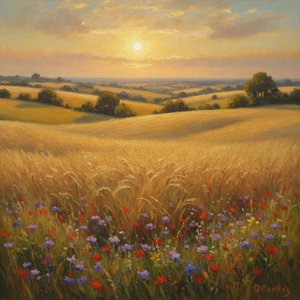
Golden Fields & Sun-Drenched Meadows: Capturing the Soul of Impressionist Landscapes
Immerse yourself in the luminous world of Impressionist landscapes. Discover how masters like Monet and Gauguin captured ephemeral light through plein air painting, and learn to bring the soul of sun-drenched meadows into your home with exquisite, hand-painted oil reproductions.

Beyond the Light: Capturing Raw Emotion and Subjective Vision in Post-Impressionist Landscapes
Explore the profound emotional depth of Post-Impressionist landscapes. Discover how masters like Van Gogh moved beyond light to capture raw human feeling through vibrant color and expressive texture in this expert art history retrospective.

Whispers of Rural Serenity: A Journey Through the Enchanting Village Landscapes of Impressionism
Immerse yourself in the tranquil beauty of Impressionist village landscapes. Explore our exquisite collection of hand-painted oil reproductions, capturing the light and soul of masters like Monet and Pissarro. Bring a piece of art history into your home with TopImpressionists.com.