실제 크기로 보기
 보내기
보내기 공유하기
공유하기
 상세 보기
상세 보기 가이드 보기

 이미지 다운로드
 유사 작품 더 보기
 X-레이
X-레이 슬라이드 쇼 보기
 통계 정보
통계 정보Hermit Saints Triptych (left panel)
 Oil On Panel
- WallArt
- Surrealist Movement
 1505
1505- Renaissance
 86.0 x 29.0 cm
 팔라초 두칼레
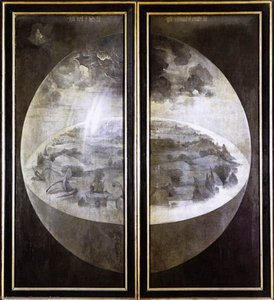
A surreal landscape of grotesque creatures and unsettling shadows defines this Northern Renaissance masterpiece by Hieronymus Bosch, inviting you to explore the profound mysteries of his visionary oil on panel painting.
 상세 보기
상세 보기
보스흐는 초현실주의와 상징으로 유명한 네덜란드 레네상스 화가입니다. 그의 대표작인 지옥의 정원과 마지막 심판 트리пти히는 예술 역사에 깊은 영감을 불어넣으며 독특하고 기묘한 비전을 선보였습니다.
지클레 / 아트 프린트
빠른 제작과 다양한 마감 옵션을 선택할 수 있는 박물관 수준의 지클레이 및 캔버스 프린트. ( 수작업 채색 복제본 주문하기 디지털 이미지 판매 채널로 전환)




P118B ₩10

P118H ₩10

P118W ₩10

P438Z ₩10

P508JH ₩12

P508YH ₩12

P805H ₩10

P805Z ₩10

P919BZ ₩10

P919G ₩10

P919XJ ₩10

P959ZH ₩10

P968JZ ₩12

W106C ₩8

W218G ₩10

W218JH ₩8

W218Y ₩10

W307PJ ₩10

W316G ₩10

W316PJ ₩8

W316Y ₩10

W398PJ ₩8

W4111J ₩10

W500HY ₩15

W500JH ₩15

W692G ₩12

W849H ₩8

W940BG ₩15

W953PJ ₩8




표준 규격
맞춤 제작
CM
INCH
작품의 원본 비율을 그대로 유지하는 프리셋 사이즈 중에서 선택해 보세요.
Loading sizes...

가로 너비
높이
액자나 벽면 크기에 맞춰 필요한 가로와 세로 길이를 입력해 주세요. 프린트는 원본 이미지보다 크게 제작할 수 없으며 오직 자르는 것만 가능하므로, 비율이 다른 사이즈를 선택할 경우 이미지의 일부가 잘려 나갈 수 있습니다. 인쇄 작업에 들어가기 전, 최종 확인을 위해 디지털 목업을 보내드립니다. 이 페이지에 표시된 이미지는 실제 잘리는 영역을 나타내지 않으며, 오직 목업을 통해서만 정확한 확인이 가능합니다.


 유리 옵션은 110cm 미만 크기에서만 선택 가능합니다.

Hermit Saints Triptych (left panel)
지클레 / 아트 프린트
복제본 규격
-


총 결제 금액
₩ 93564
A Descent into Surreal Reflection
In the hauntingly beautiful left panel of Hieronymus Bosch’s Hermit Saints Triptych, viewers are invited to step into a dreamlike realm where the boundaries between reality and nightmare dissolve. Painted around 1505, this work serves as a profound testament to the artist's ability to distill the deep-seated anxieties of the High Renaissance into a single, visceral visual experience. The scene presents a desolate, rocky landscape that feels both ancient and otherworldly, teeming with a chaotic tableau of grotesque figures. As one gazes upon the panel, the eye is immediately drawn to the unsettling movement of animalistic creatures—birds with human faces and bizarre hybrids—that crawl across a terrain littered with decaying bones. This deliberate disregard for conventional perspective creates a pervasive sense of disorientation, pulling the observer into a world where the familiar has been irrevocably transformed by spiritual and psychological unrest.
The emotional impact of the piece is amplified by Bosch’s masterful use of light and shadow. Through a dramatic application of chiaroscuro, the artist creates an atmosphere of palpable dread, where deep blacks and earthy browns dominate the composition. Yet, amidst this oppressive darkness, sudden splashes of orange and red emanate from distant fires, acting as flickering reminders of chaos. A pale white highlight on a central figure serves as an unsettling beacon, emphasizing a sense of profound isolation and vulnerability against the encroaching gloom. For the collector or admirer, this interplay of light does more than just illuminate the scene; it breathes life into the very concept of spiritual struggle, making the artwork feel as though it is pulsing with a quiet, restless energy.
Symbolism and the Mastery of Technique
Beyond its surface-level strangeness, the panel is a rich tapestry of medieval Christian iconography. Bosch utilizes every element of the landscape to weave a narrative of moral consequence. The hermit figure, captured in a moment of deep contemplation or perhaps penitence, stands as a symbol of the soul's attempt to find solace amidst worldly corruption. Surrounding him, the grotesque creatures are not merely decorative oddities but are carefully crafted embodiments of temptation and vice. Even the presence of scattered bones serves as a poignant memento mori, prompting the viewer to reflect on the ephemeral nature of earthly existence and the inevitability of mortality. This layer of symbolic depth ensures that the artwork remains an intellectual journey as much as a visual one.
The technical execution of this panel reveals the meticulous craftsmanship characteristic of the Netherlandish tradition. Working with oil paints on a wooden panel, Bosch employed sophisticated layering and glazing techniques to achieve a remarkable tonal richness. This painstaking process allows for subtle gradations in color that capture the gritty textures of stone and the unsettling softness of flesh with astonishing accuracy. The intricate lines used to delineate each small, bizarre creature demonstrate a level of detail that rewards prolonged study. For those seeking to incorporate such a masterpiece into a curated space, a high-quality reproduction offers more than just decoration; it provides a window into the complex psyche of a visionary artist, bringing a sense of historical gravity and profound mystery to any interior setting.
질의응답
"Hermit Saints Triptych (left panel)"은(는) 몇 년도에, 어떤 사조의 작품인가요?
"Hermit Saints Triptych (left panel)"은(는) 1505년에 Surrealist Movement 사조의 작품으로 제작되었습니다. 제작 연도와 미술 사조는 미술사적 맥락에서 이 작품의 위치를 확고히 해줍니다.
Surrealist Movement 양식의 작품 "Hermit Saints Triptych (left panel)"은 어느 나라에서 유래되었나요?
"Hermit Saints Triptych (left panel)"은 작가의 탄생지를 통해 Surrealist Movement 사조와 네덜란드를 연결합니다.
헤라클레스 보스흐의 "Hermit Saints Triptych (left panel)"은(는) 회화인가요, 드로잉인가요, 아니면 판화인가요?
카탈로그에서 헤라클레스 보스흐의 "Hermit Saints Triptych (left panel)"은(는) WallArt로 분류되어 있습니다. 이 카테고리를 통해 유사한 작품들을 찾아보실 수 있습니다.
작가 소개
네덜란드의 수수께끼: 히에로니무스 보스흐의 삶과 예술
1450년경, 당시 브라반트 영토의 일부였던 네덜란드의 활기차고 북적이는 도시 '스헤르토헨보스'에서 태어난 히에로니무스 보스흐(본명 예로니무스 반 아켄)는 미술사에서 가장 매혹적이면서도 신비로운 인물로 남아 있습니다. 그의 세계는 중세 후기의 종교적 열정과 민담, 그리고 점증하던 사회적 불안감으로 가득 차 있었으며, 이 모든 요소는 그의 독특하고도 기묘한 예술적 비전을 형성하는 밑거름이 되었습니다. 화가로서 오랜 전통을 지닌 가문에서 태어난 그는 할아버지인 얀 반 아켄과 아버지 안토니우스 반 아켄으로부터 예술적 재능을 물려받았습니다. 보스흐는 아마도 가문의 작업실에서 초기 교육을 받으며 네덜란드 회화의 기법과 관습을 흡수했을 것입니다. 그러나 형성기 시절부터 그는 이미 기존의 규범에서 벗어나기 시작했으며, 이는 훗날 그의 경력을 정의하게 될 비범한 상상력을 암시하고 있었습니다. 그의 생애에 관한 기록은 안타깝게도 매우 희박합니다. 파편화된 기록들은 많은 부분을 추측과 해석의 영역으로 남겨두었으며, 이는 예술가 본인과 그의 작품을 둘러싼 신비로운 아우라를 더욱 짙게 만듭니다. 그는 1481년 이전에 알레이트 고야르츠 반 덴 메르베엔과 결혼하였는데, 이 결합은 그녀의 가문 자산을 통해 그에게 어느 정도 경제적 안정을 제공했으나, 두 사람의 사적인 삶에 대해서는 알려진 바가 거의 없습니다.환상적인 비전과 상징의 심연
보스흐의 예술 양식은 한눈에 알아볼 수 있을 만큼 독보적입니다. 그것은 세밀한 묘사와 거침없는 상상력이 결로된 매혹적인 조화입니다. 그는 주로 오일 프레임 위 참나무 패널을 사용하여 작업하였는데, 매체를 다루는 탁월한 능력을 통해 빛나는 색채와 복잡한 질감을 구현해 냈습니다. 초기 작품들은 사실주의와 세밀함 측면에서 전통적인 네덜란드 회화의 영향을 보여주지만, 그는 곧 단순한 모방을 넘어 자신만의 심오하고 독창적인 비전을 발전시켰습니다. 그의 그림은 단순히 현실을 재현하는 것이 아닙니다. 그것은 꿈, 혹은 악몽 속에서 막 끄집어낸 듯한 기괴한 생명체와 혼종적 존재들, 그리고 불안한 장면들로 가득 찬 알레고리적 풍경입니다. 종교적 주제는 그의 작품 세계의 핵심을 이루지만, 이는 결코 성서 이야기를 평이하게 묘사하는 데 그치지 않습니다. 대신 보스흐는 상징을 사용하여 복잡한 도덕적, 신학적 개념을 탐구하며, 주로 죄의 위험성, 지상적 즐거움의 허망함, 그리고 피할 수 없는 신의 심판에 초점을 맞춥니다. 기괴한 악마, 환상적인 동물, 그리고 기묘하게 인간을 닮은 형상들은 단순한 장식 요소가 아니라, 타락과 유혹, 그리고 영적 부패를 형상화한 것입니다. 성스러운 것과 속된 것, 아름다움과 괴기스러움의 결합은 수 세기가 지난 지금까지도 관람객을 사로잡는 독특하고도 서늘한 효과를 만들어냅니다.도덕적 알레고리의 걸작들
보스흐의 가장 찬란한 업적 중 하나는 미술사에서 가장 수수께끼 같고 논쟁적인 작품으로 꼽히는 쾌락의 정원(c. 1490-1510)입니다. 이 삼연화(triptych)를 펼치면 낙원과 지상에서의 삶, 그리고 지옥이 파노라마처럼 펼쳐지며, 인류가 타락하는 과정을 복잡한 알레략리로 보여줍니다. 왼쪽 패널은 환상적인 생물들과 무성한 식물로 가득 찬 에덴동산을 묘사하고, 중앙 패널은 관능적 즐거움과 절제되지 않은 욕망에 잠식된 세상을 그려내며, 오른쪽 패널은 지옥의 고통을 공포스럽게 응시하게 합니다. 최후의 심판 삼연화(c. 1480-1490) 또한 천상의 축복과 지옥의 형벌을 동시에 묘사하는 그의 탁월한 기량을 보여주는 강력한 예시이며, 복된 자들의 승천(c. 1480-1490)은 천상적이고 꿈결 같은 장면을 창조하는 그의 능력을 증명합니다. 주님 공현(c. 1495)과 같은 작은 작품들조차 나무 위 유채 기법의 혁신적인 사용과 복잡한 상징성을 보여주며, 신앙과 도덕, 그리고 인간 조건에 대한 심오한 질문과 끊임없이 씨름했던 그의 정신세계를 드러냅니다.유산과 영원한 영향력 보스흐가 지닌 비전의 독창성을 고려할 때, 그의 직접적인 영향을 찾아내는 것은 매우 어려운 과제입니다. 학자들은 중세 민담, 특히 종말론적 주제를 강조하는 종교 문헌들, 그리고 이단에 대한 공포와 사회적 격변을 포함한 당시의 지배적인 불안감과의 연결 고리를 추측합니다. 그러나 분명한 것은 그가 이러한 요소들을 합성하여 완전히 새롭고 자신만의 독특한 무언가를 만들어냈다는 점입니다. 후대 예술가들에게 미친 그의 영향은 부정할 수 없습니다. 피터 브뤼헐은 그의 발자취를 직접적으로 따르며 유사한 주제와 구도적 기법을 채택하였고, 이후의 초현실주의 운동 또한 보스흐의 꿈같은 이미지와 무의식에 대한 탐구에서 영감을 얻었습니다. 살바도르 달리나 막스 에른스트 같은 예술가들은 자신의 작품이 그의 불안한 비전에 빚을 지고 있음을 공개적으로 인정하기도 했습니다. 오늘날에도 보스흐의 작품은 여전히 매혹과 논쟁을 불러일으키며, 네덜란드 회화의 거장이자 시대를 초월하여 영향력을 미치는 선구적 예술가로서의 위상을 공고히 하고 있습니다. 그의 그림은 15세기 후기와 16세기 초의 종교적, 사회적, 심리적 기후에 대한 귀중한 통찰을 제공하며, 기존의 규범에 도전하고 새로운 예술적 표현의 길을 열어주었습니다. 그는 1516년에 세상을 떠났지만, 그가 남긴 작품들은 여전히 우리를 뒤흔들고 영감을 주며, 미술사에서 가장 독보적이고 잊을 수 없는 목소리로서 그의 영원한 유산을 증명하고 있습니다.

헤라클레스 보스흐
1450 - 1516 , 네덜란드
작가 정보 요약
- Artistic Movement Or Style: 초현실주의 및 상징주의
- Artists Or Movements Influenced By This Artist: ['피터 브뤼겔 더 엘더']
- Date Of Birth: c. 1450
- Date Of Death: 1516
- Full Name: Hieronymus Bosch
- Nationality: 네덜란드인
- Notable Artworks:
- 지하의 정원과 즐거움의 정원
- 마지막 심판 트리пти히
- 성상의 상승
- Place Of Birth: Den Bosch, 네덜란드
관련 기사

Pop Surrealism Unveiled: The Sophisticated Intersection of Vibrant Pop Art and Dreamlike Subconscious Landscapes
Explore the captivating world of Pop Surrealism. Discover how vibrant Pop Art meets dreamlike subconscious imagery through the works of masters like Jeff Soto and Ryan Heshka. An expert guide for discerning collectors seeking to understand this profound contemporary art movement.

Beyond Reality: A Sophisticated Exploration of the Dreamlike Architecture in Surrealist Landscapes
Embark on a sophisticated journey through the dreamlike architecture of Surrealist landscapes. Uncover the profound psychological depths and visual paradoxes of masters like Salvador Dalí in this expert exploration of art’s most captivating, impossible vistas.
테마, 스타일, 특징별로 큐레이션된 작품들을 만나보세요.