





























아틀리에 — 전 세계 무료 배송 — 배송 기간 2~6주
위시리스트 장바구니
PreviewPreview 작품 구매하기 작품 구매하기이미지 구매하기 이미지 구매하기 공유하기공유하기
상세 정보상세 정보 즐겨찾기에 추가 즐겨찾기에 추가 다운로드다운로드 유사 작품유사 작품 X-레이X-레이 슬라이드 쇼슬라이드 쇼

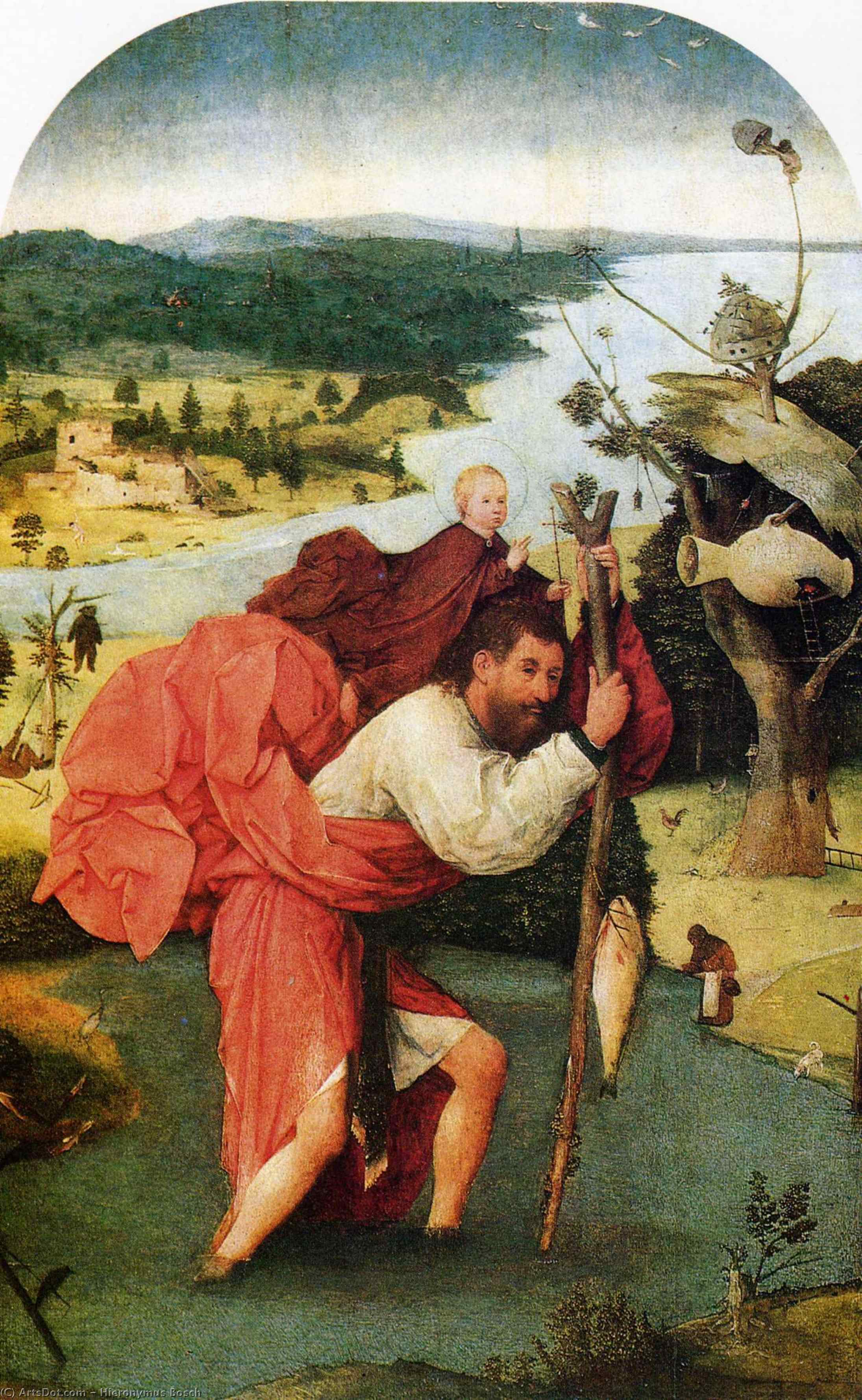
Saint Christopher

보스흐는 초현실주의와 상징으로 유명한 네덜란드 레네상스 화가입니다. 그의 대표작인 지옥의 정원과 마지막 심판 트리пти히는 예술 역사에 깊은 영감을 불어넣으며 독특하고 기묘한 비전을 선보였습니다.

지클레 / 아트 프린트

빠른 제작과 다양한 마감 옵션을 제공하는 박물관 품질의 지클레이 또는 캔버스 프린트.

P118B $10
P118H $10
P118W $10
P438Z $10
P508JH $12
P508YH $12
P805H $10
P805Z $10
P919BZ $10
P919G $10
P919XJ $10
P959ZH $10
P968JZ $12
W106C $8
W218G $10
W218JH $8
W218Y $10
W307PJ $10
W316G $10
W316PJ $8
W316Y $10
W398PJ $8
W4111J $10
W500HY $15
W500JH $15
W692G $12
W849H $8
W940BG $15
W953PJ $8

Standard
custom
CM
INCH

작품의 원본 비율을 유지하는 미리 설정된 크기 중에서 선택하세요.

가로 너비
세로 길이

특정 프레임이나 공간에 맞춰 직접 치수를 입력하실 수 있습니다. 선택하신 사이즈가 원본 이미지의 비율과 일치하지 않을 경우, 작품을 크롭(자르기)하거나 이미지를 대칭 또는 단색 채우기로 확장하여 제작합니다. 제작 시작 전, 최종 확인을 위해 디지털 목업이 전송됩니다.
화면상의 미리보기는 실제 크롭이나 확장 상태를 반영하지 않으므로, 최종 구도는 오직 목업을 통해서만 정확하게 확인하실 수 있습니다.
맞춤 사이즈 제작도 가능하지만, 원본 비율을 유지하기 위해서는 사전 정의된 목록에서 치수를 선택하시는 것을 권장합니다.

전 세계 배송()은 일반적인 4~5주의 소요 기간 대신 2주 이내에 완료됩니다. (23 7월)

why_choose_icon
전 세계 무료 특급 배송
why_choose_icon
프리미엄 린넨 캔버스
why_choose_icon
전체 배송 보험 보장
why_choose_icon
관세 환불 보장
why_choose_icon
실제 색상 일치 보장
why_choose_icon
60일 이내 반품 정책 (제조 결함 시)
why_choose_icon
100% 환불 보장
why_choose_icon
다량 구매 할인 혜택

총 합계 금액

-

reproduction

Saint Christopher

지클레 / 아트 프린트

복제본 크기

-

최종 결제 금액

-

작품 정보 요약

  • Location: Museum Boijmans Van Beuningen, Rotterdam
  • Artistic style: Fantastic realism
  • Medium: Oil on panel
  • Notable elements or techniques: Detailed depiction of biblical scene; Symbolism.
  • Title: Saint Christopher
  • Subject or theme: Religious iconography; Charity

예술 상식 퀴즈

각 질문의 정답은 하나뿐입니다.

질문 1:
What biblical figure is depicted in Hieronymus Bosch’s Saint Christopher?
질문 2:
The painting portrays Saint Christopher carrying Jesus across what type of landscape?
질문 3:
How many birds are included in the composition of Saint Christopher?
질문 4:
Saint Christopher is depicted alongside other figures, including a man holding Jesus. What role does this figure likely represent?
질문 5:
Hieronymus Bosch’s Saint Christopher is considered a masterpiece of what artistic movement?

작품 상세 설명

Saint Christopher Carrying the Christ Child – A Vision of Faith and Suffering

Hieronymus Bosch’s “Saint Christopher Carrying the Christ Child” stands as a haunting testament to the anxieties of late medieval Europe, rendered in his signature style—a meticulously detailed depiction brimming with unsettling symbolism that continues to fascinate scholars and artists alike. Painted sometime between 1490 and 1516 during Bosch's prolific artistic output, this monumental artwork transcends mere religious iconography; it delves into profound psychological explorations of morality, temptation, and the human condition.

  • Subject Matter: The painting portrays Saint Christopher, venerated as a martyr who carried Jesus across the Jordan River, embodying selfless devotion and unwavering faith. Alongside him is the infant Jesus, symbolizing divine innocence and vulnerability – a juxtaposition that immediately establishes a tension between earthly duty and spiritual purity.
  • Style & Technique: Bosch’s distinctive style—characterized by fantastical imagery, grotesque figures, and meticulous realism—is evident throughout the composition. The artist employs hatching and cross-hatching techniques to create depth and texture, meticulously rendering every element of the scene with astonishing precision. This painstaking attention to detail contributes to the unsettling atmosphere of the artwork.
  • Historical Context: Bosch’s work emerged during a period marked by religious upheaval and societal anxieties surrounding papal authority and demonic influence. The painting reflects the pervasive preoccupation with sin, judgment, and the eternal afterlife prevalent in the intellectual climate of his time—a reflection of the broader artistic trends of the Northern Renaissance.

Symbolism: Layers of Meaning Beyond Appearances

Bosch’s genius lies not merely in his technical prowess but also in his masterful use of symbolism. The three birds circling above represent various aspects of human nature—one perched on a skull signifies mortality, another embodies temptation and deceit, while the third symbolizes divine grace. These avian figures are strategically positioned to dominate the visual field, emphasizing the omnipresent influence of spiritual forces.

  • The Boat: The humble boat traversing the river serves as a metaphor for humanity’s journey through life—a perilous voyage fraught with obstacles and uncertainties. Its weathered appearance underscores the hardships endured by pilgrims seeking salvation.
  • Detailed Figures: Bosch meticulously portrays each individual in the scene, imbuing them with psychological complexity. The figures are rendered with exaggerated proportions and expressions, conveying emotions of fear, compassion, and piety—reflecting the artist’s fascination with human psychology and his ability to capture inner turmoil.

Emotional Impact: A Disturbingly Beautiful Revelation

"Saint Christopher Carrying the Christ Child" compels viewers to confront uncomfortable truths about human morality and spiritual aspiration. Bosch's unsettling depiction evokes a visceral reaction—a blend of fascination, apprehension, and profound contemplation. The artwork’s beauty resides precisely in its disturbing quality, prompting reflection on themes of suffering, redemption, and the eternal struggle between good and evil.

This extraordinary piece continues to inspire artists and scholars alike, cementing Bosch's place as one of the most influential figures in European art history. Its enduring power stems from Bosch’s ability to distill complex theological concepts into unforgettable visual imagery—a testament to his unparalleled artistic vision.


작가 약력

Hieronymus Bosch (c. 1450-1516): Dutch Renaissance Master of Surrealism & Symbolism

Hieronymus Bosch remains one of art history’s most perplexing figures—a Netherlandish genius whose unsettling visions continue to captivate audiences centuries after his death in 1516. Born around 1450 in ’s-Hertogenbosch, Duchy of Brabant, he emerged from a family steeped in artistic tradition, inheriting techniques and conventions from his grandfather and father—Jan van Aken and Anthonius van Aken respectively. Biographical details are frustratingly sparse; records offer only fragments, fueling speculation about his life and fostering an aura of mystery surrounding both the man and his extraordinary oeuvre. Despite the paucity of verifiable facts, Bosch’s artistic output speaks volumes about his profound engagement with medieval religious thought, folklore, and a burgeoning awareness of societal anxieties—elements that coalesced into his singularly disturbing aesthetic vision.

Early Training & Family Legacy

Bosch's formative years were spent within the family workshop, absorbing the foundational skills necessary for mastering oil painting on oak panels—a medium favored by artists of his era. His artistic lineage extended back several generations, establishing a tradition of visual storytelling rooted in meticulous realism and expressive detail. However, even amidst these established practices, Bosch demonstrated an inclination toward divergence from convention—a foreshadowing of the revolutionary imagination that would propel him to artistic prominence. Marriage to Aleyt Goyaerts van den Meerveen around 1481 provided him with some financial stability, yet little else is documented concerning his personal life—leaving much open to interpretation and contributing to the enduring fascination surrounding Bosch’s enigmatic existence.

Fantastical Visions & Symbolic Language

Bosch's artistic style distinguishes itself instantly—a mesmerizing fusion of meticulous observation and deliriously imaginative imagery. He eschewed mere imitation, forging a profoundly original aesthetic that defied categorization. His paintings transcend representational accuracy; they are allegorical landscapes populated by bizarre creatures—grotesque demons, fantastical animals—and unsettling scenes reminiscent of dreams or nightmares. These figures aren’t merely decorative elements but embodiments of vice, temptation, and spiritual corruption—reflecting the anxieties prevalent during his time concerning heresy and social upheaval. Bosch skillfully blended sacred and profane imagery, creating a disconcerting juxtaposition that continues to resonate with viewers today. His use of oil on oak panels achieved luminous colors and intricate textures, demonstrating mastery over the medium and elevating his work beyond conventional artistic standards.

Iconic Masterpieces & Artistic Influences

Bosch’s most celebrated achievements include The Garden of Earthly Delights (c. 1490-1510)—a triptych that remains one of art history's most debated and enigmatic works—and The Last Judgement Triptych (c. 1480-1490). These monumental canvases depict the afterlife with terrifying grandeur, confronting viewers with visions of paradise, earthly indulgence, and eternal damnation. The central panel portrays a harrowing depiction of Judgment Day—a scene fraught with symbolism and conveying profound theological concepts. Bosch’s influence extends beyond his contemporaries; he paved the way for Surrealist artists like Salvador Dalí and Max Ernst who embraced dreamlike imagery and explored the subconscious mind—solidifying his position as a pivotal figure in artistic innovation. Pieter Bruegel the Elder, another Netherlandish painter of considerable renown, adopted similar thematic concerns and compositional techniques—demonstrating Bosch’s enduring impact on subsequent generations of artists.

Historical Significance & Legacy

Bosch's contribution to art history transcends stylistic experimentation; he interrogated fundamental questions about faith, morality, and human nature—challenging prevailing beliefs and fostering a critical engagement with religious dogma. His unsettling visions served as a powerful critique of societal norms—reflecting the anxieties surrounding heresy and social instability that characterized his era. Bosch’s legacy persists in contemporary art—where artists continue to grapple with themes of transgression, desire, and spiritual disillusionment—affirming his enduring influence on artistic expression across centuries. He remains an artist whose work compels contemplation and inspires debate—a testament to his singular genius and a cornerstone of Netherlandish Renaissance art.
헤라클레스 보스흐

헤라클레스 보스흐

1450 - 1516 , 네덜란드

주요 정보

  • Artistic Movement Or Style: 초현실주의 및 상징주의
  • Artists Or Movements Influenced By This Artist: ['피터 브뤼겔 더 엘더']
  • Date Of Birth: c. 1450
  • Date Of Death: 1516
  • Full Name: Hieronymus Bosch
  • Nationality: 네덜란드인
  • Notable Artworks:
    • 지하의 정원과 즐거움의 정원
    • 마지막 심판 트리пти히
    • 성상의 상승
  • Place Of Birth: Den Bosch, 네덜란드
테마, 스타일 및 특징별로 분류된 작품들을 만나보세요.
© TopImpressionists.com — All Rights Reserved  ·  100% 수작업 페인팅 · 만족 보장 · 전 세계 무료 배송
VISA MASTERCARD








