

 미리보기
미리보기
 공유하기
공유하기 공유하기
공유하기
 상세 정보
상세 정보 가이드 보기

 다운로드
다운로드
 유사 작품 더 보기
 X-레이
X-레이 슬라이드 쇼 보기
 질의응답
질의응답 통계 정보
통계 정보Roman Ruins


Discover "Roman Ruins" by Hubert Robert (1760). A Romantic masterpiece showcasing crumbling architecture & pastoral life. Oil on canvas, dramatic lighting & serene beauty. Perfect for art lovers!
 더 보기
더 보기
유명한 폐허 풍경화가 위베르 로베르(1733-1808). 역사와 상상력이 어우러진 '카프리초' 작품을 통해 낭만주의와 신고전주의를 잇는 화가. 루브르 박물관의 초기 큐레이터로도 활동했습니다.
지클레 / 아트 프린트
빠른 제작과 다양한 마감 옵션을 제공하는 박물관 수준의 지클레이 및 캔버스 프린트. ( 수작업 채색 복제본 주문하기 디지털 이미지로 전환)




P118B ₩10

P118H ₩10

P118W ₩10

P438Z ₩10

P508JH ₩12

P508YH ₩12

P805H ₩10

P805Z ₩10

P919BZ ₩10

P919G ₩10

P919XJ ₩10

P959ZH ₩10

P968JZ ₩12

W106C ₩8

W218G ₩10

W218JH ₩8

W218Y ₩10

W307PJ ₩10

W316G ₩10

W316PJ ₩8

W316Y ₩10

W398PJ ₩8

W4111J ₩10

W500HY ₩15

W500JH ₩15

W692G ₩12

W849H ₩8

W940BG ₩15

W953PJ ₩8




표준 규격
맞춤형
CM
INCH
작품의 원본 비율을 그대로 유지하는 프리셋 사이즈 중에서 선택해 보세요.
Loading sizes...

가로 너비
세로 길이
액자나 벽면 크기에 맞춰 필요한 가로와 세로 길이를 입력해 주세요. 프린트는 원본 이미지보다 크게 제작할 수 없으며 오직 자르는 것만 가능하므로, 비율이 다른 사이즈를 선택할 경우 이미지의 일부가 잘려 나갈 수 있습니다. 인쇄 작업에 들어가기 전, 최종 확인을 위해 디지털 목업을 보내드립니다. 이 페이지에 표시된 이미지는 실제 잘리는 영역을 나타내지 않으며, 오직 목업을 통해서만 정확한 확인이 가능합니다.


 유리 옵션은 110cm 미만 크기에서만 선택 가능합니다.

Roman Ruins
지클레 / 아트 프린트
복제본 크기
-


최종 결제 금액
₩ 93362
A Symphony of Decay and Eternal Beauty
In the quietude of Hubert Robert’s Roman Ruins, one finds more than a mere depiction of crumbling stone; one encounters a profound meditation on the relentless passage of time. Created around 1760, this masterpiece serves as a window into the heart of the Romantic imagination, where the grandeur of antiquity meets the soft, persistent embrace of nature. The canvas invites the viewer to wander through a landscape where monumental architecture—once the pride of an empire—now yields to the slow, rhythmic pulse of vegetation and light. It is a scene that captures a fleeting moment of ethereal beauty, frozen in the amber of oil on canvas, offering a sense of pastoral tranquility that resonates deeply with the modern soul seeking refuge from the frenetic pace of contemporary life.
The composition is masterfully orchestrated to draw the eye deep into a world of architectural wonder and quiet human drama. A majestic, weathered archway stands as the central protagonist, its heavy columns and fractured masonry framing a vista that stretches toward an infinite horizon. Through this portal, the viewer perceives a vast, open space where the boundaries between man-made structures and the wild landscape begin to blur. The foreground is alive with the gentle rhythms of everyday existence: figures engaged in quiet contemplation, a woman tending to livestock, and children playing amidst the rocky outcrops. This juxtaposition—the monumental scale of the ruins against the intimate, humble activities of life—establishes a poignant dialogue between historical glory and the enduring continuity of the human spirit.
The Artistry of the Romantic Capriccio
Robert’s technical prowess is most evident in his command of light and texture, elements that elevate this work from a topographical study to a capriccio—a genre of imaginative fantasy. Utilizing the rich, versatile medium of oil paint, the artist achieves a remarkable tonal range that breathes life into the scene. Warm ochres, deep browns, and radiant golds dominate the palette, bathing the ruins in a sun-drenched glow that evokes a sense of nostalgic warmth. His brushwork is both deliberate and expressive; while the architectural elements are defined by structured lines, the foliage and distant clouds are rendered with a looser, more spontaneous touch. This interplay of precision and fluidity creates a dynamic atmosphere, where the light seems to dance across the textured surfaces of stone and leaf alike.
For the discerning collector or interior designer, Roman Ruins offers an unparalleled emotional depth that transcends mere decoration. The painting functions as a symbolic vessel, carrying themes of memory, loss, and the sublime power of nature. It evokes a sense of "melancholic grandeur"—a feeling of being moved by the beauty of what has passed while finding peace in the persistence of life. Integrating such a high-quality reproduction into a curated space provides more than just a visual focal point; it introduces a narrative of timelessness and sophistication. Whether placed in a sunlit library or a grand salon, Robert’s vision of the Roman past serves as an enduring inspiration, reminding us that even amidst decay, there is a profound and lasting splendor to be found.
질의응답
위베르 로베르의 "Roman Ruins"은(는) 언제 제작되었나요?
위베르 로베르의 "Roman Ruins"은(는) 1760년에 제작되었습니다.
"Roman Ruins"에서 매체와 움직임은 어떻게 결합되어 있나요?
"Roman Ruins"에서 Oil On Canvas 기법은 Romanticism 사조와 만납니다.
위베르 로베르의 "Roman Ruins"에서 느껴지는 감정은 무엇인가요?
위베르 로베르의 "Roman Ruins"에 담긴 정서적 톤은 Melancholic입니다. 이는 작품이 전달하는 감정을 요약한 것입니다.
작가 정보
루이의 폐허와 환상: 위베르 로베르의 세계
위베르 로베르(Hubert Robert)라는 이름은 18세기 프랑스 미술에서 독특한 위치를 차지하는 매혹적인 풍경화와 폐허에 대한 낭만적인 동경을 불러일으킵니다. 1733년 파리에서 태어난 그의 삶은 로코코의 경쾌함부터 신고전주의의 새벽, 그리고 프랑스 혁명의 격동적인 시대를 배경으로 펼쳐졌습니다. 그는 단순히 부패를 기록하는 사람이 아니었습니다. 관찰과 상상력을 결합하여 과거에 대한 향수와 미래에 대한 기대를 동시에 불러일으키는 비전을 창조했습니다. 그의 여정은 조각가 미셸-앙주 슬로츠(Michel-Ange Slodtz) 아래에서 시작된 구조화된 미술 훈련 속에서 시작되었습니다. 슬로츠는 로베르의 재능을 인정했지만, 빛, 분위기, 그리고 형태의 섬세한 시를 포착하는 데 그의 진정한 소명이 있다고 판단하여 그를 회화로 이끌었습니다.로마에서의 꿈: 예술적 정체성 형성
로베르의 예술적 발전에 결정적인 순간은 1754년 에티엔-프랑수아 드 슈아젤(Étienne-François de Choiseul)을 동반한 로마 장기 체류였습니다. 그는 역사와 건축학적 웅장함으로 가득 찬 세계에 몰입했습니다. 11년 동안 고대 도시는 그의 야외 스튜디오가 되었고, 무너져가는 신전, 웅장한 아치, 그리고 무성한 정원은 그의 상상력을 자극했습니다. 이것은 그가 본 것을 단순히 복제하는 것이 아니었습니다. 그것은 해석하고, 재창조하며, 멜랑콜리한 아름다움으로 가득 채우는 것에 대한 것이었습니다. 그는 조반니 파올로 파니니(Giovanni Paolo Panini)와 함께 일했는데, 그의 영향력은 로베르의 초기 *카프리초* 구도에서 드러납니다. 카프리초는 고전 유적과 현대 생활을 병치시킨 기발한 시각 작품입니다. 그러나 로베르는 모방을 넘어 세부적인 묘사, 대기 원근법, 그리고 빛과 그림자의 미묘한 감각으로 특징지어지는 자신만의 독특한 스타일을 빠르게 발전시켰습니다. 그는 단순히 폐허를 그리는 것이 아니라 시간 자체를 그리며, 덧없음의 애절한 아름다움과 기억의 지속적인 힘을 포착했습니다. 이 시기의 그의 스케치북은 빌라 데스테(Villa d'Este)와 카프라롤라(Caprarola)와 같은 로마 랜드마크에 대한 상세한 연구로 가득 차 있으며, 건축학적 미묘함과 풍경 구도에 대한 예리한 안목을 보여주는 귀중한 기록입니다.파리에서의 찬사 및 왕실 후원
1765년 파리로 돌아온 로베르는 그의 경력에서 중요한 전환점을 맞이했습니다. 그는 “고대 및 현대 건축물의 다양한 기념물로 장식된 로마 항구”를 통해 미술계의 인정을 빠르게 얻었고, 프랑스 왕립 회화 및 조각 아카데미에 입회하는 데 성공했습니다. 그 후 살롱에서의 전시회는 광범위한 찬사를 받았고, 그의 폐허와 그림 같은 풍경을 생생하게 묘사하여 관객들을 사로잡았습니다. 계몽주의의 저명한 인물인 드니 디드로(Denis Diderot)는 로베르의 그림에서 불러일으키는 웅장함을 극찬하며 그가 시청자들을 다른 시간과 장소로 데려가는 능력을 인정했습니다. 이러한 성공은 왕실 후원으로 이어졌고, 장식 프로젝트에 대한 의뢰와 “왕의 정원 디자이너” 및 나중에는 “왕의 그림 관리인”으로 임명되었습니다. 그는 이젤 회화뿐만 아니라 정원과 궁전 인테리어 디자인 분야에서도 인정받는 예술가가 되었습니다. 그의 작품은 역사, 고고학, 그리고 그림 같은 풍경에 매료된 수집가들에게 어필하는 카프리초 회화의 유행을 반영했지만 로베르는 독특한 감성을 불어넣어 단순한 장식 미술 이상의 수준으로 끌어올렸습니다.혁명, 탄력성 및 지속적인 유산
프랑스 혁명은 로베르에게 전례 없는 도전을 제시했습니다. 많은 예술가들이 격동적인 정치적 기후를 헤쳐나가기 위해 고군분투하는 동안 그는 변화의 흐름에 휩쓸렸습니다. 그는 공포 정권 기간 동안 잠시 투옥되기도 했는데, 이는 그의 감금 시간을 기록한 일련의 그림을 영감을 준 힘든 경험이었습니다. 놀랍게도 그는 이 시기에도 끊임없이 회화 작업을 계속하며 예술에 대한 확고한 헌신을 보여주었습니다. 혁명 이후 로베르는 새로 설립된 중앙 미술 박물관(Muséum Central des Arts)—미래의 루브르 박물관—의 큐레이터로 임명되었는데, 이는 그의 전문성과 문화 유산을 보존하려는 노력을 입증한 것입니다. 그는 박물관 컬렉션을 정리하고 분류하는 데 중요한 역할을 하여 프랑스의 예술적 보물이 미래 세대를 위해 보호되도록 했습니다. 위베르 로베르는 1808년 파리에서 사망했으며, 경외와 감탄을 불러일으키는 놀라운 작품을 남겼습니다. 그의 유산은 기술적인 숙달뿐만 아니라 역사적 정확성과 상상력 있는 비전을 결합하는 독특한 능력에 있습니다. 그는 로코코와 신고전주의 시대를 연결하고, 역사에 대한 매혹과 상상력을 통해 낭만주의의 측면을 예상하며 중요한 인물로 자리매김했습니다.- 주요 영향: 조반니 파올로 파니니, 피라네시, 로마의 건축학적 풍경.
- 주요 주제: 폐허, 풍경, *카프리초* 회화, 역사적 기억, 시간의 흐름.
- 예술 스타일: 세부적인 묘사, 대기 원근법, 생생한 조명, 관찰과 상상력의 결합.

위베르 로베르
1733 - 1808 , 프랑스
작가 정보 요약
- Artistic Movement Or Style: 낭만주의, 신고전주의
- Artists Or Movements Influenced By This Artist: ['낭만주의']
- Artists Who Influenced This Artist:
- 조반니 파니니
- 피라네시
- Date Of Birth: 1733년 5월 22일
- Date Of Death: 1808년 4월 15일
- Full Name: 위베르 로베르(Hubert Robert)
- Nationality: 프랑스인
- Notable Artworks (List Of Titles):
- 로마 항구
- 갈라테아의 비행
- 루브르 미술관
- Place Of Birth (City And Country): 프랑스 파리
관련 콘텐츠

Capturing Eternal Glory: Impressionist Visions of the Roman Empire's Timeless Grandeur
Explore the breathtaking intersection of Roman grandeur and Impressionist light. Discover how masters like Monet reimagined classical ruins through vibrant, emotive brushstrokes. A cultural journey for true art lovers seeking to bring eternal glory into their homes.

Capturing the Soul: The Emotional Magic and Sublime Grandeur of Romantic Landscape Painting
Explore the profound emotional depth of Romantic landscape painting. Discover how masters like Friedrich and Turner captured the sublime through light, shadow, and nature's power in this expert art history retrospective for discerning collectors.
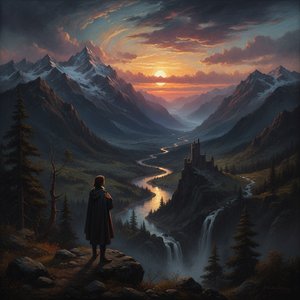
Capturing the Soul: The Emotional Majesty and Sublime Power of Romantic Landscape Painting
Explore the profound emotional depth of Romantic landscape painting. Discover how masters like Turner and Friedrich captured the sublime power of nature through intuition and imagination in this expert art history retrospective.