아틀리에 — 전 세계 무료 배송 — 배송 기간 2~6주
사진으로 그림 만들기 위시리스트 장바구니
미리보기미리보기 AR 미리보기AR 미리보기 프린트 주문으로 전환 프린트 주문으로 전환수제 페인팅으로 전환하기 수제 페인팅으로 전환하기 공유하기공유하기
상세 정보상세 정보 즐겨찾기에 추가 즐겨찾기에 추가 다운로드다운로드 유사 작품유사 작품 X-레이X-레이 슬라이드 쇼슬라이드 쇼

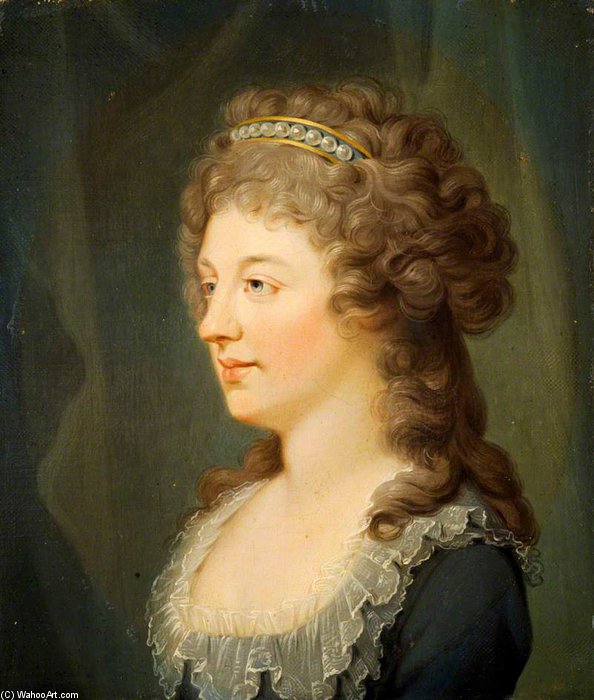
Charlotte Stuart

Admire Hugh Douglas Hamilton's elegant portrait of Charlotte Stuart, Duchess of Albany! This refined 18th-century painting captures aristocratic grace and timeless beauty.

Hugh Douglas Hamilton (1740-1808): Celebrated Irish portrait painter renowned for his elegant pastel and oil portraits of royalty, nobility & prominent figures. Explore his art!

온라인 미리보기보다 훨씬 뛰어난 품질의 고해상도 디지털 이미지를 구매해 보세요.

각 파일은 사내 전문가가 고급 도구와 숙련된 수동 리터칭 기술을 사용하여 세심하게 준비합니다. 우리는 모든 이미지가 탁월한 선명도, 정확한 색상 재현력, 그리고 미세한 디테일까지 완벽하게 갖추도록 보장합니다.

최종 파일은 전문적인 편집 및 인쇄 환경에서 즉시 사용할 수 있도록 최적화되어 72시간 이내에 이메일로 발송됩니다. 이는 세계적인 디자인 스튜디오, 출판사 및 갤러리가 신뢰하는 것과 동일한 품질입니다.

디지털 이미지

개인 소장 및 전시, 인쇄, 창작 프로젝트를 위한 고해상도 파일을 다운로드하세요. (프린트 주문으로 전환 프린트 주문으로 전환수제 페인팅으로 전환하기 수제 페인팅으로 전환하기)

최종 결제 금액

$9.99

모든 디지털 이미지 주문에 포함된 혜택

전문적인 디지털 이미지 전송 보장

TopImpressionists.com를 선택하시면 단순히 이미지를 받는 것을 넘어, 정밀한 보정 과정을 거친 전문적인 디지털 예술 작품을 만나보실 수 있습니다. 모든 작품에는 만족 보장 서비스가 함께 제공되며, 주문 시 다음과 같은 사항들이 자동으로 포함됩니다:

shipping_icon
빠른 이메일 전송

주문 후 72시간 이내에 고해상도 디지털 이미지 파일이 이메일로 발송되며, 즉시 사용하실 수 있습니다.

canvas_icon
AI 기술로 향상된 디지털 파일

귀하의 작품은 고급 AI 도구와 수동 편집 과정을 거쳐 전문적으로 최적화되며, 이를 통해 디테일과 선명도, 색상의 정확도를 극대화합니다.

insurance_icon
평생 무료 재전송 서비스

파일을 실수로 삭제하거나 분실하셨나요? 걱정 마세요. 언제든 무료로 다시 보내드립니다.

tax_icon
추가 수입 비용 없음 - 언제나

관세나 부가세, 배송비 부담 없이 작품을 즉시 감상하세요 - 디지털 다운로드는 언제나 면세 혜택이 적용됩니다.

color_icon
정확한 색상 보장

전문적인 도구와 색상 관리 시스템을 통해 디지털 이미지가 원본의 색상을 최대한 정확하게 구현하도록 보장합니다.

return_icon
60일 만족 보장제

구매하신 디지털 이미지에 만족하지 못하실 경우, 60일 이내에 수정 또는 100% 환불을 진행해 드립니다 - 어떠한 문의도 필요 없습니다.

guarantee_icon
100% 환불 보장

만족하지 못하셨나요? 디지털 파일을 수령하신 후 60일 이내라면 별도의 이유를 밝힐 필요 없이 전액 환불해 드립니다.

discount_icon
대량 주문 할인

이미지 3매 구매 시 10% 할인 - 5매 구매 시 15% 할인 - 10매 이상 구매 시 20% 할인. 크리에이티브 프로젝트, 갤러리, 에이전시에 매우 유용합니다.

작품 정보 요약

  • Artist: Hugh Douglas Hamilton
  • Title: Charlotte Stuart
  • Notable elements or techniques:
    • Profile pose
    • Pastel influence
    • Detailed fabric
  • Influences: Lewis Vaslet
  • Subject or theme: Aristocratic portrait
  • Medium: Oil painting

예술 상식 퀴즈

각 질문의 정답은 하나뿐입니다.

질문 1:
What is the most likely period for this portrait based on its style and pose?
질문 2:
What is a notable characteristic of the woman's gaze in this portrait?
질문 3:
Who was the artist who created this portrait of Charlotte Stuart?
질문 4:
Based on the description, what does the lace detailing around the neckline of the dress likely suggest about the subject’s social standing?
질문 5:
What is known about Charlotte Stuart, the subject of this portrait?

수집품 상세 설명

Charlotte Stuart: A Glimpse of Aristocratic Grace

This captivating portrait depicts Charlotte Stuart, Duchess of Albany, a figure steeped in Jacobite history and personal drama. Painted by the renowned Irish artist Hugh Douglas Hamilton around 1785-1789, this work offers a poignant glimpse into the life of an aristocratic woman navigating complex familial relationships and societal expectations.

The Artist and His Style

Hugh Douglas Hamilton (1740-1808) was a celebrated Irish portrait painter known for his ability to capture both likeness and character in his subjects. Born in Dublin, he honed his skills under Robert West at the Dublin Society House before achieving considerable success in London and Rome. Initially working primarily in pastel, Hamilton later embraced oil painting, demonstrating versatility and adapting to evolving artistic trends. His style is characterized by a refined elegance, attention to detail, and a subtle use of light and shadow that lends depth and realism to his portraits. He was particularly adept at creating lively, affordable oval portraits that were highly sought after by royalty, politicians, and celebrities of the day.

A Portrait in Profile: Technique and Composition

The portrait of Charlotte Stuart is rendered in profile, a pose favored during the 18th and early 19th centuries for its perceived elegance. Hamilton’s technique showcases his mastery of detail; observe the delicate rendering of her long, curly brown hair cascading over her shoulders, adorned with a pearl or gemstone-studded headband that signifies status and refinement. The dark blue dress, accented with lace detailing around the neckline, further emphasizes her aristocratic background. The muted greenish-blue backdrop provides a subtle contrast, drawing attention to Charlotte’s features. Hamilton's use of light and shadow is particularly noteworthy, creating a lifelike quality and highlighting the softness of her skin and the expressiveness of her eyes.

Historical Context and Symbolism

Charlotte Stuart's life was marked by both privilege and hardship. She was the illegitimate daughter of Charles Edward Stuart ("Bonnie Prince Charlie"), a key figure in the Jacobite movement seeking to restore the Stuart dynasty to the British throne. Her mother, Clementina Walkinshaw, endured years of abuse before escaping with Charlotte. The portrait itself carries symbolic weight; her profile view and dignified posture convey a sense of resilience and quiet strength despite the challenges she faced. The headband, as mentioned, speaks to her noble lineage, while the overall composition suggests a woman poised between tradition and change. Her later legitimization by her father and subsequent role as his caretaker in his final years further complicate her story, adding layers of meaning to this compelling portrait.

Emotional Impact and Lasting Appeal

Beyond its historical significance, the portrait of Charlotte Stuart evokes a sense of quiet dignity and melancholic grace. Hamilton’s skill in capturing her expressive eyes draws the viewer into her world, inviting contemplation on her life and experiences. This artwork is not merely a representation of an aristocratic woman; it's a window into a complex personal narrative, offering a timeless glimpse into the lives of those who shaped history.


작가 소개

A Dubliner’s Grace: The Life and Art of Hugh Douglas Hamilton

Born in the bustling heart of 18th-century Dublin around 1740, Hugh Douglas Hamilton emerged as a pivotal figure in portraiture, bridging the Rococo elegance of his early career with the burgeoning Neoclassical sensibilities that would define an era. The son of a peruke maker – a trade demanding precision and artistry in its own right – young Hamilton was steered towards the visual arts, receiving foundational training at the Dublin Society House under Robert West and James Mannin. Even in these formative years, his talent shone brightly, earning him premiums for drawings as early as 1756, hinting at the skill that would soon captivate both Irish and British society. Crucially, Hamilton cultivated relationships with influential patrons like the La Touche banking family, a network that proved invaluable in establishing his career. These connections weren’t merely financial; they were gateways into the world he would so adeptly capture on canvas and pastel.

From London’s Salons to Roman Reverie

Hamilton's ambition led him to London in the early 1760s, where he quickly found success with his distinctive oval pastel portraits. These weren’t grand, imposing statements of power; rather, they were lively, affordable representations that resonated with a growing middle class eager to possess images of themselves and their loved ones. His talent didn't go unnoticed by the highest echelons of society either – he received commissions from the British royal family, including a portrait of Queen Charlotte in 1764, solidifying his reputation. He exhibited regularly at both the Society of Artists and the Free Society of Artists, steadily building his clientele. Around the mid-1770s, Hamilton began experimenting with a unique “fresco” pastel technique, blending crayons and chalk to achieve a richer texture and depth in his work. This innovation marked a turning point, showcasing his willingness to push boundaries and refine his artistic approach. In 1779, seeking further inspiration and honing his skills, he embarked on a twelve-year sojourn in Rome. It was there that he encountered the intellectual circles of the time, befriending figures like Antonio Canova and receiving guidance from John Flaxman, who encouraged him to transition to oil painting – a medium that would allow for even greater nuance and detail.

A Master of Likeness: Style and Technique

Hamilton’s artistic signature lay in his ability to capture not just the *likeness* of his sitters, but also their character and social standing. While he initially gained renown for his pastel portraits – particularly those charming oval compositions – his later work in oils demonstrated a growing mastery of technique. He favored handmade cream or off-white paper for his pastels, providing a subtle warmth to the finished pieces. Remarkably efficient, many of his portraits were completed in a single sitting from life, testament to his observational skills and confident hand. His pastel process involved a meticulous layering: outlining with light tones, building features with carmine shades, blending delicately with his fingers, establishing broad backgrounds, and finally adding precise details using both pastel sticks and graphite. This careful approach allowed him to create portraits that were both realistic and flattering. He was acutely attuned to the demands of the market, balancing artistic expression with the expectations of his patrons. His style reflects a fascinating interplay between European artistic traditions – particularly French Rococo influences – and the evolving tastes of 18th-century society.

Echoes of an Era: Major Works and Legacy

Throughout his career, Hamilton’s brush (or pastel stick) immortalized many prominent figures. Beyond the celebrated portrait of Queen Charlotte, he depicted Charles Edward Stuart and his family between 1785 and 1788, capturing a poignant moment in Jacobite history. His portrait of Dean Kirwan remains a treasured piece at the Royal Dublin Society, while other notable works include portraits of George John, 2nd Earl Spencer, and Countess Cowper. “Diana and Endymion” (1783) represents an early foray into large-scale oil painting, showcasing his ambition to tackle more complex compositions. However, it was perhaps the rediscovery of a sketchbook containing sixty-six drawings of Dublin street hawkers that truly cemented Hamilton’s historical significance. These sketches offer a rare and invaluable glimpse into the everyday life of 18th-century Dublin, providing social historians with rich visual documentation of a bygone era. Returning to Dublin in 1791, he continued to paint portraits, including one of Lord Edward Fitzgerald, the Irish revolutionary, in 1796 – a work imbued with both artistic skill and historical weight. Hugh Douglas Hamilton passed away in 1808, leaving behind a legacy as a versatile and insightful portraitist whose work continues to resonate with its blend of Rococo elegance and Neoclassical refinement. His portraits remain not merely images, but windows into the lives and times of those who shaped his world.
Hugh Douglas Hamilton

Hugh Douglas Hamilton

1740 - 1808 , Ireland

주요 정보

  • Artistic Movement Or Style: Rococo, Neoclassical
  • Artists Or Movements Influenced By This Artist: ['Lewis Vaslet']
  • Artists Who Influenced This Artist:
    • Robert West
    • James Mannin
    • John Flaxman
  • Date Of Birth: 1740
  • Date Of Death: 1808
  • Full Name: Hugh Douglas Hamilton
  • Nationality: Irish
  • Notable Artworks:
    • Queen Charlotte (1764)
    • Lord Edward portrait
    • Diana and Endymion
    • Dean Kirwan portrait
  • Place Of Birth: Dublin, Ireland
© TopImpressionists.com — All Rights Reserved  ·  100% 수작업 페인팅 · 만족 보장 · 전 세계 무료 배송
VISA MASTERCARD