

 실제 크기로 보기
 보내기
보내기 공유하기
공유하기
 상세 보기
상세 보기 가이드 보기

 이미지 다운로드
 유사 작품 더 보기
 X-레이
X-레이 슬라이드 쇼 보기
 통계 정보
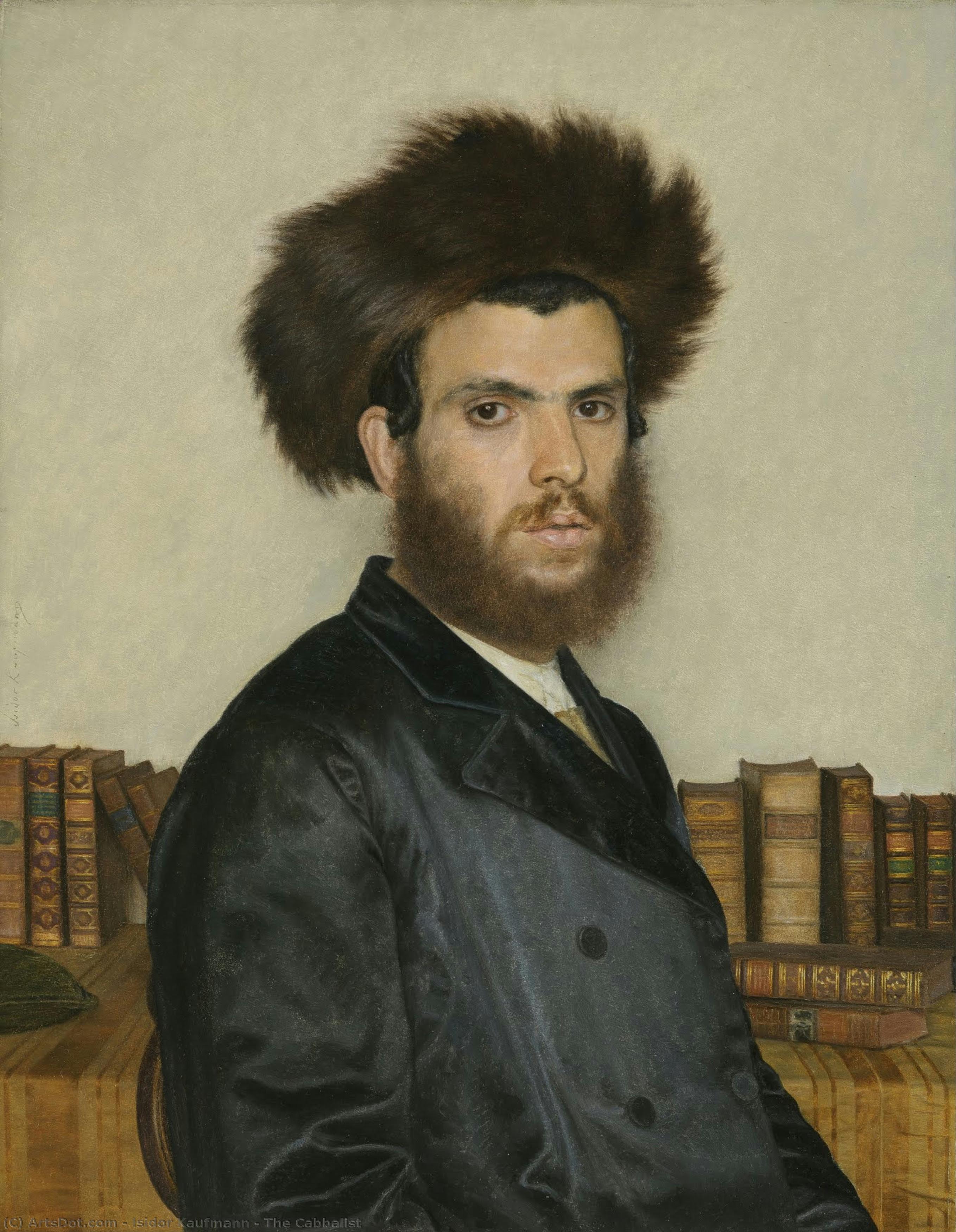
통계 정보The Cabbalist
 Acrylic On Canvas
- WallArt
- Realism
 1910
1910- 19th Century
 44.0 x 35.0 cm
 유대인 박물관
A poignant 1910 portrait by Isidor Kaufmann captures a Jewish scholar immersed in Cabbalistic studies, showcasing the artist’s masterful depiction of Hasidic life in Eastern Europe. Discover this evocative artwork and bring its rich history into your space.
 상세 보기
상세 보기
이시도르 카우프만의 동유럽 유대인 삶을 담은 가슴 뭉클한 장르 회화를 만나보세요. 하시디즘 공동체와 역사적 순간을 묘록한 그의 매혹적인 작품들을 탐험해 보세요.
지클레 / 아트 프린트
빠른 제작과 다양한 마감 옵션을 선택할 수 있는 박물관 수준의 지클레이 및 캔버스 프린트. ( 수작업 채색 복제본 주문하기 디지털 이미지 판매 채널로 전환)




P118B $10

P118H $10

P118W $10

P438Z $10

P508JH $12

P508YH $12

P805H $10

P805Z $10

P919BZ $10

P919G $10

P919XJ $10

P959ZH $10

P968JZ $12

W106C $8

W218G $10

W218JH $8

W218Y $10

W307PJ $10

W316G $10

W316PJ $8

W316Y $10

W398PJ $8

W4111J $10

W500HY $15

W500JH $15

W692G $12

W849H $8

W940BG $15

W953PJ $8




표준 규격
맞춤 제작
CM
INCH
작품의 원본 비율을 그대로 유지하는 프리셋 사이즈 중에서 선택해 보세요.
Loading sizes...

가로 너비
높이
특정 프레임이나 공간에 맞춰 직접 치수를 입력하실 수 있습니다. 선택하신 사이즈가 원본 이미지의 비율과 일치하지 않을 경우, 작품을 크롭(자르기)하거나 이미지를 대칭 또는 단색 채우기로 확장하여 제작합니다. 제작 시작 전, 최종 확인을 위해 디지털 목업이 전송됩니다.
화면상의 미리보기는 실제 크롭이나 확장 상태를 반영하지 않으므로, 최종 구도는 오직 목업을 통해서만 정확하게 확인하실 수 있습니다.
맞춤 사이즈 제작도 가능하지만, 원본 비율을 유지하기 위해서는 사전 정의된 목록에서 치수를 선택하시는 것을 권장합니다.


 유리 옵션은 110cm 미만 크기에서만 선택 가능합니다.

The Cabbalist
지클레 / 아트 프린트
복제본 규격
-


총 결제 금액
$ 69
Isidor Kaufmann’s ‘The Cabbalist’: A Window into Eastern European Jewish Life
TopImpressionists presents a meticulously crafted hand-painted reproduction of Isidor Kaufmann's “The Cabbalist,” an arresting portrait painted in 1910 that offers a rare and intimate glimpse into the world of Hasidic scholarship. Measuring 44 x 35 cm, this work transcends a simple likeness; it’s a carefully constructed tableau brimming with symbolic weight and reflecting the profound spiritual life of a community largely untouched by the sweeping changes of the early 20th century.
- Subject & Composition: The painting centers on a man – presumably a ‘Cabbalist,’ as the title suggests – seated in what appears to be a study. His weathered face, framed by a neatly trimmed beard and a worn hat, speaks of years spent immersed in contemplation and learning. The arrangement of books surrounding him isn’t merely decorative; it's a deliberate composition that underscores his intellectual pursuits and connection to ancient wisdom.
- Artistic Style & Technique: Kaufmann’s style is firmly rooted in the traditions of Austro-Hungarian genre painting, characterized by its realism and attention to detail. The brushwork is precise yet imbued with a subtle warmth, suggesting a deep understanding of his subject's character and environment. He employs a muted color palette – predominantly browns, grays, and ochres – which contributes to the painting’s solemn and contemplative mood.
A Portrait of Faith: Historical Context & Kaufmann’s Vision
Painted in 1910, “The Cabbalist” captures a pivotal moment in the history of Hasidic Judaism. Isidor Kaufmann (1853-1921), born in Arad, Romania, dedicated his artistic career to documenting the lives and traditions of these communities, primarily in Poland and Romania. His work emerged during a period of significant social and religious change, as traditional Jewish life faced increasing pressure from modernity. Kaufmann’s portraits weren't simply representations; they were acts of preservation, meticulously recording a way of life on the verge of disappearing.
Born to Hungarian Jewish parents, Kaufmann initially pursued commerce before discovering his true calling in painting. His training at the Landes-Zeichenschule in Budapest and subsequent studies at the Vienna Academy of Fine Arts – though initially met with rejection – ultimately shaped his distinctive artistic voice. He was profoundly influenced by Professor Trenkwald, who guided him toward a more focused approach to depicting Jewish life.
Symbolism & Interpretation
The inclusion of numerous books is laden with symbolic meaning within the context of Kabbalah, the mystical branch of Judaism. These volumes represent not just knowledge but also a connection to generations of scholarship and spiritual tradition. The man’s posture – seated, absorbed in his studies – embodies the contemplative nature of this pursuit. The hat, a traditional Jewish head covering, further reinforces his identity and religious devotion. Kaufmann's ability to capture such nuanced details speaks volumes about his deep respect for his subject and his commitment to portraying authentic Jewish life.
Emotional Impact & Collecting
"The Cabbalist" is more than just a beautiful painting; it’s a poignant reminder of a vanishing world. This hand-painted reproduction offers collectors and interior designers alike the opportunity to own a piece of art history, imbued with spiritual significance and artistic merit. Its evocative depiction of scholarly devotion will undoubtedly add depth and character to any space, serving as a constant source of contemplation and appreciation for the rich tapestry of human culture.
작가 소개
사라진 세계의 기록자
이시도르 카우프만은 오스트리아-헝가리 미술사에서 독보적인 위치를 차지하는 인물로, 폴란드와 루마니아 전역에 걸친 하시디즘 공동체의 일상과 영적 전통을 애틋하게 그려낸 풍속화로 명성을 떨쳤습니다. 1853년 현재 루마니아의 일부인 헝가리 아라드에서 유대인 부모 슬하에 태어난 카우프만의 예술적 여정은 뜻밖의 운명적인 사건들로 점철되었으며, 이는 결국 그를 19세기 후반 유대 문화의 가장 중요한 기록자 중 한 명으로 이끌었습니다. 처음에는 상업적인 직업을 쫓기도 했으나, 부다페스트의 란데스-차이헨슐레에서의 짧은 수학 기간을 통해 진정한 천직을 발견하게 되었습니다. 이 초기 시절의 불꽃은 평생의 열정으로 타올랐고, 그는 명성 높은 빈 미술 아카데미로 나아가 초기의 난관을 극복하며 트렌크발트 교수의 엄격한 지도 아래 자신의 기량을 갈고닦았습니다.
활기 넘치는 빈의 예술적 분위기 속에서 숙련된 초상화가로 자리 잡은 카우프만은 요제프 마테우스 아이그너와 같은 거장들의 양식적 영향을 흡수했습니다. 그의 작품은 학구적인 전통과 인상주의가 옹호하던 신흥 사실주의가 정교하게 결합된 모습을 반영하기 시작했습니다. 이러한 독창적인 기술적 토대는 단순한 재현을 넘어 대상이 지닌 깊은 심리적 깊이와 영적인 무게감을 포착할 수 있게 해주었습니다. 특히 빛과 그림자의 극적인 상호작용인 키아로스쿠로(chiaroscuro)에 대한 그의 숙련된 솜씨는 그의 화풍을 상징하는 특징이 되었으며, 종교적 연구와 공동체 의례를 묘사하는 장면들에 마치 성스러운 듯한 분위기를 부여했습니다.
황실의 인정을 받은 걸작
카우프만 생애의 전환점은 기념비적인 의뢰작인 “Der Besuch des Rabbi” (랍비의 방문)과 함께 찾아왔습니다. 이 작품은 그 중요성을 인정받아 프란츠 요제프 1세 황제의 의뢰로 미술사 박물관(Kunsthistorisches Museum)에 소장될 정도였습니다. 이 회화는 세밀한 묘사와 깊은 정서적 울림을 하나로 엮어내는 그의 능력을 보여주는 결정적인 증거입니다. 카우프만은 이 캔버스를 통해 자신이 단순히 전통을 관찰하는 자에 머물지 않고, 특정 문화적 맥락 안에서 인간 경험의 본질을 포착해낼 수 있는 거장임을 입증했습니다. 이 작품의 성공은 유럽 전역에 그의 명성을 공고히 했으며, 민족학적 소재를 고전 예술의 정점으로 끌어올릴 수 있는 예술가로서 그를 각인시켰습니다.
그의 작품 세계는 동유럽 유대인의 삶의 심장부를 향한 친밀한 시선으로 특징지어집니다. 학자의 명상적인 정적을 그리든, 젊은이의 고요한 열정을 담아내든, 카우프만의 그림은 거대한 역사적 격변을 겪고 있던 한 세계를 들여다보는 창 역할을 합니다. 그의 주목할 만한 작품들은 다음과 같습니다:
- Schachspieler (체스 두는 사람들): 의례적인 놀이가 주는 명상적인 순간을 매혹적으로 묘사하며, 일상적인 공동체의 상호작용 속에서 아름다움을 찾아내는 그의 능력을 보여줍니다.
- <The Cabbalist (카발라 학자): 1910년의 초상화로, 신비주의 연구에 깊이 몰입한 유대인 학자를 포착하여 영적 헌신을 묘사하는 예술가의 기량을 잘 보여줍니다.
- <Portrait of a Young Man (젊은 남자의 초상): 1901년의 친밀한 풍속화로, 강렬한 시선을 통해 그 시대의 문화적 정체성을 엿볼 수 있게 합니다.
- <Portrait of Isidor Gewitsch (이시도르 게비치 초상): 학구적 사실주의의 탁월한 사례로, 한 노인의 품격과 고요한 명상을 시대를 초월한 우아함으로 담아냈습니다.
유산과 역사적 의의
이시도르 카우프만의 역사적 가치는 시각적 역사가로서의 역할에 있습니다. 그의 그림은 20세기의 격동이 몰려오기 전, 동유럽에서 마지막으로 찬란하게 빛나던 하시디즘의 삶과 유대 전통을 생생하고도 애틋하게 기록한 소중한 사료입니다. 그의 붓끝을 통해 무거운 검은 코트의 질감, 고대 문헌 위로 흐르는 촛불의 온기, 그리고 종교적 의례의 엄숙함이 마치 손에 잡힐 듯한 명료함으로 보존되었습니다. 카우프만은 단순히 장면을 그린 것이 아니라 한 문화의 영혼을 포착해냈으며, 이를 통해 이 공동체가 지녔던 존엄성과 지성, 그리고 영적인 풍요로움이 미술사의 기록 속에 영원히 각인되도록 만들었습니다.

이시도르 카우프만
1853 - 1921 , 루마니아
작가 정보 요약
- Artistic Movement Or Style: 장르 회화
- Artists Or Movements Influenced By This Artist: ['바론 쾨니그스바르터 예술가 상']
- Artists Who Influenced This Artist: ['요제프 마티아스 아이그너']
- Date Of Birth: 1853
- Full Name: 이시도르 카우프만
- Nationality: 오스트리아-헝가리
- Notable Artworks:
- 이시도르 게비치 초상
- 젊은 유대인 남성의 초상
- Place Of Birth: 루마니아, 아라드
관련 기사

TopImpressionists.com F.A.Q.: Discover the Vibrant Beauty of Our Premium Art Poster Prints
Explore the technical excellence of TopImpressionists.com's premium art poster prints. Discover how our 12-color pigment system and archival inks capture the luminous beauty of Impressionist masterpieces with unmatched color fidelity and museum-grade durability for the discerning collector.