


 실제 크기로 보기
 보내기
보내기 공유하기
공유하기
 상세 보기
상세 보기 가이드 보기

 이미지 다운로드
 유사 작품 더 보기
 X-레이
X-레이 슬라이드 쇼 보기
 통계 정보
통계 정보Argus, Mercury and Io
 Oil On Canvas
- WallArt
- Baroque
 1640
1640- Early Modern
 204.0 x 193.0 cm
 Mauritshuis
Delve into Jacob van Campen’s ‘Mercury, Argus & Io,’ a Baroque masterpiece showcasing mythological figures and dynamic composition. Discover the artistry of Haarlem's Golden Age painter.
 상세 보기
상세 보기
Jacob van Campen (1596-1657): Dutch Golden Age artist & architect. Pioneer of Classicism in Baroque design, known for palaces, churches & still life paintings.
지클레 / 아트 프린트
빠른 제작과 다양한 마감 옵션을 선택할 수 있는 박물관 수준의 지클레이 및 캔버스 프린트. ( 수작업 채색 복제본 주문하기 디지털 이미지 판매 채널로 전환)




P118B ₩10

P118H ₩10

P118W ₩10

P438Z ₩10

P508JH ₩12

P508YH ₩12

P805H ₩10

P805Z ₩10

P919BZ ₩10

P919G ₩10

P919XJ ₩10

P959ZH ₩10

P968JZ ₩12

W106C ₩8

W218G ₩10

W218JH ₩8

W218Y ₩10

W307PJ ₩10

W316G ₩10

W316PJ ₩8

W316Y ₩10

W398PJ ₩8

W4111J ₩10

W500HY ₩15

W500JH ₩15

W692G ₩12

W849H ₩8

W940BG ₩15

W953PJ ₩8




표준 규격
맞춤 제작
CM
INCH
작품의 원본 비율을 그대로 유지하는 프리셋 사이즈 중에서 선택해 보세요.
Loading sizes...

가로 너비
높이
액자나 벽면 크기에 맞춰 필요한 가로와 세로 길이를 입력해 주세요. 프린트는 원본 이미지보다 크게 제작할 수 없으며 오직 자르는 것만 가능하므로, 비율이 다른 사이즈를 선택할 경우 이미지의 일부가 잘려 나갈 수 있습니다. 인쇄 작업에 들어가기 전, 최종 확인을 위해 디지털 목업을 보내드립니다. 이 페이지에 표시된 이미지는 실제 잘리는 영역을 나타내지 않으며, 오직 목업을 통해서만 정확한 확인이 가능합니다.


 유리 옵션은 110cm 미만 크기에서만 선택 가능합니다.

Argus, Mercury and Io
지클레 / 아트 프린트
복제본 규격
-


총 결제 금액
₩ 93636
A Baroque Symphony of Myth and Mastery
In the heart of the Dutch Golden Age, a period defined by opulent patronage and an unwavering pursuit of beauty, Jacob van Campen breathed life into a scene of divine tension and mythological drama. His 1630 masterpiece, Argus, Mercury and Io, is far more than a mere depiction of ancient legend; it is an immersive experience that captures the very essence of the Baroque period. The canvas unfolds a narrative steeped in the complexities of Greek mythology, presenting a tableau where the boundaries between the divine and the mortal blur under a turbulent, stormy sky. As the viewer gazes upon this monumental oil on canvas, they are transported to a world where celestial intervention meets earthly vulnerability.
The painting portrays a dramatic moment involving Mercury, Argus Panoptes—the giant with a hundred eyes—and Io, the wife of Zeus caught in a harrowing predicament. The scene unfolds upon the ground, bathed in an ethereal luminescence that underscores the gravity of their situation. Io, pursued relentlessly by the jealous Hera, seeks refuge beneath the rough bark of a tree trunk, a symbol of resilience amidst adversity. Amidst this tension, Mercury attempts to soothe Io’s suffering with music, representing the power of reason and solace against overwhelming emotion. The inclusion of watchful dogs adds an element of primal instinct, while the presence of sheep and a distant cow grounds the divine drama in a pastoral reality, creating a striking contrast between the eternal and the everyday.
The Precision of Dutch Classicism
Van Campen's style embodies the burgeoning influence of Classical ideals within the broader Baroque aesthetic. Unlike many of his contemporaries who favored flamboyant ornamentation and chaotic movement, Van Campen prioritized clarity, balance, and architectural precision. This approach aligns him with the principles of Dutch Classicism, a movement that sought to marry native textures with the refined Vitruvian principles he encountered during his time in Italy. His technique is nothing short of breathtaking; he meticulously renders a variety of textures—from the smooth, luminous skin of Io to the rugged, tactile bark of the sheltering tree.
The artist demonstrates an unparalleled command of chiaroscuro, using the masterful manipulation of light and shadow to create profound depth. This play of light does more than just define form; it guides the viewer's gaze across the composition, pulling the eye from the central figures toward the periphery of the pastoral landscape. For the discerning collector or interior designer, this technique offers a captivating visual rhythm that can serve as a commanding focal point in any sophisticated space, providing both a sense of movement and a profound stillness.
An Eternal Legacy for the Modern Collector
Beyond its technical brilliance, Argus, Mercury and Io resonates with an emotional depth that transcends centuries. It is a study of protection, fear, and the search for peace amidst chaos. The painting’s ability to evoke such a wide spectrum of human emotion—from the anxiety of pursuit to the tranquility of melodic solace—makes it a timeless piece of storytelling. For those seeking to adorn their homes or galleries with works that inspire contemplation, this reproduction offers a window into the soul of the 17th century.
Owning a high-quality reproduction of such a significant work allows for the integration of historical grandeur into contemporary living. Whether placed in a sunlit study or a formal dining hall, the painting’s rich palette and dramatic narrative provide an unparalleled sense of prestige and intellectual depth. It is not merely a decoration; it is an invitation to engage with the legends of antiquity and the masterful hand of one of the Netherlands' greatest artistic minds.
질의응답
학생들을 위한 Jacob van Campen의 "Argus, Mercury and Io" 관련 팩트시트가 있나요?
Jacob van Campen의 "Argus, Mercury and Io"의 가이드 페이지에서는 인쇄 가능한 두 장 분량의 학습용 팩트시트를 제공합니다. 여기에는 작품과 작품 정보표, 작가의 생애 속 시기를 보여주는 연대기, 해당 작가의 다른 작품들, 측정된 컬러 팔레트, 그리고 네 가지 스타일로 바로 복사하여 사용할 수 있는 인용 문구가 포함되어 있습니다.
"Argus, Mercury and Io"은(는) Jacob van Campen의 반복되는 주제들 사이에서 어떤 위치를 차지하고 있나요?
"Argus, Mercury and Io"은(는) mythology, allegory, landscape, religious symbolism, human figure, animal scene, classical art을(를) 묘사하고 있는 반면, Jacob van Campen의 기존 주제들은 bor’s style, mythological narrative, religious allegory, dutch baroque tradition, artist’s legacy입니다. 이 두 가지를 비교해 보면 해당 작품이 작가의 통상적인 소재와 어떻게 연관되는지 알 수 있습니다.
"Argus, Mercury and Io"은(는) Jacob van Campen의 주제 및 화풍과 어떻게 맞닿아 있나요?
"Argus, Mercury and Io"은(는) Jacob van Campen의 다른 작품들과 마찬가지로 Baroque 양식과 더불어 bor’s style, mythological narrative, religious allegory, dutch baroque tradition, artist’s legacy라는 작가의 반복되는 주제 의식을 공유합니다.
작가 소개
Jacob van Campen: Life and Legacy
Early Life and Background
Jacob van Campen was born in Haarlem, Netherlands, in 1596. He came from a relatively prosperous background, inheriting the estate of Randenbroek near Amersfoort from his mother. He significantly expanded and embellished this estate, later commissioning Caesar van Everdingen to decorate it. Van Campen never married but had one son, Alexander van Campen.
Artistic Development and Influences
Van Campen was a selective artist, carefully choosing his projects. His artistic development saw him move towards a distinctive style blending architectural precision with Baroque dynamism. He was notably influenced by Paulus Bor, one of the founders of the Bentvueghels – a group of Dutch painters known for their unconventional and often satirical work. This influence is visible in some similarities between Van Campen’s paintings and wall decorations, such as those at Paleis Huis ten Bosch.
Architectural Achievements
Van Campen's primary legacy lies in his architectural contributions. He designed numerous churches, including those at Renswoude and Hooge Zwaluwe, and the Nieuwe Kerk in Haarlem. The Nieuwe Kerk’s design was so significant that Pieter Saenredam created three paintings and eight engravings documenting it. Beyond churches, he also designed gates and towers for prominent Amsterdam landmarks like the Westerkerk and Nieuwe Kerk.
- Mauritshuis: Perhaps his most famous work, this palace in The Hague now houses a renowned collection of Dutch Golden Age paintings.
- Amsterdam's Royal Palace: Van Campen played a key role in the design of this iconic building, originally conceived as Amsterdam’s Town Hall.
Painting and Decorative Work
While primarily known as an architect, Van Campen was also a skilled painter. He created notable still life paintings, often featuring intricate arrangements of objects symbolizing mortality and the passage of time. His wall decorations, particularly at Paleis Huis ten Bosch, demonstrate his ability to integrate painting with architectural space.
- Still Life Themes: Van Campen’s still lifes frequently included books, musical instruments, scientific instruments (like celestial globes), and symbolic objects like skulls and owls.
Historical Significance
Jacob van Campen was a pivotal figure in introducing Classicism to Dutch Baroque design. He bridged the gap between earlier Renaissance influences and the evolving artistic sensibilities of the 17th century. His architectural designs helped shape the urban landscape of the Netherlands, and his work continues to be admired for its elegance, precision, and innovative use of space. He died in 1657 and was buried at Randenbroek, the estate he so carefully cultivated.

Jacob van Campen
1596 - 1657 , Netherlands
작가 정보 요약
- Name: Jacob van Campen
- Movement: Dutch Golden Age, Dutch Classicism, Baroque
- Birth Date: 1596
- Death Date: 1657
- Influenced: Pieter Saenredam
- Birth Place: Haarlem, Netherlands
- Nationality: Dutch
- Date Of Birth: 1596
- Date Of Death: 1657
- Influenced By: Paulus Bor
- Notable Works: Mauritshuis, Amsterdam's Royal Palace, Nieuwe Kerk (Haarlem)
- Place Of Birth: Haarlem, Netherlands
관련 기사

렘브란트 반 레인 명작 25선: 빛과 그림자의 거장, 예술의 정수를 만나다
렘브란트 반 레인 명작 25선을 만나보세요. 빛과 그림자의 거장이 그린 역사화, 초상화 속 예술의 정수를 감상하고, 네덜란드 황금시대 바로크 미술의 깊이를 느껴보세요. TopImpressionists.com에서 고품질 복제화를 컬렉션하세요.

Charles-André van Loo: A Study in Rococo Portraiture & the French Court's Artistic Dynamics
Explore the elegant world of Charles-André van Loo, a master of Rococo portraiture at the French court. Discover his life, techniques, and enduring influence on 18th-century art. Hand-painted reproductions available.

Sir Anthony van Dyck: Courtly Portraiture & the Shaping of Baroque Identity
Explore the life & legacy of Sir Anthony van Dyck, the leading court painter of his era. Discover his innovative portraiture, Baroque masterpieces, and investment potential for discerning collectors. Learn more at TopImpressionists.
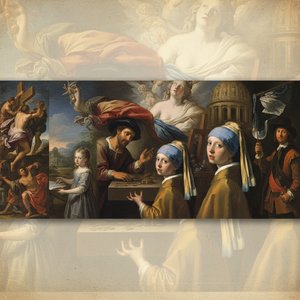
화려함 속에 감춰진 진실! 바로크 미술을 정의한 10대 걸작 탐구
화려함과 극적인 표현이 압권! 바로크 미술을 대표하는 10대 걸작의 숨겨진 이야기를 만나보세요. 베르니니, 루벤스 등 거장의 작품부터 바로크 색감, 예술적 기법까지 – TopImpressionists.com에서 명품 복제 & 인테리어 영감을 얻으세요! 지금 바로 컬렉션을 탐험해보세요.

Dutch Baroque Masters: 10 Paintings That Shaped an Era | TopImpressionists
Journey through the Golden Age with our guide to the Top 10 Dutch Baroque masterpieces! Explore iconic paintings by Rembrandt, Vermeer & Frans Hals. Find museum-quality art reproductions and elevate your home decor at TopImpressionists.com.