미리보기
미리보기
 공유하기
공유하기 공유하기
공유하기
 상세 정보
상세 정보 가이드 보기

 다운로드
다운로드
 유사 작품 더 보기
 X-레이
X-레이 슬라이드 쇼 보기
 질의응답
질의응답 통계 정보
통계 정보Paradise (detail)


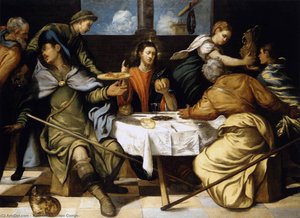
Explore Jacopo Tintoretto's masterful depiction of Paradise Lost in detail – a monumental mural brimming with vibrant figures and dramatic lighting, capturing the essence of biblical storytelling.
 더 보기
더 보기
틴토레토(1518-1594), 베네치아 르네상스를 대표하는 거장! 극적인 구성과 역동적인 빛의 사용이 특징이며, '성 마르코의 기적' 등 걸작들을 통해 종교화와 역사화를 혁신했습니다. 바로크 미술에 큰 영향을 미친 천재 화가입니다.
지클레 / 아트 프린트
빠른 제작과 다양한 마감 옵션을 제공하는 박물관 수준의 지클레이 및 캔버스 프린트. ( 수작업 채색 복제본 주문하기 디지털 이미지로 전환)




P118B ₩10

P118H ₩10

P118W ₩10

P438Z ₩10

P508JH ₩12

P508YH ₩12

P805H ₩10

P805Z ₩10

P919BZ ₩10

P919G ₩10

P919XJ ₩10

P959ZH ₩10

P968JZ ₩12

W106C ₩8

W218G ₩10

W218JH ₩8

W218Y ₩10

W307PJ ₩10

W316G ₩10

W316PJ ₩8

W316Y ₩10

W398PJ ₩8

W4111J ₩10

W500HY ₩15

W500JH ₩15

W692G ₩12

W849H ₩8

W940BG ₩15

W953PJ ₩8




표준 규격
맞춤형
CM
INCH
작품의 원본 비율을 그대로 유지하는 프리셋 사이즈 중에서 선택해 보세요.
Loading sizes...

가로 너비
세로 길이
액자나 벽면 크기에 맞춰 필요한 가로와 세로 길이를 입력해 주세요. 프린트는 원본 이미지보다 크게 제작할 수 없으며 오직 자르는 것만 가능하므로, 비율이 다른 사이즈를 선택할 경우 이미지의 일부가 잘려 나갈 수 있습니다. 인쇄 작업에 들어가기 전, 최종 확인을 위해 디지털 목업을 보내드립니다. 이 페이지에 표시된 이미지는 실제 잘리는 영역을 나타내지 않으며, 오직 목업을 통해서만 정확한 확인이 가능합니다.


 유리 옵션은 110cm 미만 크기에서만 선택 가능합니다.

Paradise (detail)
지클레 / 아트 프린트
복제본 크기
-


최종 결제 금액
₩ 93712
A Dramatic Vision of Paradise Lost: Exploring Tintoretto’s ‘Paradise (detail)’
Jacopo Robusti, better known as Tintoretto, stands apart from his Venetian contemporaries – a titan of chiaroscuro whose canvases pulsate with an almost unsettling dynamism. Unlike many artists of his era who meticulously adhered to established conventions, Tintoretto forged his own path, prioritizing visceral emotion and theatrical spectacle above all else. His unconventional apprenticeship under Titian yielded little satisfaction, fostering instead a rebellious spirit that propelled him toward independent exploration and unparalleled artistic innovation. This restless curiosity drove him to dissect human anatomy with meticulous precision, informing his depictions of figures with breathtaking realism – a departure from the idealized forms favored by Renaissance masters.- Subject Matter: Tintoretto’s monumental mural ‘Paradise Lost,’ commissioned for Palazzo Grimani in Venice, recounts Milton's epic poem with dramatic fervor. The scene captures the immediate aftermath of Satan’s rebellion against God, portraying a chaotic tableau of angels and demons engaged in mortal combat.
- Style: Characterized by Tintoretto’s signature style—a masterful manipulation of light and shadow—the painting embodies the Baroque aesthetic. He employs dramatic lighting to heighten emotional intensity, creating an atmosphere of palpable tension and conveying a profound sense of spiritual struggle.
- Symbolism: Recurring motifs within the painting – including angelic wings, fiery serpents, and tormented faces – resonate with biblical symbolism. These elements underscore the overarching narrative of good versus evil and highlight the profound consequences of disobedience.
- Emotional Impact: Tintoretto’s masterful composition evokes a visceral response in the viewer, capturing the terror and despair experienced by Lucifer and his fallen angels. Simultaneously, it conveys the unwavering faith and resilience of God's messengers—a testament to Tintoretto’s ability to communicate complex theological ideas through compelling visual imagery.
질의응답
"Paradise (detail)"은(는) 틴토레토의 예술적 발전 단계 중 어느 시기를 나타냅니까?
"Paradise (detail)"은(는) 틴토레토의 Mature Period를 잘 보여주는 작품입니다.
"Paradise (detail)" 프린트의 권장 용도는 무엇인가요?
틴토레토의 "Paradise (detail)"의 복제본은 Statement에 활용하시기에 좋습니다. 이는 작품의 주제와 분위기, 그리고 색감을 고려한 제안입니다.
틴토레토의 "Paradise (detail)"의 방문객 분포는 어떻게 되나요?
틴토레토의 "Paradise (detail)"의 방문 통계 페이지에서는 해당 작품의 월간 방문 수, 작가의 최고 조회 작품과의 비교, 그리고 방문자 유입 경로 등 공개된 방문 통계를 제공합니다.
작가 정보
야곱 티친토레토: 빛과 드라마의 베네치아 거장
야곱 티친토레토(Jacopo Tintoretto, 1518년경 – 1594년)는 르네상스 후기와 초기 바로크 시대를 대표하는 베네치아 화가입니다. 그의 별칭 “티친토레토”는 아버지의 직업인 염색공(tintore)에서 유래했지만, 그를 다른 모든 예술가들과 차별화시키는 엄청난 예술적 재능을 드러냅니다. 많은 예술가들이 체계적인 도제 교육 혜택을 받았던 것과 달리 티친토레토의 길은 주로 자발적으로 이루어졌으며, 끊임없는 호기심과 혁신에 대한 열망으로 이끌렸습니다. 베네치아 색채주의의 거장이었던 티치아노(Titian) 밑에서 잠시 교육을 받았다는 기록이 있지만, 그 경험은 논쟁적이었던 것 같습니다. 티친토레토는 독립적인 길을 택했고, 대담한 실험과 독특한 스타일로 특징지어지는 경력을 쌓았습니다. 그는 해부학 연구에 몰두하며 시체를 통해 학습하고 조각과 다른 거장들의 작품을 꼼꼼하게 모방하면서 기술을 연마했습니다. 이러한 헌신은 그의 모든 것을 재정의할 경력의 토대를 마련했습니다.일 푸로소(Il Furioso): 격렬한 예술혼
티친토레토의 예술적 발전은 거의 열광적인 에너지, 즉 “일 푸로소”(Il Furioso) – “격렬한 자”라는 별칭을 얻게 할 정도로 특징지어졌습니다. 이 별명은 단순히 그의 작업 속도를 묘사하는 것이 아니라 그의 캔버스에 스며든 강렬함과 감정적 충만함을 포착했습니다. 그의 초기 작품들은 이미 전통적인 베네치아 관습에서 벗어나는 것을 암시했습니다. 티치아노의 색채에 대한 영향을 인정하면서도 티친토레토는 미켈란젤로의 강력한 인물과 극적인 구성을 향해 나아갔습니다. 그는 이러한 영향들을 완전히 새로운 것으로 종합했습니다: 길쭉한 형태, 소용돌이치는 드레이프, 종종 현기증 나는 깊이와 움직임을 만들어내는 혁신적인 원근법 사용으로 특징지어지는 스타일입니다. 그는 동시대인들이 선호했던 세밀한 마무리를 포기하고 즉각성과 날것의 감정을 전달하는 빠른 스케치 같은 붓놀림을 선택했습니다. 이러한 기술과 함께 *키아로스쿠로(chiaroscuro)*라고 불리는 빛과 그림자의 능숙한 조작은 비할 데 없는 드라마와 심리적 강렬함으로 가득 찬 장면을 만들 수 있게 했습니다. 그는 단순히 사건을 묘사하는 것이 아니라 그 사건의 감정적 핵심을 전달했습니다.산 로코(San Rocco)와 그 이상의 기념비적인 업적
티친토레토의 엄청난 작품 활동은 수십 년에 걸쳐 이루어졌으며, 종교적 내러티브, 역사적 비유 및 초상화를 포함합니다. 그러나 그의 가장 중요한 성과는 산 로코 수도회에 그림을 그려 넣으면서 이루어졌습니다. 티친토레토는 50년이 넘는 기간 동안 산 로코 수도회의 홀을 60개가 넘는 캔버스로 장식하며 믿음과 인간 경험에 대한 놀라운 시각적 증거를 만들었습니다. 그의 작품은 종종 “마지막 만찬”과 같이 생애 후반에 완성된 작품에서 원근법과 구성을 실험하는 지속적인 모습을 보여줍니다. 전통적인 묘사와는 달리 티친토레토는 극적으로 조명되고 건축학적으로 불안정한 공간에 장면을 배치하여 제자들과 함께 마지막 식사를 하는 그리스도의 감정적 혼란을 강조했습니다. “노예를 해방한 성 마르코의 기적”은 역동적인 구도와 굴절법의 강력한 표현이며, 베네치아 교회와 궁전에 그려진 수많은 작품들은 그의 규모와 내러티브 스토리텔링에 대한 숙달을 보여줍니다. 이러한 기념비적인 프로젝트는 티친토레토를 베네치아에서 가장 중요한 예술가 중 한 명으로 확고히 했습니다.유산과 역사적 중요성
야곱 티친토레토는 1594년 베네치아에서 사망하여 광범위하고 영향력 있는 작품을 남겼습니다. 그는 르네상스와 바로크 시기 사이의 간극을 메웠으며, 후기에 정의될 스타일 혁신의 많은 것을 예상했습니다. 그의 극적인 구도, 표현력이 풍부한 붓놀림, 빛과 그림자의 혁신적인 사용은 카라바조(Caravaggio), 렘브란트(Rembrandt), 들라크루아(Delacroix)와 같은 예술가들에게 깊은 영향을 미쳤습니다. 그는 단순히 화가가 아니었습니다. 그는 감정을 불러일으키고 경외심을 불러일으킬 수 있는 예술의 힘을 활용하는 시각 스토리텔러였습니다. 티치아노, 파올로 베로네세와 함께 16세기 베네치아 미술계의 세 거장 중 한 명으로서 티친토레토는 그의 시대의 종교적 열정과 정치적 긴장뿐만 아니라 오늘날까지 관객들에게 공감을 불러일으키는 독특한 비전을 반영하여 역사의 가장 중요하고 매혹적인 예술가 중 한 명으로 자리 잡았습니다. 그의 유산은 예술적 혁신의 지속적인 힘과 인간 창의성의 변화시키는 잠재력에 대한 증거입니다.
틴토레토
1518 - 1594 , 이탈리아
작가 정보 요약
- 국적: 이탈리아인
- 사망일: 1594년 5월 31일
- 영향을 받은 예술가/사조:
- 카라바조
- 바로크 거장
- 영향을 준 예술가:
- 티치아노
- 미켈란젤로
- 예술 사조: 르네상스, 매너리즘
- 전체 이름: 자코모 틴토레토
- 주요 작품:
- 성 마르코의 기적
- 최후의 만찬
- 성모 승천
- 출생일: 1518년 9월 말 또는 10월 초
- 출생지: 베네치아, 이탈리아
관련 콘텐츠

Chiaroscuro & Emotion: Capturing the Dramatic Soul of Baroque Art
Explore the profound drama of Baroque art. Discover how masters used chiaroscuro and intense emotion to capture the soul of the 17th century through light, shadow, and spiritual grandeur in this expert art history guide.

Drama and Light: Discover the Captivating Grandeur of Baroque Art
Immerse yourself in the dramatic splendor of Baroque art. Explore the profound impact of light, shadow, and the Counter-Reformation through an expert historical lens, celebrating the masters who defined an era of unparalleled grandeur and emotional intensity.
테마, 스타일, 특징별로 분류된 작품들을 만나보세요.