


 미리보기
미리보기
 공유하기
공유하기 공유하기
공유하기
 상세 정보
상세 정보 가이드 보기

 다운로드
다운로드
 유사 작품
유사 작품 X-레이
X-레이 슬라이드 쇼
 통계 정보
통계 정보sorrow

Experience 'Sorrow,' a poignant black & white masterpiece by Jacques-Louis David. Explore this iconic Neoclassical painting's dramatic beauty & historical significance.
 더 보기
더 보기
Jacques-Louis David는 프랑스 로코코 시대의 화려함과 대비되는 고전적 엄격함과 질서를 구현하며 네오클래식 미술의 선구자로 자리매김했습니다. 그의 대표작인 ‘호라티우스의 서약’, 마르 뒤카스와 나폴레옹 크로스 오버스는 프랑스 혁명 정신과 영웅적인 이미지를 담아낸 작품들입니다. 이 화가는 예술가로서 역사적 의미를 지닌 작품들을 통해 후대에 영감을 불어넣었습니다.
지클레 / 아트 프린트
빠른 제작과 다양한 마감 옵션을 제공하는 박물관 품질의 지클레이 또는 캔버스 프린트. ( 손으로 그린 그림 구매 디지털 이미지로 전환)




P118B $10

P118H $10

P118W $10

P438Z $10

P508JH $12

P508YH $12

P805H $10

P805Z $10

P919BZ $10

P919G $10

P919XJ $10

P959ZH $10

P968JZ $12

W106C $8

W218G $10

W218JH $8

W218Y $10

W307PJ $10

W316G $10

W316PJ $8

W316Y $10

W398PJ $8

W4111J $10

W500HY $15

W500JH $15

W692G $12

W849H $8

W940BG $15

W953PJ $8




표준 규격
맞춤형
CM
INCH
작품의 원본 비율을 유지하는 미리 설정된 크기 중에서 선택하세요.
Loading sizes...

가로 너비
세로 길이
특정 프레임이나 공간에 맞춰 직접 치수를 입력하실 수 있습니다. 선택하신 사이즈가 원본 이미지의 비율과 일치하지 않을 경우, 작품을 크롭(자르기)하거나 이미지를 대칭 또는 단색 채우기로 확장하여 제작합니다. 제작 시작 전, 최종 확인을 위해 디지털 목업이 전송됩니다.
화면상의 미리보기는 실제 크롭이나 확장 상태를 반영하지 않으므로, 최종 구도는 오직 목업을 통해서만 정확하게 확인하실 수 있습니다.
맞춤 사이즈 제작도 가능하지만, 원본 비율을 유지하기 위해서는 사전 정의된 목록에서 치수를 선택하시는 것을 권장합니다.


 유리 옵션은 110cm 미만 크기에서만 선택 가능합니다.

sorrow
지클레 / 아트 프린트
복제본 크기
-


최종 결제 금액
$ 69
A Portrait of Inner Turmoil: Jacques-Louis David’s *Sorrow*
Jacques-Louis David's Sorrow is a deeply affecting work that transcends simple portraiture, offering instead a poignant study of human emotion rendered with the meticulous precision characteristic of Neoclassical art. Created sometime during his prolific career (1748-1825), this black and white painting exemplifies David’s ability to distill complex psychological states into strikingly visual form.
Subject & Composition
The composition centers on a solitary female figure, her head adorned with a delicate wreath of leaves. Her long, flowing hair frames a face cast downward in what appears to be profound contemplation – or perhaps grief. David’s masterful use of chiaroscuro—the dramatic interplay of light and shadow—heightens the emotional intensity, drawing the viewer's eye to her expressive features. The figure occupies a significant portion of the canvas, creating an intimate connection with the observer. While the background is subtly rendered, it provides depth and context without distracting from the central subject.
Style & Technique
Sorrow embodies the hallmarks of Neoclassicism: a commitment to clarity, order, and idealized form. David’s technique is characterized by precise draftsmanship and meticulous attention to detail, reflecting his rigorous academic training. The stark contrast between light and shadow not only emphasizes the woman's emotional state but also showcases David’s technical prowess. The painting’s monochromatic palette further contributes to its somber mood and timeless quality.
Historical Context & Artistic Influences
David was a pivotal figure during a period of immense social and political upheaval in France, initially gaining prominence before the French Revolution and later becoming deeply involved with its ideals. While Sorrow doesn’t directly depict revolutionary events, it reflects the era's shift towards seriousness, moral virtue, and emotional intensity – qualities central to Neoclassical art. David drew inspiration from classical antiquity, believing it offered a model for artistic excellence and civic responsibility. However, this work subtly anticipates the emerging Romantic sensibilities of the following decades with its focus on subjective experience and intense feeling.
Symbolism & Interpretation
The symbolism within Sorrow is both subtle and evocative. The wreath of leaves suggests a connection to nature, perhaps representing fleeting beauty or the cyclical nature of life and death. It also alludes to classical iconography, linking the figure to ancient ideals of mourning and remembrance. Is this sorrow born of personal loss? Is it a broader reflection on the anxieties of the age? David intentionally leaves these questions open-ended, inviting viewers to project their own emotions onto the figure and contemplate the universal experience of sadness.
Emotional Impact & Interior Design
The painting’s power lies in its ambiguity and emotional resonance. It evokes a sense of quiet contemplation and invites empathy from the viewer. Its subdued palette and introspective mood make it a compelling addition to various interior settings:
- Study or Library: Its contemplative nature complements spaces dedicated to thought and reflection.
- Dining Room: The dramatic lighting and classical elements add sophistication and intrigue.
- Hallway or Entryway: A striking focal point that invites conversation and contemplation.
To best showcase Sorrow, consider a neutral wall color – soft greys, warm off-whites, or muted blues will allow the black and white composition to stand out. Subtle lighting focused on the artwork will enhance its dramatic effect. Framing in a simple, elegant style—perhaps matte black, aged gold, or natural wood—will complement the Neoclassical aesthetic without overwhelming the piece.
Sorrow is more than just a painting; it’s a window into the human condition – a timeless exploration of grief, contemplation, and the enduring power of emotion.
작가 약력
혁명의 화가, 영웅의 기록: 자크 루이 다비드
자크 루이 다비드는 1748년 파리에서 태어나 프랑스 혁명과 나폴레옹 시대라는 격동적인 시대를 관통하며 예술사에 깊은 발자취를 남긴 화가입니다. 그의 삶은 끊임없이 변화하는 정치적 풍경을 반영하며, 로코코의 경박함에서 신고전주의의 엄격함으로, 그리고 혁명의 열정 속에서 제국의 번영을 거쳐 다시 망명이라는 고독까지 이어지는 드라마틱한 여정을 보여줍니다. 어린 시절 아버지의 부재와 발음 장애라는 어려움에도 불구하고, 그는 뛰어난 관찰력과 예술에 대한 헌신적인 노력으로 역경을 극복하고 자신만의 독특한 스타일을 구축해 나갔습니다. 초기에는 프랑수아 Boucher에게 영향을 받았지만, 곧 조제프 마리 비앙의 역사화와 고전주의적 주제에 매료되어 자신의 예술적 방향을 확립했습니다. 로마에서 얻은 영감과 고대 유적에 대한 탐구는 그의 작품에 신고전주의적 특징을 부여하는 결정적인 계기가 되었습니다.고전주의 드라마의 탄생: ‘호라티우스 형제들의 맹세’
다비드의 예술적 진화는 단순한 스타일 변화를 넘어선 철학적 선언이었습니다. 그는 로코코 미술의 경박하고 장식적인 요소를 거부하고, 고대 그리스와 로마 문명의 엄격함과 질서, 그리고 도덕적 진지함을 추구했습니다. 1784년 발표된 ‘호라티우스 형제들의 맹세’는 그의 예술적 전환점을 보여주는 기념비적인 작품입니다. 이 그림은 단순한 장면 묘사를 넘어 공화주의적 가치와 애국심의 희생을 상징하는 표상이 되었습니다. 강렬한 대비, 극적인 조명, 그리고 정확한 드로잉 기법은 이전 시대의 미술과는 확연히 구분되는 혁신적이면서도 강력한 메시지를 전달했습니다. 이는 단순히 새로운 스타일의 출현이 아니라, 프랑스 사회 전체에 변화를 예고하는 신호탄과 같았습니다.혁명의 기록: 예술을 통한 정치적 선동
프랑스 혁명이 발발하면서 다비드는 단순한 관찰자를 넘어 적극적인 참여자가 되었습니다. 막시밀리앙 로베스피에르와 긴밀하게 교류하며 혁명 이상을 대중에게 전파하고 영원히 기념하기 위해 예술의 힘을 활용했습니다. ‘마라의 죽음’(1793)은 혁명기의 가장 상징적인 작품 중 하나로, 암살당한 저널리스트 마라를 종교적 성인처럼 묘사하여 혁명의 순교자를 기리고 대중의 열기를 고조시켰습니다. 그는 공안위원회에서 활동하며 예술을 통해 정치적 메시지를 적극적으로 전파했고, 이는 그의 작품에 강렬한 감정적 힘과 사회적 의미를 부여했습니다.제국 시대: 나폴레옹을 위한 영웅적인 묘사
로베스피에르의 몰락 이후 다비드는 놀라운 적응력을 발휘하여 새로운 정치 체제, 즉 나폴레옹 보나파르트의 통치 하에서 그의 궁정 화가가 되었습니다. 이 시기 그는 나폴레옹의 승리와 업적을 찬양하는 대규모 작품들을 제작하며 제국의 위엄과 영광을 표현했습니다. ‘알프스를 건너는 나폴레옹’(1801-1805)은 나폴레옹을 자연과 역경을 극복하는 영웅적인 존재로 묘사한 대표작입니다. ‘나폴레옹의 대관식’(1807) 역시 그의 예술적 능력을 보여주는 걸작으로, 제국의 화려함과 권위를 생생하게 담아냈습니다. 이 시기 다비드의 팔레트는 따뜻한 베네치아 색조를 사용하여 더욱 풍부하고 섬세한 표현을 가능하게 했습니다.망명과 유산: 프랑스 미술에 드리운 그림자
1814년 보르봉 왕가의 복귀는 다비드에게 새로운 위협을 가져왔고, 나폴레옹과의 연관성은 그를 박해의 대상이 되게 만들었습니다. 그는 1816년 브뤼셀로 망명하여 생을 마감할 때까지 그림을 그리고 가르치는 활동을 이어갔습니다. 그의 영향력은 망명 후에도 지속되었으며, 장 오귀스트 도미니크 앵그르를 비롯한 수많은 제자들을 양성하며 프랑스 미술에 지대한 영향을 미쳤습니다. 다비드의 엄격한 드로잉 기법과 구도, 그리고 역사적 정확성에 대한 강조는 이후 세대의 화가들에게 깊은 영감을 주었습니다. 그의 작품은 단순한 모방을 넘어 앙리 마티스와 파블로 피카소와 같은 후기 인상주의 및 입체주의 화가들에게까지 영향을 미치며 현대 미술의 발전에 기여했습니다. 자크 루이 다비드는 단순히 자신의 시대를 살아간 화가가 아니라, 혁명의 정신과 영웅적인 이상을 캔버스 위에 구현하며 프랑스 미술사에 길이 남을 업적을 이룬 거장이었습니다.- 주요 업적: 프랑스 회화에서 신고전주의를 지배적인 스타일로 확립했습니다.
- 역사적 의의: 프랑스 혁명과 나폴레옹 시대를 관통하는 상징적인 이미지를 창조했습니다.
- 영향: 그의 유산을 이어받은 영향력 있는 예술가들을 양성했습니다.

자크 루이 다비드
1748 - 1800 , 프랑스
주요 정보
- 국적: 프랑스인
- 대표 작품:
- 호라티우스 형제의 맹세
- 마라의 죽음
- 알프스를 건너는 나폴레옹
- 사망일: 1825년 12월 29일
- 영향을 받은 예술가:
- 장 오귀스트 도미니크 앵그르
- 앙리 마티스
- 파블로 피카소
- 영향을 준 예술가:
- 조제프 마리 비앙
- 라파엘로 멩스
- 예술 사조: 신고전주의
- 전체 이름: 자크 루이 다비드
- 출생일: 1748년 8월 30일
- 출생지: 파리, 프랑스
관련 기사 더 보기

Timeless Elegance: The Grace, Order, and Intellectual Majesty of Neoclassical Portraiture
Explore the profound beauty of Neoclassical portraiture. Discover how masters used order, grace, and antiquity to transform portraits into timeless monuments of virtue and character through academic excellence.
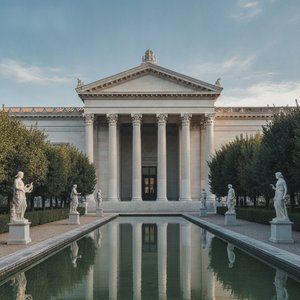
Neoclassicism Unveiled: Discovering the Timeless Elegance and Rational Order of Classical Art
Unveil the timeless elegance of Neoclassicism. Journey through an era defined by reason, order, and the revival of Greco-Roman ideals. Our expert exploration offers a sophisticated look at the transition from Rococo excess to classical precision for the true art enthusiast.
테마, 스타일 및 특징별로 분류된 작품들을 만나보세요.


