

 보내기
보내기 공유하기
공유하기
 상세 보기
상세 보기 가이드 보기

 이미지 다운로드
 유사 작품 더 보기
 슬라이드 쇼 보기
 Q&A
Q&A 통계 정보
통계 정보페acock Room


 상세 보기
상세 보기
지클레 / 아트 프린트
빠른 제작과 다양한 마감 옵션을 선택할 수 있는 박물관 수준의 지클레이 및 캔버스 프린트. ( 수작업 채색 복제본 주문하기 디지털 이미지 판매 채널로 전환)




































표준 규격
맞춤 제작
CM
INCH
작품의 원본 비율을 그대로 유지하는 프리셋 사이즈 중에서 선택해 보세요.
Loading sizes...

가로 너비
높이
액자나 벽면 크기에 맞춰 필요한 가로와 세로 길이를 입력해 주세요. 프린트는 원본 이미지보다 크게 제작할 수 없으며 오직 자르는 것만 가능하므로, 비율이 다른 사이즈를 선택할 경우 이미지의 일부가 잘려 나갈 수 있습니다. 인쇄 작업에 들어가기 전, 최종 확인을 위해 디지털 목업을 보내드립니다. 이 페이지에 표시된 이미지는 실제 잘리는 영역을 나타내지 않으며, 오직 목업을 통해서만 정확한 확인이 가능합니다.


 유리 옵션은 110cm 미만 크기에서만 선택 가능합니다.

페acock Room
지클레 / 아트 프린트
복제본 규격
-


총 결제 금액
₩ 93054
A Symphony of Aestheticism: The Peacock Room
The Peacock Room, a breathtaking feat of interior design, transcends the boundaries between painting and architecture. Originally conceived as a dining room for shipping magnate Frederick R. Leyland, it was dramatically transformed by James Abbott McNeill Whistler after he was commissioned to add a mural. What began as a project showcasing Leyland’s collection of Chinese porcelain evolved into a holistic *Gesamtkunstwerk* – a total work of art – where every surface contributes to an immersive aesthetic experience. The room embodies the principles of Aestheticism, prioritizing beauty and artistic form over narrative content or moralizing themes, and showcases Whistler’s mastery of Tonalism, emphasizing atmospheric effects and subtle harmonies of color.The Narrative Within the Decoration
At the heart of the room lies the iconic mural depicting two battling peacocks. While seemingly a decorative flourish, this scene is widely interpreted as a visual representation of the fraught relationship between Whistler and Leyland. The fiercely contesting birds symbolize their artistic disagreements and escalating tensions during the project’s execution. Beyond this personal narrative, the peacock itself carries rich symbolism. In Eastern cultures, it represents beauty, royalty, and immortality; however, its display of plumage can also signify vanity and pride – layers of meaning that add depth to the room's overall impact. The intricate gold leaf detailing throughout—covering walls, doors, and even furniture—creates a shimmering, opulent atmosphere reminiscent of Byzantine mosaics or illuminated manuscripts. This lavish use of gold elevates the space beyond mere decoration, transforming it into a sanctuary dedicated to artistic beauty.Technique and Materials: A Masterclass in Craftsmanship
Whistler’s intervention wasn't limited to painting; he meticulously oversaw every aspect of the room’s redesign. He replaced Thomas Jeckyll’s original, more restrained aesthetic with a bolder vision. The walls are adorned with painted peacock feathers and delicate floral motifs, complemented by deep teal leather paneling. The extensive use of gold leaf was applied using traditional techniques, requiring immense skill and patience. The arrangement of Leyland's blue-and-white Chinese porcelain—a collection Whistler initially sought to complement but ultimately dominated—was carefully considered to enhance the room’s overall harmony. This interplay between painting, architectural elements, and decorative arts demonstrates Whistler’s innovative approach to interior design, blurring the lines between disciplines and establishing a new standard for artistic integration.A Lasting Legacy: Influence and Emotional Resonance
Today, housed in the Freer Gallery of Art in Washington D.C., the Peacock Room continues to captivate visitors with its immersive beauty and complex history. It stands as a pivotal example of late 19th-century interior design and a testament to Whistler’s artistic vision. The room evokes a sense of luxurious tranquility, inviting contemplation and appreciation for refined aesthetics. Its influence can be seen in contemporary interiors that prioritize atmosphere, color harmony, and the integration of art and design. More than just a beautiful space, the Peacock Room is an emotional experience—a journey into a world where beauty reigns supreme and artistic expression knows no bounds.질의응답
제임스 애벗 맥닐 휘슬러의 "페acock Room"의 정서적 분위기는 어떠한가요?
"페acock Room"은(는) 사색적인 느낌을 전달합니다. 이 정서적 톤은 작품이 주는 인상을 설명합니다.
제임스 애벗 맥닐 휘슬러의 "페acock Room"은 어느 시대에 제작되었나요?
제임스 애벗 맥닐 휘슬러의 "페acock Room"의 역사적 시기는 19세기 미술입니다. 이러한 분류는 미술사적 맥락에서 해당 작품의 위치를 정의합니다.
"페acock Room"은(는) 어떤 화풍에 속하나요?
제임스 애벗 맥닐 휘슬러의 "페acock Room"과(와) 관련된 미술 사조는 미학주의입니다. 이러한 분류를 통해 해당 작품을 관련 작가 및 예술 작품들과 함께 파악할 수 있습니다.


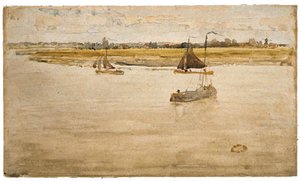

작가 소개
제임스 애벗 맥닐 위슬러: 아름다움을 향한 고독한 여정
제임스 애벗 맥닐 위슬러(James Abbott McNeill Whistler, 1834-1903)는 미국 태생으로 영국에서 주로 활동하며, 19세기 미술계에 깊은 흔적을 남긴 화가이자 판화가입니다. 그는 단순한 재현을 거부하고 ‘예술은 예술을 위해 존재한다’라는 미학주의를 옹호하며, 당시의 도덕적이고 사회적인 메시지를 담은 그림들에 대한 반발로 등장했습니다. 위슬러는 끊임없이 변화하는 환경 속에서 자신의 예술 세계를 구축해 나갔으며, 그의 삶과 작품은 아름다움을 향한 고독하고도 열정적인 여정을 보여줍니다. 어린 시절, 그는 미국 로웰에서 태어나 아버지의 직책으로 인해 러시아 상트페테르부르크로 이주하며 그림에 대한 재능을 일찍 발견했습니다. 서부군사학교에서의 짧은 군 생활과 지질조사 업무는 그의 예술적 열정을 꺾지 못했고, 결국 그는 파리로 건너가 세바스티앙 부레에게 그림 기법을 연마하며 본격적인 화가의 길을 걷게 됩니다.파리에서의 성장과 독창적인 스타일의 탄생
1850년대 파리는 다양한 예술 사조가 공존하는 역동적인 도시였습니다. 위슬러는 이곳에서 프랑스 사실주의와 바비종파 화가들의 영향을 받았지만, 단순한 모방에 머무르지 않고 자신만의 독특한 스타일을 구축해 나갔습니다. 그는 색채의 대비보다는 섬세한 명암과 분위기를 중시하며, 빛과 그림자의 조화를 통해 화면 전체에 몽환적인 느낌을 부여했습니다. 이러한 그의 시도는 곧 ‘톤(tone)’이라는 새로운 화풍으로 발전되었고, 이는 위슬러를 대표하는 특징이 되었습니다. 그는 자연을 있는 그대로 재현하기보다는 순간의 감정과 인상을 포착하여 그림 속에 담아내고자 했습니다. 특히, 템스 강변의 풍경을 소재로 한 ‘노크턴(Nocturne)’ 연작은 그의 독창적인 예술 세계를 가장 잘 보여주는 작품들입니다. 노크턴은 밤의 정적과 고요함을 표현하며, 음악에서 영감을 받은 조화로운 색채와 섬세한 붓질이 돋보입니다.‘예술은 예술을 위해’ : 미학주의 선언과 논쟁
위슬러는 자신의 작품에 ‘어레인지먼트(Arrangement)’라는 제목을 붙이며, 그림을 단순히 보이는 것을 재현하는 것이 아니라 색채와 형태의 조화로운 구성이라는 점을 강조했습니다. 이러한 그의 예술관은 당시 미술계에 큰 파장을 일으켰습니다. 특히, 그는 1878년 존 러스킨과의 명예훼손 소송에서 승소했지만, 막대한 변호사 비용으로 인해 경제적인 어려움을 겪게 됩니다. 이 사건은 위슬러를 더욱 대중의 시선으로부터 멀어지게 만들었지만, 동시에 그의 예술적 신념을 더욱 확고하게 다지는 계기가 되었습니다. 그는 ‘예술은 예술을 위해 존재한다’라는 미학주의를 옹호하며, 그림에 도덕적인 의미나 사회적인 메시지를 담는 것을 거부했습니다. 이러한 그의 태도는 당시 미술계의 주류였던 사실주의와 강렬한 대조를 이루었지만, 이후 현대 미술 발전에 큰 영향을 미쳤습니다.영향과 유산: 현대미술의 선구자
위슬러는 일본 판화(우키요에)로부터 많은 영감을 얻어 그의 작품에 동양적인 요소들을 적극적으로 활용했습니다. 간결하고 절제된 구도, 평면적인 표현 방식, 그리고 독특한 색채 감각은 그의 그림에 새로운 활력을 불어넣었습니다. 또한, 그는 초상화에서도 전통적인 재현 방식을 벗어나 모델의 개성보다는 화면 전체의 조형적인 아름다움을 추구했습니다. 대표작인 ‘회색과 흑인의 배치 제1번 (위슬러의 어머니)’는 그의 이러한 예술관을 잘 보여주는 작품입니다. 이 그림은 단순한 가족 초상화를 넘어, 색채와 형태의 조화로운 구성으로 이루어진 걸작으로 평가받고 있습니다. 위슬러는 생전에 많은 논쟁과 비판에 직면했지만, 그의 독창적인 예술 세계는 후대 화가들에게 큰 영향을 미쳤습니다. 그는 현대 미술의 선구자로서, 형식주의와 추상미술 발전에 중요한 역할을 담당했으며, 오늘날까지도 그의 작품은 전 세계적으로 사랑받고 있습니다.- 주요 작품: 더 포지(The Forge), 찰스 랭 프리어의 초상화, 갈색과 금빛: 코니 길크리스트, 회색과 흑인의 배치 제1번 (위슬러의 어머니), 노크턴: 떨어지는 로켓.
- 영향을 받은 예술가: 벨라스케스.

제임스 애벗 맥닐 휘슬러
1834 - 1903 , 미국
작가 정보 요약
- Artistic Movement Or Style: 환상주의, 미학주의
- Artists Or Movements Influenced By This Artist:
- 미학 운동
- 근대 미술
- Artists Who Influenced This Artist:
- 벨라스케스
- 일본 판화
- Date Of Birth: 1834년 7월 10일
- Date Of Death: 1903년 7월 17일
- Full Name: 제임스 애벗 맥닐 위슬러
- Nationality: 미국 국적
- Notable Artworks:
- 회색과 흑의 배열 제1번(위슬러의 어머니)
- 검정과 금빛의 야경 - 떨어지는 로켓
- 단조로운 화로
- 孔雀室
- Place Of Birth (City And Country): 미국 로웰
관련 기사

Geek-Chic Interiors: The Definitive Guide to Decorating with Sophisticated Pop Culture Art
Elevate your home with our expert guide to Geek-Chic interiors. Discover how to seamlessly integrate sophisticated pop culture art and hand-painted masterpieces into luxury decor for a refined, modern aesthetic.


