


 미리보기
미리보기
 공유하기
공유하기 공유하기
공유하기
 상세 정보
상세 정보 가이드 보기

 다운로드
다운로드
 유사 작품
유사 작품 X-레이
X-레이 슬라이드 쇼
 통계 정보
통계 정보The Shop - An Exterior


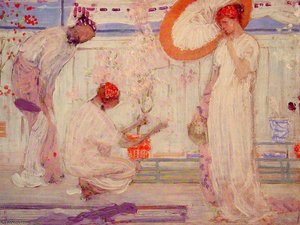
James Abbott McNeill Whistler's "The Shop - An Exterior" (1883) captures a bustling city street scene with figures and details, reflecting his aestheticism and tonal realism. Explore this iconic watercolor.
 더 보기
더 보기
James Abbott McNeill Whistler는 기하학적 색채 조화와 분위기를 담아낸 독특한 스타일로 유명하며, 특히 ‘모더스 어머니’ 그림과 야경 작품은 빅토리아 시대 예술의 상징입니다.
수제 유화 복제품
원하는 크기와 액자로 주문 제작되는, 작가들이 직접 캔버스에 손으로 그린 유화 작품입니다. ( 프린트 판매로 전환 디지털 이미지로 전환)




P118B $10

P118H $10

P118W $10

P438Z $10

P508JH $12

P508YH $12

P805H $10

P805Z $10

P919BZ $10

P919G $10

P919XJ $10

P959ZH $10

P968JZ $12

W106C $8

W218G $10

W218JH $8

W218Y $10

W307PJ $10

W316G $10

W316PJ $8

W316Y $10

W398PJ $8

W4111J $10

W500HY $15

W500JH $15

W692G $12

W849H $8

W940BG $15

W953PJ $8




표준 규격
맞춤형
CM
INCH
작품의 원본 비율을 유지하는 미리 설정된 크기 중에서 선택하세요.
Loading sizes...

가로 너비
세로 길이
특정 프레임이나 공간에 맞도록 직접 크기를 입력할 수 있습니다. 선택하신 크기가 원본 이미지의 비율과 일치하지 않는 경우, 작품을 자르거나 추가적인 손으로 그린 요소를 사용하여 그림을 확장합니다. 제작 시작 전 승인을 위해 디지털 목업을 보내드립니다.
화면 미리 보기는 실제 자르기 또는 확장을 반영하지 않습니다. 최종 구성은 목업을 통해서만 정확하게 확인하실 수 있습니다.
맞춤 크기 제작도 가능하지만, 원본 비율을 유지하기 위해 사전 정의된 목록에서 크기를 선택하시는 것을 권장합니다.
변경 가능한 예시: 얼굴을 고객의 사진으로 교체, 반려동물 추가(예: 고양이를 강아지로 변경), 배경에 숨겨진 메시지 삽입, 배경 풍경 또는 요소 변경 등
주문 후 TopImpressionists.com 팀에서 상세 안내를 위해 고객님께 이메일을 보내드리며, 미리보기 시안을 제공해 드립니다.
주문 후 TopImpressionists.com 팀에서 상세 안내를 위해 고객님께 이메일을 보내드리며, 미리보기 시안을 제공해 드립니다.


 유리 옵션은 110cm 미만 크기에서만 선택 가능합니다.

The Shop - An Exterior
재현 기법
복제본 크기
-


최종 결제 금액
$ 269
James Abbott McNeill Whistler’s “The Shop – An Exterior”: A Study in Light and Urban Life
James Abbott McNeill Whistler's "The Shop – An Exterior," painted circa 1883-1885, isn’t merely a depiction of a street scene; it’s a carefully constructed meditation on light, color, and the quiet drama of everyday life. Created during Whistler’s pivotal period as an artist in London, this watercolor and pencil work embodies his core aesthetic philosophy – “art for art’s sake,” prioritizing visual harmony and tonal relationships over narrative or emotional expression. The painting captures a bustling street corner, likely in Chelsea, London, brimming with figures engaged in their daily routines: shoppers browsing storefronts, children playing, and passersby lost in thought. Yet, Whistler deliberately avoids assigning specific identities to these individuals, presenting them as fragments of an urban tapestry rather than distinct characters.
Whistler’s technique is characterized by a remarkable restraint and a masterful manipulation of color. He employs a limited palette – primarily shades of gray, brown, and muted blues and greens – creating a subtle yet powerful sense of atmosphere. Rather than striving for photographic realism, Whistler focused on capturing the *impression* of light reflecting off surfaces, particularly the shopfronts and the wet cobblestones. His brushstrokes are loose and fluid, blending seamlessly to create areas of soft gradation and diffused color. This approach, rooted in his studies of Japanese prints (which profoundly influenced his aesthetic sensibilities), prioritized tonal harmony over sharp detail. The painting’s overall effect is one of luminous tranquility—a moment suspended in time where the ordinary becomes extraordinary through Whistler's sensitive observation.
A Window into Aestheticism and Victorian London
“The Shop – An Exterior” is deeply embedded within the context of Aestheticism, a late 19th-century artistic and intellectual movement that rejected traditional values and championed beauty as an end in itself. Whistler, along with artists like Oscar Wilde and Walter Pater, sought to liberate art from moralizing narratives and elevate it to a realm of pure sensory experience. This painting reflects the aestheticist preoccupation with capturing fleeting moments of beauty and exploring the interplay between light, color, and form. It also offers a glimpse into Victorian London—a rapidly industrializing city teeming with life, commerce, and social diversity.
The scene itself is remarkably detailed for Whistler’s style. The various objects scattered across the street – chairs, benches, handbags, bicycles – are rendered with careful attention to their shapes and textures. However, these details serve not as a means of telling a story but rather as elements within a larger composition designed to create visual pleasure. The inclusion of a dog adds an element of casual charm, while the presence of children suggests a sense of youthful energy. Whistler’s deliberate choice of subjects—a humble shopfront and ordinary street life—underscores his belief that beauty could be found in the most unassuming corners of existence.
Symbolism and Emotional Resonance
While rejecting overt symbolism, “The Shop – An Exterior” is rich with subtle visual cues. The muted color palette evokes a sense of melancholy or nostalgia, suggesting a reflection on the passage of time and the ephemeral nature of beauty. The arrangement of figures—grouped loosely together yet maintaining a degree of spatial separation—creates a dynamic composition that invites the viewer to contemplate their relationships to one another and to the urban environment. The light itself is symbolic, casting long shadows and highlighting certain areas of the scene while obscuring others, adding depth and mystery to the image.
Ultimately, “The Shop – An Exterior” isn’t about depicting a specific place or event; it's about capturing a feeling—a sense of quiet contemplation amidst the bustle of urban life. Whistler invites us to slow down, observe carefully, and appreciate the beauty that can be found in the ordinary. The painting’s enduring appeal lies in its ability to evoke a powerful emotional response without resorting to explicit narrative or sentimental imagery. It remains a testament to Whistler's innovative approach to art and his unwavering commitment to “art for art’s sake.”
Considerations for Reproduction and Interior Design
Reproductions of "The Shop – An Exterior" offer a captivating addition to any interior space, bringing a touch of Victorian elegance and understated beauty. The painting's muted color palette works well in a variety of settings, complementing both warm and cool tones. Its focus on light and atmosphere makes it particularly suitable for rooms with ample natural light or those designed to evoke a sense of tranquility. The composition’s loose brushstrokes and subtle gradations create an image that is both visually engaging and remarkably calming—a perfect choice for creating a sophisticated and contemplative environment.
유사한 작품들



작가 약력
제임스 애벗 맥닐 위슬러: 아름다움을 향한 고독한 여정
제임스 애벗 맥닐 위슬러(James Abbott McNeill Whistler, 1834-1903)는 미국 태생으로 영국에서 주로 활동하며, 19세기 미술계에 깊은 흔적을 남긴 화가이자 판화가입니다. 그는 단순한 재현을 거부하고 ‘예술은 예술을 위해 존재한다’라는 미학주의를 옹호하며, 당시의 도덕적이고 사회적인 메시지를 담은 그림들에 대한 반발로 등장했습니다. 위슬러는 끊임없이 변화하는 환경 속에서 자신의 예술 세계를 구축해 나갔으며, 그의 삶과 작품은 아름다움을 향한 고독하고도 열정적인 여정을 보여줍니다. 어린 시절, 그는 미국 로웰에서 태어나 아버지의 직책으로 인해 러시아 상트페테르부르크로 이주하며 그림에 대한 재능을 일찍 발견했습니다. 서부군사학교에서의 짧은 군 생활과 지질조사 업무는 그의 예술적 열정을 꺾지 못했고, 결국 그는 파리로 건너가 세바스티앙 부레에게 그림 기법을 연마하며 본격적인 화가의 길을 걷게 됩니다.파리에서의 성장과 독창적인 스타일의 탄생
1850년대 파리는 다양한 예술 사조가 공존하는 역동적인 도시였습니다. 위슬러는 이곳에서 프랑스 사실주의와 바비종파 화가들의 영향을 받았지만, 단순한 모방에 머무르지 않고 자신만의 독특한 스타일을 구축해 나갔습니다. 그는 색채의 대비보다는 섬세한 명암과 분위기를 중시하며, 빛과 그림자의 조화를 통해 화면 전체에 몽환적인 느낌을 부여했습니다. 이러한 그의 시도는 곧 ‘톤(tone)’이라는 새로운 화풍으로 발전되었고, 이는 위슬러를 대표하는 특징이 되었습니다. 그는 자연을 있는 그대로 재현하기보다는 순간의 감정과 인상을 포착하여 그림 속에 담아내고자 했습니다. 특히, 템스 강변의 풍경을 소재로 한 ‘노크턴(Nocturne)’ 연작은 그의 독창적인 예술 세계를 가장 잘 보여주는 작품들입니다. 노크턴은 밤의 정적과 고요함을 표현하며, 음악에서 영감을 받은 조화로운 색채와 섬세한 붓질이 돋보입니다.‘예술은 예술을 위해’ : 미학주의 선언과 논쟁
위슬러는 자신의 작품에 ‘어레인지먼트(Arrangement)’라는 제목을 붙이며, 그림을 단순히 보이는 것을 재현하는 것이 아니라 색채와 형태의 조화로운 구성이라는 점을 강조했습니다. 이러한 그의 예술관은 당시 미술계에 큰 파장을 일으켰습니다. 특히, 그는 1878년 존 러스킨과의 명예훼손 소송에서 승소했지만, 막대한 변호사 비용으로 인해 경제적인 어려움을 겪게 됩니다. 이 사건은 위슬러를 더욱 대중의 시선으로부터 멀어지게 만들었지만, 동시에 그의 예술적 신념을 더욱 확고하게 다지는 계기가 되었습니다. 그는 ‘예술은 예술을 위해 존재한다’라는 미학주의를 옹호하며, 그림에 도덕적인 의미나 사회적인 메시지를 담는 것을 거부했습니다. 이러한 그의 태도는 당시 미술계의 주류였던 사실주의와 강렬한 대조를 이루었지만, 이후 현대 미술 발전에 큰 영향을 미쳤습니다.영향과 유산: 현대미술의 선구자
위슬러는 일본 판화(우키요에)로부터 많은 영감을 얻어 그의 작품에 동양적인 요소들을 적극적으로 활용했습니다. 간결하고 절제된 구도, 평면적인 표현 방식, 그리고 독특한 색채 감각은 그의 그림에 새로운 활력을 불어넣었습니다. 또한, 그는 초상화에서도 전통적인 재현 방식을 벗어나 모델의 개성보다는 화면 전체의 조형적인 아름다움을 추구했습니다. 대표작인 ‘회색과 흑인의 배치 제1번 (위슬러의 어머니)’는 그의 이러한 예술관을 잘 보여주는 작품입니다. 이 그림은 단순한 가족 초상화를 넘어, 색채와 형태의 조화로운 구성으로 이루어진 걸작으로 평가받고 있습니다. 위슬러는 생전에 많은 논쟁과 비판에 직면했지만, 그의 독창적인 예술 세계는 후대 화가들에게 큰 영향을 미쳤습니다. 그는 현대 미술의 선구자로서, 형식주의와 추상미술 발전에 중요한 역할을 담당했으며, 오늘날까지도 그의 작품은 전 세계적으로 사랑받고 있습니다.- 주요 작품: 더 포지(The Forge), 찰스 랭 프리어의 초상화, 갈색과 금빛: 코니 길크리스트, 회색과 흑인의 배치 제1번 (위슬러의 어머니), 노크턴: 떨어지는 로켓.
- 영향을 받은 예술가: 벨라스케스.

제임스 애벗 맥닐 휘슬러
1834 - 1903 , 미국
주요 정보
- Artistic Movement Or Style: 환상주의, 미학주의
- Artists Or Movements Influenced By This Artist:
- 미학 운동
- 근대 미술
- Artists Who Influenced This Artist:
- 벨라스케스
- 일본 판화
- Date Of Birth: 1834년 7월 10일
- Date Of Death: 1903년 7월 17일
- Full Name: 제임스 애벗 맥닐 위슬러
- Nationality: 미국 국적
- Notable Artworks:
- 회색과 흑의 배열 제1번(위슬러의 어머니)
- 검정과 금빛의 야경 - 떨어지는 로켓
- 단조로운 화로
- 孔雀室
- Place Of Birth (City And Country): 미국 로웰
관련 기사 더 보기

제임스 애벗 맥닐 휘슬러 최고 걸작 25선: 예술의 정수, 공간에 스며드는 아름다움
제임스 애벗 맥닐 휘슬러의 최고 걸작 25선을 만나보세요. 야간 풍경부터 아랑미술관 소장품까지, 예술가의 삶과 작품 세계를 탐험합니다. 색채와 분위기가 완벽한 조화를 이루는 그림들을 TopImpressionists.com에서 감상하고 특별한 공간을 완성하세요.

Ephemeral Visions: Exploring the Artistic Legacy & Nuances of Watercolor Painting
Explore the captivating world of watercolor painting! Discover its rich history, essential techniques, influential artists & collecting tips from art experts. A comprehensive guide for enthusiasts.

Ephemeral Visions: Exploring the Artistic Legacy & Contemporary Practice of Watercolor Painting
Explore the captivating world of watercolor painting! Discover its rich history, essential techniques, influential artists & collecting tips. A comprehensive guide for art enthusiasts from TopImpressionists.

Watercolor Wonders: 10 Masterpieces That Redefined Art History | TopImpressionists
Journey through 10 legendary watercolor masterpieces by Sargent, Turner & Homer! Explore iconic landscapes, portraits & floral art that redefined history. Find museum-quality reproductions and curated decor ideas at TopImpressionists.com.

Ephemeral Visions: Exploring the History & Emotional Resonance of Watercolor Painting
Explore the captivating history of watercolor painting, from ancient techniques to modern masters like Kandinsky & Blake. Discover essential artists, collecting tips & the emotional power of this luminous medium. Expert insights for art enthusiasts.


