

 미리보기
미리보기
 공유하기
공유하기 공유하기
공유하기
 상세 정보
상세 정보 가이드 보기

 다운로드
다운로드
 유사 작품 더 보기
 X-레이
X-레이 슬라이드 쇼 보기
 질의응답
질의응답 통계 정보
통계 정보Fans and Stuffs


 더 보기
더 보기
지클레 / 아트 프린트
빠른 제작과 다양한 마감 옵션을 제공하는 박물관 수준의 지클레이 및 캔버스 프린트. ( 수작업 채색 복제본 주문하기 디지털 이미지로 전환)




P118B ₩10

P118H ₩10

P118W ₩10

P438Z ₩10

P508JH ₩12

P508YH ₩12

P805H ₩10

P805Z ₩10

P919BZ ₩10

P919G ₩10

P919XJ ₩10

P959ZH ₩10

P968JZ ₩12

W106C ₩8

W218G ₩10

W218JH ₩8

W218Y ₩10

W307PJ ₩10

W316G ₩10

W316PJ ₩8

W316Y ₩10

W398PJ ₩8

W4111J ₩10

W500HY ₩15

W500JH ₩15

W692G ₩12

W849H ₩8

W940BG ₩15

W953PJ ₩8




표준 규격
맞춤형
CM
INCH
작품의 원본 비율을 그대로 유지하는 프리셋 사이즈 중에서 선택해 보세요.
Loading sizes...

가로 너비
세로 길이
액자나 벽면 크기에 맞춰 필요한 가로와 세로 길이를 입력해 주세요. 프린트는 원본 이미지보다 크게 제작할 수 없으며 오직 자르는 것만 가능하므로, 비율이 다른 사이즈를 선택할 경우 이미지의 일부가 잘려 나갈 수 있습니다. 인쇄 작업에 들어가기 전, 최종 확인을 위해 디지털 목업을 보내드립니다. 이 페이지에 표시된 이미지는 실제 잘리는 영역을 나타내지 않으며, 오직 목업을 통해서만 정확한 확인이 가능합니다.


 유리 옵션은 110cm 미만 크기에서만 선택 가능합니다.

Fans and Stuffs
지클레 / 아트 프린트
복제본 크기
-


최종 결제 금액
₩ 93868
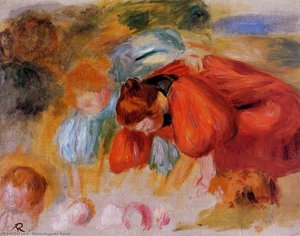
A Vibrant Symphony of Color and Symbolism – Fans and Stuffs
James Ensor’s “Fans and Stuffs” stands as a cornerstone of Expressionism, capturing the artist's distinctive vision of a world steeped in unsettling beauty. Painted circa 1880, this oil on canvas transcends mere representation; it’s an immersive experience into Ensor’s psyche and his fascination with confronting mortality through visual language.
- Subject Matter: The artwork centers around a meticulously arranged assemblage of Chinese porcelain objects—vases, bowls, and intricately patterned fans—creating a still life that defies conventional tranquility.
- Style & Technique: Ensor’s Expressionist style is immediately recognizable through its bold color palette – dominated by vibrant blues and reds – juxtaposed against textured brushstrokes that convey palpable energy. The artist skillfully employs chiaroscuro, highlighting the porcelain surfaces while casting shadows that heighten the dramatic effect.
Historical Context: Embracing Surrealism’s Roots
Born in Ostend, Belgium, James Ensor emerged from a milieu profoundly shaped by artistic currents of his time. Influenced heavily by Impressionism and foreshadowing Surrealist explorations, Ensor sought to express inner turmoil and psychological anxieties through art. “Fans and Stuffs” reflects this preoccupation with confronting existential themes—a characteristic trait of Expressionism’s core mission.
The painting's genesis coincided with the burgeoning interest in Orientalism – a movement that romanticized Eastern cultures while simultaneously critiquing Western perceptions. Ensor skillfully incorporates elements of Chinese decorative art, mirroring the broader artistic dialogues of the era and elevating the piece beyond a simple visual depiction.
Decoding Symbolism: Skull and Quiet Contemplation
Beyond its aesthetic brilliance, “Fans and Stuffs” is laden with symbolic significance. The prominent skull positioned on the left side serves as a stark reminder of mortality—a recurring motif in Ensor’s oeuvre—and underscores the painting's underlying meditation on death and decay. Simultaneously, the arrangement of fans suggests concealment and illusion, hinting at hidden anxieties beneath the surface of outward appearances.
The artist’s deliberate use of color contributes to this symbolic resonance. The blues evoke melancholy and introspection, while the reds convey passion and urgency—creating a dynamic interplay that mirrors the complexities of human experience.
A Legacy Enduring Through Reproduction
"Fans and Stuffs" continues to captivate audiences today due to its masterful blend of technique, symbolism, and emotional depth. Its vibrant colors and intricate composition inspire interior designers seeking bold artistic statements. High-quality reproductions offer a tangible connection to Ensor’s groundbreaking vision—allowing viewers to appreciate the enduring power of Expressionist art.
For more information on James Ensor and his artwork, visit TopImpressionists.com/@/James-Ensor. Explore other paintings by Ensor at /en/art/show/art-8bwrqg-en/.
질의응답
제임스 엔소르의 "Fans and Stuffs"의 전반적인 분위기는 어떠한가요?
"Fans and Stuffs"은(는) Dramatic 분위기를 자아냅니다.
제임스 엔소르의 "Fans and Stuffs"에는 어떤 색상 팔레트가 사용되었나요?
제임스 엔소르의 "Fans and Stuffs"의 색채 구성은 Earthy로 요약할 수 있습니다. 이는 작품에 사용된 색상들을 간결하게 표현한 것입니다.
제임스 엔소르의 "Fans and Stuffs"의 복제화가 공간에 어떤 분위기를 선사할까요?
제임스 엔소르의 "Fans and Stuffs"은(는) Dramatic 분위기를 자아내며, Living Room에 추천하는 작품입니다. 무드란 작품이 주변 공간에 선사하는 정취를 의미합니다.


작가 정보
유년 시절과 가족, 그리고 예술적 훈련
제임스 엔서는 1860년 4월 13일, 벨기에 오스텐드에서 태어났습니다. 그의 정체성은 독특한 문화적 교차점에서 형성되었습니다. 그의 아버지 제임스 프레데릭 엔서는 영국인 부모 사이에서 브뤼셀에서 태어났고, 어머니 마리아 카테리나 헤게만은 벨기에인이었습니다. 이러한 이중적 혈통은 그가 지역적 전통이라는 좁은 틀에서 벗어나 독자적인 시각을 가질 수 있는 토대가 되었습니다. 성장 과정에서 예술가인 그는 오스텐드에서 부모님이 운영하던 기념품 가게 안에서 생활했습니다. 이 환경은 단순한 주거 공간을 넘어, 기이하고 장식적인 것들이 가득한 저장고와도 같았습니다. 가게를 가득 채운 조개껍데기, 카니발 가면, 그리고 기묘한 물건들은 훗날 그의 작품 세계를 지탱할 시각적 언어가 되었습니다.
그의 정규 미술 교육은 시행착오의 연속이었습니다. 아카데미라는 체계적인 환경에 들어서기 전, 그는 두 명의 지역 화가 밑에서 예술적 훈련을 시작했습니다. 이러한 초기 교육은 훗날 그가 자유롭게 변형하고 왜곡할 수 있는 기술적 토대를 마련해 주었습니다. 1877년부터 1880년까지 그는 브뤼셀의 왕립 미술 아카데미(Académie Royale des Beaux-Arts)에서 수학했습니다. 하지만 아카데미의 엄격한 규율 속에서도 그의 관심사는 제도적 기대와는 늘 거리를 두었습니다. 그는 당대의 관습을 따르는 학생이 아니었습니다; 그는 오스텐드에서 자신을 둘러싼 사물들을 탐구하는 관찰자였습니다.
예술적 스타일의 진화
제임스 엔서의 초기 작품들은 그의 성숙기 작품들을 정의하는 심리적 마찰감이 다소 부족했습니다. 러시아 음악(1881)이나 술꾼들(1883)과 같은 작품에서 볼 수 있듯이, 초기에는 침울하고 사실적인 틀 안에서 작업이 이루어졌습니다. 이러한 구도들은 차분한 색조와 일상생활에 대한 전통적인 묘사에 의존하고 있었습니다. 이는 그의 시각적 언어가 근본적인 변화를 겪기 전, 여전히 사실주의라는 중력에 묶여 있던 예술가의 모습을 보여줍니다. 그러나 그는 결국 이러한 절제를 버리고, 소재가 점점 더 기괴해짐에 따라 색채를 대폭 밝게 사용하는 파격적인 선택을 내리게 됩니다.
이러한 기괴함으로의 전환은 가면이라는 소재에 대한 특별한 매혹에서 비롯되었습니다. 그는 가족이 운영하던 기념품 가게에서 발견한 카니발 가면의 입체적인 형태와 강렬한 색채에 마음을 빼앗겼습니다. 이 오브제들은 단순한 소품에 머물지 않고 그의 미학의 중심이 되었습니다. 그는 가면을 정물화에 통합시켜 연극적인 분위기를 자아냈으며, 이를 통해 일상적인 장면의 평온함을 깨뜨렸습니다. 이처럼 비이성적인 세계로 나아간 시도는 그가 단순한 재현을 넘어 심리적 긴장감이 감도는 공간으로 나아갈 수 있게 한 원동력이 되었습니다.
- 스캔들받은 가면들 (1883)
- 굴 먹는 여인 (1882/1883)
- 고난의 사람 (1891)
주요 작품과 핵심 주제
가면과 기괴함에 대한 제임스 엔서의 집착은 현대적 시대의 심리적 긴장감과 직접적으로 맞닿아 있습니다. 1883년 작 가면의 스캔들에서 그는 카니발이라는 모티프를 활용해 사회적 가식의 껍데기를 벗겨냄으로써, 변장(disguise)이 지닌 힘에 대한 초기적 관심을 드러냈습니다. 연극적이고 불안을 자아내는 요소들에 대한 이러한 매혹은 단순한 스타일의 선택을 넘어, 정체성을 탐구하기 위한 하나의 방법론이었습니다. 1882년 작 굴 먹는 여인은 빛과 색채를 다루는 그의 또 다른 재능을 보여주는데, 안트베르펜 살롱의 보수적인 감수성에 도전했던 이 작품은 그의 누이 미첼을 묘사하며 당시의 경직된 규범과 그의 예술적 비전 사이의 마찰을 극명하게 보여줍니다.
더욱 공격적이고 표현주의적인 형태로 나아가는 예술가의 변화는 그의 기념비적인 구도에서 가장 뚜렷하게 나타납니다. 브뤼셀 입성하는 그리스도(1888-1889)는 혼란스럽고 화려한 색채의 기괴한 행렬을 통해 현대 사회를 풍자하며, 20세기 표현주의의 선구자적 역할을 수행합니다. 이러한 실존적 투쟁의 정서는 1891년 작 고난받는 그리스도에서 더욱 심화됩니다. 이 유화 작품은 그리스도의 고난을 일본 노(Noh) 가면의 이질적인 이미지와 결합함으로써, 인간의 행동과 사회적 무관심에 대한 깊은 좌절을 종교적, 알레고리적 주제를 통해 표출해 냅니다.
죽음과 존재의 부조리는 그의 작품 세계를 관통하는 핵심 주제입니다. 교형 집행된 자를 두고 싸우는 해골들(1891)은 해골 형상을 통해 관람객을 부패와 죽음이라는 현실 앞에 직면하게 합니다. 죄와 유혹, 그리고 겉모습의 취약함이라는 반복되는 주제들은 그의 작품이 오늘날까지도 강력한 연구 대상이 되게 합니다. 이처럼 어둡고 때로는 불편한 진실들을 하나의 일관된 시각적 언어로 통합해 내는 능력이야말로, 모더니즘으로의 전환기에 제임스 엔서가 기여한 핵심적인 가치라 할 수 있습니다.
오늘날 그의 작품을 만날 수 있는 곳
세계 유수의 미술관들에 소장된 제임스 엔서의 작품들은 모더니즘의 발전에 그가 남긴 지울 수 없는 족적을 여실히 증명합니다. 안트베르펜의 왕립 미술관에는 슬픔의 사람과 굴 먹는 여인이라는 두 점의 중요한 걸작이 자리하고 있습니다. 이 작품들은 종교적 긴장감부터 일상적인 풍경에 이르기까지, 자유자재로 넘나드는 예술가의 폭넓은 기술적 스펙트럼을 보여줍니다. 그의 영향력은 대서양을 건너 뉴욕의 현대 미술관(MoMA)까지 뻗어 있으며, 이곳에서는 기괴하고 심리적인 세계로의 전환을 보여주는 대표작인 성 안토니의 고난을 만나볼 수 있습니다.
그가 구축한 독창적인 이미지의 울림은 전 세계로 퍼져 나갑니다. 로스앤젤레스의 게티 센터에는 그의 가장 격렬한 사회적 비판이 담긴 거대한 구도, 브뤼셀로 입성하는 그리스도가 소장되어 있습니다. 한편, 포트워스의 킴벨 미술관에서는 몸을 녹이는 해골들을 감상할 수 있습니다. 이처럼 세계 곳곳에 흩어져 있는 그의 작품들은, 아카데믹한 규범을 거부하며 탄생한 그만의 독특한 시각 언어가 오늘날에도 수많은 학자와 관람객들에게 끊임없이 말을 걸고 있음을 보여줍니다.
- 슬픔의 사람
- 굴 먹는 여인
- 성 안토니의 고난
- 브뤼셀로 입성하는 그리스도
- 몸을 녹이는 해골들

제임스 엔소르
1860 - 1949 , 벨기에
작가 정보 요약
- Artistic Movement Or Style:
- 상징주의
- 표현주의
- Artists Or Movements Influenced By This Artist:
- 표현주의
- 초현실주의
- Artists Who Influenced This Artist:
- 피터르 브뤼헐
- 프란시스코 고야
- 제임스 애보트 맥닐 휘슬러
- Date Of Birth: 1860
- Date Of Death: 1949
- Full Name: 제임스 시드니 에두아르 엔서
- Nationality: 벨기에
- Notable Artworks:
- 브뤼셀 입성
- 고난의 사람
- 굴 먹는 여인
- 성 안토니오의 고난
- 교수형 당한 남자를 두고 싸우는 해골들
- Place Of Birth: 벨기에 오스텐트
관련 콘텐츠

Unmasking Emotion: A Journey Through the Raw Power and Visceral Beauty of German Expressionism
Explore the raw emotional power of German Expressionism. From Kirchner to Die Brücke, discover how artists used distortion and vibrant color to unmask the human psyche. A deep dive into art history for the discerning collector and enthusiast.


