


 실제 크기로 보기
 보내기
보내기 공유하기
공유하기
 상세 보기
상세 보기 가이드 보기

 이미지 다운로드
 유사 작품 더 보기
 X-레이
X-레이 슬라이드 쇼 보기
 통계 정보
통계 정보La lisiere du bois a Ostende

Discover James Ensor’s ‘La lisiere du bois a Ostende,’ an evocative Expressionist landscape painting. Explore its serene beauty, bold brushstrokes & influence on modern art.
 상세 보기
상세 보기
James Ensor는 표현주의와 초현실주의의 선구자였으며 그의 기괴하고 충격적인 작품들로 유명합니다. 가면 예술과 종교적 비판을 통해 인간 본성의 어두운 측면을 탐구하는 그의 독특한 스타일은 미술사에서 중요한 위치를 차지합니다.
핸드메이드 유화 복제화
작가가 직접 캔버스에 손으로 그린 유화 작품으로, 원하는 크기와 액자로 맞춤 제작해 드립니다. ( 프린트 판매로 전환 디지털 이미지 판매 채널로 전환)




P118B ₩10

P118H ₩10

P118W ₩10

P438Z ₩10

P508JH ₩12

P508YH ₩12

P805H ₩10

P805Z ₩10

P919BZ ₩10

P919G ₩10

P919XJ ₩10

P959ZH ₩10

P968JZ ₩12

W106C ₩8

W218G ₩10

W218JH ₩8

W218Y ₩10

W307PJ ₩10

W316G ₩10

W316PJ ₩8

W316Y ₩10

W398PJ ₩8

W4111J ₩10

W500HY ₩15

W500JH ₩15

W692G ₩12

W849H ₩8

W940BG ₩15

W953PJ ₩8




표준 규격
맞춤 제작
CM
INCH
작품의 원본 비율을 그대로 유지하는 프리셋 사이즈 중에서 선택해 보세요.
Loading sizes...

가로 너비
높이
액자나 벽면 크기에 맞춰 필요한 가로와 세로 길이를 입력해 주세요. 본 작품은 수작업으로 제작되므로, 요청하신 비율에 따라 작가가 그림의 가장자리를 조금 더 넓게 그리거나 일부를 조정하여 작업할 수 있습니다. 작업 시작 전, 최종 확인을 위해 디지털 목업 이미지를 보내드립니다. 이 페이지에 표시된 이미지는 실제 결과물과 다를 수 있으며, 오직 목업 이미지만이 정확한 결과물을 보여줍니다.
변경 가능한 예시: 얼굴을 고객님의 사진으로 교체, 반려동물 추가(예: 고양이를 강아지로 변경), 배경에 숨겨진 메시지 삽입, 배경 풍경 또는 요소 변경 등
주문 완료 후 TopImpressionists.com 팀에서 상세 안내를 위해 고객님께 이메일을 보내드리며, 미리보기 시안을 함께 제공해 드립니다.
주문 완료 후 TopImpressionists.com 팀에서 상세 안내를 위해 고객님께 이메일을 보내드리며, 미리보기 시안을 함께 제공해 드립니다.


 유리 옵션은 110cm 미만 크기에서만 선택 가능합니다.

La lisiere du bois a Ostende
재현 매체
복제본 규격
-


총 결제 금액
₩ 367123
A Glimpse into Ensor’s Soul: *La lisiere du bois a Ostende*
James Ensor's *La lisiere du bois a Ostende* (The Edge of the Woods at Ostend) is more than just a landscape; it’s an intimate exploration of atmosphere and emotion, rendered with the burgeoning stylistic hallmarks that would define his pivotal role in modern art. Painted during a period of significant artistic transition in the late 19th century, this oil on canvas offers a serene yet subtly unsettling vision of the Belgian countryside near Ensor's birthplace. The painting depicts a tranquil scene – a field giving way to a line of trees, likely at either dawn or dusk – but beneath the surface tranquility lies a complex interplay of light, color, and brushwork that speaks volumes about the artist’s inner world.Style & Technique: Forerunners of Expressionism
The work is characterized by loose, expressive brushstrokes, a technique central to Ensor's developing style and a clear precursor to Expressionism. Unlike the meticulous detail favored by earlier academic painters, Ensor prioritizes capturing the *feeling* of the scene – the dampness of the air, the warmth of the light filtering through the trees, the stillness of the moment. The oil paint is applied with visible texture, creating a palpable sense of depth and atmosphere. This isn’t about photographic realism; it's about conveying an emotional response to nature. The painting shares stylistic affinities with Impressionism in its focus on light and fleeting moments, but diverges through a more subjective and emotionally charged application of color and form – foreshadowing the intensity that would come to define his later, more overtly symbolic works like *Death and the Masks* and *The Despair of Pierrot*.Historical Context & Ensor’s Artistic Journey
Born in Ostend, Belgium in 1860, James Ensor experienced a unique upbringing that profoundly influenced his artistic vision. His father was an English merchant naval officer, and his mother Belgian, creating a cultural blend reflected in his work. He initially rebelled against the rigid academic training of the Brussels Academy, seeking instead to forge his own path. *La lisiere du bois a Ostende* represents a transitional phase in Ensor’s career – a period where he was experimenting with different techniques and subjects before fully embracing the grotesque and satirical imagery that would later become his signature. This painting demonstrates his growing mastery of landscape painting while simultaneously hinting at the psychological depth that would characterize his mature style.Symbolism & Emotional Resonance
While seemingly straightforward, *La lisiere du bois a Ostende* invites deeper contemplation. The edge of the woods – the “lisiere” – often symbolizes a threshold, a boundary between the known and the unknown. The soft light and muted colors evoke a sense of melancholy and introspection. It’s a scene that encourages quiet reflection, prompting viewers to consider their own relationship with nature and the passage of time. The painting isn't overtly dramatic, but its subtle emotional power lies in its ability to tap into universal feelings of solitude, peace, and perhaps even a touch of wistful longing. It’s a landscape not just seen, but felt.Legacy & Collecting
James Ensor's influence on the development of both Expressionism and Surrealism is undeniable. His willingness to challenge artistic conventions and explore the darker aspects of human experience paved the way for generations of artists who followed. His works are held in prestigious collections worldwide, including the Museum am Ostwall in Dortmund, Germany and the Mu.ZEE museum in his hometown of Ostend. *La lisiere du bois a Ostende*, while perhaps less famous than some of his more overtly symbolic pieces, offers a compelling entry point into Ensor’s artistic world – a testament to his skill as a painter and his ability to capture the beauty and complexity of the natural world.- Perfect for collectors seeking an early example of Ensor's evolving style.
- An ideal addition to interiors seeking a calming yet sophisticated atmosphere.
- A thoughtful gift for art enthusiasts interested in the origins of modern art movements.
질의응답
제임스 엔서의 "La lisiere du bois a Ostende"의 색채는 작품의 감정과 어떻게 연결되나요?
"La lisiere du bois a Ostende"에서 Dark 색조는 Reflective 분위기를 자아냅니다.
"La lisiere du bois a Ostende"의 색감은 얼마나 강렬한가요?
제임스 엔서의 "La lisiere du bois a Ostende"의 색채는 Clear Color Presence의 채도와 Vivid의 강도를 보여줍니다.
제임스 엔서의 "La lisiere du bois a Ostende"에는 어떤 색상 팔레트가 사용되었나요?
"La lisiere du bois a Ostende"의 색상은 Dark 팔레트를 이룹니다. 이 분류는 작품을 지배하는 주요 색상군을 설명합니다.


작가 소개
James Ensor: A Pioneer of Expressionism and Surrealism
James Sidney Edouard, Baron Ensor (Ostend, 13 April 1860 – 19 November 1949) was a Belgian painter and printmaker who stands as one of the most influential figures in the development of Expressionism and Surrealism. Born into an English father and Belgian mother amidst the vibrant atmosphere of Ostend’s annual Carnival—a formative experience that profoundly shaped his artistic vision—Ensor embarked on a lifelong journey to explore the darker recesses of human psychology and challenge conventional aesthetic standards.
Early Influences and Artistic Training
From a young age, Ensor demonstrated an innate talent for drawing and painting, nurtured by local instructors and fueled by an unwavering fascination with observation. His formative years were spent studying at the College of the Blessed Virgin in Ostend, where he honed his skills alongside fellow artists like Fernand Khnopff and Theo Van Rysselberghe—artists who would later become associated with the influential *Les XX* group.
The Shift Towards Grotesque Expressionism
Ensor’s artistic trajectory took a decisive turn in the late 1880s as he abandoned academic realism for a bold embrace of grotesque expressionism. Influenced by Rembrandt, Francisco Goya, and Japanese woodcuts—artists who championed emotional intensity and unsettling imagery—he began to populate his canvases with disturbing tableaux featuring skeletons battling over a hanged man, masks embodying hidden identities, and allegorical figures confronting existential anxieties.
Key Masterpieces and Recurring Themes
Among Ensor’s most celebrated works are *The Scandalized Masks* (1883), which captures the pervasive influence of disguise and social critique; *Skeletons Fighting over a Hanged Man* (1891), a haunting meditation on mortality and decay; and *Christ's Entry into Brussels* (1888–89)—a monumental painting that satirizes religious hypocrisy with unflinching boldness. Recurring throughout Ensor’s oeuvre are explorations of death, social injustice, psychological torment, and the boundless potential for imaginative distortion—themes that continue to resonate powerfully with audiences today.
A Legacy Beyond Style: Influence on Modern Art
James Ensor's uncompromising artistic vision irrevocably altered the course of modern art. Rejecting academic conventions and embracing subjective experience, he paved the way for subsequent generations of artists who dared to confront uncomfortable truths and challenge established norms. His pioneering use of grotesque imagery—coupled with his masterful manipulation of color and line—established a distinctive stylistic vocabulary that profoundly impacted Expressionist painters like Edvard Munch and Ernst Ludwig Kirchner—artists who similarly sought to convey inner turmoil and psychological complexity.

제임스 엔서
1860 - 1949 , 벨기에
작가 정보 요약
- Artistic Movement Or Style: Expressionism 및 Surrealism
- Artists Who Influenced This Artist:
- 피터 브뤼겔 더 엘더
- 프란시스코 고야
- 윌스 스미스 휘슬러
- Date Of Birth: April 13, 1860
- Date Of Death: November 19, 1949
- Full Name: James Sidney Edouard Ensor
- Nationality: Belgian
- Notable Artworks:
- The Scandalized Masks
- Skeletons Fighting...
- Christ's Entry into Brussels
- Place Of Birth: Ostend, Belgium
관련 기사
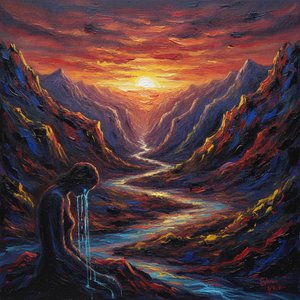
Capturing Emotion: A Journey Through the Soul of Expressionist Landscapes
Explore the profound emotional depth of Expressionist landscapes. Discover how Post-Impressionist masters moved beyond light to capture the soul through vibrant color and form. A curated journey for true art lovers seeking the beauty of expressive mastery.


