

표시된 작품: · 액자 포함:
 미리보기
미리보기
 공유하기
공유하기 공유하기
공유하기
 상세 정보
상세 정보 가이드 보기

 다운로드
다운로드
 유사 작품 더 보기
 X-레이
X-레이 슬라이드 쇼 보기
 질의응답
질의응답 통계 정보
통계 정보
₩ 360915
핸드메이드 유화 복제화
작가가 직접 캔버스에 손으로 그린 유화 작품으로, 원하는 크기와 액자로 맞춤 제작해 드립니다. ( 프린트 판매로 전환 디지털 이미지로 전환)
사이즈
·표준 규격
맞춤형
CM
INCH
작품의 원본 비율을 그대로 유지하는 프리셋 사이즈 중에서 선택해 보세요.
사이즈 불러오는 중...

가로 너비
세로 길이
액자나 벽면 크기에 맞춰 필요한 가로와 세로 길이를 입력해 주세요. 본 작품은 수작업으로 제작되므로, 요청하신 비율에 따라 작가가 그림의 가장자리를 조금 더 넓게 그리거나 일부를 조정하여 작업할 수 있습니다. 작업 시작 전, 최종 확인을 위해 디지털 목업 이미지를 보내드립니다. 이 페이지에 표시된 이미지는 실제 결과물과 다를 수 있으며, 오직 목업 이미지만이 정확한 결과물을 보여줍니다.
 더 알아보기
완료
·
화이트 테두리 ₩1

블러사이드 ₩1

옆면 확장형 ₩1

P118B ₩10

P118H ₩10

P118W ₩10

P438Z ₩10

P508JH ₩12

P508YH ₩12

P805H ₩10

P805Z ₩10

P919BZ ₩10

P919G ₩10

P919XJ ₩10

P959ZH ₩10

P968JZ ₩12

W106C ₩8

W218G ₩10

W218JH ₩8

W218Y ₩10

W307PJ ₩10

W316G ₩10

W316PJ ₩8

W316Y ₩10

W398PJ ₩8

W4111J ₩10

W500HY ₩15

W500JH ₩15

W692G ₩12

W849H ₩8

W940BG ₩15

W953PJ ₩8

H24-GOLD ₩30

H24-SILVER ₩30

H36-GOLD ₩45

H36-SILVER ₩45
보호용 튜브에 담겨 안전하게 배송되며, 고객님께서 직접 액자에 끼워 사용하실 수 있습니다.
105cm를 초과하는 프레임은 전문 액자 제작사를 위한 키트 형태로 배송됩니다 — 자세한 내용을 확인하세요.
추가 서비스
선택 사항추가 구성품에는 무엇이 포함되어 있나요?
변경 가능한 예시: 얼굴을 고객의 사진으로 교체, 반려동물 추가 (예: 고양이를 강아지로 변경), 배경에 숨겨진 메시지 포함, 배경 풍경 또는 요소 변경.
주문 완료 후, TopImpressionists.com 팀에서 상세 안내를 위해 고객님께 이메일을 보내드리며, 시안 미리보기를 제공해 드립니다.
주문 완료 후, TopImpressionists.com 팀에서 상세 안내를 위해 고객님께 이메일을 보내드리며, 시안 미리보기를 제공해 드립니다.
전 세계 배송()은 표준 5주 대신 3~4주 내에 완료됩니다. (8 11월). 품질에는 어떠한 타협도 하지 않습니다.
보호용 바니시
작품 설명문
동판 각인 상세 정보
This elegant plaque features the artist's name and the title of the artwork, finely engraved for a timeless presentation.
It is made from bronze with a refined, elegant finish. The text is precisely laser-engraved for a sharp and permanent result. Measuring 9x2 cm, the plaque is compact yet easy to read. It's built to be durable and scratch-resistant, offering a professional, museum-quality look. Mounting is simple thanks to the included adhesive backing.
투명 아크릴 명판 상세 정보
The plaque includes essential engraved details such as the artist's name, the title of the artwork, the date it was created, the type of media used-like oil on canvas or watercolor-a brief description of the piece, and a QR code that links to the complete artwork information.
It is crafted from clear acrylic, offering a sleek, modern appearance. The text is UV-engraved in black to ensure strong visual contrast. With a size of 10x15 cm, it ensures optimal readability. It comes equipped with two metal hooks for secure wall mounting. The plaque is designed to be weather-resistant, making it suitable for various environments, and it includes interactive features that work seamlessly with smartphone scanning.
블랙 아크릴 명판 상세 정보
This elegant plaque includes engraved information such as the artist's name, the title of the artwork, the date it was created, the type of media used (like oil on canvas or watercolor), a short description of the artwork, and a QR code for quick access to more information.
The plaque itself is made from refined black acrylic with a premium finish. The text is laser-engraved in white for high contrast and readability. Its size is 10x15 cm, designed to be easy to read. It comes with two metal hooks for professional mounting. The design is sleek and fits any interior style. It is also weather-resistant and durable, with built-in digital integration for mobile compatibility.
유리 옵션은 110cm 미만 크기에서만 선택 가능합니다.
 유리 옵션은 110cm 미만 크기에서만 선택 가능합니다.
- 전 세계 무료 특급 배송
- 프리미엄 린넨 캔버스
- 배송 전 과정 보험 적용
- 관세 및 수입세 환급 보장 서비스
- 원본과 동일한 색상 구현 보장
- 100일 이내 반품 정책 (결함 발생 시)
- 100% 환불 보장
- 다량 구매 할인 혜택


수집품 상세 설명
This painting showcases Ensor's ability to convey movement and energy through his compositions. It’s a prime example of Expressionism, utilizing distorted forms and exaggerated features to express intense emotions.
작가 프로필
James Ensor는 표현주의와 초현실주의의 선구자였으며 그의 기괴하고 충격적인 작품들로 유명합니다. 가면 예술과 종교적 비판을 통해 인간 본성의 어두운 측면을 탐구하는 그의 독특한 스타일은 미술사에서 중요한 위치를 차지합니다.
작품 정보
A World Distorted – James Ensor’s *Les Ballerines*
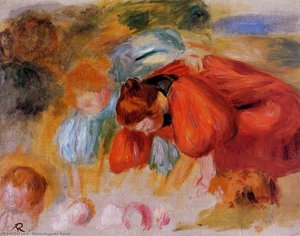
James Ensor's *Les Ballerines*, painted in the late 19th century, isn’t merely a depiction of dancers; it’s an immersion into a fever dream, a carefully constructed tableau of unsettling energy and psychological depth. This work, a cornerstone of Expressionism, pulsates with a raw emotionality rarely found in academic art of its time. Ensor, born in Ostend, Belgium – a city steeped in maritime history and cultural exchange between England and France – was profoundly shaped by his upbringing amidst the vibrant chaos of a seaside resort town. His parents’ souvenir shop, overflowing with exotic masks, shells, and curiosities, provided an unparalleled visual feast, fueling a lifelong fascination with disguise, performance, and the hidden anxieties beneath the surface of everyday life. *Les Ballerines* is a direct manifestation of this preoccupation, a deliberate fracturing of reality to expose the unsettling truths it conceals.
The Dance of Distortion: Style and Technique
Ensor’s approach to composition is deliberately disorienting. The scene unfolds with a frenetic energy, populated by figures caught in various states of movement – dancers frozen mid-step, horses straining at their harnesses, and women observing the spectacle from different vantage points. Bold brushstrokes dominate the canvas, creating a sense of immediacy and urgency. Colors are applied with an almost violent intensity; reds, yellows, and greens clash and vibrate, contributing to the painting’s overall feeling of unease. Notice how Ensor employs a flattened perspective, pushing figures forward and blurring spatial relationships – a technique that further intensifies the sense of claustrophobia and disorientation. The use of impasto, applying paint thickly to the surface, adds texture and physicality, as if the scene itself is struggling to contain its own turbulent energy. It’s a masterful demonstration of how color, brushwork, and composition can be used to evoke powerful emotional responses.
Symbolism Within the Spectacle
*Les Ballerines* is rich in symbolic layers, inviting multiple interpretations. The dancers themselves represent not just performers but also figures trapped within societal expectations – their movements constrained by the demands of the stage and the watchful eyes of the audience. The horses, often associated with power and movement, here seem restless and agitated, mirroring the underlying tension of the scene. The presence of a chair, positioned as a point of relative stability amidst the chaos, suggests a fleeting moment of respite or perhaps an acknowledgement of the fragility of order. Even the setting – a dimly lit interior – contributes to the painting’s atmosphere of mystery and foreboding. The inclusion of masks, so central to Ensor's artistic vocabulary, hints at the idea that appearances are deceptive and that individuals often conceal their true selves behind carefully constructed facades.
A Bridge Between Eras: Expressionism and Beyond
*Les Ballerines* stands as a pivotal work in the development of Expressionism, anticipating the movements of artists like Edvard Munch and Wassily Kandinsky. Ensor’s deliberate distortion of form and his focus on conveying intense emotions – fear, anxiety, and alienation – paved the way for later avant-garde styles. His exploration of psychological themes and his willingness to challenge conventional artistic norms were revolutionary for his time. The painting's influence can be seen in the works of Surrealists like Salvador Dalí and even in the vibrant color palettes of Fauvist painters. Studying *Les Ballerines* offers a valuable window into the origins of these influential movements, demonstrating how Ensor’s unique vision laid the groundwork for future generations of artists to explore the darker corners of the human psyche.
Bringing *Les Ballerines* Home: A Reproduction for Your Space
TopImpressionists.com offers meticulously crafted hand-painted reproductions of James Ensor's *Les Ballerines*, allowing you to experience the power and intensity of this iconic artwork in your own home or office. Our skilled artisans replicate Ensor’s distinctive style with exceptional accuracy, capturing the painting’s dynamic composition, vibrant colors, and unsettling atmosphere. Whether you are an art enthusiast, a collector seeking a unique addition to your collection, or simply someone drawn to the beauty of Expressionist art, our reproductions provide a stunning and authentic representation of this remarkable masterpiece. Explore the full range of sizes and canvas options available on TopImpressionists.com – and bring the captivating world of *Les Ballerines* into your space.
질의응답
"Les Ballerines" 프린트의 권장 용도는 무엇인가요?
제임스 엔서의 "Les Ballerines"의 복제본은 Statement에 활용하시기에 좋습니다. 이는 작품의 주제와 분위기, 그리고 색감을 고려한 제안입니다.
제임스 엔서의 "Les Ballerines"의 색감을 고려했을 때, 어떤 공간에 배치하는 것이 가장 좋을까요?
Dark 색조를 담은 제임스 엔서의 "Les Ballerines"는 Living Room에 배치하시길 추천드립니다. 이 작품의 색감이 이러한 제안의 이유이기도 합니다.
"Les Ballerines"은(는) 어떤 화풍에 속하나요?
제임스 엔서의 "Les Ballerines"은(는) Expressionist Style 사조에 속하며, 이 사조는 해당 작품의 양식적 배경을 잘 보여줍니다.
주요 정보 및 아트 퀴즈
제임스 엔서 소개

제임스 엔서
1860 - 1949, 벨기에
작가 정보
James Ensor: A Pioneer of Expressionism and Surrealism
James Sidney Edouard, Baron Ensor (Ostend, 13 April 1860 – 19 November 1949) was a Belgian painter and printmaker who stands as one of the most influential figures in the development of Expressionism and Surrealism. Born into an English father and Belgian mother amidst the vibrant atmosphere of Ostend’s annual Carnival—a formative experience that profoundly shaped his artistic vision—Ensor embarked on a lifelong journey to explore the darker recesses of human psychology and challenge conventional aesthetic standards.
Early Influences and Artistic Training
From a young age, Ensor demonstrated an innate talent for drawing and painting, nurtured by local instructors and fueled by an unwavering fascination with observation. His formative years were spent studying at the College of the Blessed Virgin in Ostend, where he honed his skills alongside fellow artists like Fernand Khnopff and Theo Van Rysselberghe—artists who would later become associated with the influential *Les XX* group.
The Shift Towards Grotesque Expressionism
Ensor’s artistic trajectory took a decisive turn in the late 1880s as he abandoned academic realism for a bold embrace of grotesque expressionism. Influenced by Rembrandt, Francisco Goya, and Japanese woodcuts—artists who championed emotional intensity and unsettling imagery—he began to populate his canvases with disturbing tableaux featuring skeletons battling over a hanged man, masks embodying hidden identities, and allegorical figures confronting existential anxieties.
Key Masterpieces and Recurring Themes
Among Ensor’s most celebrated works are *The Scandalized Masks* (1883), which captures the pervasive influence of disguise and social critique; *Skeletons Fighting over a Hanged Man* (1891), a haunting meditation on mortality and decay; and *Christ's Entry into Brussels* (1888–89)—a monumental painting that satirizes religious hypocrisy with unflinching boldness. Recurring throughout Ensor’s oeuvre are explorations of death, social injustice, psychological torment, and the boundless potential for imaginative distortion—themes that continue to resonate powerfully with audiences today.
A Legacy Beyond Style: Influence on Modern Art
James Ensor's uncompromising artistic vision irrevocably altered the course of modern art. Rejecting academic conventions and embracing subjective experience, he paved the way for subsequent generations of artists who dared to confront uncomfortable truths and challenge established norms. His pioneering use of grotesque imagery—coupled with his masterful manipulation of color and line—established a distinctive stylistic vocabulary that profoundly impacted Expressionist painters like Edvard Munch and Ernst Ludwig Kirchner—artists who similarly sought to convey inner turmoil and psychological complexity.
제임스 엔서에 관한 주요 정보
- Artistic Movement Or Style: Expressionism 및 Surrealism
- Artists Who Influenced This Artist:
- 피터 브뤼겔 더 엘더
- 프란시스코 고야
- 윌스 스미스 휘슬러
- Date Of Birth: April 13, 1860
- Date Of Death: November 19, 1949
- Full Name: James Sidney Edouard Ensor
- Nationality: Belgian
- Notable Artworks:
- The Scandalized Masks
- Skeletons Fighting...
- Christ's Entry into Brussels
- Place Of Birth: Ostend, Belgium



제임스 엔서
Les Ballerines
() ·
액자 포함: · 린넨 위에 유채로 직접 그린 작품
총액