

 실제 크기로 보기
 보내기
보내기 공유하기
공유하기
 상세 보기
상세 보기 가이드 보기

 이미지 다운로드
 유사 작품 더 보기
 X-레이
X-레이 슬라이드 쇼 보기
 Q&A
Q&A 통계 정보
통계 정보The Slum

- 91.0 x 71.0 cm


James Ferrier Pryde's "The Slum" (1916) captures a poignant Edinburgh alleyway scene, reflecting urban poverty and social commentary through atmospheric brushstrokes. Explore this evocative work of art.
 상세 보기
상세 보기
제임스 페리어 프라이드 (1866-1941): 영국 화가이자 '베거스태프(The Beggarstaffs)'의 파트너. 선구적인 포스터 아트, 분위기 있는 건축 장면, 그리고 연극 디자인을 통해 20세기 초 미학을 형성했습니다.
지클레 / 아트 프린트
빠른 제작과 다양한 마감 옵션을 선택할 수 있는 박물관 수준의 지클레이 및 캔버스 프린트. ( 수작업 채색 복제본 주문하기 디지털 이미지 판매 채널로 전환)




P118B ₩10

P118H ₩10

P118W ₩10

P438Z ₩10

P508JH ₩12

P508YH ₩12

P805H ₩10

P805Z ₩10

P919BZ ₩10

P919G ₩10

P919XJ ₩10

P959ZH ₩10

P968JZ ₩12

W106C ₩8

W218G ₩10

W218JH ₩8

W218Y ₩10

W307PJ ₩10

W316G ₩10

W316PJ ₩8

W316Y ₩10

W398PJ ₩8

W4111J ₩10

W500HY ₩15

W500JH ₩15

W692G ₩12

W849H ₩8

W940BG ₩15

W953PJ ₩8




표준 규격
맞춤 제작
CM
INCH
작품의 원본 비율을 그대로 유지하는 프리셋 사이즈 중에서 선택해 보세요.
Loading sizes...

가로 너비
높이
액자나 벽면 크기에 맞춰 필요한 가로와 세로 길이를 입력해 주세요. 프린트는 원본 이미지보다 크게 제작할 수 없으며 오직 자르는 것만 가능하므로, 비율이 다른 사이즈를 선택할 경우 이미지의 일부가 잘려 나갈 수 있습니다. 인쇄 작업에 들어가기 전, 최종 확인을 위해 디지털 목업을 보내드립니다. 이 페이지에 표시된 이미지는 실제 잘리는 영역을 나타내지 않으며, 오직 목업을 통해서만 정확한 확인이 가능합니다.


 유리 옵션은 110cm 미만 크기에서만 선택 가능합니다.

The Slum
지클레 / 아트 프린트
복제본 규격
-


총 결제 금액
₩ 92926
A Glimpse into Urban Decay: The Haunting Beauty of “The Slum”
James Ferrier Pryde’s “The Slum,” painted in 1916, isn't merely a depiction of a neglected corner of Edinburgh; it’s a profound meditation on poverty, social injustice, and the encroaching shadows of modernity. Born amidst the artistic ferment of Glasgow’s School of Art, Pryde developed a distinctive style—a masterful blend of atmospheric realism and subtle symbolism—that resonated deeply with the anxieties of his time. This painting, now housed in the Ashmolean Museum, offers a stark yet strangely beautiful portrayal of a working-class neighborhood grappling with hardship and neglect.
The scene unfolds within a narrow alleyway, dominated by a towering tenement building that seems to lean precariously towards the viewer. Pryde’s masterful use of light and shadow immediately establishes an unsettling mood. The muted palette—a symphony of grays, browns, and ochres—evokes a sense of dampness, decay, and oppressive gloom. Rain streaks down the walls, reflecting the weak light from unseen windows, while deep shadows conceal the lives within. The composition is deliberately claustrophobic, drawing the eye into the heart of the slum and emphasizing its suffocating atmosphere.
Technique and Artistic Influences
Pryde’s technique is characterized by a loose, expressive brushstroke—a hallmark of his work with the Beggarstaffs poster company. He eschews meticulous detail in favor of capturing the essence of the scene, prioritizing mood and atmosphere over photographic realism. The painting's texture is rich and layered, achieved through multiple thin applications of oil paint, creating a palpable sense of depth and physicality. There’s an undeniable influence from Whistler’s atmospheric style, particularly in Pryde’s ability to evoke emotion through color and light—a skill honed during his brief but formative time studying in Paris.
Furthermore, the painting subtly references classical architecture, most notably the Roman ruins of Pompeii. The building's form echoes the grandeur of ancient structures, suggesting a lost sense of order and beauty amidst the squalor. This juxtaposition—the crumbling tenements against the backdrop of classical imagery—serves as a poignant commentary on the decline of society and the erosion of values.
Symbolism and Social Commentary
“The Slum” is far more than a simple depiction of urban poverty; it’s a powerful social statement. Pryde wasn't simply documenting a physical space; he was exploring the human cost of industrialization and social inequality. The figures visible on the balcony—a small group of men, seemingly detached from the misery below—represent the indifference of the upper classes to the plight of their less fortunate neighbors. Their presence underscores the painting’s central theme: the isolation and marginalization experienced by those living in poverty.
The title itself is deliberately provocative, suggesting a deliberate confrontation with uncomfortable truths. Pryde's choice of "Slum" as the name for this work reflects his own artistic philosophy—a commitment to portraying the realities of life, even when they are unpleasant or challenging. It’s a stark reminder that beauty can be found in unexpected places, and that art has the power to expose injustice and provoke empathy.
A Timeless Masterpiece
“The Slum” remains a profoundly moving work of art—a testament to Pryde's artistic vision and his unwavering commitment to social justice. Its haunting atmosphere, evocative symbolism, and masterful technique continue to resonate with viewers today, prompting reflection on the enduring challenges of poverty, inequality, and the human condition. Reproductions of this powerful painting offer a unique opportunity to bring this poignant scene into your home or office, serving as a constant reminder of the importance of compassion and social responsibility.
질의응답
제임스 페리어 프라이드은(는) 몇 세에 "The Slum"을(를) 제작했을까요?
1916년에 "The Slum"이(가) 제작되었을 당시, 1866년에 태어난 제임스 페리어 프라이드의 나이는 50세였습니다.
제임스 페리어 프라이드의 "The Slum"은(는) 잘 알려진 작품인가요?
"The Slum"은(는) Recognized 등급으로 분류됩니다.
제임스 페리어 프라이드의 "The Slum"은(는) 퍼블릭 도메인에 속하나요? 그 이유는 무엇인가요?
"The Slum"의 저작권 상태 - 퍼블릭 도메인 - 저작권 보호 기간이 만료되었습니다 - 는 작가의 1941년 사망에 따라 결정됩니다.
작가 소개
대기 속에 새겨진 삶: 제임스 페리어 프라이드의 세계
1866년 3월 30일, 에든버러의 예술적 혈통이 깊게 뿌리 내린 가문에서 태어난 제임스 페리어 프라이드는 저명한 스코틀랜드 화가 로버트 스콧 라우더와 제임스 에크포드 라우더의 친척으로서, 회화와 그래픽 디자인 양쪽 모두에 지울 수 없는 발자취를 남기는 여정을 시작했습니다. 그의 유년 시절은 자극적인 지적 환경 속에서 양육되었습니다. 에든버러 레이디스 칼리지의 교장이었던 그의 아버지 데이비드 프라이드는 교육과 창의성을 중시하는 가풍을 조성했습니다. 어린 제임스는 1885년부터 1888년까지 로열 스코티시 아카데미에서 정식 미술 교육을 받으며, 훗날 하나의 범주로 정의하기 어려운 독보적인 경력을 쌓기 위한 토대를 마련했습니다. 그는 제임스 거스리와 에드워드 아서 월튼 같은 글래스고 학파의 주요 인물들로부터 격려를 받았으며, 이들의 영향은 그의 초기 예술적 탐구에 큰 밑거님이 되었습니다. 이후 아카데미 줄리앙에서 윌리엄 아돌프 부그로 아래서 공부하기 위해 떠난 짧은 파리 체류는 그에게 그리 결정적인 경험이 되지 못했습니다. 프라이드는 그곳의 분위기가 답답하다고 느꼈고, 자신의 길에 대한 더 명확한 확신을 품은 채 서둘러 스코틀랜드로 돌아왔습니다.베가스태프와 디자인의 혁명
프라이드의 가장 중요한 협업적 모험은 1893년 윌리엄 니콜슨과 함께 "베가스태프(The Beggarstaffs)"를 결성하며 시작되었습니다. 이 결합은 놀라울 정도로 결실을 보았으며, 기존의 관습에 강력하게 도전하는 포스터 디자인의 새로운 미학을 개척했습니다. 베가스태프 이전의 포스터들은 흔히 복잡하고 삽화적인 성격이 강했으나, 프라이드와 니콜슨은 불필요한 세부 묘사를 걷어내고 대담한 구성과 강렬한 이미지, 그리고 연극적인 감수성을 수용했습니다. 그들의 디자인은 단순한 광고를 넘어 하나의 선언이었으며, 포스터 아트의 위상을 상무적 필요성에서 정당한 예술적 표현의 영역으로 격상시켰습니다. 그들은 의도적으로 기성의 규범을 피하며 시각적으로 매혹적이면서도 지적으로 자극적인 작품을 만들어냈습니다. 비록 이 파트너십은 1899년에 해체되었지만, 그 영향력은 수십 년 동안 울려 퍼지며 세대의 그래픽 디자이너들에게 영향을 미쳤고 시각적 커뮤니케이션의 지형을 근본적으로 변화시켰습니다. 이러한 혁신적인 접근은 포스터에만 국한되지 않았습니다. 그들은 독특한 간판과 기타 그래픽 작업물들도 제작했는데, 이 모든 작품은 예술적 비전과 상업적 실용성이 결합된 독특한 특징을 보여주었습니다.대기의 환상: 회화적 언어
그래픽 디자인에 기여한 공로로 널리 알려져 있지만, 프라이드의 진정한 열정은 회화에 있었습니다. 그는 대기감이 느껴지는 건축 장면을 중심으로 한 매우 개인적인 스타일을 발전시켰습니다. 그의 작품은 단순히 건물을 있는 그대로 묘사한 것이 아니었습니다. 그것은 분위기와 감정을 불러일으키는 탐구였으며, 종종 드라마틱한 긴장감과 불길한 예감을 내포하고 있었습니다. 그의 캔버스에는 종종 인간의 형상을 압도하는 거대한 구조물들이 등장하며, 이는 역사와 시간의 무게 앞에 놓인 우리 인간의 취약함을 강조합니다. 거친 붓터치와 극적인 조명 효과는 그의 기법을 상징하는 특징으로, 관람객을 장면 속으로 끌어들이는 마치 만질 수 있을 듯한 생생한 대기감을 만들어냅니다. 지오반니 바티스타 피라네시의 에칭에서 받은 영향은 프라이드의 기념비적인 구성과 건축 유적에 대한 매료에서 분명하게 드러납니다. 그는 정밀한 재현에는 관심이 없었습니다. 대신 그는 장소가 가진 *느낌*, 그 역사, 그리고 내재된 우울함을 포착하고자 했습니다. 그의 회화는 종종 꿈의 파편처럼 느껴지며, 잊히지 않을 만큼 아름다우면서도 미묘하게 불안한 감정을 불러일으킵니다.다재다능한 예술가: 무대 예술과 인정
프라이드의 예술적 추구는 회화와 디자인에만 머물지 않았습니다. 그는 1894년에서 1899년 사이 짧게 배우의 길을 걷기도 했는데, 이 시기는 의심할 여지 없이 그의 연극적 감수성과 공간 역학에 대한 이해를 심화시켰습니다. 이러한 공연 예술로의 도전은 에드워드 고든 크레이와 같은 영향력 있는 인물들과의 접점을 만들어주었습니다. 크레이는 프라이드의 배우로서의 한계를 인정하면서도 화가로서의 탁월한 재능을 알아본 인물이었습니다. 그는 예술 단체에서도 활발히 활동하여 1901년 국제 조각가, 화가 및 판화가 협회의 준회원이 되었고, 이후 1921년에는 부회장을 역임하기도 했습니다. 1930년에는 자신의 시각적 예술성을 무대로 가져와 사보이 극장에서 상연된 폴 로브슨의 <오셀로> 제작을 위해 무대 세트를 디자인하며, 캔버스를 넘어 확장되는 그의 다재다능함을 증명했습니다. 생전에는 1911년 베일리 갤러리와 1933년 레스터 갤러리에서 열린 단 두 차례의 개인전만을 가졌음에도 불구하고, 프라이드는 카우드리 자작부인과 같은 후원자들로부터 인정을 받았으며, 그를 "경이롭다"고 묘사한 프랭크 러터와 같은 비평가들의 찬사를 받았습니다.영속적인 유산
제임스 페리어 프라이드는 1941년 2월 24일 런던에서 세상을 떠났습니다. 그는 특정 예술 운동에 자신을 귀속시키지는 않았지만, 그의 독특한 스타일과 20세기 초 미술에 기여한 공로는 점점 더 높게 평가받고 있습니다. 1949년 에든버러, 브라이튼, 런던을 순회하며 열린 추모전은 그의 작품에 대한 관심을 되살리는 데 기여했습니다. 그의 회화 전시가 비교적 드물게 열리기는 하지만, 점점 더 많은 작품이 공공 컬렉션에 소장되면서 그의 대기적인 환상들은 계속해서 관객들을 매료시키고 있습니다. 프라이드의 유산은 개별 예술 작품의 아름다움뿐만 아니라, 오늘날의 예술가와 디자이너들에게 끊임없는 영감을 주는 베가스태프의 혁신적인 그래픽 디자인이 남긴 깊은 영향력에 뿌리를 두고 있습니다. 그는 건축의 정서적 힘을 탐구하고자 했던 화가이자, 시각적 커뮤니케이션의 언어를 재정의하는 데 일조한 디자이너로서 여전히 매혹적인 인물로 남아 있습니다.
제임스 페리어 프라이드
1866 - 1941 , 영국
작가 정보 요약
- Artistic Movement Or Style: 그래픽 디자인, 분위기 있는 예술
- Artists Or Movements Influenced By This Artist:
- 윌리엄 니콜슨
- 그래픽 디자인
- Artists Who Influenced This Artist:
- 제임스 거스리
- 에드워드 월튼
- 휘슬러
- 부그로
- 피라네시
- Date Of Birth: 1866년 3월 30일
- Date Of Death: 1941년 2월 24일
- Full Name: 제임스 페리어 프라이드
- Nationality: 영국
- Notable Artworks:
- 인물이 있는 폐허가 된 아치
- 유령의 집
- 몰 커퍼스
- Place Of Birth: 영국 에든버러
관련 기사
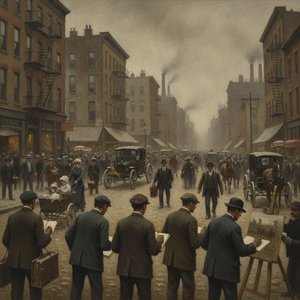
The Ashcan School: Capturing the Raw, Unfiltered Soul of Urban Life through American Realism
Discover the raw beauty of the Ashcan School. Explore how masters like Bellows and Henri captured the gritty, vibrant soul of early 20th-century New York through profound American Realism and evocative urban landscapes.

