


 실제 크기로 보기
 보내기
보내기 공유하기
공유하기
 상세 보기
상세 보기 가이드 보기

 이미지 다운로드
 유사 작품 더 보기
 X-레이
X-레이 슬라이드 쇼 보기
 통계 정보
통계 정보Windswept Trees
 Impressionism
 30.0 x 38.0 cm
Discover 'Windswept Trees' by James Hargreaves Morton – an evocative Impressionist landscape painting of a rural scene. Loose brushwork & muted tones capture fleeting beauty. A serene piece for art lovers.
James Hargreaves Morton (1881-1918) was a British artist known for evocative landscapes & rural scenes. Explore his paintings of trees, wildlife & daily life.
 상세 보기
상세 보기
지클레 / 아트 프린트
빠른 제작과 다양한 마감 옵션을 선택할 수 있는 박물관 수준의 지클레이 및 캔버스 프린트. ( 수작업 채색 복제본 주문하기 디지털 이미지 판매 채널로 전환)




































표준 규격
맞춤 제작
CM
INCH
작품의 원본 비율을 그대로 유지하는 프리셋 사이즈 중에서 선택해 보세요.
Loading sizes...

가로 너비
높이
액자나 벽면 크기에 맞춰 필요한 가로와 세로 길이를 입력해 주세요. 프린트는 원본 이미지보다 크게 제작할 수 없으며 오직 자르는 것만 가능하므로, 비율이 다른 사이즈를 선택할 경우 이미지의 일부가 잘려 나갈 수 있습니다. 인쇄 작업에 들어가기 전, 최종 확인을 위해 디지털 목업을 보내드립니다. 이 페이지에 표시된 이미지는 실제 잘리는 영역을 나타내지 않으며, 오직 목업을 통해서만 정확한 확인이 가능합니다.


 유리 옵션은 110cm 미만 크기에서만 선택 가능합니다.

Windswept Trees
지클레 / 아트 프린트
복제본 규격
-


총 결제 금액
₩ 93564
관련 작품들


작가 소개
James Hargreaves Morton: A Vision of Rural England
James Hargreaves Morton (1881-1918) remains a quietly compelling figure in British art, an Impressionistic painter who captured the essence of rural life in Lancashire with remarkable sensitivity and detail. Born into a family of cotton workers in Darwen – a town deeply intertwined with the industrial heartland of England – Morton’s artistic journey was initially shaped by his humble origins and a keen observation of the world around him. His work, often characterized by muted palettes, loose brushstrokes, and an intimate portrayal of landscapes and wildlife, offers a poignant glimpse into a vanishing era of rural England, imbued with both beauty and melancholy.
Morton’s early life provided a unique foundation for his artistic development. He received a basic education at local schools, including the Darwen Technical School and Higher Grade School, where he demonstrated an aptitude for drawing and perspective – skills that would later inform his meticulous depictions of trees, fields, and farmhouses. Crucially, he benefited from access to educational opportunities afforded by his family’s circumstances, a rare privilege for children of working-class families at the time. This early exposure to artistic principles, combined with his innate observational abilities, laid the groundwork for his distinctive style. His mother's untimely death in 1906, and subsequent struggles within the family, are believed to have spurred him towards pursuing art as a means of expression and livelihood.
- Early Influences: While specific artistic influences remain somewhat elusive due to limited documentation, it’s reasonable to suggest that Morton was influenced by the broader Impressionist movement, particularly the works of Claude Monet and John Constable. The emphasis on capturing fleeting moments of light and atmosphere, combined with a focus on everyday subjects, resonates strongly in his paintings.
- Technique: Morton's technique is characterized by a deliberate avoidance of sharp outlines and precise detail. Instead, he employed loose brushstrokes and layered washes of color to create a sense of depth and atmosphere. He skillfully utilized light and shadow to evoke the changing moods of the landscape, particularly during dawn and dusk.
- Subject Matter: His paintings predominantly feature scenes from rural Lancashire – windswept trees, quiet cottages, flocks of birds in flight, and glimpses of farm life. These subjects were not merely decorative; they reflected a deep connection to his roots and a profound appreciation for the natural world.
A Brief but Significant Career
Morton’s artistic career unfolded during a period of significant social and political upheaval in Britain. The early 20th century witnessed the rise of industrialization, urbanization, and growing social unrest. Despite these challenges, Morton continued to paint prolifically, exhibiting his work locally and establishing a modest reputation within the art community. His paintings were often displayed at local exhibitions and sold through various galleries, providing him with a limited but sustainable income.
A particularly intriguing episode in his life occurred during World War I when he was briefly suspected of espionage due to his sketching in the Lake District. This incident highlights the anxieties and suspicions prevalent during wartime, as well as the perceived threat posed by artists who documented the natural world. His military service, though brief, underscores the societal pressures faced by young men at the time.
Notable Works
- “White Cottage Landscape” (1908): This painting exemplifies Morton’s signature style – a serene depiction of a rural scene bathed in soft light. The composition is carefully balanced, with a small cottage nestled amidst rolling hills and trees. The use of earthy tones creates a sense of tranquility and timelessness.
- “Windswept Trees” (1912): This work captures the drama of a windswept landscape, with gnarled trees bending in the wind. The loose brushstrokes convey a sense of movement and energy, while the muted palette evokes the feeling of a damp autumn day.
- “Christine Hargreaves” (1960): This painting is an evocative portrait of Christine Hargreaves, one of the stars of Coronation Street. It captures her beauty and grace with a delicate touch.
Legacy and Historical Significance
Despite his relatively short career, James Hargreaves Morton left behind a significant body of work that offers valuable insights into the social and cultural landscape of early 20th-century Britain. His paintings are not merely representations of rural scenes; they are imbued with a sense of nostalgia for a disappearing way of life. Morton’s work is now recognized as an important example of British Impressionism, showcasing the unique artistic vision of a talented artist who captured the beauty and melancholy of his native Lancashire.
His story serves as a reminder that art can emerge from unexpected places – in the homes of working-class families, amidst the challenges of industrialization, and within the quiet corners of rural England. James Hargreaves Morton’s legacy continues to inspire artists and art lovers alike, reminding us of the enduring power of observation, empathy, and artistic expression.

James Hargreaves Morton
1881 - 1918
작가 정보 요약
- Full Name: James Hargreaves Morton
- Nationality: British
- Date Of Birth: 1881
- Date Of Death: 1918
- Place Of Birth: Darwen, Lancashire, UK
- Notable Artworks:
- White Cottage Landscape
- Windswept Trees
- Artistic Movement Or Style: Impressionism
- Artists Who Influenced This Artist: ['None specified']
- Artists Or Movements Influenced By This Artist: ['None specified']
관련 기사

The Timeless Charm of Oil on Board: Reimagining Texture and Light through the Impressionist Lens
Discover the profound intimacy of oil on panel. Explore how Impressionist masters used rigid supports to capture light, texture, and impasto depth through exquisite, handmade oil reproductions for discerning collectors.

The Beauty of Impermanence: Capturing Decay through Impressionist Eyes
Explore the profound beauty of impermanence through Impressionist and Post-Impressionist eyes. Discover how masters like Monet and Van Gogh captured fleeting light and the poetic essence of nature's transitions in our deep dive into art history and emotional landscapes.

Capturing the Soul: The Most Emotionally Moving Impressionist and Post-Impressionist Masterpieces
Discover the profound emotional depth of Impressionist and Post-Impressionist masterpieces. Explore how legends like Monet, Van Gogh, and Gauguin captured light and soul through evocative landscapes and vibrant brushwork for a timeless connection to art history.
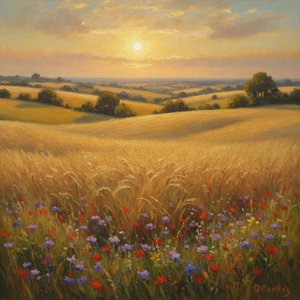
Golden Fields & Sun-Drenched Meadows: Capturing the Soul of Impressionist Landscapes
Immerse yourself in the luminous world of Impressionist landscapes. Discover how masters like Monet and Gauguin captured ephemeral light through plein air painting, and learn to bring the soul of sun-drenched meadows into your home with exquisite, hand-painted oil reproductions.

Beyond the Light: Capturing Raw Emotion and Subjective Vision in Post-Impressionist Landscapes
Explore the profound emotional depth of Post-Impressionist landscapes. Discover how masters like Van Gogh moved beyond light to capture raw human feeling through vibrant color and expressive texture in this expert art history retrospective.