





























아틀리에 — 전 세계 무료 배송 — 배송 기간 2~6주
위시리스트 장바구니
작품 구매하기 작품 구매하기이미지 구매하기 이미지 구매하기 공유하기공유하기
상세 정보상세 정보 즐겨찾기에 추가 즐겨찾기에 추가 다운로드다운로드 유사 작품유사 작품 X-레이X-레이 슬라이드 쇼슬라이드 쇼

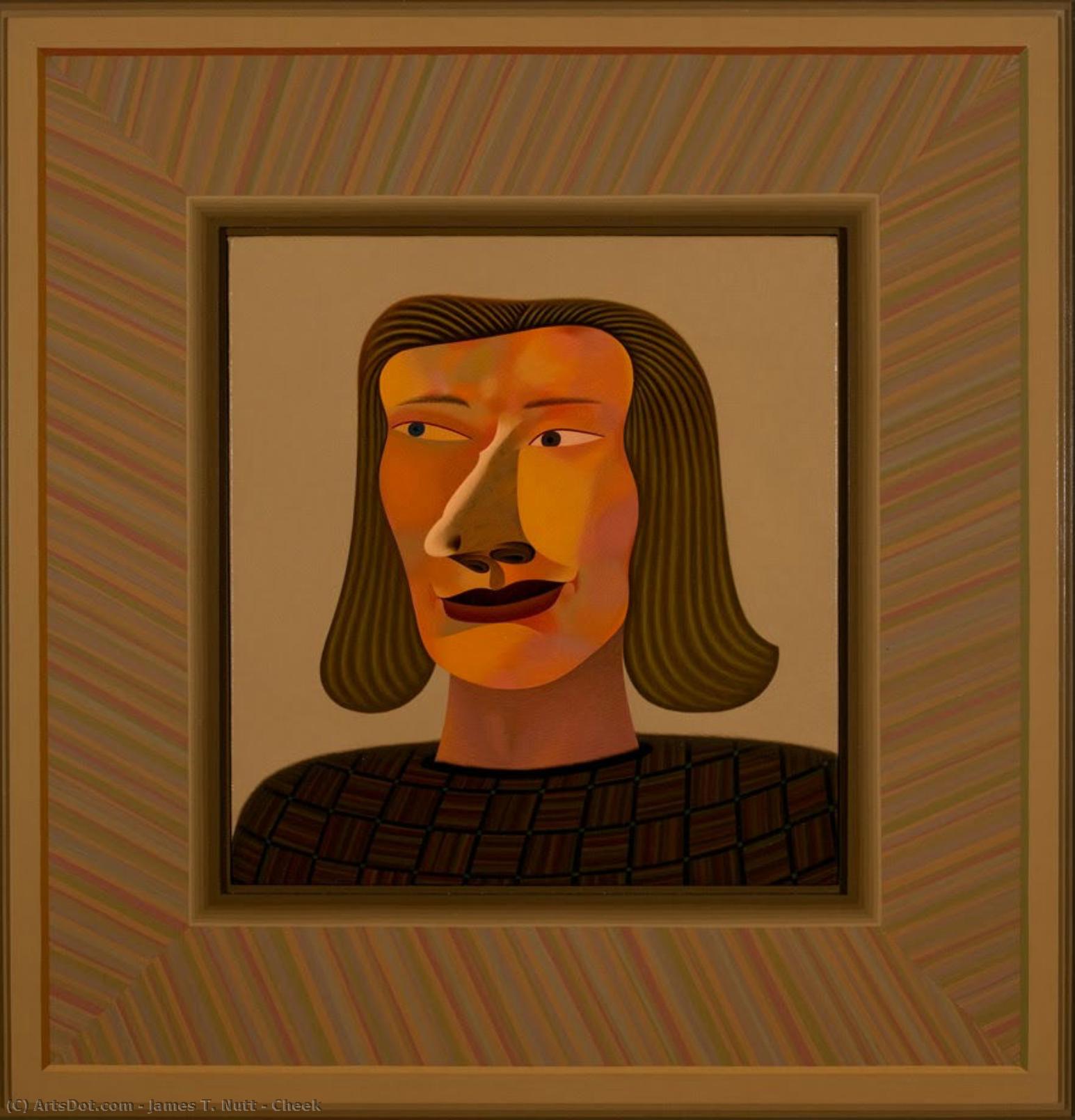
Cheek

A striking acrylic portrait of a woman's face featuring bold features by Chicago Imagist James T. Nutt from 1991, offering a vibrant and surreal vision for your collection.

Discover James T. Nutt, a founding Chicago Imagist & 'Hairy Who' member! His vibrant paintings explore surreal themes with bold lines & rich color – a significant American artist.

지클레 / 아트 프린트

빠른 제작과 다양한 마감 옵션을 제공하는 박물관 품질의 지클레이 또는 캔버스 프린트.

P118B $10
P118H $10
P118W $10
P438Z $10
P508JH $12
P508YH $12
P805H $10
P805Z $10
P919BZ $10
P919G $10
P919XJ $10
P959ZH $10
P968JZ $12
W106C $8
W218G $10
W218JH $8
W218Y $10
W307PJ $10
W316G $10
W316PJ $8
W316Y $10
W398PJ $8
W4111J $10
W500HY $15
W500JH $15
W692G $12
W849H $8
W940BG $15
W953PJ $8

Standard
custom
CM
INCH

작품의 원본 비율을 유지하는 미리 설정된 크기 중에서 선택하세요.

가로 너비
세로 길이

특정 프레임이나 공간에 맞춰 직접 치수를 입력하실 수 있습니다. 선택하신 사이즈가 원본 이미지의 비율과 일치하지 않을 경우, 작품을 크롭(자르기)하거나 이미지를 대칭 또는 단색 채우기로 확장하여 제작합니다. 제작 시작 전, 최종 확인을 위해 디지털 목업이 전송됩니다.
화면상의 미리보기는 실제 크롭이나 확장 상태를 반영하지 않으므로, 최종 구도는 오직 목업을 통해서만 정확하게 확인하실 수 있습니다.
맞춤 사이즈 제작도 가능하지만, 원본 비율을 유지하기 위해서는 사전 정의된 목록에서 치수를 선택하시는 것을 권장합니다.

전 세계 배송()은 일반적인 4~5주의 소요 기간 대신 2주 이내에 완료됩니다. (21 7월)

why_choose_icon
전 세계 무료 특급 배송
why_choose_icon
프리미엄 린넨 캔버스
why_choose_icon
전체 배송 보험 보장
why_choose_icon
관세 환불 보장
why_choose_icon
실제 색상 일치 보장
why_choose_icon
60일 이내 반품 정책 (제조 결함 시)
why_choose_icon
100% 환불 보장
why_choose_icon
다량 구매 할인 혜택

총 합계 금액

-

reproduction

Cheek

지클레 / 아트 프린트

복제본 크기

-

최종 결제 금액

-

작품 정보 요약

  • Title: Cheek
  • Subject or theme: Woman's face
  • Artist: James T. Nutt
  • Medium: Acrylic
  • Year: 1991

작품 상세 설명

A Gaze from the Chicago Imagist Tradition

In the evocative painting Cheek, created in 1991 by the master of surrealist intensity, James T. Nutt, we are invited into a profound and unsettling encounter with the human form. The work presents a striking portrait of a woman, her face emerging from a deep, earthen brown background that feels both intimate and infinite. There is an immediate, magnetic pull in her gaze; she looks directly at the viewer, bridging the gap between the canvas and the observer with a presence that is impossible to ignore. Nutt, a pivotal figure of the Chicago Imagists, utilizes his signature ability to blend the grotesque with the beautiful, creating a subject that feels both hyper-real and dreamlike.

The technique employed in this piece showcases the vibrant, tactile nature of acrylic paint. The artist uses color and texture to sculpt the features of the face, most notably a distinctive, prominent nose that serves as a focal point of the composition. This anatomical exaggeration is a hallmark of the Hairy Who aesthetic, where the rejection of polished East Coast Pop Art allowed for a more raw, visceral exploration of identity. The way the light catches the ridges of the skin and the short, textured hair creates a sense of movement within the stillness, making the portrait feel as though it is breathing alongside the viewer.

Beyond its technical prowess, Cheek carries a heavy emotional resonance. There is a certain vulnerability in the subject's expression, yet it is balanced by an undeniable strength. The choice of a warm, dark palette evokes a sense of nostalgia and psychological depth, reminiscent of classical portraiture but infused with a modern, subversive energy. For the collector or interior designer, this piece offers more than mere decoration; it provides a conversational centerpiece that challenges the eye and stirs the soul. When presented in an elegant gold frame, as seen in its most prestigious iterations, the painting transforms into a luxurious window into the surrealist psyche.

Integrating such a powerful work into a curated space requires an appreciation for its bold character. Whether placed in a contemporary gallery setting or a sophisticated residential study, Cheek acts as an anchor of intellectual and aesthetic intrigue. It is a testament to Nutt's enduring legacy—a piece that captures the raw, unvarnished essence of humanity through a lens of imaginative distortion, making it an essential acquisition for those who seek art that speaks, lingers, and haunts.


작가 약력

A Chicago Visionary: The Surreal World of James T. Nutt

James T. Nutt, born in Pittsfield, Massachusetts, in 1938, emerged as a pivotal figure in the vibrant and iconoclastic art scene of mid-century Chicago. He wasn’t simply *part* of a movement; he helped define it. Along with fellow artists like Gladys Nilsson – who would become his wife – Nutt was instrumental in forging the distinctive aesthetic of the Chicago Imagists, also known as the Hairy Who. This collective, born from the fertile ground of the School of the Art Institute of Chicago, rejected the prevailing cool detachment of East Coast Pop Art, opting instead for a raw, intensely personal, and often deliberately unsettling vision. Nutt’s journey wasn't one of immediate recognition; it was a gradual unfolding of a unique artistic language steeped in both high art tradition and the vernacular exuberance of popular culture.

Early Influences and the Formation of the Hairy Who

Nutt’s academic path was somewhat circuitous, drifting through studies of drawing and architecture before finding his true home at the Art Institute of Chicago in 1960. It was there he encountered Nilsson, a partnership that would prove both personally and artistically transformative. Crucially, they came under the mentorship of Whitney Halstead, an art history professor who provided intellectual guidance and encouragement. Halstead introduced them to Don Baum, whose Hyde Park Art Center became a crucial exhibition space for their burgeoning group. The Hairy Who’s initial 1966 show was a deliberate provocation—a rejection of minimalist formalism in favor of intensely figurative work brimming with sexual energy, cartoonish imagery, and a deliberately “bad taste” aesthetic. They drew inspiration from sources often dismissed by the art establishment: pulp magazines, advertising, comics, folk art, and even tattoos. However, Nutt’s work wasn't merely appropriation; it was a complex synthesis of these elements filtered through a deeply personal sensibility. He didn’t simply *use* pop culture imagery; he dissected it, reconfigured it, and imbued it with a psychological weight that set his paintings apart.

Developing a Distinctive Style: Line, Color, and the Grotesque

Nutt's artistic development saw him refine a style characterized by bold lines, saturated color palettes, and an embrace of the grotesque. His early works often employed plexiglass as a support, painting on the reverse side—a challenging technique that demanded precision and allowed for a unique luminosity. This process contributed to the density and immediacy of his compositions. The figures in these paintings are rarely conventionally beautiful; they’re bulbous, misshapen, and often fragmented, evoking a sense of both fascination and unease. Critics have noted the influence of European Expressionism and Surrealism, but Nutt's work is distinctly American—rooted in a specific cultural context and infused with a uniquely subversive humor. He wasn’t interested in replicating reality; he sought to reveal the hidden anxieties and desires lurking beneath its surface. His paintings are populated by hybrid creatures, distorted bodies, and ambiguous narratives that invite multiple interpretations. The meticulous craftsmanship belies the seemingly chaotic energy of his compositions—each line, each color choice is deliberate, contributing to a carefully constructed visual world.

Recognition and Lasting Impact

While initially met with resistance from some corners of the art world, Nutt’s work gradually gained recognition for its originality and uncompromising vision. He was one of six artists representing the United States at the 1972 Venice Biennale—a significant achievement that brought international attention to the Chicago Imagist movement. Major exhibitions followed at institutions like the Museum of Contemporary Art in Chicago, the Milwaukee Art Museum, and the Whitney Museum of American Art. Throughout his career, Nutt has consistently pushed the boundaries of figurative painting, challenging conventional notions of beauty and taste. His influence can be seen in the work of numerous contemporary artists who embrace a similar blend of high art and low culture, psychological depth and visual exuberance. He is often lauded as “the premier artist of his generation” by curators like Lynne Warren, a testament to the enduring power and originality of his vision.

A Legacy of Surreal Exploration

James T. Nutt’s contribution extends beyond his individual paintings; he helped establish a new paradigm for figurative art—one that embraced subjectivity, challenged established norms, and celebrated the complexities of the human psyche. His work continues to resonate with audiences today, offering a compelling glimpse into a surreal world where beauty and grotesquerie coexist, and where the boundaries between high art and popular culture are blurred beyond recognition. He remains an active artist, continuing to explore the themes that have defined his career—a testament to his enduring creativity and unwavering commitment to his unique artistic vision.
james t. nutt

james t. nutt

1938 - , United States of America

주요 정보

  • Artistic Movement Or Style: Chicago Imagists, Surrealism
  • Date Of Birth: November 28, 1938
  • Full Name: James T. Nutt
  • Nationality: American
  • Notable Artworks:
    • Rosie Comon
    • Toot and Toe
    • Cheek
  • Place Of Birth: Pittsfield, USA
© TopImpressionists.com — All Rights Reserved  ·  100% 수작업 페인팅 · 만족 보장 · 전 세계 무료 배송
VISA MASTERCARD








