


 실제 크기로 보기
 보내기
보내기 공유하기
공유하기
 상세 보기
상세 보기 가이드 보기

 이미지 다운로드
 유사 작품 더 보기
 X-레이
X-레이 슬라이드 쇼 보기
 통계 정보
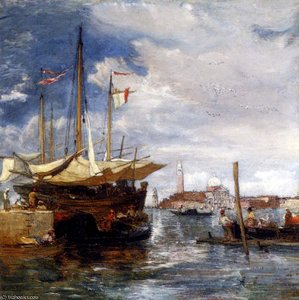
통계 정보Evening stroll, venice

Experience 'Evening Stroll, Venice' by James Wilson Morrice – a captivating Impressionist painting of Venetian canals at dusk. Loose brushstrokes & warm colors evoke tranquility. Hand-painted reproductions available.
James Wilson Morrice (1865-1924) was a pioneering Canadian painter known for his evocative landscapes & scenes of Paris, Venice & the Caribbean. Influenced by Whistler & Impressionism, he bridged European modernism with Canadian art. Discover his del
 상세 보기
상세 보기
핸드메이드 유화 복제화
작가가 직접 캔버스에 손으로 그린 유화 작품으로, 원하는 크기와 액자로 맞춤 제작해 드립니다. ( 프린트 판매로 전환 디지털 이미지 판매 채널로 전환)




P118B ₩10

P118H ₩10

P118W ₩10

P438Z ₩10

P508JH ₩12

P508YH ₩12

P805H ₩10

P805Z ₩10

P919BZ ₩10

P919G ₩10

P919XJ ₩10

P959ZH ₩10

P968JZ ₩12

W106C ₩8

W218G ₩10

W218JH ₩8

W218Y ₩10

W307PJ ₩10

W316G ₩10

W316PJ ₩8

W316Y ₩10

W398PJ ₩8

W4111J ₩10

W500HY ₩15

W500JH ₩15

W692G ₩12

W849H ₩8

W940BG ₩15

W953PJ ₩8




표준 규격
맞춤 제작
CM
INCH
작품의 원본 비율을 그대로 유지하는 프리셋 사이즈 중에서 선택해 보세요.
Loading sizes...

가로 너비
높이
액자나 벽면 크기에 맞춰 필요한 가로와 세로 길이를 입력해 주세요. 본 작품은 수작업으로 제작되므로, 요청하신 비율에 따라 작가가 그림의 가장자리를 조금 더 넓게 그리거나 일부를 조정하여 작업할 수 있습니다. 작업 시작 전, 최종 확인을 위해 디지털 목업 이미지를 보내드립니다. 이 페이지에 표시된 이미지는 실제 결과물과 다를 수 있으며, 오직 목업 이미지만이 정확한 결과물을 보여줍니다.
변경 가능한 예시: 얼굴을 고객님의 사진으로 교체, 반려동물 추가(예: 고양이를 강아지로 변경), 배경에 숨겨진 메시지 삽입, 배경 풍경 또는 요소 변경 등
주문 완료 후 TopImpressionists.com 팀에서 상세 안내를 위해 고객님께 이메일을 보내드리며, 미리보기 시안을 함께 제공해 드립니다.
주문 완료 후 TopImpressionists.com 팀에서 상세 안내를 위해 고객님께 이메일을 보내드리며, 미리보기 시안을 함께 제공해 드립니다.


 유리 옵션은 110cm 미만 크기에서만 선택 가능합니다.

Evening stroll, venice
재현 매체
복제본 규격
-


총 결제 금액
₩ 365651
관련 작품들



작가 소개
The Bohemian Visionary: The Life and Legacy of James Wilson Morrice
In the grand tapestry of Canadian art history, few threads are as vibrant or as cosmopolitan as those woven by James Wilson Morrice. Born in 1865 to a prosperous merchant family in Montreal, Morrice possessed a spirit that could not be contained by the rigid structures of his upbringing. Though he initially pursued the disciplined path of law at the University of Toronto, the siren call of the canvas proved irresistible. By 1890, he had abandoned the courtroom for the studios of Europe, setting in motion a journey that would transform him from a Canadian student into an international modernist. His life was a delicate dance between the stability of his wealthy roots and the wandering, often turbulent, existence of a true bohemian.
Morrice’s arrival in Paris marked the beginning of a profound artistic metamorphosis. Immersed in the heart of the art world, he became a bridge between the fading echoes of Whistlerian tonalism and the burgeoning energy of Impressionism and Fauvism. He did not merely observe these movements; he lived them, absorbing the subtle atmospheric nuances of James McNeill Whistler and later experimenting with the bold, emotive palettes of Henri Matisse. His time at the Académie Julian provided the technical foundation, but it was his wanderlust that provided his soul. From the sun-drenched streets of Tangiers to the misty canals of Venice and the bustling café cultures of Paris, Morrice captured the world through a lens of "sudden vision," a quality so striking that contemporaries described his paintings as if they flew out of a box of butterflies.
A Mastery of Light, Color, and the Pochade
The true genius of Morrice lay in his ability to distill vast landscapes and complex urban scenes into intimate, evocative moments. He became particularly renowned for his use of pochades—small, rapid oil sketches that captured the fleeting essence of light and atmosphere with remarkable immediacy. These works were not merely studies but complete emotional experiences, characterized by a loose, fluid brushstroke and a sophisticated understanding of color harmony. His early work often leaned toward a muted, tonal palette, reflecting a deep respect for the atmospheric subtleties of Whistler. However, as his travels took him to North Africa and the Caribbean, his work underwent a luminous evolution.
As his style matured, the influence of Post-Impressionism became increasingly evident. The shadows in his landscapes began to pulse with color, and the light of the Mediterranean or the warmth of a Quebec winter was rendered with an unprecedented vibrancy. His subject matter was as diverse as his travels, ranging from:
- Urban Intimacy: Capturing the ephemeral magic of Parisian street scenes, café culture, and public gatherings.
- Serene Landscapes: Evoking the quiet majesty of Canadian winters and the lush, tropical rhythms of the Caribbean.
- Atmospheric Voyages: Documenting the shimmering reflections of Venice and the dusty, sun-soaked textures of North Africa.
A Tragic End and an Enduring Impression
Despite his immense professional triumphs—including being the first Canadian painter to achieve true international renown and serving as vice-president of the Salon d'Automne—Morrice’s personal life was marked by profound struggle. The later years of his life were shadowed by the hardships of war and the heavy toll of alcoholism. His journey, which had spanned the most celebrated art capitals of the world, reached a somber conclusion in 1924 at a military hospital in Tunis. He died far from the Montreal streets of his youth, yet his presence remained etched into the very identity of Canadian modernism.
The historical significance of James Wilson Morrice cannot be overstated. He was the pioneer who broke the provincial boundaries of Canadian art, proving that a painter from the North could speak the universal language of modernism. By synthesizing European aesthetic innovations with a uniquely sensitive observation of the natural world, he paved the way for future generations of Canadian artists to explore identity through light and color. Today, his works reside in the most prestigious collections, including the National Gallery of Canada, serving as a testament to a man who saw the world not just as it was, but as a shimmering, transient masterpiece waiting to be captured.

James Wilson Morrice
1865 - 1924 , Canada
작가 정보 요약
- Full Name: James Wilson Morrice
- Nationality: Canadian
- Date Of Birth: 1865
- Date Of Death: 1924
- Place Of Birth: Montreal, Canada
- Notable Artworks:
- Venice
- Evening Stroll, Venice
- QUAI DES GRANDS AUGUSTINS
- Artistic Movement Or Style: Impressionism & Post-Impressionism
- Artists Who Influenced This Artist:
- Whistler
- Brymner
- Artists Or Movements Influenced By This Artist: ['Van Gogh']
관련 기사

The Luminous Hallway: Transforming Your Home with the Ethereal Magic of Impressionist Masterpieces
Transform your hallways with the luminous beauty of Impressionist masterpieces. Discover expert tips on selecting Monet-inspired palettes and multi-panel landscapes to create a breathtaking, light-filled gallery walk in your home. Elevate your space with timeless, hand-painted elegance.

Capturing the Soul: The Most Emotionally Moving Impressionist and Post-Impressionist Masterpieces
Discover the profound emotional depth of Impressionist and Post-Impressionist masterpieces. Explore how legends like Monet, Van Gogh, and Gauguin captured light and soul through evocative landscapes and vibrant brushwork for a timeless connection to art history.

The Beauty of Impermanence: Capturing Decay through Impressionist Eyes
Explore the profound beauty of impermanence through Impressionist and Post-Impressionist eyes. Discover how masters like Monet and Van Gogh captured fleeting light and the poetic essence of nature's transitions in our deep dive into art history and emotional landscapes.

The Art of Connection: Capturing Beautiful Gatherings through Impressionist Masterpieces
Explore the profound beauty of human connection through Impressionist and Post-Impressionist masterpieces. Discover how masters like Renoir and Van Gogh captured light, emotion, and communal joy in timeless works of art designed to inspire your home.

Painting with Light: How Impressionist Masterpieces Transform Your Home's Mood
Discover how Impressionist masterpieces transform your home's mood. Explore the luminous beauty of Monet and Renoir through our exquisite, hand-painted oil reproductions designed to bring light, warmth, and timeless elegance to your living space.