


 실제 크기로 보기
 보내기
보내기 공유하기
공유하기
 상세 보기
상세 보기 가이드 보기

 이미지 다운로드
 유사 작품 더 보기
 X-레이
X-레이 슬라이드 쇼 보기
 통계 정보
통계 정보Judith


A dramatic Renaissance painting of Judith slaying Holofernes, showcasing Jan Sanders van Hemessen's masterful realism and moral storytelling. A captivating piece of art history.
 상세 보기
상세 보기
얀 산데르스 판 헤메센(c. 1500-1566)은 로마주의 학파의 핵심적인 플랑드르 르네상스 화가로, 풍속화의 개척자이자 당대의 세밀한 묘사를 통해 교훈적인 장면을 그려낸 것으로 유명합니다. 이탈리아 예술의 영향을 받아 매너리즘의 전조를 보여주었습니다.
지클레 / 아트 프린트
빠른 제작과 다양한 마감 옵션을 선택할 수 있는 박물관 수준의 지클레이 및 캔버스 프린트. ( 수작업 채색 복제본 주문하기 디지털 이미지 판매 채널로 전환)




P118B ₩10

P118H ₩10

P118W ₩10

P438Z ₩10

P508JH ₩12

P508YH ₩12

P805H ₩10

P805Z ₩10

P919BZ ₩10

P919G ₩10

P919XJ ₩10

P959ZH ₩10

P968JZ ₩12

W106C ₩8

W218G ₩10

W218JH ₩8

W218Y ₩10

W307PJ ₩10

W316G ₩10

W316PJ ₩8

W316Y ₩10

W398PJ ₩8

W4111J ₩10

W500HY ₩15

W500JH ₩15

W692G ₩12

W849H ₩8

W940BG ₩15

W953PJ ₩8




표준 규격
맞춤 제작
CM
INCH
작품의 원본 비율을 그대로 유지하는 프리셋 사이즈 중에서 선택해 보세요.
Loading sizes...

가로 너비
높이
액자나 벽면 크기에 맞춰 필요한 가로와 세로 길이를 입력해 주세요. 프린트는 원본 이미지보다 크게 제작할 수 없으며 오직 자르는 것만 가능하므로, 비율이 다른 사이즈를 선택할 경우 이미지의 일부가 잘려 나갈 수 있습니다. 인쇄 작업에 들어가기 전, 최종 확인을 위해 디지털 목업을 보내드립니다. 이 페이지에 표시된 이미지는 실제 잘리는 영역을 나타내지 않으며, 오직 목업을 통해서만 정확한 확인이 가능합니다.


 유리 옵션은 110cm 미만 크기에서만 선택 가능합니다.

Judith
지클레 / 아트 프린트
복제본 규격
-


총 결제 금액
₩ 93667
Jan Sanders van Hemessen’s “Judith” – A Masterpiece of Moral Drama
Jan Sanders van Hemessen's "Judith," painted around 1540, isn’t merely a depiction of a biblical tale; it’s a meticulously crafted moral drama rendered with the vibrant realism and psychological depth characteristic of the Northern Renaissance. This arresting image captures the pivotal moment when Judith, the courageous Jewish widow, delivers the fatal blow to Holofernes, the Assyrian general, thereby saving her besieged city. Van Hemessen, a key figure in the burgeoning Flemish genre painting movement, elevates this ancient story into a compelling meditation on female strength, strategic cunning, and divine justice – all presented with an astonishing level of detail and emotional resonance.
The composition immediately commands attention. Judith is not portrayed as a delicate heroine; instead, she’s depicted as a powerfully muscled figure, her body taut with effort and determination. Her profile, turned towards the viewer, conveys both resolve and a hint of grim satisfaction. The severed head of Holofernes, held aloft in her other hand, isn't presented in a gruesome manner but rather as a stark symbol of vanquished tyranny. Van Hemessen masterfully utilizes chiaroscuro – the dramatic interplay of light and shadow – to sculpt Judith’s form and emphasize the weight of her action. The dark background serves not as mere backdrop but as a stage upon which this decisive moment unfolds, drawing all focus onto the central figures.
A Renaissance Vision: Style and Technique
Van Hemessen's style is deeply rooted in the artistic traditions of Italy, particularly the work of Michelangelo and Raphael. He absorbed their emphasis on idealized human forms, dynamic poses, and a profound understanding of anatomy. However, he skillfully adapted these influences to create a distinctly Northern Renaissance aesthetic. The painting’s realism is remarkable; from the intricate folds of Judith's dress to the texture of Holofernes’s beard and the glistening blood staining his face, every detail is rendered with painstaking precision. Van Hemessen was renowned for his ability to capture the nuances of human expression, evident in Judith’s focused gaze and the subtle hint of triumph in her posture.
The painting's technique showcases van Hemessen’s mastery of oil paint. He employed a layering approach, building up color gradually to achieve rich, luminous effects. The use of impasto – applying thick layers of paint directly onto the canvas – adds texture and depth to the figures and background. This meticulous attention to detail is further enhanced by his skillful handling of light and shadow, creating a sense of three-dimensionality that brings the scene vividly to life.
Symbolism and Narrative Depth
Beyond its visual beauty, “Judith” is laden with symbolic meaning. The story itself carries significant weight within Jewish tradition, representing themes of courage, faith, and resistance against oppression. Judith’s actions are not simply a violent act but an embodiment of strategic intelligence and righteous defiance. The depiction of Judith as a physically strong woman challenging a powerful male figure speaks to the Renaissance fascination with female agency – a theme that was increasingly explored in art during this period.
Furthermore, the painting can be interpreted as a broader allegory for the triumph of good over evil. Holofernes represents the forces of tyranny and corruption, while Judith embodies virtue and justice. The act of decapitation symbolizes the ultimate defeat of these forces, suggesting that moral strength and strategic action can overcome even the most formidable adversaries. The inclusion of the severed head is not intended to glorify violence but rather to underscore the consequences of injustice and the necessity of resistance.
A Legacy of Moralizing Art
“Judith” stands as a prime example of the moralizing art that flourished in the Netherlands during the 16th century. Artists like van Hemessen sought to create works that not only depicted biblical stories but also conveyed important ethical and religious lessons. This painting, with its compelling narrative, masterful technique, and profound symbolism, continues to resonate with viewers today – a testament to the enduring power of art to illuminate human experience and inspire reflection.
질의응답
증강 현실(AR)을 사용하여 제 방에 얀 산데르스 판 헤메센의 "Judith"를 배치해 볼 수 있나요?
얀 산데르스 판 헤메센의 "Judith"의 AR 미리보기 페이지에서는 증강 현실(AR) 기술을 사용하여 호환 가능한 기기를 통해 작품이 사용자의 공간에 배치된 모습을 미리 확인할 수 있습니다.
얀 산데르스 판 헤메센의 "Judith"의 제작 연도는 언제인가요?
얀 산데르스 판 헤메센의 "Judith"은(는) 1540년에 제작되었습니다.
Northern Renaissance 사조의 작품 "Judith"은 어떤 감정을 전달하나요?
"Judith"은 Northern Renaissance 운동 내에서 Melancholic 정서를 담아내고 있습니다.
작가 소개
얀 산데르스 판 헤메센: 플랑드르 풍속화의 선구자
얀 산데르스 판 헤메센(c. 1500 – c. 1566)은 플랑드르 르네상스 미술사에서 중추적인 인물로 자리매김하고 있습니다. 그는 특히 풍속화라는 새로운 장르에 혁신적인 기여를 한 예술가로 평가받으며, 당대의 놀라운 세부 묘사를 통해 도덕적 교훈을 담은 장면들을 거장다운 필치로 그려냈습니다. 당시 브라반트 공국의 일부였던 벨기에 헤미켐에서 태어난 판 헤메센의 예술적 여정은 안트베르펜에서 헨드릭 반 클레베 1세의 가르침을 받으며 시작되었고, 이는 그를 르네상스 네덜란드의 활기찬 예술적 환경 속에 깊이 뿌리 내리게 했습니다. 그의 형성기는 고전적 이상과 인문주의 학문에 대한 깊은 몰입으로 특징지어지는데, 이는 라오콘 군상이나 미켈란젤로의 조각과 같은 고대 유물들과의 만남을 통해 더욱 풍성해졌으며, 이러한 영향력은 이후 그의 모든 작품 세계에 스며들게 되었습니다.- 초기 교육과 여정: 판 헤메센의 도제 시절은 그에게 기초적인 예술적 기술을 심어주었을 뿐만 아니라, 1520년대 초 이탈리아로 떠난 여정을 통해 그의 시야를 넓혀주었습니다. 이 결정적인 방문을 통해 그는 피렌체와 로마의 예술적 열기 속에 자신을 던질 수 있었고, 레오나르도 다 빈치와 미켈란젤로가 주창한 양식적 혁신들을 흡수했습니다. 이 거장들의 기념비적인 업적은 당대의 시각적 언어에 깊은 영향을 미쳤습니다. 또한 그는 1536년 중반 파리 근교의 퐁텐블로를 방문하여, 프랑수아 1세 치하에서 퐁텐블로 궁전을 장식하던 이탈리아 예술가 집단인 '퐁텐블로 학파'의 태동을 직접 목격하기도 했습니다. 이러한 경험은 매너리즘 미학에 대한 그의 이해를 공고히 했으며, 이후 시대를 특징짓게 될 양식적 발전을 예견하는 계기가 되었습니다.
- 로마주의의 영향과 예술적 스타일: 판 헤메센의 예술적 감수성은 이탈리아 르네상스의 이상에 깊은 빚을 지고 있던 플랑드르 회화의 한 분파인 로마주의 운동과 완벽하게 맞닿아 있었습니다. 로마주의 화가들은 피렌체 예술의 웅장함과 정교함을 모방하고자 했으며, 북유럽의 지배적인 고딕 전통과는 차별화된 이상화된 형태와 조화로운 구도를 우선시했습니다. 그의 회화에는 고전 신화와 알레고리 요소들이 빈번하게 등장하는데, 이는 도덕 철학과 지적 담론에 몰두했던 당시 인문주의자들의 관심을 반영하고 있습니다.
풍속화와 도덕적 비전
판 헤메센의 예술적 유산은 플랑드르 미술 내에서 풍속화를 하나의 독자적인 예술 범주로 확립시킨 선구적인 역할에 그 근간을 두고 있습니다. 북유럽 르네상스 회화의 주류를 이루었던 종교적 도상학과는 달리, 그의 풍속화 장면들은 일상적인 삶을 포착하여 평범한 활동과 상호작징에 참여하는 인물들을 가감 없는 사실주의로 그려냈습니다. 그러나 이러한 묘사는 단순히 관찰에 그치지 않았습니다. 그는 정교하게 짜인 서사와 상징적 이미지를 통해 윤리적 규범을 전달하는 도덕적 교육의 매개체로서 작품을 활용했습니다. 그의 찬란한 걸작인 <탕자의 귀환>은 이러한 이중적 기능을 눈부시게 보여줍니다. 당대의 건축 양식과 의복에 대한 세심한 주의를 증명하듯 풍성하고 상세한 선술집 배경을 바탕으로, 이 장면은 회개의 주제와 용서라는 성경적 교훈을 극적인 긴장감 속에 풀어냅니다. 이 작품은 이후 수십 년 동안 번창하게 될 '즐거운 일행(Merry Company)' 전통의 서막을 알렸으며, 세속적인 주제에 깊은 영적 울림을 불어넣는 판 헤메센만의 탁월한 능력을 입증했습니다.- 주요 작품들: 그의 수많은 작품 중에는 놀라운 심리적 깊이로 성경 속 장면을 구현하며 북적이는 시장의 분위기를 생생하게 포착한 <성 마태오의 부르심>, 예술적 창조성을 찬양하는 정교한 타블로를 선보이며 구도와 색채의 거장다운 통제력을 보여준 <예술의 어머니로서의 자연의 알레고리>, 그리고 카타리나 반 헤메센 자신을 포함한 저명인들의 초상화가 있습니다. 이 초상화들은 인물의 외형적 닮음뿐만 아니라 그 내면의 성격까지 전달해내는 그의 독보적인 기술을 잘 보여줍니다.
유산과 역사적 의의
종교적 격변기였던 1566년, 안트베르펜의 예술적 보물들을 파괴했던 '성상 파괴 운동(Beeldenstorm)'의 참혹한 폐허 속에서도 판 헤메센의 영향력은 굴하지 않고 지속되었습니다. 그는 플랑드르 미술의 궤적을 형성하며 당대 가장 앞서나가는 예술가 중 한 명으로 자리 잡았습니다. 풍속화에 대한 그의 혁신적인 접근 방식은 기존의 예술적 규범에 도전하여 일상적인 삶을 미적 명상의 영역으로 격상시켰으며, 그 안에 도덕적 의미를 부여했습니다. 나아가 매너리즘 미학—양식화된 형태와 극적인 대비가 특징인—을 수용한 그의 노력은 플랑드르 미술이 표현의 역동성이 넘치는 새로운 시대로 나아가는 발판이 되었습니다. 선구적인 예술가로서 판 헤메센이 남긴 영원한 명성은 예술적 탁월함을 향한 그의 흔들림 없는 헌신과 북유럽 문화유산에 기여한 지울 수 없는 업적을 증명하고 있습니다.
얀 산데르스 판 헤메센
1500 - 1566 , 벨기에
작가 정보 요약
- Artistic Movement Or Style: 로마니즘 학파
- Artists Or Movements Influenced By This Artist: ['피터르 아르첸']
- Artists Who Influenced This Artist: ['헨드릭 판 클레브 1세']
- Date Of Birth: 약 1500년
- Date Of Death: 약 1566년
- Full Name: 얀 산데르스 판 헤메센
- Nationality: 플랑드르
- Notable Artworks:
- 탕아의 귀환
- 성 마태오의 부름
- 예술의 어머니로서의 자연의 알레고리
- Place Of Birth: 벨기에 헤미켐
관련 기사

렘브란트 반 레인 명작 25선: 빛과 그림자의 거장, 예술의 정수를 만나다
렘브란트 반 레인 명작 25선을 만나보세요. 빛과 그림자의 거장이 그린 역사화, 초상화 속 예술의 정수를 감상하고, 네덜란드 황금시대 바로크 미술의 깊이를 느껴보세요. TopImpressionists.com에서 고품질 복제화를 컬렉션하세요.

Jan van Eyck: Innovation, Symbolism & the Dawn of Early Netherlandish Painting
Explore the revolutionary art of Jan van Eyck! Discover his groundbreaking oil painting techniques, hidden symbolism, and lasting impact on the Early Netherlandish Renaissance. A deep dive for art enthusiasts.

Early Netherlandish Masters: 10 Paintings That Revolutionized Art & Decor
Journey into the Early Netherlandish Renaissance! Explore 10 iconic paintings by Jan van Eyck, Rogier van der Weyden & more. Discover stunning detail, symbolism, and oil painting techniques. Find museum-quality art reproductions for your home at TopImpressionists.com.

Early Netherlandish Masters: 10 Paintings That Revolutionized Art & Decor
Journey into the world of Early Netherlandish painting! Explore 10 masterpieces by Jan van Eyck, Rogier van der Weyden & more. Discover stunning detail, symbolism & Renaissance art for your home decor. Find museum-quality reproductions on TopImpressionists.com
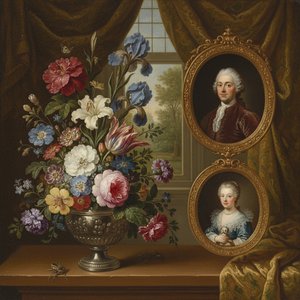
Jan van Kessel the Elder: A Baroque Master of Floral Still Life & Miniature Portraiture
Discover the exquisite detail of Jan van Kessel the Elder's Baroque floral still lifes & captivating miniatures. Explore his artistic legacy, scientific precision, and lasting influence on 17th-century Flemish painting.