


 실제 크기로 보기
 보내기
보내기 공유하기
공유하기
 상세 보기
상세 보기 가이드 보기

 이미지 다운로드
 유사 작품 더 보기
 X-레이
X-레이 슬라이드 쇼 보기
 통계 정보
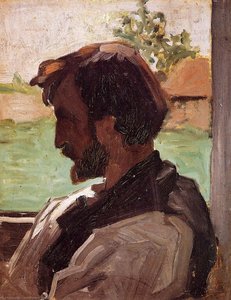
통계 정보Self Portrait with Palette


Admire Frédéric Bazille's 'Self-Portrait with Palette' (1865). A poignant glimpse into the life of an Impressionist painter, capturing his dedication and artistic spirit in a striking self-portrait.
 상세 보기
상세 보기
인상주의의 주요 화가 장 프레데릭 바지유(1841-1870). 모네, 르누아르와 교류하며 빛과 색채를 탐구한 풍경화와 인물화를 감상하세요. 뮤제 도르세 대표 작가.
지클레 / 아트 프린트
빠른 제작과 다양한 마감 옵션을 선택할 수 있는 박물관 수준의 지클레이 및 캔버스 프린트. ( 수작업 채색 복제본 주문하기 디지털 이미지 판매 채널로 전환)




P118B ₩10

P118H ₩10

P118W ₩10

P438Z ₩10

P508JH ₩12

P508YH ₩12

P805H ₩10

P805Z ₩10

P919BZ ₩10

P919G ₩10

P919XJ ₩10

P959ZH ₩10

P968JZ ₩12

W106C ₩8

W218G ₩10

W218JH ₩8

W218Y ₩10

W307PJ ₩10

W316G ₩10

W316PJ ₩8

W316Y ₩10

W398PJ ₩8

W4111J ₩10

W500HY ₩15

W500JH ₩15

W692G ₩12

W849H ₩8

W940BG ₩15

W953PJ ₩8




표준 규격
맞춤 제작
CM
INCH
작품의 원본 비율을 그대로 유지하는 프리셋 사이즈 중에서 선택해 보세요.
Loading sizes...

가로 너비
높이
액자나 벽면 크기에 맞춰 필요한 가로와 세로 길이를 입력해 주세요. 프린트는 원본 이미지보다 크게 제작할 수 없으며 오직 자르는 것만 가능하므로, 비율이 다른 사이즈를 선택할 경우 이미지의 일부가 잘려 나갈 수 있습니다. 인쇄 작업에 들어가기 전, 최종 확인을 위해 디지털 목업을 보내드립니다. 이 페이지에 표시된 이미지는 실제 잘리는 영역을 나타내지 않으며, 오직 목업을 통해서만 정확한 확인이 가능합니다.


 유리 옵션은 110cm 미만 크기에서만 선택 가능합니다.

Self Portrait with Palette
지클레 / 아트 프린트
복제본 규격
-


총 결제 금액
₩ 93667
A Moment Frozen in Time: Jean Frédéric Bazille’s “Self Portrait with Palette”
Jean Frédéric Bazille's "Self Portrait with Palette," painted in 1865, is more than just a depiction of an artist; it’s a poignant snapshot of ambition, vulnerability, and the burgeoning spirit of Impressionism. Created during a remarkably brief but intensely productive period in his career, this oil-on-canvas work offers a rare glimpse into the mind of a young man grappling with his artistic aspirations amidst the vibrant, transformative atmosphere of Paris. The painting resides within the esteemed collection of the Art Institute of Chicago, a testament to its enduring quality and significance.
The composition is strikingly direct and unadorned. Bazille, dressed in a dark suit and tie – attire indicative of his medical studies before embracing art full-time – stands before a simple, dark background. His gaze meets the viewer head-on, an almost disconcerting level of intimacy that immediately draws us into the scene. In his hand, he holds a palette brimming with vibrant pigments, hinting at the creative energy simmering beneath the surface. The subtle inclusion of brushes further emphasizes his profession and the tools of his trade. The painting’s stark simplicity—a deliberate choice by Bazille—forces us to confront the artist himself, stripping away any romanticized notions of artistic genius and presenting a raw, honest portrayal.
Impressionism in Miniature: Technique and Light
Bazille's technique is firmly rooted in the principles of Impressionism, though with a distinctly personal touch. He employs loose brushstrokes and a broken color palette—a hallmark of the movement—to capture the fleeting effects of light and atmosphere. Notice how he doesn’t meticulously render every detail; instead, he uses dabs and dashes of paint to suggest form and texture. The lighting is particularly noteworthy – it's diffused and naturalistic, casting soft shadows that contribute to the painting’s overall sense of immediacy. The artist was experimenting with *plein air* painting—working outdoors directly from nature—a technique championed by Monet and others during this period, aiming to capture the transient qualities of light and color.
Interestingly, Bazille utilized a mirror to create this self-portrait, a common practice among artists seeking to accurately represent their own features. This method allowed him to observe his posture, expression, and overall appearance with meticulous detail, ensuring a truthful representation of himself. The subtle asymmetry in the composition—a slight tilt of the head, for instance—adds to the painting’s sense of spontaneity and immediacy.
A Life Cut Short: Context and Symbolism
Understanding the historical context surrounding Bazille's life is crucial to appreciating this work fully. Born in Montpellier, France, in 1841, he initially pursued a medical career alongside his artistic inclinations, a compromise dictated by his family’s desire for financial security. However, drawn to the vibrant artistic community of Paris, he abandoned medicine in favor of painting, a decision that ultimately proved tragically short-lived. Bazille was killed during the Franco-Prussian War in 1870, at just twenty-eight years old – a devastating loss for the burgeoning Impressionist movement.
The “Self Portrait with Palette” can be interpreted as a symbolic representation of this young artist’s aspirations and anxieties. The palette itself represents his creative potential, while his direct gaze suggests a desire to connect with the viewer—to share his artistic vision. Some art historians suggest that Bazille's melancholy expression hints at the pressures he faced, balancing his artistic ambitions with societal expectations and the looming shadow of war. It’s a portrait not just of an artist, but of a man on the cusp of greatness, grappling with mortality and the uncertainties of his future.
A Legacy of Light: The Painting's Enduring Appeal
Despite its brevity, Bazille’s career left an indelible mark on the Impressionist movement. His work exemplifies the movement’s focus on capturing fleeting moments of light and color, as well as its rejection of traditional academic painting techniques. “Self Portrait with Palette” remains a powerful testament to his talent and vision—a poignant reminder of a brilliant artist whose life was tragically cut short. Reproductions of this iconic piece continue to resonate with art lovers today, offering a glimpse into the heart and soul of an Impressionist master.
질의응답
"Self Portrait with Palette"의 색감은 강렬한 편인가요, 아니면 부드러운 편인가요?
"Self Portrait with Palette"의 색채 강도는 Monochromatic입니다. 강도는 색상이 얼마나 선명하게 보이는지를 나타냅니다.
장 프레데리크 바지유의 "Self Portrait with Palette"이(가) 인테리어에 어떤 분위기를 더해주나요?
Calm 분위기를 자아내는 "Self Portrait with Palette"은(는) Living Room에 추천합니다.
장 프레데리크 바지유의 "Self Portrait with Palette"의 프린트를 어디에서 구매할 수 있나요?
"Self Portrait with Palette" 작품은 코튼 캔버스 또는 아카이브용 캔버스지에 인쇄된 파인 아트 프린트로 만나보실 수 있습니다. 주문은 파인 아트 프린트 페이지에서 원하시는 사이즈를 선택하여 진행하실 수 있습니다.




작가 소개
장 프레데리크 바지유의 짧은 광채
장 프레데리크 바지유(Jean Frédéric Bazille)의 이야기는 너무나 빨리 끊겨버린 엄청난 잠재력, 그리고 인상주의 운동에 미미하지만 중요한 기여를 보여줍니다. 1841년 12월 6일 프랑스 몽펠리에에서 포도주 생산에 관여하는 부유한 개신교 가정에서 태어난 바지유는 처음에는 예술과는 거리가 먼 삶을 살 운명인 듯 보였습니다. 그의 부모님은 그가 재정적 안정을 위해 예술적인 성향과 함께 의학 공부를 하도록 강요했습니다. 이는 당시 사회적 기대와 그들의 경제적 안전에 대한 열망을 반영한 타협안이었습니다. 이러한 이중성은 그의 초기 시절을 형성하며 해부 실습과 색채와 빛의 매혹적인 유혹 사이에서 그의 관심을 분열시켰습니다. 그러나 1862년 의학 교육을 계속하기 위해 파리로 이주하면서 바지유의 예술적 여정이 본격적으로 펼쳐지기 시작했습니다.거장들 사이를 헤치고 나아가다
파리는 젊은 바지유에게 시험대가 되었습니다. 그는 곧 인상주의와 동의어가 될 예술가들, 클로드 모네(Claude Monet), 피에르 오귀스트 르누아르(Pierre-Auguste Renoir), 알프레드 시슬레이(Alfred Sisley)와 어울리게 되었습니다. 샤를 글레르(Charles Gleyre) 밑에서 공부한 것은 그에게 공식적인 교육을 제공했지만, 친구들 사이에서 공유된 열정과 급진적인 아이디어가 그의 예술적 비전을 진정으로 불붙였습니다. 바지유의 재정적 안정은 동료들의 불안정한 삶과 대조를 이루며 그들에게 스튜디오 공간과 재료를 아낌없이 지원할 수 있게 해주었습니다. 이러한 관대함은 단순한 실용적인 행위가 아니었습니다. 그것은 그의 깊은 동료애와 그들의 집단적인 잠재력에 대한 믿음에서 비롯되었습니다. 그는 이 새로운 그룹의 중요한 허브 역할을 하며 실험과 상호 격려의 환경을 조성했습니다. 그의 초기 작품, 예를 들어 분홍 드레스(c. 1864)는 인상주의를 정의할 순간의 포착과 빛의 효과에 대한 예리한 안목을 보여줍니다. 그는 단순히 기존 스타일을 모방한 것이 아니라 완전히 새로운 것을 만드는 데 적극적으로 참여했습니다.빛과 우정으로 정의된 양식
바지유의 예술적 양식은 인상주의 운동 내에서 독특한 특징을 가지고 있었습니다. *플레네르* 회화, 즉 자연광의 미묘함을 직접 포착하기 위해 야외에서 작업하는 것에 대한 그들의 공통된 매력에도 불구하고 그의 구성은 종종 모네나 르누아르보다 더 구조적인 품질을 보였습니다. 그는 인물화를 풍경과 자주 결합하여 가족 재회(1867-1868)와 같은 걸작에서 볼 수 있듯이 주제를 환경 내에 사려 깊게 배치했습니다. 이 작품은 단순한 가족 모임의 묘사가 아닙니다. 그것은 나무 사이로 스며드는 빛을 탐구하고 장면을 활기차게 만들고 친밀함과 따뜻함을 불어넣는 것입니다. 그의 그림은 그가 무엇을 보았는지 뿐만 아니라 어떻게 보았는지, 즉 색채, 형태 및 빛에 의해 불러일으킨 감정적 공명을 보여주었습니다. 그는 외젠 들라크루아(Eugène Delacroix)의 영향을 깊이 받았고, 그의 생생한 색상 사용은 자신의 예술적 감성에 공명했지만 학문적인 관습을 넘어 더 현대적인 감각을 포용했습니다.중단된 삶: 유산과 기억
장 프레데리크 바지유의 번성하는 경력은 1870년 프랑스-프로이센 전쟁으로 인해 잔혹하게 중단되었습니다. 애국심에 이끌려 그는 분쟁이 발발한 지 몇 달 후 주아브 연대에 입대했습니다. 비극적으로, 그는 1870년 11월 28일 보네라롤란드 근처에서 28세의 젊은 나이에 전투 중 전사했습니다. 그의 죽음은 예술계에 충격을 주었고 재능 있는 친구이자 관대한 후원자를 빼앗아갔습니다. 그의 조기 사망으로 인해 그의 작품은 오랫동안 상대적으로 알려지지 않았습니다. 그러나 최근 수십 년 동안 바지유의 기여는 점점 더 인정받고 기념되고 있습니다. 오늘날 그의 그림은 파리의 Musée d'Orsay와 같은 권위 있는 박물관에 소장되어 있으며, 복제품을 통해 전 세계 예술 애호가들이 그의 아름다움과 혁신적인 비전을 경험할 수 있습니다. 바지유의 유산은 그의 예술적 산출물을 넘어 젊음의 이상주의, 흔들리지 않는 헌신, 그리고 인상주의 초기 날짜를 정의한 우정의 힘을 구현합니다. 그는 손실된 잠재력에 대한 가슴 아픈 알림이지만 또한 짧지만 눈부신 경력의 지속적인 영향에 대한 증거입니다.
장 프레데리크 바지유
1841 - 1870 , 프랑스
작가 정보 요약
- Artistic Movement Or Style: 인상주의
- Artists Or Movements Influenced By This Artist: ['인상주의']
- Artists Who Influenced This Artist: ['외젠 들라크루아']
- Date Of Birth: 1841년 12월 6일
- Date Of Death: 1870년 11월 28일
- Full Name: 장 프레데릭 바지유
- Nationality: 프랑스인
- Notable Artworks:
- 핑크 드레스
- 가족 재회
- 뤼 드 푸르ステン베르크 작업실
- Place Of Birth (City And Country): 프랑스 몽펠리에
관련 기사

인상주의를 빛낸 10대 걸작: 예술과 홈데코의 품격 있는 향연
인상주의를 정의한 10대 걸작을 TopImpressionists와 함께 만나보세요. 모네, 르누아르 등 거장의 작품 비하인드 스토리와 예술적 가치를 탐구하고, 당신의 공간에 품격을 더하세요. 지금 바로 TopImpressionists.com에서 모든 명작을 발견해보세요.

Impressionism's Masterpieces: 10 Paintings That Defined a Movement | TopImpressionists
Journey through Impressionism's heart with 10 iconic paintings by Monet, Renoir & Degas. Explore light, color & the stories behind these masterpieces. Find museum-quality art reproductions and elevate your home decor on TopImpressionists.com.

The Echo of Self: Reflectivity as a Core Theme in Art History & Contemporary Practice
Explore the rich history of self-representation in art, from Renaissance masters to modern innovators. Discover how artists use portraiture to reveal identity, emotion & the depths of the human psyche. Expert insights for collectors.

Reflecting the Self: A History of Portraiture & Psychological Insight
Explore the fascinating history of self-portraiture from Renaissance masters like Dürer & Rembrandt to modern interpretations. Discover the psychological insights and artistic techniques behind these iconic works. Expert analysis for art enthusiasts.

폴 세잔 명작 25선: 시대를 초월하는 예술과 공간의 미학 | TopImpressionists
폴 세잔의 시대를 초월하는 명작 25점을 만나보세요. 인상주의를 넘어 후기 인상주의를 개척한 화가의 예술 세계와 정물화, 풍경화 속 숨겨진 이야기를 TopImpressionists에서 감상하세요. 고품질 아트 프린트와 캔버스 액자로 공간에 예술을 더해보세요! 지금 바로 컬렉션을 탐험하세요.

