

 실제 크기로 보기
 보내기
보내기 공유하기
공유하기
 상세 보기
상세 보기 가이드 보기

 이미지 다운로드
 유사 작품 더 보기
 X-레이
X-레이 슬라이드 쇼 보기
 Q&A
Q&A 통계 정보
통계 정보La Nuit

- 122.0 x 91.0 cm


Experience 'La Nuit' by Jerry Hicks – a vibrant depiction of an outdoor cafe scene. Explore this captivating painting’s rich details & timeless charm. Hand-painted reproductions available.
Explore captivating portraits by Jerry Hicks, renowned for his evocative depictions of prominent figures & landscapes. Discover timeless art reflecting British heritage & academic life.
 상세 보기
상세 보기
이 페이지에 표시된 작품은 저작권법의 보호를 받으며, 이에 따라 동일한 복제품을 제작하거나 판매하는 것은 법으로 금지되어 있습니다. 이러한 권리 보호는 다음과 같은 국제 협약에 따라 시행됩니다. 베른 협약 또한 다음에서 명시하는 법률을 포함한 국내법에 의해 보호됩니다. 미국 저작권법 제17조.
이 방식은 저작권 보호를 받는 예술 작품을 복제하거나 그대로 재현하는 것이 아니기에 저작권 규정을 완벽히 준수합니다. 대신, 이는 창의적인 재해석의 과정을 거칩니다. 즉, 원작에서 영감을 받되 원작과 동일하지 않은 새로운 회화 작품을 의미합니다.
지클레 / 아트 프린트
빠른 제작과 다양한 마감 옵션을 선택할 수 있는 박물관 수준의 지클레이 및 캔버스 프린트. ( 수작업 채색 복제본 주문하기 디지털 이미지 판매 채널로 전환)




P118B ₩10

P118H ₩10

P118W ₩10

P438Z ₩10

P508JH ₩12

P508YH ₩12

P805H ₩10

P805Z ₩10

P919BZ ₩10

P919G ₩10

P919XJ ₩10

P959ZH ₩10

P968JZ ₩12

W106C ₩8

W218G ₩10

W218JH ₩8

W218Y ₩10

W307PJ ₩10

W316G ₩10

W316PJ ₩8

W316Y ₩10

W398PJ ₩8

W4111J ₩10

W500HY ₩15

W500JH ₩15

W692G ₩12

W849H ₩8

W940BG ₩15

W953PJ ₩8




표준 규격
맞춤 제작
CM
INCH
작품의 원본 비율을 그대로 유지하는 프리셋 사이즈 중에서 선택해 보세요.
Loading sizes...

가로 너비
높이
액자나 벽면 크기에 맞춰 필요한 가로와 세로 길이를 입력해 주세요. 프린트는 원본 이미지보다 크게 제작할 수 없으며 오직 자르는 것만 가능하므로, 비율이 다른 사이즈를 선택할 경우 이미지의 일부가 잘려 나갈 수 있습니다. 인쇄 작업에 들어가기 전, 최종 확인을 위해 디지털 목업을 보내드립니다. 이 페이지에 표시된 이미지는 실제 잘리는 영역을 나타내지 않으며, 오직 목업을 통해서만 정확한 확인이 가능합니다.


 유리 옵션은 110cm 미만 크기에서만 선택 가능합니다.

La Nuit
지클레 / 아트 프린트
복제본 규격
-


총 결제 금액
₩ 92926


작가 소개
Jerry Hicks: Weaver of Light and Landscape
The work of Jerry Hicks, a British artist who flourished for nearly eight decades, is characterized by an almost luminous quality – a deep engagement with light, color, and the evocative power of the English countryside. Born in London in 1927, Hicks’s artistic journey was shaped by a confluence of influences: early exposure to the Slade School of Fine Art, a period spent touring as a musician and entertainer, and ultimately, a profound connection to the natural world. His paintings aren't merely representations of landscapes; they are imbued with a palpable sense of atmosphere, capturing fleeting moments of beauty and tranquility that invite contemplation. Hicks’s career spanned over seven decades, marked by consistent dedication to his craft and a remarkable ability to translate the subtleties of light and texture onto canvas.
Hicks's formal training at the Slade School of Fine Art provided him with a foundational understanding of artistic principles, but it was his experiences beyond academia that profoundly shaped his unique style. His years as a traveling musician – performing in circuses and theaters across Europe – instilled in him an appreciation for visual spectacle and a keen eye for composition. This background is evident in the dynamic brushwork and vibrant color palettes found throughout his oeuvre. He later combined this with his love of judo, which influenced his work’s dynamism and movement.
A pivotal moment in Hicks's artistic development occurred when he settled in Bristol, a city that would become synonymous with his work. He joined the Royal West of England Academy (RWA), a prestigious institution known for its commitment to supporting contemporary British artists. It was here that he began to establish himself as a significant figure in the regional art scene, exhibiting regularly and gaining recognition for his distinctive style. His connection to Bristol extended beyond the RWA; he became actively involved in civic organizations, contributing to the city’s cultural landscape through his artistic endeavors and community engagement.
The Language of Light and Color
Hicks's paintings are fundamentally studies in light and color. He possessed an extraordinary ability to capture the shifting qualities of daylight – the dappled shade beneath trees, the golden glow of a sunset, the silvery sheen on water. His technique involved layering thin washes of paint to create atmospheric effects, building up depth and luminosity through meticulous observation and skillful application. He frequently employed impasto—thickly applied paint—to render textures like foliage and stone, adding tactile richness to his compositions. The influence of Impressionism is readily apparent in his use of broken color and loose brushwork, yet Hicks’s style possesses a unique character that transcends simple stylistic imitation.
His subjects – often landscapes of the West Country, portraits of prominent figures, and still lifes—were treated with an almost reverential attention. He wasn't interested in creating photographic likenesses; instead, he sought to convey the essence of his subjects through color, light, and mood. He frequently depicted scenes from everyday life – a bustling cafe scene (“La Nuit”), a quiet morning by the sea (“Morning, La Guérite”)—transforming these familiar settings into moments of profound beauty.
Notable Works and Influences
Among Hicks’s most celebrated works are “Morning, La Guérite,” a luminous depiction of a coastal scene bathed in golden light; “La Nuit,” a vibrant portrayal of an outdoor cafe scene brimming with life; and numerous portraits of notable figures from Bristol's cultural and academic circles. His work for the Royal West of England Academy included depictions of University officials, including Professor Graeme John Davies, Vice-Chancellor of the University of Liverpool, and Sir Charles Frank, Nobel Prize winner. His artistic output also encompassed murals and stage designs, demonstrating his versatility as an artist.
While Hicks’s work is firmly rooted in British tradition, it was influenced by a diverse range of sources. He admired the Impressionists—Monet, Renoir, and Pissarro—for their mastery of light and color, and he drew inspiration from the landscapes of Constable and Turner. Furthermore, his interest in judo – which he practiced to a high level – informed his approach to composition and movement, evident in the dynamic energy of many of his paintings.
Legacy and Recognition
Jerry Hicks passed away in 2014 at the age of 87, leaving behind a significant body of work that continues to be admired for its beauty, sensitivity, and technical skill. His paintings are held in public collections across the United Kingdom, including the Royal West of England Academy, Bristol Guild, and Victoria Gallery & Museum. He was awarded an MBE in 1997 for his contributions to sport and community life in Bristol. Hicks’s legacy extends beyond his artistic achievements; he is remembered as a dedicated teacher, a passionate advocate for the arts, and a true son of Bristol.

Jerry Hicks
1927 - 2011
작가 정보 요약
- Full Name: Jerry Hicks
- Nationality: British
- Date Of Birth: 1927
- Date Of Death: 2011
- Place Of Birth: London, England
- Notable Artworks:
- Morning, La Guérite
- La Nuit
- Professor R. E. D. Bishop
- Artistic Movement Or Style: Impressionism, Realism
- Artists Who Influenced This Artist:
- William Coldstream
- Lucian Freud
- Artists Or Movements Influenced By This Artist: ['Abraham-Hicks Publications']
관련 기사

Roger de la Fresnaye: Cubism, Tradition & the Search for Order in Early 20th-Century French Painting
Explore the captivating world of Roger de la Fresnaye, a pivotal French Cubist painter. Discover his unique blend of tradition & modernity, influences, and lasting legacy with TopImpressionists.

Edward Hicks’ ‘Peaceable Kingdom’: American Folk Art & the Shaping of a National Identity
Explore the profound symbolism & historical context of Edward Hicks’ ‘Peaceable Kingdom.’ Discover how this iconic American folk art masterpiece reflects Quaker values and shaped a nation's identity. Learn more at TopImpressionists.
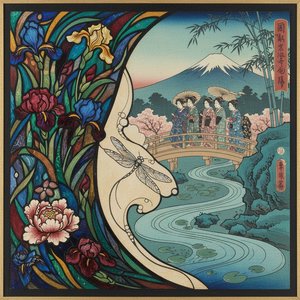
John La Farge: Pioneering American Colorism & Japonisme's Influence
Explore the groundbreaking work of John La Farge, a pioneer of American colorism and stained glass. Discover his captivating Japonisme-inspired murals & lasting legacy in 19th-century art. Expert insights for collectors.

베니스 비엔날레 최고 명작 25선: 예술과 역사의 걸작을 만나다 | TopImpressionists
베니스 비엔날레 최고 명작 25선을 만나보세요. 유명 화가들의 숨겨진 이야기와 추상화, 모던 아트 등 예술 작품의 깊이를 탐구합니다. TopImpressionists에서 고품질 미술 컬렉션을 감상하고 특별한 인테리어를 완성하세요! 지금 바로 온라인으로 둘러보기.

Echoes of Time: Nostalgia, Technique & Cultural Significance in Vintage Paintings
Explore the captivating world of vintage paintings! Discover key styles, cultural significance & collecting tips from art experts at TopImpressionists. Find authentic reproductions and elevate your home décor.