
원하는 크기와 액자로 주문 제작되는, 작가들이 직접 캔버스에 손으로 그린 유화 작품입니다. ( 프린트 주문으로 전환 이미지로 전환)





























작품의 원본 비율을 유지하는 미리 설정된 크기 중에서 선택하세요.

특정 프레임이나 공간에 맞도록 직접 크기를 입력할 수 있습니다. 선택하신 크기가 원본 이미지의 비율과 일치하지 않는 경우, 작품을 자르거나 추가적인 손으로 그린 요소를 사용하여 그림을 확장합니다. 제작 시작 전 승인을 위해 디지털 목업을 보내드립니다.
화면 미리 보기는 실제 자르기 또는 확장을 반영하지 않습니다. 최종 구성은 목업을 통해서만 정확하게 확인하실 수 있습니다.
맞춤 크기 제작도 가능하지만, 원본 비율을 유지하기 위해 사전 정의된 목록에서 크기를 선택하시는 것을 권장합니다.

Corrida de toros
복제본 크기
Joan Miró's "Corrida de Toros" (Bullfight) isn’t merely a depiction of a traditional Spanish spectacle; it’s an intensely personal and profoundly evocative exploration of primal instincts, Catalan identity, and the subconscious. Painted in 1967, this vibrant canvas explodes with a chaotic yet strangely harmonious blend of color and form – a visual embodiment of the artist's unique worldview. The dominant yellow background immediately establishes a sense of heightened drama, reminiscent of both the sun-drenched landscapes of Catalonia and the theatricality of the bullring itself. It’s a field primed for explosive action, mirroring the emotional intensity at the heart of the subject.
The central figure, a colossal black lion, dominates the composition with an almost unsettling dynamism. Miró doesn't offer a realistic portrayal; instead, he distorts and exaggerates the animal’s musculature, imbuing it with a palpable sense of movement – as if poised to charge or already in full pursuit. This isn’t a celebration of brute strength but rather a suggestion of the lion’s inherent power and untamed spirit. Scattered around this central drama are smaller, fragmented figures: a solitary, almost mournful face peeks out from the top left corner, while another appears on the right side, seemingly observing the unfolding scene with detached curiosity. These elements contribute to the painting's dreamlike quality, hinting at deeper narratives and psychological states.
To understand “Corrida de Toros,” it’s crucial to delve into the context of Joan Miró’s life and artistic development. Born in Barcelona in 1893, Miró was deeply rooted in Catalan culture – a region renowned for its vibrant traditions, distinctive architecture (particularly the fantastical creations of Antoni Gaudí), and fiercely independent spirit. This regional identity profoundly influenced his work, manifesting itself through recurring motifs like the Catalan peasant, the landscape, and elements of traditional folklore. The painting’s frenetic energy and symbolic language are directly linked to this deep connection to his homeland.
Miró's artistic journey was marked by experimentation and a constant rejection of established conventions. He initially studied business but abandoned it after a nervous breakdown, dedicating himself entirely to art. His early work drew inspiration from Fauvism and Cubism, absorbing the bold colors and fragmented forms of these movements while simultaneously forging his own distinct style. “Corrida de Toros” exemplifies this process – retaining elements of Surrealism (evident in the dreamlike imagery and distorted figures) while firmly establishing Miró’s unique visual language. The influence of Joaquim Miró i Argenter, a Luminist painter known for his evocative depictions of the Mediterranean coast, can also be detected in the painting's use of light and color.
Beyond its immediate visual impact, “Corrida de Toros” is rich with symbolic meaning. The recurring presence of eyes – one at the top center, another in the middle-left, and a third in the lower right – suggests an element of surveillance or judgment, perhaps reflecting the anxieties and uncertainties inherent in the spectacle of the bullfight. The lion itself can be interpreted as representing both power and vulnerability, embodying the dualities of life and death, aggression and instinct. The scattered figures may symbolize the diverse audience members witnessing the event, each with their own perspectives and emotions.
Miró’s deliberate use of abstraction – reducing recognizable forms to their essential elements – invites viewers to engage actively in interpreting the painting's meaning. It’s a work that resists easy categorization, prompting contemplation about themes such as tradition, violence, identity, and the power of the subconscious. The vibrant colors and dynamic composition contribute to an overall sense of heightened emotion, capturing the raw energy and dramatic intensity of the bullfight while simultaneously hinting at its underlying psychological complexities.
TopImpressionists offers meticulously crafted hand-painted reproductions of Joan Miró’s “Corrida de Toros,” allowing you to bring this iconic artwork into your home or office. Our skilled artists carefully replicate the original's vibrant colors, dynamic composition, and symbolic depth, ensuring a faithful representation of Miró’s artistic vision. Available in various sizes and mediums – from fine art canvas to archival prints – our reproductions provide an exceptional opportunity to own a piece of art history. Explore our selection today and experience the captivating power of “Corrida de Toros” firsthand.

1893 - 1983 , 스페인

초현실주의 미술의 정수를 담은 10대 걸작을 만나보세요! 마그리트, 달리 등 거장의 작품 비하인드 스토리와 예술적 의미를 탐구하고, 꿈결 같은 분위기를 당신의 공간에. TopImpressionists.com에서 명품 아트 프린트를 찾아 지금 바로 경험하세요.

Explore the evolution of Willem de Kooning's iconic Abstract Expressionist paintings. Discover his signature style, key themes & investment potential with expert insights for discerning art collectors.
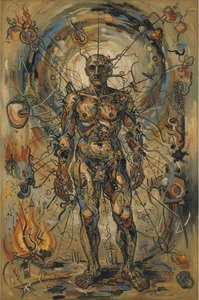
Explore the revolutionary art of André Masson – pioneer of automatism & Surrealist expression. Discover his powerful imagery, innovative techniques, and lasting influence on modern art. Learn more at TopImpressionists.

호안 미로의 최고 걸작 25선을 만나보세요. 꿈과 상상의 세계를 담은 추상 미술 작품들의 탄생 비화와 예술적 의미를 탐구합니다. TopImpressionists.com에서 고품질 미로 그림을 감상하고, 공간에 특별한 색채를 더해보세요! 지금 바로 컬렉션을 확인하세요.

Discover the vibrant world of Ágatha Ruiz de la Prada, a leading figure in contemporary Spanish art. Explore her eclectic style, emotional depth & legacy – a must-read for discerning collectors.


최신 미술 뉴스, 특별 혜택 및 인테리어 아이디어를 가장 먼저 만나보세요.
프로젝트에 대해 알려주시면 저희 미술 전문가들이 맞춤형 아트 제안 3가지를 전달해 드립니다.
당신만을 위한 맞춤형 옵션 3가지를 무료로 추천해 드립니다!


 미리보기
미리보기
 공유하기
공유하기 공유하기
공유하기
 상세 정보
상세 정보

 다운로드
다운로드
 유사 작품
유사 작품 X-레이
X-레이 슬라이드 쇼
 더 보기
더 보기









 유리 옵션은 110cm 미만 크기에서만 선택 가능합니다.


