미리보기
미리보기
 공유하기
공유하기 공유하기
공유하기
 상세 정보
상세 정보 가이드 보기

 다운로드
다운로드
 유사 작품 더 보기
 X-레이
X-레이 슬라이드 쇼 보기
 질의응답
질의응답 통계 정보
통계 정보L'enfance d'Ubu 3

 더 보기
더 보기
이 페이지에 표시된 작품은 저작권법의 보호를 받으며, 이에 따라 동일한 복제품을 제작하거나 판매하는 것은 법으로 금지되어 있습니다. 이러한 권리 보호는 다음과 같은 국제 협약에 따라 시행됩니다. 베른 협약 또한 다음에서 명시하는 법률을 포함한 국내법에 의해 보호됩니다. 미국 저작권법 제17조.
이 방식은 저작권 보호를 받는 예술 작품을 복제하거나 그대로 재현하는 것이 아니기에 저작권 규정을 완벽히 준수합니다. 대신, 이는 창의적인 재해석의 과정을 거칩니다. 즉, 원작에서 영감을 받되 원작과 동일하지 않은 새로운 회화 작품을 의미합니다.
지클레 / 아트 프린트
빠른 제작과 다양한 마감 옵션을 제공하는 박물관 수준의 지클레이 및 캔버스 프린트. ( 수작업 채색 복제본 주문하기 디지털 이미지로 전환)




P118B ₩10

P118H ₩10

P118W ₩10

P438Z ₩10

P508JH ₩12

P508YH ₩12

P805H ₩10

P805Z ₩10

P919BZ ₩10

P919G ₩10

P919XJ ₩10

P959ZH ₩10

P968JZ ₩12

W106C ₩8

W218G ₩10

W218JH ₩8

W218Y ₩10

W307PJ ₩10

W316G ₩10

W316PJ ₩8

W316Y ₩10

W398PJ ₩8

W4111J ₩10

W500HY ₩15

W500JH ₩15

W692G ₩12

W849H ₩8

W940BG ₩15

W953PJ ₩8




표준 규격
맞춤형
CM
INCH
작품의 원본 비율을 그대로 유지하는 프리셋 사이즈 중에서 선택해 보세요.
Loading sizes...

가로 너비
세로 길이
액자나 벽면 크기에 맞춰 필요한 가로와 세로 길이를 입력해 주세요. 프린트는 원본 이미지보다 크게 제작할 수 없으며 오직 자르는 것만 가능하므로, 비율이 다른 사이즈를 선택할 경우 이미지의 일부가 잘려 나갈 수 있습니다. 인쇄 작업에 들어가기 전, 최종 확인을 위해 디지털 목업을 보내드립니다. 이 페이지에 표시된 이미지는 실제 잘리는 영역을 나타내지 않으며, 오직 목업을 통해서만 정확한 확인이 가능합니다.


 유리 옵션은 110cm 미만 크기에서만 선택 가능합니다.

L'enfance d'Ubu 3
지클레 / 아트 프린트
복제본 크기
-


최종 결제 금액
₩ 94003
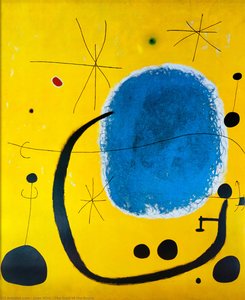
A Surreal Childhood Dream Embodied: Joan Miró’s ‘L’enfance d’Ubu’
Joan Miró’s “L’enfance d’Ubu” isn't merely a painting; it’s an invitation into the artist’s subconscious, a snapshot of pure imagination rendered in bold color and simplified form. Created around 1937, this lithograph captures a moment frozen in time—a fantastical vision born from the anxieties surrounding the impending Spanish Civil War, yet radiating with an undeniable optimism and childlike wonder. Miró's distinctive style, firmly rooted in Surrealism but infused with elements of Catalan folklore and personal symbolism, distinguishes itself immediately from prevailing artistic trends of its era.The Visual Language of Dreams
The artwork’s composition is strikingly asymmetrical, placing two amorphous figures on opposing sides of a central circular element—a deliberate choice that disrupts conventional perspective and emphasizes the dreamlike quality of the scene. Lines are loose and sketchy, conveying spontaneity rather than meticulous precision; they mimic the marks of an instinctive hand, mirroring the artist's own process of translating inner thoughts onto paper. Shapes are basic – stylized bodies resembling sticks and rudimentary heads—reducing recognizable forms to their essence. This deliberate simplification isn’t about realism but about capturing the core feeling of childhood innocence and freedom. The color palette is vibrant yet restrained, dominated by reds, yellows, and blues, punctuated by a pink nose on one figure—a subtle detail that adds to the artwork's whimsical character.Technique and Material Considerations
Executed in lithography, “L’enfance d’Ubu” showcases Miró’s mastery of printmaking techniques. Lithography relies on transferring ink from a stone surface onto paper through pressure, resulting in tonal variations and subtle textures that contribute to the artwork's ethereal appearance. The grainy texture of the paper itself enhances this effect, grounding the fantastical imagery in a tangible material. Careful attention was paid to color separation—a complex process ensuring accurate reproduction of Miró’s palette—demonstrating the artist’s commitment to achieving visual fidelity.Symbolic Resonance and Catalan Identity
Beyond its aesthetic qualities, “L’enfance d’Ubu” resonates with deeper symbolic meanings. The circular shape at the center evokes notions of wholeness and cosmic harmony, reflecting Miró's fascination with mythology and folklore—particularly Catalan traditions that celebrate fertility and renewal. The figures themselves are open to interpretation, representing primal forces or perhaps simply embodiments of imagination itself. They embody a spirit of playful exploration and defiance against convention, mirroring Miró’s own artistic rebellion against academic formalism.Emotional Impact: A Timeless Expression of Wonder
Ultimately, “L’enfance d’Ubu” succeeds in conveying an emotional core—a palpable sense of joy and curiosity—that transcends its historical context. It speaks to the universal desire for imaginative freedom and reminds us that beauty can be found even amidst uncertainty. This captivating artwork continues to inspire viewers today with its evocative imagery and unwavering belief in the transformative power of dreams, cementing Miró’s legacy as one of the most influential artists of the 20th century.질의응답
호안 미로의 "L'enfance d'Ubu 3"의 프린트를 어디에서 구매할 수 있나요?
"L'enfance d'Ubu 3" 작품은 코튼 캔버스 또는 아카이브용 캔버스지에 인쇄된 파인 아트 프린트를 통해 만나보실 수 있습니다. 주문은 파인 아트 프린트 페이지에서 원하시는 사이즈를 선택하여 진행하실 수 있습니다.
호안 미로의 "L'enfance d'Ubu 3"의 색감은 채도가 높은 편인가요, 아니면 차분한 편인가요?
"L'enfance d'Ubu 3"의 색채 구성은 채도가 Muted입니다.
호안 미로의 "L'enfance d'Ubu 3"의 이미지를 자유롭게 복제할 수 있나요?
호안 미로의 "L'enfance d'Ubu 3"의 저작권 정보: 해당 작품은 저작권 보호 대상입니다 상태입니다. 이는 이미지 복제 가능 여부를 결정하는 기준이 됩니다.
작가 정보
가우디의 도시에서 피어난 꿈: 호안 미로, 상징과 시의 화가
바르셀로나의 활기 넘치는 거리와 가우디 건축물의 독특한 아름다움 속에서 태어난 호안 미로는 20세기 미술사에 지울 수 없는 발자취를 남긴 예술가입니다. 1893년, 금세공사의 아들로 태어난 그는 어린 시절부터 그림에 대한 뜨거운 열정을 불태웠습니다. 그의 작품은 단순한 회화 기법을 넘어, 꿈과 기억, 그리고 카탈루냐의 정체성을 독특하고 시적인 언어로 표현하며 보는 이들을 매혹시킵니다. 미로는 현실 세계를 벗어나 내면의 풍경을 탐험하는 예술가였으며, 그의 그림들은 마치 한 편의 시처럼 섬세하고 아름답습니다.초기 실험과 초현실주의와의 만남
미로는 바르셀로나 미술학교에서 전통적인 기법을 연마했지만, 파리의 아방가르드 미술에 대한 깊은 영감을 받아 새로운 예술 세계를 모색하기 시작했습니다. fauve 회화의 강렬한 색채와 입체주의의 분절된 형태는 그의 작품에 큰 영향을 미쳤고, 그는 점차 자신만의 독특한 스타일을 구축해 나갔습니다. 1920년대 초, 파리로 이주하며 피카소와 같은 거장들과 교류하며 예술적 깊이를 더했습니다. 그리고 1924년, 초현실주의 운동에 참여하면서 그의 작품은 더욱 자유로운 상상력과 무의식의 영역으로 확장되었습니다. 하지만 미로는 초현실주의자들 속에서도 자신만의 개성을 잃지 않았습니다. 그는 충격적인 이미지나 프로이트 심리학적 해석보다는, 유쾌하고 시적인 형태와 색채를 통해 독특한 예술 세계를 구축했습니다.상징의 언어: 주요 작품과 예술적 혁신
미로는 1920년대부터 30년대에 걸쳐 자신만의 시각적 어휘를 발전시켜 갔습니다. 그의 그림 속에는 생명력을 가진 듯한 유기적인 형태, 떠다니는 듯한 이미지, 그리고 다채로운 색채가 조화를 이루고 있습니다. 대표작인 <농장>(1922)은 카탈루냐의 정체성과 자연 세계를 상징적으로 표현하며 그의 예술적 전환점을 보여줍니다. 1926년에는 막스 에른스트와 함께 ‘그라타주’ 기법을 실험하여 표면 질감을 새롭게 창조하는 데 기여했습니다. <네덜란드 풍경>(1928) 연작은 옛 거장들의 작품을 현대적인 시각으로 재해석하며 꿈결 같은 추상화를 선보였습니다. 그리고 <회화>(1933)는 대담한 색채와 단순화된 형태로 무의식의 영역을 탐구하고 기존의 예술적 경계를 허무는 그의 실험 정신을 보여줍니다. 회화뿐만 아니라 조각, 도자기, 판화 등 다양한 매체를 통해 창작 활동을 펼치며 예술적 지평을 넓혔습니다.미로의 유산과 지속적인 영향력
호안 미로는 20세기 미술에 지대한 영향을 미친 예술가입니다. 그는 단순한 화가가 아닌, 상상력의 경계를 허물고 예술 표현의 가능성을 확장시킨 선구자였습니다. 그의 작품은 추상표현주의 운동에 영감을 주었으며, 오늘날에도 다양한 분야의 예술가들에게 끊임없는 영감의 원천이 되고 있습니다. 1975년과 1981년에 바르셀로나와 팔마 데 마요르카에 각각 설립된 호안 미로 재단은 그의 유산을 보존하고 후진 양성을 위한 교육 활동을 지원하며, 그의 예술 세계를 지속적으로 발전시키고 있습니다. 미로는 삶, 꿈, 그리고 카탈루냐 문화의 영원한 정신을 기념하는 작품들을 남겼습니다. 그의 예술은 전 세계 관객들에게 깊은 감동과 영감을 선사하며, 시대를 초월하여 사랑받는 예술가로 기억되고 있습니다.
호안 미로
1893 - 1983 , 스페인
작가 정보 요약
- 국적: 스페인 국적
- 대표 작품:
- 농장
- 네덜란드 풍경
- 회화
- 사망일: 1983년 12월 25일
- 영향을 받은 예술 사조:
- 초현실주의
- 추상 표현주의
- 영향을 준 예술가: ['파블로 피카소']
- 예술 사조: 초현실주의, 추상 미술
- 전체 이름: 호안 미로 이 페라
- 출생일: 1893년 4월 20일
- 출생지: 바르셀로나, 스페인
관련 콘텐츠

The Soul of Color: A Journey into the Emotional Resonance of Lyrical Abstraction
Embark on a cultural journey through Lyrical Abstraction. Explore how masters like Kandinsky used color and motion to translate emotion into visual poetry. Discover the profound beauty of abstract expressionism and learn to curate emotional resonance in your own art collection.
테마, 스타일, 특징별로 분류된 작품들을 만나보세요.