


 실제 크기로 보기
 보내기
보내기 공유하기
공유하기
 상세 보기
상세 보기 가이드 보기

 이미지 다운로드
 유사 작품 더 보기
 X-레이
X-레이 슬라이드 쇼 보기
 통계 정보
통계 정보Sitges Study

Explore Joan Roig Soler’s ‘Sitges Study,’ a captivating late 19th-century Impressionist oil painting of coastal fishermen. Discover its loose brushwork, evocative atmosphere & maritime themes.
Discover Joan Roig Soler’s captivating landscapes & cityscapes of Spain (1852-1909). Explore his vibrant paintings of Sitges, Blanes & Madrid – a master of light & color!
 상세 보기
상세 보기
지클레 / 아트 프린트
빠른 제작과 다양한 마감 옵션을 선택할 수 있는 박물관 수준의 지클레이 및 캔버스 프린트. ( 수작업 채색 복제본 주문하기 디지털 이미지 판매 채널로 전환)




































표준 규격
맞춤 제작
CM
INCH
작품의 원본 비율을 그대로 유지하는 프리셋 사이즈 중에서 선택해 보세요.
Loading sizes...

가로 너비
높이
액자나 벽면 크기에 맞춰 필요한 가로와 세로 길이를 입력해 주세요. 프린트는 원본 이미지보다 크게 제작할 수 없으며 오직 자르는 것만 가능하므로, 비율이 다른 사이즈를 선택할 경우 이미지의 일부가 잘려 나갈 수 있습니다. 인쇄 작업에 들어가기 전, 최종 확인을 위해 디지털 목업을 보내드립니다. 이 페이지에 표시된 이미지는 실제 잘리는 영역을 나타내지 않으며, 오직 목업을 통해서만 정확한 확인이 가능합니다.


 유리 옵션은 110cm 미만 크기에서만 선택 가능합니다.

Sitges Study
지클레 / 아트 프린트
복제본 규격
-


총 결제 금액
₩ 93398
관련 작품들


작가 소개
The Luminous Legacy of Joan Roig Soler
In the golden age of Spanish Impressionism, few artists captured the ephemeral dance of light upon the Mediterranean coast as poignantly as Joan Roig Soler. Born in Barcelona in 1852, Soler emerged from a lineage of artistic passion, having been nurtured by a father who first ignited his fascination with the nuances of color and form. His formal training at the Escuela Superior de Bellas Artes Barcelona provided him with a rigorous foundation in Academic realism, yet it was his ability to transcend the rigid boundaries of tradition that would define his career. As the nineteenth century progressed, Soler began to weave the meticulous precision of his classical education with the burgeoning, atmospheric sensibilities of the Impressionist movement, creating a style that felt both grounded in reality and elevated by light.
The heart of Soler’s oeuvre lies within the sun-drenched landscapes of Catalonia, particularly the picturesque seaside enclave of Sitges. It was here, amidst the shimmering vistas of the Costa Brava, that he truly found his voice. He possessed a rare, almost intuitive ability to translate the fleeting textures of the Mediterranean—the way sunlight refracts through sea spray or how the midday heat softens the edges of coastal villas. His works from this period are not merely landscapes but sensory experiences; in masterpieces such as Sitges Study, one can almost feel the warmth of the sand and the salt in the breeze. This dedication to capturing the transient beauty of the coast cemented his reputation as a master of Impressionistic realism, an artist capable of freezing a moment in time while maintaining its vibrant, breathing essence.
Urban Rhythms and Industrial Echoes
While the tranquil shores of Sitges offered him a sanctuary of light, Roig Soler was equally captivated by the burgeoning energy of Spain’s urban centers. His travels to Madrid allowed him to explore a different facet of the human experience—the dynamic, often chaotic pulse of city life. In canvases such as Avenida de los catalanes, he moved away from the serene coastal horizons to embrace the complex interplay of shadow and movement found in metropolitan streets. These urban impressions showcase his remarkable versatility, proving that his mastery of light was just as effective in the narrow, shaded corridors of a city as it was on an open beach.
Perhaps most striking is his ability to find beauty within the machinery of progress. In his evocative 1882 work, Sitges train station, Soler captures a profound intersection between the industrial revolution and the quietude of daily life. The painting presents a dramatic tableau where the heavy, dark presence of a steam engine meets the ethereal plumes of billowing smoke, creating a sense of atmospheric depth that pulls the viewer onto the platform. Through this work, he explores themes of nostalgia and modernization, using the locomotive as a symbol of an unstoppable future encroaching upon the timeless landscape. By focusing on the human element—the passengers caught in moments of waiting or curiosity—he imbues the industrial scene with a deeply relatable, emotional resonance.
Artistic Influences and Historical Significance
The evolution of Roig Soler’s technique was profoundly shaped by the giants of European art. He drew significant inspiration from the works of Claude Monet and Frédéric Bazille, adopting their focus on light and broken brushstrokes to enhance the luminosity of his palettes. Yet, unlike some of his more radical contemporaries, Soler never fully abandoned the structural integrity of the Academic tradition. This unique synthesis—the marriage of expressive, Impressionistic strokes with a disciplined, realist composition—distinguishes his work from the broader movement and provides it with a lasting, sculptural quality.
Though history occasionally places him in the shadow of contemporaries like Joaquín Sorolla, the enduring significance of Joan Roig Soler lies in his role as a vital chronicler of the Catalan spirit. His paintings serve as a visual archive of a transformative era in Spanish history, capturing both the natural splendor of the Mediterranean and the rapid modernization of the late nineteenth century. Today, his legacy continues to inspire, offering a window into a world where light, color, and movement converge to tell the story of a changing nation.

Joan Roig Soler
1852 - 1909 , Spain
작가 정보 요약
- Full Name: Joan Roig y Soler
- Nationality: Spanish
- Date Of Birth: 1852
- Date Of Death: 1909
- Place Of Birth: Barcelona, Spain
- Notable Artworks:
- African Chief
- Sitges Study
- Alighting from the carriage
- Artistic Movement Or Style: Realist Painting & Impressionism
- Artists Who Influenced This Artist: ['Mariano Fortuny y Marsal']
- Artists Or Movements Influenced By This Artist: ['Impressionism']
관련 기사

Beyond the Brushstroke: Unveiling the Intimate Charm of Impressionist Studio Scenes
Journey into the heart of Impressionism. Explore the intimate allure of artist studios through our exquisite hand-painted reproductions. From Monet’s Seine laboratory to serene ateliers, we bring the luminous beauty of the masters to your sanctuary with expert care.

Eternal Bonds in Dappled Light: Capturing the Tender Warmth of Family Gatherings in Impressionist Masterpieces
Step into a world of dappled sunlight and tender connections. Explore how Impressionist masters like Renoir captured the warmth of family life. At TopImpressionists.com, we transform your cherished memories into exquisite, hand-painted oil masterpieces that celebrate eternal bonds.
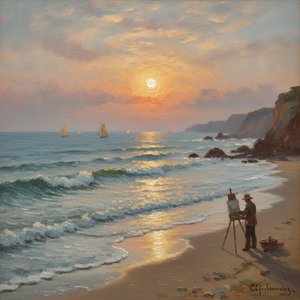
Whispers of the Waves: Discovering the Luminous Beauty and Timeless Light of Impressionist Coastal Art
Experience the breathtaking luminosity of Impressionist coastal art. From Monet’s shores to Sorolla’s sun-drenched waves, discover our exquisite hand-painted oil reproductions and bespoke commissions. Bring the timeless beauty of maritime masters into your home with TopImpressionists.com.

Capturing the Soul: The Most Emotionally Moving Impressionist and Post-Impressionist Masterpieces
Discover the profound emotional depth of Impressionist and Post-Impressionist masterpieces. Explore how legends like Monet, Van Gogh, and Gauguin captured light and soul through evocative landscapes and vibrant brushwork for a timeless connection to art history.
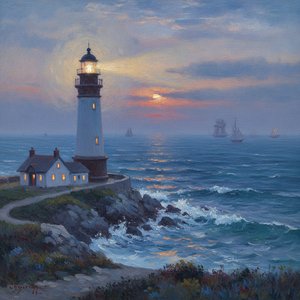
Luminous Beacons: Capturing the Ethereal Soul of Lighthouses in Impressionist Masterpieces
Step into a world of luminous sea spray and golden beams. Explore our exquisite collection of hand-painted Impressionist lighthouse reproductions. At TopImpressionists.com, we capture the ethereal soul of maritime masters through museum-quality oil paintings for the true art lover.