

 실제 크기로 보기
 보내기
보내기 공유하기
공유하기
 상세 보기
상세 보기 가이드 보기

 이미지 다운로드
 유사 작품 더 보기
 X-레이
X-레이 슬라이드 쇼 보기
 Q&A
Q&A 통계 정보
통계 정보La siesta


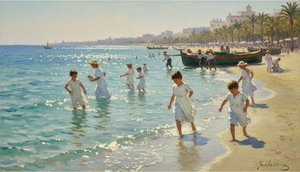
Experience the radiant light and leisure of Joaquín Sorolla’s ‘La Siesta,’ a captivating Spanish painting from 1912 depicting women resting in nature. This stunning reproduction captures the artist's signature style and offers a timeless moment of tranquility – discover or own this masterpiece.
 상세 보기
상세 보기
소로라는 빛과 색채의 정수를 담은 스페인 화가입니다. 해변 풍경과 인물 초상화를 통해 지중해 삶의 아름다움을 표현하며 미술사에서 독보적인 위치를 차지했습니다.
지클레 / 아트 프린트
빠른 제작과 다양한 마감 옵션을 선택할 수 있는 박물관 수준의 지클레이 및 캔버스 프린트. ( 수작업 채색 복제본 주문하기 디지털 이미지 판매 채널로 전환)




P118B ₩10

P118H ₩10

P118W ₩10

P438Z ₩10

P508JH ₩12

P508YH ₩12

P805H ₩10

P805Z ₩10

P919BZ ₩10

P919G ₩10

P919XJ ₩10

P959ZH ₩10

P968JZ ₩12

W106C ₩8

W218G ₩10

W218JH ₩8

W218Y ₩10

W307PJ ₩10

W316G ₩10

W316PJ ₩8

W316Y ₩10

W398PJ ₩8

W4111J ₩10

W500HY ₩15

W500JH ₩15

W692G ₩12

W849H ₩8

W940BG ₩15

W953PJ ₩8




표준 규격
맞춤 제작
CM
INCH
작품의 원본 비율을 그대로 유지하는 프리셋 사이즈 중에서 선택해 보세요.
Loading sizes...

가로 너비
높이
액자나 벽면 크기에 맞춰 필요한 가로와 세로 길이를 입력해 주세요. 프린트는 원본 이미지보다 크게 제작할 수 없으며 오직 자르는 것만 가능하므로, 비율이 다른 사이즈를 선택할 경우 이미지의 일부가 잘려 나갈 수 있습니다. 인쇄 작업에 들어가기 전, 최종 확인을 위해 디지털 목업을 보내드립니다. 이 페이지에 표시된 이미지는 실제 잘리는 영역을 나타내지 않으며, 오직 목업을 통해서만 정확한 확인이 가능합니다.


 유리 옵션은 110cm 미만 크기에서만 선택 가능합니다.

La siesta
지클레 / 아트 프린트
복제본 규격
-


총 결제 금액
₩ 92926
A Moment of Golden Tranquility: Exploring Sorolla’s “La Siesta”
Joaquín Sorolla’s “La Siesta,” painted in 1912, is more than just a depiction of women resting outdoors; it's an embodiment of the Spanish spirit – a celebration of light, leisure, and the simple joys of life. This captivating scene, brimming with warmth and serenity, offers a profound glimpse into Sorolla’s masterful technique and his deep connection to the Valencian landscape that shaped his artistic vision. The painting immediately draws the eye to the figures bathed in an almost impossibly bright, golden light – a hallmark of Sorolla's style, achieved through meticulous observation and a keen understanding of how sunlight interacts with surfaces.
- Subject Matter: The central theme is the “siesta,” the afternoon nap, a deeply ingrained tradition in Spanish culture. It represents a pause from labor, a moment for rest and connection.
- Composition: Sorolla expertly employs a pyramidal composition, guiding the viewer’s eye through the scene with a natural grace. The figures are arranged to create depth and movement, while their relaxed postures invite the observer into their tranquil world.
- Color Palette: Dominated by warm yellows, ochres, and greens, the palette evokes the intense sunlight of the Mediterranean coast. These colors aren’t merely descriptive; they contribute significantly to the painting's emotional impact.
The Master of Light – Sorolla’s Technique
Sorolla was renowned for his ability to capture light with unparalleled realism and vibrancy. His technique, heavily influenced by Impressionism and plein air painting, involved working rapidly to fix the fleeting effects of sunlight before it changed. He utilized loose, broken brushstrokes—a characteristic feature of his style—to create a shimmering effect, particularly noticeable in the fabrics and skin tones of the figures. The horse, rendered with equally confident strokes, adds to the sense of movement and vitality within the scene. Notice how he builds up layers of color, creating an almost palpable texture that invites closer inspection.
- Plein Air Painting: Sorolla frequently painted outdoors ("en plein air"), directly observing and translating the natural light onto canvas.
- Broken Brushstrokes: His signature technique involved applying paint in short, separate strokes, allowing the colors to blend optically rather than physically.
- Emphasis on Reflection: He meticulously depicted reflections of light on surfaces – water, grass, skin – amplifying the sense of luminosity.
Symbolism and Context – Valencia’s Golden Age
"La Siesta" was created during a period of significant artistic flourishing in Spain, often referred to as the “Golden Age” of Spanish painting. Sorolla's work reflects this era's fascination with light, color, and the celebration of everyday life. The scene itself is imbued with subtle symbolism; the bottle suggests refreshment and conviviality, while the relaxed posture of the women embodies a sense of freedom and contentment. The horse, a common motif in Valencian art, represents strength, nobility, and connection to the land – values deeply rooted in the region’s history.
Painted in 1912, the work reflects Sorolla's growing international recognition. He had already established himself as one of Spain’s leading artists, exhibiting his works across Europe and attracting a devoted following. This painting exemplifies his ability to capture not just a visual scene but also the very essence of Spanish life and culture.
Emotional Resonance – A Legacy of Serenity
Ultimately, “La Siesta” transcends its subject matter to evoke a profound sense of peace and tranquility. Sorolla’s masterful use of light and color creates an atmosphere of warmth and serenity that invites the viewer to share in the women's moment of respite. It is a timeless image that speaks to our universal desire for relaxation, connection, and appreciation of the simple pleasures of life – a testament to Sorolla’s enduring legacy as one of Spain’s greatest painters.
질의응답
"La siesta"은(는) Impressionist Spanish Painting 사조를 대표하는 유명한 작품인가요?
호아킨 소로라 이 바스티다의 "La siesta"은(는) Iconic 수준으로 분류되며, Impressionist Spanish Painting 사조에 속합니다.
호아킨 소로라 이 바스티다의 "La siesta"을(를) 활용하기에 가장 좋은 용도와 공간은 무엇인가요?
호아킨 소로라 이 바스티다의 "La siesta"에 대해 기록된 두 가지 추천 사항은 Mood 용도와 Living Room 공간입니다.
"La siesta"은(는) 무엇에 관한 작품인가요?
호아킨 소로라 이 바스티다의 "La siesta"에 나타난 주제로는 spanish painting, sorolla style, outdoor leisure, restful scene, light and shadow, female figures, rural spain 등이 있습니다. 이들은 모여 작품의 소재를 요약해 보여줍니다.
관련 작품들


작가 소개
Joaquín Sorolla y Bastida - A Life Bathed in Light
Joaquín Sorolla y Bastida, a name synonymous with the radiant light and vibrant energy of Spain, was more than just a painter; he was a chronicler of his nation’s soul. Born in Valencia in 1863, Sorolla's early life was marked by tragedy. Orphaned at the tender age of two following a cholera epidemic that claimed both parents, young Joaquín and his sister were raised by their maternal aunt and uncle. This early experience with loss perhaps instilled within him a profound appreciation for the fleeting beauty of life – a sentiment that would permeate his art. Though hardship shadowed his beginnings, it did not dim the spark of artistic talent that quickly became apparent. He received initial instruction in Valencia, demonstrating an aptitude that led to studies under established artists like Cayetano Capuz and José Benlliure, eventually culminating in a four-year grant to study in Rome. It was there, amidst the classical grandeur of Italy, that Sorolla began to forge his unique artistic path, absorbing influences while simultaneously developing a style distinctly his own.Early Life and Influences
Joaquín Sorolla’s formative years instilled within him a deep understanding of vulnerability and resilience. Born into a modest family in Valencia—a city steeped in maritime tradition—his parents succumbed to cholera when he was just two, leaving him and his sister under the care of their maternal aunt and uncle. This poignant experience profoundly shaped his artistic sensibility, fostering an unwavering fascination with capturing ephemeral moments and conveying emotion through color and light. Recognizing Sorolla’s exceptional talent early on, his teachers recognized his innate aptitude for art and encouraged his pursuit of knowledge. He began his formal training at Valencia's School of Artisans, where he honed his skills under the guidance of Salustiano Asenjo, absorbing stylistic cues from the academic tradition prevalent at the time. However, Sorolla’s artistic vision extended beyond mere imitation; he actively sought inspiration from masters like Francisco Pradilla and Jules Bastien-Lepage, whose works championed dramatic narratives and expressive brushwork—influences that would become integral to his distinctive style.Rome and Impressionistic Exploration
A pivotal moment in Sorolla's artistic development arrived when he secured a prestigious scholarship to study in Rome in 1884. Amidst the monumental sculptures and architectural splendor of the Italian capital, he encountered the burgeoning movement of Impressionism—a revolutionary approach to painting that prioritized capturing fleeting impressions of light and color over meticulous detail. Artists like Bastien-Lepage and Edvard Munch captivated Sorolla’s imagination with their bold experimentation and emotional intensity. He embraced these influences wholeheartedly, immersing himself in Parisian artistic circles and absorbing the techniques pioneered by Monet and Renoir—artists who championed *plein air* painting and employed loose, vibrant brushstrokes to convey atmosphere and emotion. This transformative period solidified Sorolla's commitment to Luminism—a style characterized by its luminous quality and masterful depiction of sunlight—marking a decisive break from academic conventions.The Valencian Coast: A Painter’s Obsession
Sorolla’s artistic focus soon centered on the Valencian coast—a landscape he regarded as both aesthetically sublime and emotionally resonant. Drawn to the intense Mediterranean sunlight, the shimmering sea, and the vibrant energy of the local population, he embarked on a lifelong endeavor to capture these elements with unparalleled precision and beauty. He became renowned for his beach scenes—images brimming with life and movement—where figures bathed in golden light danced across canvases rendered with breathtaking spontaneity and vitality. Unlike many artists of his era who sought to portray idealized landscapes or historical grandeur, Sorolla prioritized conveying the immediacy of experience—the sensation of warmth, airiness, and joyful interaction between people and their surroundings. His technique—characterized by rapid brushstrokes and a masterful manipulation of color—became instantly recognizable—a testament to his unwavering dedication to capturing the essence of Luminism.Major Achievements and Legacy
Sorolla’s artistic career spanned decades, punctuated by numerous exhibitions throughout Europe and America, securing international acclaim and establishing him as one of Spain's most celebrated painters. He achieved considerable success early on, winning the gold medal at the National Exhibition in Madrid for *Another Marguerite* (1892) and garnering first prize at the Chicago International Exposition (1893). His monumental mural cycle, Vision of Spain—commissioned by Archer Milton Huntington—became a crowning achievement, showcasing his artistic prowess and cementing his place as a visionary artist. Completed posthumously in 1928, this ambitious project—featuring fourteen canvases depicting the regional costumes and customs of Spain—continues to inspire admiration for Sorolla’s technical skill and expressive vision. Today, Sorolla's paintings reside in prominent museums worldwide—including the Museo Sorolla in Madrid—where they stand as enduring symbols of Luminism and Spanish artistic heritage. His legacy extends beyond his masterful technique; he captured a specific moment in Spanish history and culture—a celebration of light, color, and human emotion—reminding us that art possesses the power to illuminate our world.
호아킨 소로라 이 바스티다
1863 - 1923 , 스페인
작가 정보 요약
- Artistic Movement Or Style: Impressionisme en Luminisme
- Artists Who Influenced This Artist:
- Francisco Pradilla
- Jules Bastien-Lepage
- Adolph von Menzel
- Date Of Birth: 27 februari 1863
- Date Of Death: 10 augustus 1923
- Full Name: Joaquín Sorolla y Bastida
- Nationality: Spaanse kunstenaar
- Notable Artworks:
- Italiaanse meisje met bloemen
- Zwemmen tijd
- Trieste kinderen baden in zee
- Place Of Birth: Valencia, Spanien
관련 기사

가츠시카 호쿠사이 최고 걸작 25선: 우키요에의 정수를 만나다 | TopImpressionists
가츠시카 호쿠사이의 최고 걸작 25선을 만나보세요. 우키요에, 대판화 기법과 후지산 풍경의 아름다움을 담은 명작들을 감상하고, TopImpressionists에서 고품질 아트 프린트와 인테리어 액자를 찾아보세요. 지금 바로 컬렉션을 탐험하세요!

Giclée Prints: Archival Quality & Aesthetic Nuances for the Discerning Collector
Explore the world of giclée prints with TopImpressionists. Learn about archival quality, aesthetic nuances & investment potential. Expert guidance for discerning art collectors seeking museum-quality reproductions and lasting value.
Joaquín Sorolla: Capturing Spanish Light & Life – A Legacy of Impressionism
Explore the luminous world of Joaquín Sorolla, Spanish master of Impressionism. Discover his life, techniques & legacy – a guide for art collectors and enthusiasts. Invest in timeless beauty.

Evocations of Place: A Historical Journey Through Landscape Art
Explore the rich history of landscape art with TopImpressionists. Discover renowned artists, movements like Impressionism & Romanticism, and expert guidance for collecting timeless pieces. Find your perfect serene escape today!

낭만 풍경화의 황홀! 예술사에 빛난 10대 걸작 탐구 | 와후아트
낭만주의 시대, 예술혼을 불태운 10대 풍경화 걸작! 터너부터 프리드리히까지, 시대를 초월하는 아름다움을 와후아트에서 만나보세요. 고흐의 색채와 코로의 섬세함이 당신의 공간에 영감을 더합니다. 지금 바로 와후아트에서 명품 미술 작품을 감상하고 구매하세요!
테마, 스타일, 특징별로 큐레이션된 작품들을 만나보세요.


