

표시된 작품: · 액자 포함:
 미리보기

 공유하기
 공유하기
 상세 정보
 학습용 요약본


 다운로드
 유사 작품 더 보기
 X-레이
 슬라이드 쇼 보기
 질의응답

 통계 정보
Flatford Mill (존 컨스터블, 1817)

- 50.0 x 60.0 cm


28 x 36 cm 사이즈, ₩260343부터 시작하는 수작업 유화 작품
₩65419부터 시작하는 파인 아트 프린트로도 만나보실 수 있습니다
- 전 세계 무료 특급 배송
- 4~5주 이내 배송
- 100일 이내 반품 및 환불 보장
- ArtShopReviews.com의 고객 241명이 평가한 4.9/5점
₩ 391182
핸드메이드 유화 복제화
작가가 직접 캔버스에 손으로 그린 유화 작품으로, 원하는 크기와 액자로 맞춤 제작해 드립니다. ( 인상주의 판화 구매 인상주의 유화 디지털 이미지 구매
)
사이즈
·작품의 원본 비율을 그대로 유지하는 프리셋 사이즈 중에서 선택해 보세요.
사이즈 불러오는 중...

가로 너비
세로 길이
액자나 벽면 크기에 맞춰 필요한 가로와 세로 길이를 입력해 주세요. 본 작품은 수작업으로 제작되므로, 요청하신 비율에 따라 작가가 그림의 가장자리를 조금 더 넓게 그리거나 일부를 조정하여 작업할 수 있습니다. 작업 시작 전, 최종 확인을 위해 디지털 목업 이미지를 보내드립니다. 이 페이지에 표시된 이미지는 실제 결과물과 다를 수 있으며, 오직 목업 이미지만이 정확한 결과물을 보여줍니다.
 더 알아보기
표준 규격
맞춤형
CM
인치
완료
·
화이트 테두리 ₩1

블러사이드 ₩1

옆면 확장형 ₩1

P118B ₩10

P118H ₩10

P118W ₩10

P438Z ₩10

P508JH ₩12

P508YH ₩12

P805H ₩10

P805Z ₩10

P919BZ ₩10

P919G ₩10

P919XJ ₩10

P959ZH ₩10

P968JZ ₩12

W106C ₩8

W218G ₩10

W218JH ₩8

W218Y ₩10

W307PJ ₩10

W316G ₩10

W316PJ ₩8

W316Y ₩10

W398PJ ₩8

W4111J ₩10

W500HY ₩15

W500JH ₩15

W692G ₩12

W849H ₩8

W940BG ₩15

W953PJ ₩8
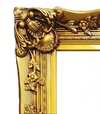
H24-GOLD ₩30
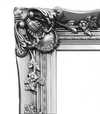
H24-SILVER ₩30
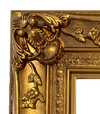
H36-GOLD ₩70
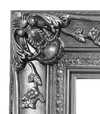
H36-SILVER ₩70
보호용 튜브에 담겨 안전하게 배송되며, 고객님께서 직접 액자에 끼워 사용하실 수 있습니다.
105cm를 초과하는 프레임은 전문 액자 제작사를 위한 키트 형태로 배송됩니다 — 자세한 내용을 확인하세요.
추가 서비스
선택 사항추가 구성품에는 무엇이 포함되어 있나요?
변경 가능한 예시: 얼굴을 고객의 사진으로 교체, 반려동물 추가 (예: 고양이를 강아지로 변경), 배경에 숨겨진 메시지 포함, 배경 풍경 또는 요소 변경.
주문 완료 후, TopImpressionists.com 팀에서 상세 안내를 위해 고객님께 이메일을 보내드리며, 시안 미리보기를 제공해 드립니다.
표준 4~5주 대신 3~4주 내에 전 세계 배송()이 가능합니다. (27 12월). 품질은 타협하지 않습니다.
보호용 바니시
작품 설명문
동판 각인 상세 정보
이 우아한 명판에는 작가의 성함과 작품명이 정교하게 각인되어 있어, 변치 않는 가치를 선사합니다.
세련되고 우아한 마감 처리가 돋보이는 브론즈 소재로 제작되었습니다. 텍스트는 정교한 레이저 각인 공법을 통해 선명하고 영구적으로 새겨집니다. 9x2cm 크기의 명판은 콤팩트하면서도 가독성이 뛰어납니다. 내구성이 높고 스크래치에 강해 박물관 전시물과 같은 전문적인 품격을 선사합니다. 동봉된 접착 패치를 사용하여 간편하게 부착할 수 있습니다.
투명 아크릴 명판 상세 정보
명판에는 작가명, 작품 제목, 제작 연도, 사용된 재료(캔버스에 유채 또는 수채화 등), 작품에 대한 간략한 설명, 그리고 작품의 상세 정보로 연결되는 QR 코드를 포함한 필수 각인 정보가 포함됩니다.
투명 아크릴로 제작되어 세련되고 현대적인 느낌을 줍니다. 텍스트는 검은색 UV 각인 방식으로 처리되어 시각적 대비가 뚜렷합니다. 10x15 cm 크기로 제작되어 가독성이 뛰어납니다. 벽면에 안정적으로 설치할 수 있도록 두 개의 금속 고리가 포함되어 있습니다. 내후성이 뛰어난 설계로 다양한 환경에서 사용하기 적합하며, 스마트폰 스캔을 통해 연동되는 인터랙티브 기능도 포함되어 있습니다.
블랙 아크릴 명판 상세 정보
이 우아한 명판에는 작가명, 작품명, 제작 연도, 사용된 재료(캔버스에 유채 또는 수채화 등), 작품에 대한 짧은 설명, 그리고 상세 정보를 빠르게 확인할 수 있는 QR 코드가 각인됩니다.
명판은 고급스러운 마감 처리가 된 정교한 블랙 아크릴로 제작되었습니다. 텍스트는 높은 대비와 가독성을 위해 화이트 색상으로 레이저 각인됩니다. 크기는 10x15cm로 제작되어 읽기 편리하며, 전문적인 설치를 위한 금속 고리 두 개가 함께 제공됩니다. 세련된 디자인은 어떤 인테리어 스타일과도 잘 어우러집니다. 또한 내구성이 뛰어나고 날씨 변화에 강하며, 모바일 호환성을 위한 디지털 통합 기능이 내장되어 있습니다.
유리 옵션은 110cm 미만 크기에서만 선택 가능합니다.
 유리 옵션은 110cm 미만 크기에서만 선택 가능합니다.
- 전 세계 무료 특급 배송
- 프리미엄 린넨 캔버스
- 배송 전 과정 보험 적용
- 관세 및 수입세 환급 보장 서비스
- 원본과 동일한 색상 구현 보장
- 100일 이내 반품 및 환불 보장
- 100% 환불 보장
- 다량 구매 할인 혜택


Flatford Mill: 존 컨스터블와 Romanticism의 순간
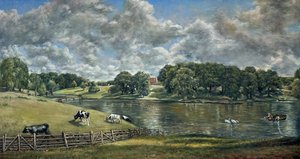
A tranquil river scene with boats and a horse by the water's edge, rendered with thick impasto to capture the shifting light of the Stour Valley.
작품 정보
Identification of Flatford Mill by John Constable
Flatford Mill is an 1817 landscape painting by the British artist John Constable. This work offers a view of the mill located in East Bergholt on the River Stour. It is also known by the subtitle Scene on a Navigable River. The scene captures a specific moment in the rural landscape of the Stour Valley, focusing on the quiet activity surrounding the water's edge.
The painting was first presented to the public when it was displayed at the Royal Academy's Summer Exhibition at Somerset House in 1817. At that time, it established the artist's interest in the specific topography of his home region. The composition centers on the mill and the river, providing a detailed look at the relationship between the water and the surrounding land.
The Composition and Visual Elements
The composition pulls you into a world of lush greens and reflective waters. At the heart of the scene, the calm, reflective waters of the river act as a mirror to the lush, verdant banks. This interplay of light and liquid creates a sense of depth that draws the eye toward the center of the work. A moored boat and distant figures provide a gentle human connection to the vastness of the Suffolk countryside, grounding the landscape in a quiet, lived-in reality.
Several individuals stand near the water's edge, their presence adding a subtle layer of activity to the peaceful scene. On the left side of the image, a horse is positioned near the bank, its form integrated into the pastoral setting. Two boats are visible in the water; one is situated towards the center, while another rests slightly to the right. These elements, combined with the rhythmic presence of the river, establish a sense of harmony within the rural environment.
Technique and Artistic Materials
In this oil on canvas, one can sense the methodical preparation that preceded the final application of paint. Before committing to the large-scale composition, the artist relied on a foundation of oil sketches, graphite drawings, and watercolour studies. This disciplined approach allowed for a careful arrangement of the landscape's complexities. The resulting work possesses a physical weight, achieved through the use of thick impasto to build up texture across the surface. This tactile quality gives the river and the earth a sense of movement and life.
There is a particular luminosity in the way the light interacts with the water and the sky. This effect is achieved through the painstaking layering of thin glazes of paint. Such a technique allows light to penetrate the surface, creating an illusion of shimmering luminescence that mimics the shifting atmosphere of the Stour Valley. It is a quiet, deliberate mastery of light and shadow.
Historical Ownership and Collections
The provenance of this work is deeply connected to the artist's own legacy. It was eventually included as part of the Constable Bequest in 1888, ensuring its place within the public consciousness. This transition from private hands to a permanent collection secured its survival for future generations to study.
Today, the painting is held within the collection of Tate Britain. It is also part of the holdings at the Tate Gallery in London. These institutions maintain the work as a significant part of their English landscape holdings. Additionally, the National Trust holds a connection to the work through its stewardship of the surrounding landscapes and properties.
Related Works by John Constable
To understand the evolution of this artist, one might look toward his earlier explorations of the Stour Valley. In 1815, he produced Boat-building near Flatford Mill, a work that captures the rhythmic sounds of craftsmanship against a quiet river setting. This piece reflects his deep connection to the local landscape and the dignity of rural labor. It is a quiet study of the textures found in the Suffolk countryside.
His later compositions often expanded in scale and ambition. He moved toward larger canvases, such as The Hay Wain from 1821, which remains one of his most recognized depictions of the river. Other significant works include The Cornfield (1826) and The Lock (1824), both of which continue his investigation into the interplay of light and water. He also turned his attention to more architectural subjects, such as Salisbury Cathedral from the Meadows in 1831.
- Boat-building near Flatford Mill (1815)
- The Hay Wain (1821)
- The Lock (1824)
- The Cornfield (1826)
- Salisbury Cathedral from the Meadows (1831)
Where to See This Masterpiece Today
If you wish to experience the subtle shifts of light and the texture of the River Stour in person, you will find this work held within the collections of the Tate Gallery in London. It is part of the permanent collection at Tate Britain, where the painting is kept for public viewing. The work remains a significant part of the Tate Britain collection, allowing visitors to observe the specific impasto and the atmospheric perspective that Constable achieved in 1817.
The painting is situated in London, United Kingdom. It is housed within the Tate Gallery, London, providing a quiet space to study the relationship between the water and the sky. Being part of the Tate Britain collection, it is accessible to those who appreciate the nuances of the Romantic tradition in a museum setting.
질의응답
Flatford Mill의 이 복제본은 수작업으로 그려진 것인가요, 아니면 인쇄된 것인가요?
수작업 제작: 숙련된 화가가 Flatford Mill을(를) 리넨 캔버스 위에 유화로 재현합니다.
Flatford Mill의 사이즈는 어떤 것을 선택해야 하나요?
원작의 크기는 50 x 60 cm입니다. 사이즈는 28.2 x 35.5 cm (₩260343)부터 195.7 x 246.9 cm (₩2285677)까지 있으며, 이 페이지의 표에 주요 단계별 가격이 안내되어 있습니다.
배송은 얼마나 걸리나요?
배송은 전 세계 무료 특송으로 4~5주가 소요되며, 본 페이지에서 긴급 제작 옵션을 선택하실 수 있습니다. 제품은 조건 없이 100일 이내에 반품하여 전액 환불받으실 수 있습니다.
존 컨스터블 작가는 Flatford Mill 작품에 어떤 재료를 사용했나요?
Oil On Canvas
주요 정보 및 아트 퀴즈
존 컨스터블 소개

존 컨스터블
1776 - 1837, 영국
존 컨스터블에 관한 주요 정보
- Artistic Movement Or Style: 낭만주의
- Artists Or Movements Influenced By This Artist: ['바비종파']
- Artists Who Influenced This Artist: ['클로드 로랭']
- Date Of Birth: 1776
- Date Of Death: 1837
- Full Name: 존 컨스터블
- Nationality: 영국
- Notable Artworks:
- 더 헤이 웨인
- 해들리 성
- 초원에서 본 솔즈베리 대성당
- 넷리 수도원
- Place Of Birth: 영국 이스트버홀트
유사한 작품들
이 작품의 빛과 색조, 분위기를 닮은 유사한 작품들


테마, 스타일, 특징별로 분류된 작품들을 만나보세요.




존 컨스터블
Flatford Mill
() ·
액자 포함: · 린넨 위에 유채로 직접 그린 작품
총액