


 실제 크기로 보기
 보내기
보내기 공유하기
공유하기
 상세 보기
상세 보기 가이드 보기

 이미지 다운로드
 유사 작품 더 보기
 X-레이
X-레이 슬라이드 쇼 보기
 통계 정보
통계 정보McSorley


Experience John Sloan's iconic 'McSorley’s Bar,' a vibrant 1912 oil painting capturing NYC nightlife & the Ashcan School movement. A timeless depiction of urban life, now available as a limited-edition print.
 상세 보기
상세 보기
존 슬론(1871-1951)은 애쉬캔 스쿨의 주요 인물로, 미국 사실주의 화가입니다. 뉴욕시의 생생한 거리 풍경과 도시 생활을 담아낸 작품들을 감상하고, 사회주의적 영향과 독특한 스타일을 확인하세요.
지클레 / 아트 프린트
빠른 제작과 다양한 마감 옵션을 선택할 수 있는 박물관 수준의 지클레이 및 캔버스 프린트. ( 수작업 채색 복제본 주문하기 디지털 이미지 판매 채널로 전환)




P118B ₩10

P118H ₩10

P118W ₩10

P438Z ₩10

P508JH ₩12

P508YH ₩12

P805H ₩10

P805Z ₩10

P919BZ ₩10

P919G ₩10

P919XJ ₩10

P959ZH ₩10

P968JZ ₩12

W106C ₩8

W218G ₩10

W218JH ₩8

W218Y ₩10

W307PJ ₩10

W316G ₩10

W316PJ ₩8

W316Y ₩10

W398PJ ₩8

W4111J ₩10

W500HY ₩15

W500JH ₩15

W692G ₩12

W849H ₩8

W940BG ₩15

W953PJ ₩8




표준 규격
맞춤 제작
CM
INCH
작품의 원본 비율을 그대로 유지하는 프리셋 사이즈 중에서 선택해 보세요.
Loading sizes...

가로 너비
높이
액자나 벽면 크기에 맞춰 필요한 가로와 세로 길이를 입력해 주세요. 프린트는 원본 이미지보다 크게 제작할 수 없으며 오직 자르는 것만 가능하므로, 비율이 다른 사이즈를 선택할 경우 이미지의 일부가 잘려 나갈 수 있습니다. 인쇄 작업에 들어가기 전, 최종 확인을 위해 디지털 목업을 보내드립니다. 이 페이지에 표시된 이미지는 실제 잘리는 영역을 나타내지 않으며, 오직 목업을 통해서만 정확한 확인이 가능합니다.


 유리 옵션은 110cm 미만 크기에서만 선택 가능합니다.

McSorley
지클레 / 아트 프린트
복제본 규격
-


총 결제 금액
₩ 93667
A Glimpse into the Grit and Glamour of Chelsea
John French Sloan’s “McSorley’s Bar,” painted in 1912, isn’t merely a depiction of a New York City tavern; it's a meticulously observed snapshot of an era – the dawn of the Ashcan School movement and the burgeoning social consciousness of early 20th-century America. The painting captures a specific moment within McSorley’s Old Ale House, a Chelsea institution that remains remarkably unchanged today, offering a tangible link to the past. Sloan wasn't interested in romanticizing urban life; instead, he presented it with unflinching honesty, revealing the quiet dramas and everyday interactions unfolding within this working-class establishment.

(Image source: Wikimedia Commons)
The Ashcan School and a Realist Vision
Sloan’s work is inextricably linked to the Ashcan School, a group of American artists who rejected the idealized portrayals favored by academic art traditions. Instead, they focused on depicting the realities of urban life – poverty, labor, and the often-overlooked experiences of ordinary people. Sloan's meticulous attention to detail—the worn surfaces of the tables, the flickering gaslight, the expressions on the faces of the patrons—is a hallmark of this movement. He wasn’t aiming for grand narratives; he sought to capture the essence of a specific place and time through careful observation and skillful rendering.
The painting's composition is deliberately understated, yet powerfully evocative. Sloan employs a muted color palette – predominantly browns, grays, and ochres—to create a sense of realism and atmosphere. The lighting is dramatic, casting long shadows that emphasize the depth and texture of the scene. Notice how he uses loose brushstrokes to convey movement and energy, capturing the lively conversations and casual interactions among the men at the bar.
Symbolism in the Details
Beyond its immediate depiction of a bar scene, “McSorley’s Bar” is rich with symbolic details. The numerous clocks on the wall are not simply decorative; they represent the relentless passage of time and the pressures of urban life. The worn furniture and simple decor speak to the hardscrabble existence of many of the patrons. Even the arrangement of bottles and glasses suggests a sense of familiarity and routine. The inclusion of two books in the background hints at a desire for intellectual pursuits amidst the everyday hustle, suggesting that this bar was more than just a place for drinking; it was also a gathering spot for those seeking respite and conversation.
A Timeless Portrait of Chelsea
“McSorley’s Bar” remains remarkably relevant today. It's a poignant reminder of the enduring spirit of New York City, its vibrant neighborhoods, and the people who have shaped it. The painting offers a glimpse into a bygone era, inviting us to reflect on the complexities of urban life and the importance of preserving our cultural heritage. Reproductions of this iconic work continue to resonate with collectors and interior designers alike, offering a touch of authentic New York history and artistic brilliance to any space.
작가 소개
초기 생애와 예술적 각성
존 프렌치 슬로언은 1871년 펜실베이니아주 락 헤이븐에서 태어나, 그의 예술적 비전에 깊은 영향을 미친 겸손한 배경 속에서 성장했습니다. 어린 시절 그는 아버지의 정신 건강 문제로 인해 또래보다 많은 책임을 떠맡아야 했습니다. 이러한 초기 경험은 기존 미술계에서 종종 간과되었던 노동 계층의 현실을 마주하게 했고, 이는 그의 작품 세계를 정의하는 특징이 되었습니다. 가족과 함께 필라델피아로 이사한 그는 정규 학문적 훈련보다는 포터 앤 코츠 서점의 조수로서 기술을 연마했습니다. 인쇄물과 삽화가 가득한 이 환경은 중요한 전환점이 되었고, 뒤러와 렘브란트 같은 거장들을 연구하며 드래프팅 및 에칭 기법에 대한 깊은 이해를 키울 수 있었습니다. 그는 상업적인 이미지 속에서 조용히 자신만의 예술을 창조하기 시작했고, 관찰과 세심한 디테일에 뿌리를 둔 독특한 스타일을 발전시켰습니다. 그의 초기 작품은 특권이나 여유가 아닌 필요와 주변 세계에 대한 날카로운 시선에서 탄생했으며, 이는 그가 걸어갈 놀라운 예술 경력의 기반이 되었습니다.애쉬캔 스쿨과 도시 사실주의
슬로언의 궤적은 로버트 헨리와의 만남으로 극적으로 변화했습니다. 카리스마 넘치는 화가였던 헨리는 예술적 독립을 옹호하고 일상생활을 묘사하는 데 전념했습니다. 이 연결은 슬로언을 20세기 초 뉴욕시의 암울한 현실을 묘사하는 데 헌신적인 애쉬캔 스쿨의 중심으로 이끌었습니다. 윌리엄 글랙켄스, 조지 룩스, 에버렛 신 등과 함께 슬로언은 많은 동시대 작가들이 선호했던 이상화된 풍경화와 초상화를 거부하고 도시 빈민가의 번잡한 거리, 혼잡한 다세대 주택, 활기찬 사회생활에 관심을 돌렸습니다. 그의 작품은 종종 무시되었던 이 세계의 시각적 연대기가 되었습니다. 맥솔리스 바에서부터 옥상에서 머리를 말리는 여성들의 장면까지, 슬로언은 단순한 기록을 넘어 평범한 사람들의 삶에 공감과 존엄성을 불어넣으며 캔버스 위에 그렸습니다. 그는 동네 생활의 본질, 장소와 거주민의 특성을 드러내는 미묘한 몸짓과 순간적인 움직임을 포착하는 놀라운 능력을 지니고 있었습니다. 이러한 사실주의에 대한 그의 헌신은 단순한 심미적 선택이 아니라 그의 사회주의적 성향에서 비롯되었지만, 그는 항상 예술과 정치적 신념 사이의 구별을 유지했습니다.스타일과 영향
슬로언의 예술 스타일은 독특한 영향력의 조화가 특징입니다. 사실주의에 뿌리를 두고 있지만 그의 작품은 스타일적인 뉘앙스가 부족하지 않았습니다. 그는 종종 어둡고 풍부한 색조를 사용하여 빛과 그림자의 대비를 강조하여 극적이고 분위기 있는 느낌을 연출했습니다. 그의 구도는 신중하게 구성되었으며, 종종 강한 대각선을 활용하여 시청자의 눈길을 장면으로 끌어들였습니다. 에칭의 영향은 그의 정밀한 선 작업과 세부 사항에 대한 주의에서 분명히 드러났습니다. 헨리 외에도 슬로언은 에드가 드가와 오노레 도미에 같은 유럽 거장들에게서 영감을 받아 움직임과 사회적 논평을 포착하는 능력을 존경했습니다. 그러나 그는 뉴욕시의 에너지와 역동성과 공명하는 독특한 미국적인 목소리를 만들어냈습니다. 그의 작품은 웅장한 이야기나 역사적 사건에 관한 것이 아니라 일상생활을 구성하는 작은 순간, 평범한 경험에 대한 것이었습니다. 그는 세상에서 아름다움을 발견하고 평범한 장면을 설득력 있는 예술 작품으로 변화시켰습니다. 예를 들어, <페리 기상의 흔적>은 단순한 장면에도 감정적인 깊이와 상징적인 공명을 불어넣는 그의 능력을 보여줍니다.유산과 지속적인 영향
존 프렌치 슬로언의 유산은 애쉬캔 스쿨에 대한 그의 기여를 훨씬 넘어 확장됩니다. 그는 회화, 에칭, 리소그래피, 드로잉 등 다양한 매체에서 작업했으며 도시 생활, 사회 정의 및 인간 관계라는 주제를 끊임없이 탐구했습니다. 노동 계층 미국을 묘사하려는 그의 노력은 기존의 예술적 규범에 도전하고 사회 문제에 참여하려는 미래 세대의 아티스트들을 위한 길을 열었습니다. 그는 또한 평생 동안 수많은 학생들과 지식과 열정을 공유하는 헌신적인 교사였습니다. 예술적 취향이 진화함에 따라 슬로언은 뉴욕시와 그 사람들에 대한 깊은 연결을 반영하는 장면을 계속 그려 그의 비전에 충실했습니다. 그의 작품은 오늘날에도 여전히 울려 퍼지며, 과거 시대를 생생하게 보여주고 인간의 조건을 밝히는 예술의 지속적인 힘을 상기시켜 줍니다. 그의 그림은 단순한 역사적 문서가 아니라 삶, 사랑, 상실에 대한 영원한 초상화입니다. 슬로언의 영향력은 후대의 사실주의 화가들에게서 볼 수 있으며, 일상 세계에서 아름다움과 의미를 찾으려는 예술가들에게 계속해서 영감을 주고 있습니다. 그는 미국 미술사에서 중요한 인물이며 그의 작품은 앞으로도 오랫동안 감동을 줄 것입니다.
존 프렌치 슬로언
1871 - 1951 , 미국
작가 정보 요약
- Artistic Movement Or Style: 애쉬캔 학교, 사실주의
- Artists Or Movements Influenced By This Artist: ['후대 예술가들']
- Artists Who Influenced This Artist: ['로버트 헨리']
- Date Of Birth: 1871년 8월 2일
- Date Of Death: 1951년 9월 7일
- Full Name: 존 프렌치 슬로언
- Nationality: 미국인
- Notable Artworks:
- 기계적 바아-바아!
- 그리니치 빌리지 바스티유 함락
- 중국 식당
- Place Of Birth: 펜실베이니아주 락 헤이븐
관련 기사

Capturing the Light: A Journey Through the Soul of American Impressionism and the Hudson River School
Explore the luminous beauty of American Impressionism and the Hudson River School. Discover a curated journey through light, landscape, and history, celebrating the enduring legacy of masters through exquisite, hand-painted oil reproductions for the discerning art lover.
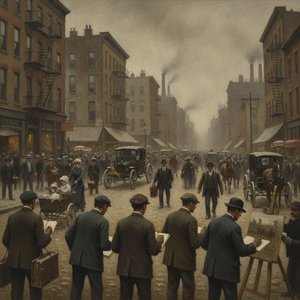
The Ashcan School: Capturing the Raw, Unfiltered Soul of Urban Life through American Realism
Discover the raw beauty of the Ashcan School. Explore how masters like Bellows and Henri captured the gritty, vibrant soul of early 20th-century New York through profound American Realism and evocative urban landscapes.

The Unvarnished Truth: A Cultural Journey Through the Soul of American Realism
Explore the profound beauty of American Realism. From the Ashcan School's urban grit to intimate portraits, discover how artists captured the authentic soul of a nation through unvarnished truth and masterful observation.