


 실제 크기로 보기
 보내기
보내기 공유하기
공유하기
 상세 보기
상세 보기 가이드 보기

 이미지 다운로드
 유사 작품 더 보기
 X-레이
X-레이 슬라이드 쇼 보기
 Q&A
Q&A 통계 정보
통계 정보Hollyhocks


 상세 보기
상세 보기
지클레 / 아트 프린트
빠른 제작과 다양한 마감 옵션을 선택할 수 있는 박물관 수준의 지클레이 및 캔버스 프린트. ( 수작업 채색 복제본 주문하기 디지털 이미지 판매 채널로 전환)




































표준 규격
맞춤 제작
CM
INCH
작품의 원본 비율을 그대로 유지하는 프리셋 사이즈 중에서 선택해 보세요.
Loading sizes...

가로 너비
높이
액자나 벽면 크기에 맞춰 필요한 가로와 세로 길이를 입력해 주세요. 프린트는 원본 이미지보다 크게 제작할 수 없으며 오직 자르는 것만 가능하므로, 비율이 다른 사이즈를 선택할 경우 이미지의 일부가 잘려 나갈 수 있습니다. 인쇄 작업에 들어가기 전, 최종 확인을 위해 디지털 목업을 보내드립니다. 이 페이지에 표시된 이미지는 실제 잘리는 영역을 나타내지 않으며, 오직 목업을 통해서만 정확한 확인이 가능합니다.


 유리 옵션은 110cm 미만 크기에서만 선택 가능합니다.

Hollyhocks
지클레 / 아트 프린트
복제본 규격
-


총 결제 금액
₩ 93535
A Delicate Study in Color: John La Farge's "Hollyhocks"
John La Farge’s “Hollyhocks,” painted in 1885, offers a captivating glimpse into the artist’s mastery of watercolor and his fascination with capturing the ephemeral beauty of nature. This intimate study showcases vibrant red and pink hollyhock flowers blooming on a verdant branch, rendered with remarkable sensitivity to light and color. More than just a botanical illustration, it's a testament to La Farge's ability to infuse everyday subjects with artistic depth and emotion.
Style & Technique: A Synthesis of Impressionism and Japonisme
La Farge was a pivotal figure in American art, bridging the gap between traditional academic painting and emerging modern styles. "Hollyhocks" exemplifies this synthesis. While rooted in observation – characteristic of Realism – the loose brushwork and emphasis on color harmonies reflect an influence from Impressionism. However, the composition’s flattened perspective and decorative quality also reveal a strong connection to Japonisme, the Western fascination with Japanese art that swept through Europe and America during this period. La Farge was deeply influenced by Japanese woodblock prints, particularly their use of bold outlines, simplified forms, and expressive color palettes. The watercolor medium itself allowed for a fluidity and transparency that further enhanced the painting’s delicate aesthetic.
Historical Context: American Art in the Late 19th Century
Painted during the Gilded Age, "Hollyhocks" reflects a broader shift in American artistic priorities. As industrialization transformed society, there was a growing appreciation for scenes of natural beauty and tranquility. La Farge’s focus on domestic flora aligns with this trend, offering a respite from the rapid changes occurring around him. Furthermore, La Farge's experimentation with watercolor and his embrace of non-traditional subject matter positioned him as a forward-thinking artist challenging conventional artistic norms. He was part of a generation that sought to define a distinctly American aesthetic, moving away from European dominance.
Symbolism & Emotional Impact
While seemingly simple in its subject matter, "Hollyhocks" carries subtle symbolic weight. Hollyhocks themselves often represent abundance, prosperity, and encouragement. La Farge’s careful arrangement of the flowers – three prominent blooms with a smaller one at the top – creates a sense of visual harmony and balance. The vibrant colors evoke feelings of warmth, joy, and vitality. The painting's overall effect is one of quiet contemplation and appreciation for the simple pleasures of nature. It invites viewers to pause and savor the fleeting beauty of a summer garden.
The Artist: John La Farge – A Renaissance Figure
John La Farge (1835-1910) was an extraordinarily versatile artist, renowned not only for his painting but also for his groundbreaking work in stained glass and mural design. Born into a wealthy French-American family in New York City, he received a broad education that fostered his intellectual curiosity and artistic experimentation. His studio in Rhode Island, known as "The Sacred Grove," became a haven for creativity and innovation. La Farge's legacy extends beyond individual artworks; he fundamentally shaped the course of American art by championing new techniques and embracing diverse cultural influences.
질의응답
"Hollyhocks"의 색조는 얼마나 채도가 높나요?
존 라파지의 "Hollyhocks"은(는) Subtle Color의 채도로 기록되었습니다.
1885년에 제작된 "Hollyhocks"은(는) 존 라파지의 커리어 중 어느 시기에 해당하나요?
1885년에 제작된 "Hollyhocks"은(는) 존 라파지의 Mature Period에 해당합니다.
주문하기 전에 존 라파지의 "Hollyhocks"를 미리 볼 수 있나요?
존 라파지의 "Hollyhocks"의 복제본을 미리 보려면 작품의 미리보기 페이지를 열어주세요.
관련 작품들


작가 소개
존 라파지: 미국 미술의 선구자
1835년 뉴욕시에서 부유한 프랑스인 부모님 사이에서 태어난 존 라파지는 19세기 후반과 20세기 초 미국 미술 발전의 중요한 인물로 떠올랐습니다. 그의 여정은 아시아 여행, 특히 회화, 벽화 디자인, 스테인드 글라스 예술, 실내 장식 및 통찰력 있는 글쓰기를 포괄하는 끊임없는 탐구와 혁신의 연속이었습니다. 이중 언어로 자란 라파지의 어린 시절은 그의 예술적 비전을 심오하게 형성한 국제적인 감각을 길러주었습니다. 그는 처음에는 법학 연구를 했지만 곧 마운트 세인트 메리 대학교와 세인트 존스 칼리지(현재 포드햄 대학교)에서 미술 공부로 방향을 틀었습니다. 파리에서 토마 쿠튀르 밑에서 훈련받은 기간이 이어졌고, 여기서 그는 유럽 예술 전통을 흡수하면서도 독특한 미국적 미학을 발전시켰습니다. 초기 노출은 구세계의 숙달과 자신의 새로운 독창성을 결합하여 획기적인 기술과 독특한 스타일로 특징지어진 경력의 기반을 마련했습니다.다양한 분야에서의 혁신
라파지의 예술적 산출물은 놀랍도록 다양했지만 색상과 빛에 대한 강렬한 집중력을 일관되게 유지했습니다. 그는 삽화와 풍경으로 인정을 받았지만 벽화 회화 분야에서 처음으로 중요한 영향을 미쳤습니다. 보스턴의 트리니티 교회(1873) 및 뉴욕의 승천 교회와 같은 교회의 의뢰는 빛나고 영적으로 자극적인 공간을 창조하는 그의 능력을 보여주었습니다. 그러나 라파지의 가장 지속적인 유산은 혁신적인 스테인드 글라스 작업에 있습니다. 당시의 관습적인 방법에 만족하지 못했던 그는 1880년에 특허를 받은 여러 겹의 색유리를 중첩하는 기술을 개척했습니다. 이 혁신을 통해 그는 전례 없는 풍부함과 깊이를 가진 색상을 달성하여 스테인드 글라스가 단순한 장식 요소에서 강력한 예술적 표현 매체로 변모했습니다. 그의 스테인드 글라스 창문은 단순한 표현이 아니었습니다. 그것들은 빛과 색상의 몰입형 경험이었습니다. 이러한 핵심 분야 외에도 라파지는 회화, 벽화 및 장식을 통합한 조화로운 환경을 만들어 실내 디자인에서도 뛰어났습니다.동양의 영향과 새로운 형태에 대한 탐구
라파지의 예술적 발전에 있어 결정적인 측면은 일본 미술과 문화에 대한 매혹이었습니다. 1880년대부터 시작된 아시아 여행은 그의 미학 감각에 심오한 영향을 미쳤습니다. 그는 자신의 관찰 내용을 글에 세심하게 기록하고 비대칭, 평평한 원근법 및 정교한 색상 감각과 같은 일본 디자인 요소를 자신의 작업에 통합했습니다. 동양의 미학을 포용하는 것은 단순한 모방이 아니었습니다. 라파지는 이러한 영향을 기존 예술적 어휘와 합성하여 완전히 새로운 것을 창조했습니다. 뉴욕 그리니치 빌리지 51번가 서쪽에 있는 그의 스튜디오는 비서구 미술 형태를 탐구하는 데 관심있는 아티스트들의 중심지가되어 실험과 교차 문화 교류의 정신을 조성했습니다. 제임스 맥닐 휘슬러와 같은 예술가들도 일본 미학에 매료되었지만 라파지는 이러한 영향을 자신의 다양한 예술적 실습에 원활하게 통합하는 능력으로 차별화되었습니다. 로드아일랜드의 숲인 세이크리드 그로브는 그의 영적인 탐구를 반영한 개인적인 성소가 되었습니다.미국 미술에 대한 지속적인 영향
존 라파지의 기여는 그의 개별 작품을 넘어 예술 옹호자이자 학문적 보수주의에 대한 강력한 비판가로서의 역할까지 확장되었습니다. 그는 1877년에 국립 디자인 아카데미의 경직성에 대한 대안으로 Society of American Artists를 공동 설립하여 예술적 자유와 혁신을 옹호했습니다. 그의 영향은 이후 세대의 예술가, 특히 Arts and Crafts 운동 및 상징주의와 관련된 예술가들의 작품에서 볼 수 있습니다. 라파지의 장인 정신에 대한 강조, 영적인 주제 탐구 및 색상의 혁신적인 사용은 전통 관습에서 벗어나려는 예술가들에게 공감을 불러일으켰습니다. 그는 메트로폴리탄 미술관 학교의 강사로 재직하면서 젊은 인재를 육성하고 자신의 지식과 열정을 전수했습니다. 루이 컴포트 티파니와의 스테인드 글라스 특허에 대한 장기간 법적 싸움에 직면했지만 라파지는 1910년 사망할 때까지 자신의 예술적 비전에 헌신했습니다. 그의 유산은 혁신의 힘, 색상의 아름다움 및 교차 문화 교류의 지속적인 영향에 대한 증거로 남아 있습니다.캔버스 너머: 글쓰기와 가족
- 문학적 기여: 라파지는 시각 예술가일 뿐만 아니라 재능있는 작가이기도 했습니다. 그의 여행기, 특히 *일본에서의 아티스트의 편지*(1897)는 일본 문화와 미술에 대한 통찰력 있는 관찰을 제공하여 서구에서 동양 미학에 대한 인식을 높이는 데 기여했습니다.
- 가족 유산: 라파지 가족은 예술과 인문학에 계속 기여했습니다. 그의 아들 올리버 해저드 페리 라파지 2세는 유명한 인류 학자이자 작가가되어 원주민 문화를 중점적으로 다룬 소설 *웃음의 소년*(1929)으로 풀리처상을 수상했습니다.
- 마지막 몇 년: 후년에 라파지는 끊임없이 작품을 제작하며 70대에도 벽화를 만들었습니다. 그는 로드아일랜드 프로비던스의 버틀러 병원에서 사망하여 오늘날까지 영감을주고 매료시키는 작품을 남겼습니다.
- 그의 안식처는 뉴욕 브루클린의 그린우드 공동묘지에 있습니다.

존 라파지
1835 - 1910 , 미국
작가 정보 요약
- Artistic Movement Or Style: 상징주의, 미술공예 운동
- Artists Or Movements Influenced By This Artist: ['마리아 오키 디윙']
- Artists Who Influenced This Artist: ['토마스 쿠튀르']
- Date Of Birth: 1835년 3월 31일
- Date Of Death: 1910년 11월 14일
- Full Name: 존 라 파지
- Nationality: 미국인
- Notable Artworks:
- 성스러운 숲
- 트리니티 교회 벽화
- 승천교회
- Place Of Birth (City And Country): 뉴욕시, 미국
관련 기사
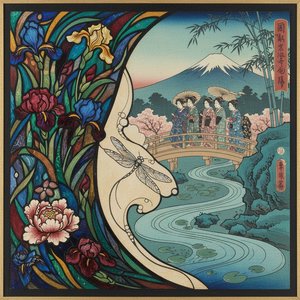
John La Farge: Pioneering American Colorism & Japonisme's Influence
Explore the groundbreaking work of John La Farge, a pioneer of American colorism and stained glass. Discover his captivating Japonisme-inspired murals & lasting legacy in 19th-century art. Expert insights for collectors.

존 싱어 사전트의 걸작 25선: 빛과 우아함으로 완성된 예술 세계 | TopImpressionists
존 싱어 사전트의 대표작 25선을 만나보세요. 인상주의 초상화부터 빛과 색채가 아름다운 유화까지, 그의 예술 세계를 탐험하고 TopImpressionists에서 고품질 아트 프린트로 거실 장식을 완성하세요. 지금 온라인 컬렉션을 확인하세요!

Watercolor Wonders: 10 Masterpieces That Redefined Art History | TopImpressionists
Journey through 10 legendary watercolor masterpieces by Sargent, Turner & Homer! Explore iconic landscapes, portraits & floral art that redefined history. Find museum-quality reproductions and curated decor ideas at TopImpressionists.com.

Ephemeral Visions: Exploring the Artistic Legacy & Contemporary Practice of Watercolor Painting
Explore the captivating world of watercolor painting! Discover its rich history, essential techniques, influential artists & collecting tips. A comprehensive guide for art enthusiasts from TopImpressionists.

존 컨스터블 대표작 25선: 영국 풍경화의 거장, 자연과 감성을 담은 명화 컬렉션 | TopImpressionists
존 컨스터블 대표작 25선을 만나보세요. 영국 풍경화 거장의 자연주의 회화, 데담 밸리의 아름다움과 헤이 웨인의 정취를 담은 명화를 감상하세요. TopImpressionists에서 고품질 예술 작품 복제본을 소장하고 특별한 인테리어를 완성해보세요. 지금 바로 컬렉션을 탐험하세요!