아틀리에 — 전 세계 무료 배송 — 배송 기간 2~6주
사진으로 그림 만들기 위시리스트 장바구니
미리보기미리보기 AR 미리보기AR 미리보기 프린트 주문으로 전환 프린트 주문으로 전환수제 페인팅으로 전환하기 수제 페인팅으로 전환하기 공유하기공유하기
상세 정보상세 정보 즐겨찾기에 추가 즐겨찾기에 추가 다운로드다운로드 유사 작품유사 작품 X-레이X-레이 슬라이드 쇼슬라이드 쇼

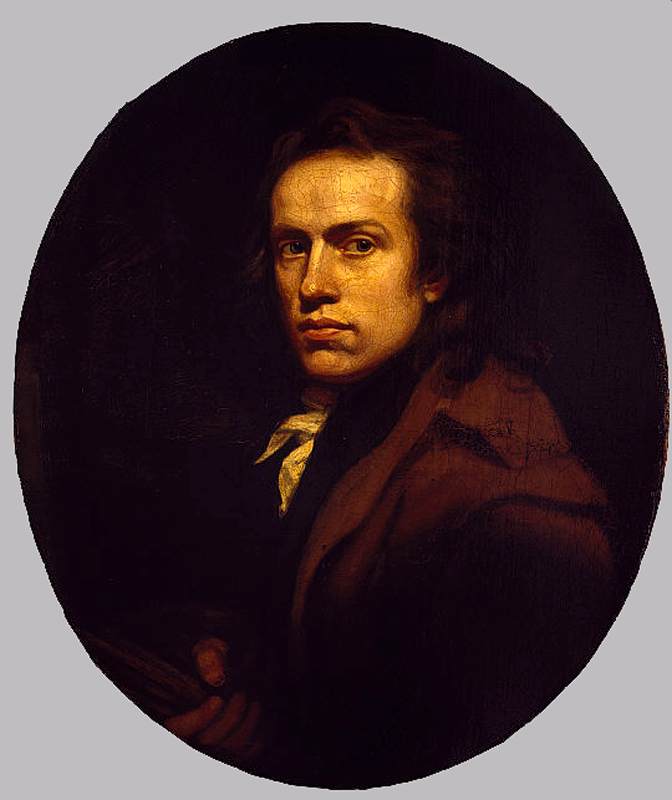
Self-Portrait

Explore John Opie’s 1789 ‘Self-Portrait,’ a dramatic Baroque masterpiece featuring chiaroscuro & intense emotion. Oil on canvas, Cornish art history.

John Opie RA (1761-1807) was a Cornish historical & portrait painter celebrated for his portraits of prominent figures and Rembrandtesque style. A Royal Academician and art writer.

온라인 미리보기보다 훨씬 뛰어난 품질의 고해상도 디지털 이미지를 구매해 보세요.

각 파일은 사내 전문가가 고급 도구와 숙련된 수동 리터칭 기술을 사용하여 세심하게 준비합니다. 우리는 모든 이미지가 탁월한 선명도, 정확한 색상 재현력, 그리고 미세한 디테일까지 완벽하게 갖추도록 보장합니다.

최종 파일은 전문적인 편집 및 인쇄 환경에서 즉시 사용할 수 있도록 최적화되어 72시간 이내에 이메일로 발송됩니다. 이는 세계적인 디자인 스튜디오, 출판사 및 갤러리가 신뢰하는 것과 동일한 품질입니다.

디지털 이미지

개인 소장 및 전시, 인쇄, 창작 프로젝트를 위한 고해상도 파일을 다운로드하세요. (프린트 주문으로 전환 프린트 주문으로 전환수제 페인팅으로 전환하기 수제 페인팅으로 전환하기)

최종 결제 금액

$9.99

모든 디지털 이미지 주문에 포함된 혜택

전문적인 디지털 이미지 전송 보장

TopImpressionists.com를 선택하시면 단순히 이미지를 받는 것을 넘어, 정밀한 보정 과정을 거친 전문적인 디지털 예술 작품을 만나보실 수 있습니다. 모든 작품에는 만족 보장 서비스가 함께 제공되며, 주문 시 다음과 같은 사항들이 자동으로 포함됩니다:

shipping_icon
빠른 이메일 전송

주문 후 72시간 이내에 고해상도 디지털 이미지 파일이 이메일로 발송되며, 즉시 사용하실 수 있습니다.

canvas_icon
AI 기술로 향상된 디지털 파일

귀하의 작품은 고급 AI 도구와 수동 편집 과정을 거쳐 전문적으로 최적화되며, 이를 통해 디테일과 선명도, 색상의 정확도를 극대화합니다.

insurance_icon
평생 무료 재전송 서비스

파일을 실수로 삭제하거나 분실하셨나요? 걱정 마세요. 언제든 무료로 다시 보내드립니다.

tax_icon
추가 수입 비용 없음 - 언제나

관세나 부가세, 배송비 부담 없이 작품을 즉시 감상하세요 - 디지털 다운로드는 언제나 면세 혜택이 적용됩니다.

color_icon
정확한 색상 보장

전문적인 도구와 색상 관리 시스템을 통해 디지털 이미지가 원본의 색상을 최대한 정확하게 구현하도록 보장합니다.

return_icon
60일 만족 보장제

구매하신 디지털 이미지에 만족하지 못하실 경우, 60일 이내에 수정 또는 100% 환불을 진행해 드립니다 - 어떠한 문의도 필요 없습니다.

guarantee_icon
100% 환불 보장

만족하지 못하셨나요? 디지털 파일을 수령하신 후 60일 이내라면 별도의 이유를 밝힐 필요 없이 전액 환불해 드립니다.

discount_icon
대량 주문 할인

이미지 3매 구매 시 10% 할인 - 5매 구매 시 15% 할인 - 10매 이상 구매 시 20% 할인. 크리에이티브 프로젝트, 갤러리, 에이전시에 매우 유용합니다.

작품 정보 요약

  • Influences:
    • Caravaggio
    • Velazquez
  • Medium: Oil on canvas
  • Title: Self-Portrait
  • Notable elements or techniques: Chiaroscuro, dramatic lighting
  • Artistic style: Portraiture, realistic
  • Artist: John Opie
  • Movement: Baroque

예술 상식 퀴즈

각 질문의 정답은 하나뿐입니다.

질문 1:
What artistic movement is most strongly reflected in John Opie’s ‘Self-Portrait’?
질문 2:
The dark background in the ‘Self-Portrait’ primarily serves to:
질문 3:
According to the provided text, what was John Opie’s early career path before becoming a painter?
질문 4:
In what year was John Opie born?
질문 5:
The text mentions that Opie’s early success was largely due to the mentorship of which figure?

수집품 상세 설명

The Enigmatic Gaze: Unveiling John Opie’s Self-Portrait

John Opie's 1789 “Self-Portrait” isn’t merely a likeness; it’s a carefully constructed window into the soul of a burgeoning artistic talent. Painted in oil on canvas, this oval composition immediately commands attention with its dramatic chiaroscuro – a masterful manipulation of light and shadow that plunges the viewer into an atmosphere of profound introspection. The portrait depicts Opie himself, not as a triumphant figure, but as a contemplative man, his gaze fixed directly upon the observer, inviting us to share in his thoughts and emotions. The choice of this particular pose—a slight turn of the head, a subtle furrowing of the brow—suggests a mind wrestling with ideas, a quiet intensity that belies the young artist’s burgeoning fame.
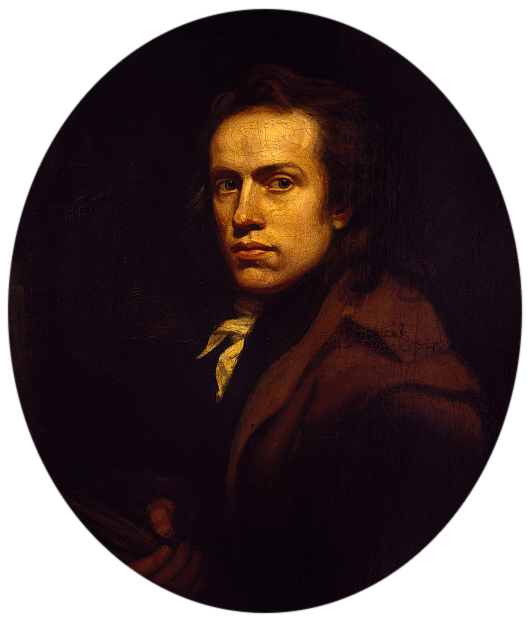
Self-Portrait by John Opie

Baroque Drama and Cornish Roots

Opie’s style is deeply rooted in the Baroque tradition, a movement known for its theatricality, emotional intensity, and dramatic use of light. The influence of Caravaggio and Rembrandt—artists who were masters of chiaroscuro—is readily apparent in Opie's work. The stark contrast between the illuminated areas of the face and clothing and the deep shadows that envelop the background creates a sense of depth and volume, drawing our attention to the central figure. This technique wasn’t simply aesthetic; it was a deliberate choice to convey a powerful emotional state – here, a blend of seriousness, intelligence, and perhaps even melancholy. Born in Trevellas, Cornwall, Opie's artistic sensibility was profoundly shaped by his Cornish heritage, evident in the ruggedness of his features and the earthy tones that dominate the palette.

A Study in Form and Texture

Beyond the dramatic lighting, a closer examination reveals Opie’s meticulous attention to detail. The artist skillfully employs lines to define the contours of the face, clothing, and hair, creating a sense of solidity and form. The layering of paint—a technique known as impasto—adds texture to the surface, particularly in the rendering of the fabric draped over his shoulders and the delicate details of his hands. Note the subtle variations in color and tone that suggest the play of light on different surfaces. This careful observation and execution demonstrate Opie’s commitment to realism, a hallmark of his style.

Symbolism and the Portraiture of the Mind

The portrait transcends a simple likeness; it's a symbolic representation of the artist’s inner world. The direct gaze invites engagement, suggesting that Opie is not simply presenting himself but offering an invitation to share in his thoughts. The serious expression—a hallmark of many self-portraits from this period—hints at intelligence, introspection, and perhaps even a touch of melancholy. Considering the historical context – the late 18th century was a time of intellectual ferment and social change – Opie’s portrait can be interpreted as an exploration of identity in a rapidly evolving world. The choice to depict himself alone reinforces this sense of internal reflection, suggesting that the artist is grappling with profound questions about his place in society and his role as a creative force.

Further Exploration


작가 소개

A Cornish Prodigy Ascends: The Life and Art of John Opie

John Opie, born in the humble surroundings of Harmony Cottage, Trevellas, Cornwall in 1761, emerged as one of the most remarkable artistic figures of his generation. His story is a compelling narrative of raw talent nurtured against the odds, rising from a carpenter’s son to become a celebrated portraitist and history painter, a Royal Academician, and an influential voice within the British art world. Opie's early life was marked by a precocious aptitude for both drawing and mathematics – a duality that perhaps informed his meticulous approach to composition and form. Even as a young boy, he demonstrated an independent spirit, establishing an evening school to teach reading, writing, and arithmetic to local children while simultaneously mastering Euclid’s geometry. This thirst for knowledge, coupled with his artistic inclination, was initially met with resistance from his father, who insisted on an apprenticeship in carpentry. However, fate intervened in the form of Dr. John Wolcot, known as Peter Pindar, a physician and satirist whose discerning eye recognized the extraordinary potential within the young Opie.

Mentorship, London, and Royal Patronage

Wolcot became Opie’s champion, securing his release from the carpentry apprenticeship and providing him with invaluable guidance, encouragement, and crucial introductions. This mentorship proved pivotal in launching Opie's career. In 1781, they journeyed to London together, where Wolcot shrewdly presented Opie as a self-taught prodigy – a “Cornish wonder” untouched by formal artistic training. This narrative captivated the London art scene, drawing comparisons to masters like Caravaggio and Velázquez from none other than Sir Joshua Reynolds himself. The initial success was swift and dazzling. Commissions poured in, including portraits of members of the British royal family—the Duke and Duchess of Gloucester, Lady Salisbury, and Mary Delany among them. Opie’s residence on Castle Street became a hub of fashionable society, his talent commanding attention and admiration. However, the partnership with Wolcot eventually dissolved as Opie asserted his independence, seeking to forge his own path without the constraints of their profit-sharing agreement. This period solidified Opie's reputation, establishing him as a leading portraitist capable of capturing not only physical likeness but also the character and social standing of his sitters.

Beyond Portraiture: Historical Paintings and Academic Recognition

While initially celebrated for his portraits, Opie harbored ambitions beyond simply recording the faces of the elite. He yearned to engage with grand historical narratives, seeking to establish himself as a painter of significant subjects. This ambition led him to explore history painting, culminating in works like *The Assassination of James I* (1786) and *The Murder of Rizzio* (1787). The latter proved particularly impactful, earning him immediate election as an Associate of the Royal Academy and full membership the following year. These historical paintings demonstrated a growing mastery of composition, dramatic lighting—often reminiscent of Rembrandt—and a commitment to conveying emotional intensity. Opie’s dedication to his craft extended beyond painting; he actively sought to broaden his intellectual horizons through the study of Latin, French literature, and cultivated social circles. He also became deeply involved with John Boydell's Shakespeare Gallery, creating five paintings inspired by the Bard’s plays, further cementing his position within the artistic establishment.

A Legacy of Artistry and Thought

Opie’s later life was marked by both professional success and personal challenges. His first marriage proved unhappy, ending in divorce in 1796. However, he found lasting happiness with Amelia Alderson, a writer and abolitionist whom he married in 1798. Their partnership fostered mutual support and intellectual stimulation. In 1805, Opie was appointed Professor of Painting at the Royal Academy, a testament to his standing within the art world. His lectures, delivered in 1806 and published posthumously in 1809 with a memoir by Amelia, revealed a thoughtful and articulate mind deeply engaged with the principles of artistic creation. He advocated for the formation of a national gallery—a visionary idea that would eventually become reality—and offered insightful commentary on the state of British art. John Opie’s untimely death in April 1807 at the age of 46 cut short a promising career, but his legacy endures. He left behind a substantial body of work – over 500 portraits and 250 other paintings—that offers a fascinating glimpse into the social and cultural landscape of late 18th and early 19th century Britain. He remains a significant figure in British art history, celebrated for his technical skill, insightful portraiture, and contributions to artistic discourse.
John Opie

John Opie

1761 - 1807 , United Kingdom

주요 정보

  • Artistic Movement Or Style: Historical & Portraiture
  • Artists Who Influenced This Artist:
    • Caravaggio
    • Velazquez
  • Date Of Birth: 1761
  • Date Of Death: 1807
  • Full Name: John Opie
  • Nationality: British
  • Notable Artworks: ['Shakespeare Gallery works']
  • Place Of Birth: Trevellas, UK
© TopImpressionists.com — All Rights Reserved  ·  100% 수작업 페인팅 · 만족 보장 · 전 세계 무료 배송
VISA MASTERCARD