


 실제 크기로 보기
 보내기
보내기 공유하기
공유하기
 상세 보기
상세 보기 가이드 보기

 이미지 다운로드
 유사 작품 더 보기
 X-레이
X-레이 슬라이드 쇼 보기
 통계 정보
통계 정보Self Portrait


Experience the realism of Eastman Johnson's 'Self Portrait' (1860). A captivating oil painting showcasing an American artist’s nuanced portrayal of himself, reflecting a bygone era.
 상세 보기
상세 보기
'미국의 렘브란트', 조나단 이스트먼 존슨(1824-1906)을 만나보세요! 네덜란드 거장들의 영향을 받아 미국인의 일상을 포착한 그의 풍속화와 링컨 초상화 등 위대한 작품들을 탐험해 보세요.
지클레 / 아트 프린트
빠른 제작과 다양한 마감 옵션을 선택할 수 있는 박물관 수준의 지클레이 및 캔버스 프린트. ( 수작업 채색 복제본 주문하기 디지털 이미지 판매 채널로 전환)




P118B ₩10

P118H ₩10

P118W ₩10

P438Z ₩10

P508JH ₩12

P508YH ₩12

P805H ₩10

P805Z ₩10

P919BZ ₩10

P919G ₩10

P919XJ ₩10

P959ZH ₩10

P968JZ ₩12

W106C ₩8

W218G ₩10

W218JH ₩8

W218Y ₩10

W307PJ ₩10

W316G ₩10

W316PJ ₩8

W316Y ₩10

W398PJ ₩8

W4111J ₩10

W500HY ₩15

W500JH ₩15

W692G ₩12

W849H ₩8

W940BG ₩15

W953PJ ₩8




표준 규격
맞춤 제작
CM
INCH
작품의 원본 비율을 그대로 유지하는 프리셋 사이즈 중에서 선택해 보세요.
Loading sizes...

가로 너비
높이
액자나 벽면 크기에 맞춰 필요한 가로와 세로 길이를 입력해 주세요. 프린트는 원본 이미지보다 크게 제작할 수 없으며 오직 자르는 것만 가능하므로, 비율이 다른 사이즈를 선택할 경우 이미지의 일부가 잘려 나갈 수 있습니다. 인쇄 작업에 들어가기 전, 최종 확인을 위해 디지털 목업을 보내드립니다. 이 페이지에 표시된 이미지는 실제 잘리는 영역을 나타내지 않으며, 오직 목업을 통해서만 정확한 확인이 가능합니다.


 유리 옵션은 110cm 미만 크기에서만 선택 가능합니다.

Self Portrait
지클레 / 아트 프린트
복제본 규격
-


총 결제 금액
₩ 94169
A Window into American Realism: Eastman Johnson’s “Self Portrait” (1860)
Eastman Johnson's "Self Portrait" of 1860 is more than just a likeness; it’s a meticulously crafted window into the soul of an era and the quiet dignity of a man. Painted during a pivotal period of American artistic development, this oil-on-canvas work embodies the burgeoning realism that would define Johnson's career and, in many ways, shape the course of 19th-century portraiture. The painting immediately draws the viewer in with its direct gaze – Johnson’s eyes meet ours across time, conveying a sense of thoughtful introspection and understated strength.
The composition is deceptively simple yet profoundly effective. Dressed in a dark, well-tailored coat and holding a red cloth—a subtle detail that hints at theatricality or perhaps a deliberate gesture of presentation – Johnson presents himself against a muted wall adorned with a vase and a clock. These elements aren’t merely decorative; they ground the portrait within a domestic setting, suggesting a life lived within the rhythms of everyday existence. The background's subdued palette further emphasizes the subject, allowing his features and demeanor to take center stage.
The Painter’s Palette: Technique and Style
Johnson’s masterful technique is rooted in the academic traditions he studied in Europe, particularly in Düsseldorf, Germany, where he honed his skills alongside other American artists seeking a rigorous artistic education. However, unlike many of his European contemporaries, Johnson didn't simply replicate established styles; he adapted them to reflect the unique character of American life. His brushwork is precise and controlled, yet imbued with a remarkable sensitivity to light and shadow. Note the subtle gradations in tone that define the contours of his face, creating a sense of volume and depth.
The painting’s realism extends beyond mere representation. Johnson captures not just Johnson's physical appearance but also something of his personality – a quiet confidence tempered by a hint of melancholy. The careful attention to detail—the texture of the coat, the slight furrow in his brow—reveals a deep understanding of human anatomy and expression. It’s a testament to Johnson’s ability to translate observation into compelling visual narrative.
A Man of His Time: Historical Context
To fully appreciate “Self Portrait,” it's essential to understand the social and artistic landscape of 1860 America. The nation was grappling with the aftermath of the Civil War, navigating a period of Reconstruction and profound societal change. Johnson’s work reflects this atmosphere of introspection and quiet resilience. He wasn’t interested in grand historical narratives or idealized representations; instead, he focused on capturing the realities of ordinary American life – a theme that would become increasingly prominent in his later genre paintings.
Johnson's connection to Washington D.C. is particularly significant. He lived and worked there for much of his career, documenting the lives of politicians, businessmen, and everyday citizens. His portraits offer invaluable insights into the social fabric of a rapidly evolving nation. The inclusion of elements like the vase and clock—common features of domestic interiors—further anchors the portrait within this specific context.
Symbolism and Emotional Resonance
While seemingly straightforward, “Self Portrait” is rich in subtle symbolism. The red cloth held in Johnson’s hand could represent passion, creativity, or perhaps a theatrical element – reflecting his involvement in stage design and set dressing. The direct gaze of the subject invites contemplation, prompting us to consider not only Johnson's identity but also our own relationship with self-representation and portraiture itself.
Ultimately, “Self Portrait” is a powerful testament to the enduring appeal of realism as an artistic approach. It’s a painting that speaks to the complexities of human experience – capturing both the outward appearance and the inner life of a man who sought to document his time with honesty, nuance, and a profound appreciation for the beauty of everyday existence.
질의응답
"Self Portrait"의 유화 복제본을 주문할 수 있을까요?
조나단 이스트먼 존슨의 "Self Portrait"의 수작업 복제화는 본 웹사이트의 수작업 유화 복제화 페이지를 통해 리넨 캔버스 위에 손으로 직접 그린 유화 복제화에서 구매하실 수 있습니다.
"Self Portrait"이(가) 조나단 이스트먼 존슨의 가장 인기 있는 작품 중 하나인가요?
조나단 이스트먼 존슨의 "Self Portrait"의 기록된 인기도는 Recognized입니다.
"Self Portrait"이(가) 제작되었을 당시 조나단 이스트먼 존슨의 나이는 어떻게 되었나요?
조나단 이스트먼 존슨은(는) 36세에 "Self Portrait"을(를) 제작했습니다. 작가는 1824년에 태어났으며, 이 작품의 제작 연도는 1860년입니다.
작가 소개
미국 사실주의에 새겨진 삶
19세기 미국 삶의 고요한 품격을 떠올리게 하는 이름, 조나단 이스트먼 존슨은 단순한 화가 그 이상이었습니다. 그는 당대를 기록한 시각적 연대기 작가였습니다. 1824년 메인주 러벨에서 태어난 존슨의 예술적 명성은 즉각적인 찬사보다는 점진적인 과정에 가까웠습니다. 가족적 유대와 엄격한 훈련, 그리고 세상을 자신이 바라본 그대로—정직하고 섬세하며 약간의 우수 어린 아름다움을 담아—묘사하려는 확고한 헌신을 통해 그의 예술적 여정은 서서히 펼쳐졌습니다. 사업가이자 친목 단체의 요직을 맡았던 그의 아버지 필립 캐리건 존슨은 어린 이스트먼에게 공동체에 참여하는 마음가심을 심어주었으며, 이는 훗날 그의 예술적 주제 전반에 스며들게 됩니다. 메인주 프라이버그와 어거스타에서의 초기 경험은 일상적인 삶에 대한 이해의 토대가 되었고, 그는 이러한 통찰을 놀라운 감수성으로 캔버스 위에 옮겨 놓았습니다. 1840년 보스턴의 석판화가 밑에서 시작된 도제식 교육은 세밀한 관찰력과 기술적 숙련도를 특징으로 하는 그의 경력에 첫 발을 내디딘 순간이었습니다. 이후 아버지의 해군 임명으로 가족과 함께 워싱턴 D.C.로 이주하게 된 경험은 그의 지평을 넓혔으며, 다양한 주제와 경험을 접하며 그의 예술적 비전에 미묘한 영향을 미치게 되었습니다.네덜란드 거장으로부터 미국적 풍경까지
존슨의 예술적 발전은 여러 영향력이 매혹적으로 상호작용한 결과였습니다. 초기에 초상화에 매료되었던 그는 곧 자신의 레퍼토리를 일상적인 장면을 담은 풍속화로 확장했습니다. 이는 단순한 재현을 넘어, 거창한 역사적 서사 속에서 흔히 간과되곤 하는 평범한 사람들의 삶을 들여다보며 미국 사회의 본질을 포착하려는 시도였습니다. 결정적인 순간은 1850년대에 찾아왔습니다. 존슨은 헤이그로 여정을 떠나 17세기 네덜란드 거장들의 작품에 몰입했습니다. 이 만남은 그를 변화시켰습니다. 그는 거장들의 구도, 빛의 활용, 그리고 사실주의적 기법을 흡수하였고, 그 결과 "미국의 렘브란트"라는 애정 어린 별명을 얻게 되었습니다. 이러한 영향은 그의 화풍에서 명확히 느껴집니다. 절제된 색조, 극적인 키아로스쿠로(명암법), 그리고 사진에 가까운 세밀한 묘사는 그의 성숙한 스타일을 특징짓습니다. 그러나 존슨은 단순히 모방하는 데 그치지 않았습니다. 그는 이러한 유럽의 기법을 자신만의 미국적 감수성과 결합하여, 기술적으로 탁월하면서도 당대의 사회적 맥락에 깊이 뿌리박힌 작품들을 창조해냈습니다. 그는 급성장하던 사실주의 운동과 궤를 같이하며, 이상화된 표현 대신 일상의 정확한 묘사를 선택했는데, 이러한 헌신은 그의 예술적 유산으로 남게 되었습니다.한 시대를 증언하다
존슨의 작품 세계는 놀라울 정도로 다채롭습니다. 에이브러햄 링컨, 나다니엘 호손, 랄프 왈도 에머슨, 헨리 워즈워스 롱펠로와 같은 저명한 인물들의 초상화부터 가정적이고 전원적인 삶의 친밀한 장면까지 아우릅니다. 그러나 그중에서도 사회적 비평과 예술적 혁신 측면에서 특히 중요한 작품들이 존재합니다. 남부의 흑인 생활(Negro Life at the South)(1859)은 그의 가장 유명하면서도 논쟁적인 작품 중 하나로 남아 있습니다. 아프로-아메리칸들이 여가를 즐기는 모습을 담은 이 작품은 남북 전쟁 전 남부의 인종 관계와 노예제의 현실에 대해 격렬한 논쟁을 불러일으켰습니다. 이 장면이 낭만화된 묘사인지, 아니면 미묘한 비판인지에 대한 모호함은 예술계를 넘어 광범위한 담론을 형성했습니다. 남북 전쟁에 대한 그의 반응 또한 매우 절절했습니다. 전장의 영웅적 서사에 집중하는 대신, 존슨은 갈등이 민간인의 삶에 미치는 영향에 주목하여 불안에 떠는 가족들과 전선에서 떨어진 곳의 풍경들을 애잔하게 그려냈습니다. 노예 가족이 자유를 찾아 탈출하는 모습을 담은 자유를 향한 질주(Ride For Liberty)(1862)는 사회 정의를 향한 그의 헌신을 보여주는 강력한 증거입니다. 또한 메이플 시럽 채취나 크랜베리 수확과 같은 뉴잉글랜드의 전원 생활에 대한 묘사는 미국의 전통적인 가치와 장인 정신을 경건한 태도로 찬양했습니다.캔버스를 넘어선 유산
예술적 성취를 넘어, 존슨은 미국 미술계의 지형을 형성하는 데 결정적인 역할을 했습니다. 풍속화에 대한 그의 헌신은 이를 존중받는 예술 형식으로 격상시켰으며, 무엇이 "순수 예술"인가에 대한 기존의 관념에 도전했습니다. 그는 단순한 화가가 아니라 문화적 옹호자였습니다. 그의 열정은 개인적인 작업에 머물지 않고 뉴욕 메트로폴리탄 미술관의 공동 설립으로 이어졌는데, 이는 예술이 교육하고 영감을 주는 힘을 가지고 있다는 그의 믿음을 증명합니다. 미술관 입구에 새겨진 그의 이름은 국가적 예술 유산에 기여한 그의 중대한 공로를 영원히 기리고 있습니다. 미국 사실주의에 미친 존슨의 영향력은 부정할 수 없습니다. 정직하고 세밀하게 일상을 묘사하려는 그의 노력은 인간 경험의 복잡성을 포착하고자 했던 후대 예술가들에게 길을 열어주었습니다. 오늘날 조나단 이스트먼 존슨은 기술적으로 뛰어난 화가로 기억될 뿐만 아니라, 시대를 통찰하는 관찰자로서 그 작품들을 통해 여전히 깊은 정서적 울림과 영속적인 가치를 전달하고 있습니다.영원한 의미
존슨의 유산은 특정 작품이나 제도적 기여를 넘어 확장됩니다. 그는 유럽의 예술적 전통과 독창적인 미국의 소재 사이의 간극을 메운 선구자였습니다. 평범한 장면에 깊은 의미를 불어넣는 능력, 복잡한 사회적 문제에 맞서려는 의지, 그리고 사실주의에 대한 확고한 신념은 그를 19세기 미국 미술의 핵심 인물로 각인시켰습니다. 그는 단순히 삶을 기록한 것이 아니라 해석해냈으며, 관람객들이 스스로의 가치와 신념을 되돌아보게 만들었습니다. 그의 작업은 진정한 예술성이 기술적 숙련도뿐만 아니라 인간의 정신과 교감하고 우리 주변의 세상을 밝히는 능력에 있음을 일깨워주는 강력한 상기물입니다. 1906년 뉴욕에서 세상을 떠난 그가 남긴 작품들은 오늘날에도 여전히 사람들을 매료시키고 영감을 주며, 미국 미술사에서 중요한 인물로서 그의 이름을 영원히 빛나게 하고 있습니다.
조나단 이스트먼 존슨
1824 - 1906 , 영국
작가 정보 요약
- Artistic Movement Or Style: 사실주의, 장르 회화
- Artists Or Movements Influenced By This Artist: ['미국 사실주의']
- Artists Who Influenced This Artist:
- 네덜란드 거장들
- 장 프랑수아 밀레
- Date Of Birth: 1824년 7월 29일
- Date Of Death: 1906년 4월 5일
- Full Name: 조나단 이스트만 존슨
- Nationality: 미국인
- Notable Artworks:
- 남부의 흑인 생활
- 자유를 향한 질주
- 독서하는 여인
- Place Of Birth: 영국 로웰
관련 기사
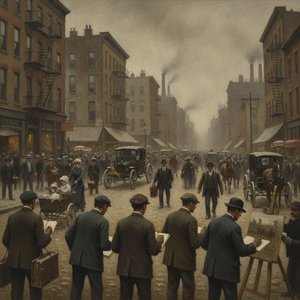
The Ashcan School: Capturing the Raw, Unfiltered Soul of Urban Life through American Realism
Discover the raw beauty of the Ashcan School. Explore how masters like Bellows and Henri captured the gritty, vibrant soul of early 20th-century New York through profound American Realism and evocative urban landscapes.

The Unvarnished Truth: A Cultural Journey Through the Soul of American Realism
Explore the profound beauty of American Realism. From the Ashcan School's urban grit to intimate portraits, discover how artists captured the authentic soul of a nation through unvarnished truth and masterful observation.

The Raw Truth: A Definitive Guide to the Power and Legacy of Social Realism Art
Explore the profound impact of Social Realism. Discover how masters like Courbet rejected idealism to capture the raw, socio-political truths of the working class through powerful, unvarnished art history and enduring visual critique.