


 미리보기
미리보기
 공유하기
공유하기 공유하기
공유하기
 상세 정보
상세 정보 가이드 보기

 다운로드
다운로드
 유사 작품
유사 작품 X-레이
X-레이 슬라이드 쇼
 통계 정보
통계 정보평화로운 장례식

 더 보기
더 보기
수제 유화 복제품
원하는 크기와 액자로 주문 제작되는, 작가들이 직접 캔버스에 손으로 그린 유화 작품입니다. ( 프린트 판매로 전환 디지털 이미지로 전환)




P118B $10

P118H $10

P118W $10

P438Z $10

P508JH $12

P508YH $12

P805H $10

P805Z $10

P919BZ $10

P919G $10

P919XJ $10

P959ZH $10

P968JZ $12

W106C $8

W218G $10

W218JH $8

W218Y $10

W307PJ $10

W316G $10

W316PJ $8

W316Y $10

W398PJ $8

W4111J $10

W500HY $15

W500JH $15

W692G $12

W849H $8

W940BG $15

W953PJ $8




표준 규격
맞춤형
CM
INCH
작품의 원본 비율을 유지하는 미리 설정된 크기 중에서 선택하세요.
Loading sizes...

가로 너비
세로 길이
특정 프레임이나 공간에 맞도록 직접 크기를 입력할 수 있습니다. 선택하신 크기가 원본 이미지의 비율과 일치하지 않는 경우, 작품을 자르거나 추가적인 손으로 그린 요소를 사용하여 그림을 확장합니다. 제작 시작 전 승인을 위해 디지털 목업을 보내드립니다.
화면 미리 보기는 실제 자르기 또는 확장을 반영하지 않습니다. 최종 구성은 목업을 통해서만 정확하게 확인하실 수 있습니다.
맞춤 크기 제작도 가능하지만, 원본 비율을 유지하기 위해 사전 정의된 목록에서 크기를 선택하시는 것을 권장합니다.
변경 가능한 예시: 얼굴을 고객의 사진으로 교체, 반려동물 추가(예: 고양이를 강아지로 변경), 배경에 숨겨진 메시지 삽입, 배경 풍경 또는 요소 변경 등
주문 후 TopImpressionists.com 팀에서 상세 안내를 위해 고객님께 이메일을 보내드리며, 미리보기 시안을 제공해 드립니다.
주문 후 TopImpressionists.com 팀에서 상세 안내를 위해 고객님께 이메일을 보내드리며, 미리보기 시안을 제공해 드립니다.


 유리 옵션은 110cm 미만 크기에서만 선택 가능합니다.

평화로운 장례식
재현 기법
복제본 크기
-


최종 결제 금액
$ 269
Peace - Burial at Sea: A Somber Ode to Remembrance
William Turner’s “Peace – Burial at Sea,” painted in 1842, stands as a poignant testament to grief and artistic contemplation. More than just a depiction of a funeral rite at sea—a memorial tribute to David Wilkie—the painting embodies the Romantic spirit's fascination with sublime beauty intertwined with melancholy. Currently housed in the Tate Collection, London, this canvas transcends mere visual representation; it’s an exploration of emotion rendered through masterful technique and imbued with layers of symbolic meaning.
- Subject Matter: The artwork portrays a solemn scene—the burial at sea of Sir David Wilkie, a celebrated Scottish painter who perished tragically off Gibraltar during his return voyage from Jerusalem. Turner meticulously captures the moment of farewell as Wilkie’s body is lowered into the ocean amidst flickering torches and hushed reverence.
- Style & Technique: Characteristic of Turner's Romantic style, “Peace” employs loose brushstrokes and a vibrant palette—a deliberate contrast to his companion piece, “War.” The artist utilizes atmospheric perspective, skillfully blending shades of white, blue, and black to convey the profound stillness and solemnity of the occasion. Turner’s technique prioritizes capturing the essence of light and its transformative effect on landscape, elevating it beyond mere realism.
- Historical Context: Painted during a period marked by artistic innovation and philosophical inquiry, “Peace” reflects the Romantic movement's preoccupation with emotion and imagination. Wilkie’s death served as inspiration for Turner to honor his friend’s memory through art—a gesture mirroring the broader cultural desire to grapple with mortality and find solace in nature’s grandeur.
- Symbolism: The painting is rich in symbolic elements. The seabird soaring above the sea represents ascension and spiritual transcendence, suggesting that Wilkie's soul finds peace amidst the turbulent waters of death. Furthermore, the muted colors—primarily whites and blacks—symbolize mourning and contemplation, underscoring the solemn beauty of remembrance.
- Emotional Impact: “Peace – Burial at Sea” evokes a powerful emotional response in viewers. Turner’s masterful rendering of light and atmosphere creates an immersive experience that captures the profound sadness associated with loss while simultaneously conveying a sense of sublime serenity. It invites contemplation on themes of mortality, faith, and the enduring power of artistic expression to transform grief into beauty.
This evocative artwork continues to resonate with audiences today, offering a glimpse into Turner’s genius and his ability to distill complex emotions into breathtaking visual compositions.


작가 약력
빛의 선구자: J.M.W. 터너의 삶과 예술을 찾아 떠나는 여정
풍경의 숭고한 힘과 빛이 만들어내는 매혹적인 춤사위와 동의어인 이름, 조셉 말로드 위리엄 터너는 영국에서 가장 찬사받으며 영향력 있는 예술가 중 한 명으로 남아 있습니다. 1775년 런던 코벤트 가든에서 태어난 터너의 여정은 이발사의 아들에서 거장 화가에 이르기까지, 타고난 재능과 끊임한 헌신, 그리고 미술사의 흐름을 영원히 바꿀 선구자적 정신으로 가득 차 있었습니다. 건축물의 세부 사항을 스케치하던 초기 시절부터 대기와 색채를 탐구하며 거의 추상에 가까워졌던 후기 작업에 이르기까지, 터너는 예술적 표현의 경계를 끊임없이 확장해 나갔습니다.
그의 정식 교육은 1789년 로열 아카데미 스쿨에서 시작되었으며, 그는 그곳에서 유망한 학생으로서 빠르게 두각을 나타냈습니다. 그러나 터너는 단순히 기존의 양식을 재현하는 것에 만족하지 않았습니다. 그는 자연의 본질, 즉 가공되지 않은 힘과 찰나의 아름다움, 그리고 내재된 드라마를 포착하고자 했습니다. 초기 작품들은 당시 유행하던 예술적 취향을 반영하여 지형적인 세부 사항에 대한 세심한 주의를 보여줍니다. 하지만 이러한 초기작들 속에서도 빛과 그림면에 대한 감수성, 색채 실험에 대한 의지, 그리고 숭고함에 대한 피어오르는 매혹 등 그의 미래를 암시하는 흔적들을 발견할 수 있습니다.
선구자의 진화: 지형학에서 초월로
터너의 예술적 발전은 끊임없는 실험과 단순한 재현을 넘어서고자 하는 갈망으로 점철되었습니다. 클로드 로랭과 J.M.W. 코즌스 같은 거장들의 영향을 받은 그는 풍경에 낭만적인 감수성을 불어넣기 시작했으며, 정밀한 묘사보다는 정서적 반응을 강조했습니다. 1802년부터 시작된 그의 유럽 여행은 결정적인 계기가 되었으며, 다양한 풍경을 접하며 구도와 색채에 대한 새로운 접근 방도에 영감을 주었습니다. 그는 단순히 눈에 보이는 것을 기록하는 데 그치지 않고, 자신만의 독창적인 시각이라는 렌즈를 통해 세상을 해석해 나갔습니다.
19세기 초는 터너의 화풍이 더욱 표현력이 풍부한 방향으로 변화하던 시기였습니다. 특히 그의 해양 풍경화는 점점 더 극적으로 변모하여, 전례 없는 강렬함으로 바다의 분노와 위엄을 포착해 냈습니다. “해체되기 위해 마지막 정박지로 끌려가는 테메레르 호(The Fighting Temeraire Tugged to Her Last Berth to Be Broken Up)” (1839)와 같은 작품은 단순히 배가 마지막 안식처로 견인되는 모습을 그린 것이 아닙니다. 그것은 죽음과 상실, 그리고 멈추지 않는 진보의 행보에 대한 가슴 아픈 명상입니다. 이 작품에서 빛의 사용은 특히 인상적인데, 황금빛 일몰이 장면 위로 우울한 광채를 드리우며 한 시대의 종말을 상무적으로 상징하고 있습니다.
대기의 거장: 빛, 색채, 그리고 숭고함
터너의 후기 작품들은 전통적인 예술적 관습으로부터 거의 급진적인 탈피를 보여주는 것이 특징입니다. 그는 형태와 세부 묘사보다 대기와 색채를 점점 더 우선시했으며, 마치 순수한 빛과 에너지 속으로 녹아드는 듯한 그림들을 만들어냈습니다. “비, 증기 그리고 속도 – Great Western Railway (Rain, Steam and Speed – The Great Western Railway)” (1844)와 같은 작품은 이러한 접근법의 전형을 보여줍니다. 이는 산업 시대의 역동성을 포착한 색채와 움직임의 소용돌이입니다. 비평가들은 종종 이러한 후기작들에 당혹감을 느끼기도 했지만, 이후 세대의 예술가들에게 미친 영향은 매우 심오했습니다.
그는 빛과 대기의 효과를 탐구한 선구자였으며, 찰나의 순간과 주관적 지각을 포착하려는 인상주의자들의 초석을 놓았습니다. 그의 색채 사용 또한 혁신적이었습니다. 대담하고 활기찬 색조를 거친 붓터치로 적용하여 움직임과 에너지의 감각을 만들어냈습니다. 터너는 단순히 풍경을 그린 것이 아니었습니다. 그는 자연 속에 존재한다는 것 그 자체의 '느낌', 즉 경외감, 경이로움, 그리고 공포를 전달하고자 했습니다.
유산과 영향력: 회화를 변화시킨 화가
J.M.W. 터너의 유산은 550점 이상의 유화, 2,000점의 수채화, 30,000점에 달하는 종이 작업물이라는 방대한 결과물을 훨씬 넘어섭니다. 그는 예술사에 지울 수 없는 흔적을 남겼으며, 그의 뒤를 이은 수많은 예술가에게 영향을 주었습니다. 인상주의자들, 특히 클로드 모네는 터너의 빛과 색채 탐구로부터 깊은 영감을 받았으며, 마크 로스코와 같은 추상 표현주의자들은 그의 대기적인 구도에 대한 경의를 표했습니다.
관습에 도전하려는 터너의 의지, 끊임없는 실험, 그리고 예술적 비전에 대한 흔들림 없는 헌신은 오늘날에도 예술가들과 미술 애호가들에게 깊은 울림을 주고 있습니다. 그는 현대 미술 발전의 핵심적인 인물이자, 우리가 주변 세계를 보고 경험하는 방식을 변화시킨 진정한 선구자로 남아 있습니다. 그의 작품들은 런던의 테이트 브리튼을 포함하여 전 세계 주요 박물관에 소장되어 있으며, 방문객들은 그의 비범한 그림들이 지닌 빛나는 아름다움과 깊은 정서적 깊이에 몰입할 수 있습니다.
주요 작품 및 컬렉션
- 대홍수 다음 날의 아침 (The Morning After the Deluge, 1843): 자연의 힘을 강력하게 묘사한 작품으로, 런던 테이트 컬렉션에 소장되어 있습니다.
- 치체스터 운하 (Chichester Canal, 1828): 조지 윈덤의 의뢰로 제작되었으며, 현재 테이트 컬렉션에 있습니다.
- 틴턴 수도원 유적 (Ruins of Tintern Abbey): 빛과 대기의 숙련도를 보여주는 놀라운 수채화로, 칼루스테 굴벤키안 미술관(포르투갈 리스본)에서 볼 수 있습니다.
- 해체되기 위해 마지막 정박지로 끌려가는 테메레르 호 (The Fighting Temeraire Tugged to Her Làm Berth to Be Broken Up, 1839): 상실과 변화의 주제를 탐구한 가슴 아픈 걸작입니다.
- 비, 증기 그리고 속도 – Great Western Railway (Rain, Steam and Speed – The Great Western Railway, 1844): 소용돌이치는 색채와 움직임으로 산업 시대의 역동성을 포착했습니다.

조셉 말로드 위لي엄 터너
1775 - 1851 , 영국
주요 정보
- Artistic Movement Or Style: Romanticism
- Artists Or Movements Influenced By This Artist: ['Claude Monet']
- Date Of Birth: April 23, 1775
- Date Of Death: December 19, 1851
- Full Name: Joseph Mallord William Turner
- Nationality: British
- Notable Artworks:
- The Fighting Temeraire Tugged to Her Last Berth
- Ruins of Tintern Abbey
- Place Of Birth: London, United Kingdom
관련 기사 더 보기
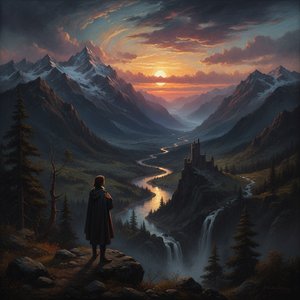
Capturing the Soul: The Emotional Majesty and Sublime Power of Romantic Landscape Painting
Explore the profound emotional depth of Romantic landscape painting. Discover how masters like Turner and Friedrich captured the sublime power of nature through intuition and imagination in this expert art history retrospective.

Capturing the Soul: The Emotional Magic and Sublime Grandeur of Romantic Landscape Painting
Explore the profound emotional depth of Romantic landscape painting. Discover how masters like Friedrich and Turner captured the sublime through light, shadow, and nature's power in this expert art history retrospective for discerning collectors.
테마, 스타일 및 특징별로 분류된 작품들을 만나보세요.


