


 실제 크기로 보기
 보내기
보내기 공유하기
공유하기
 상세 보기
상세 보기 가이드 보기

 이미지 다운로드
 유사 작품 더 보기
 X-레이
X-레이 슬라이드 쇼 보기
 통계 정보
통계 정보Self-portrait

Explore József Nemes Lamperth’s expressive self-portrait! This vibrant oil painting showcases early 20th-century Expressionism & Fauvism, featuring bold colors & gestural brushwork. Discover Hungarian art!
Discover József Nemes Lamperth’s captivating Hungarian art! Explore his Post-Impressionist & Secessionism works, including landscapes & portraits. See ‘On the Slopes of Gellért Hill’.
 상세 보기
상세 보기
핸드메이드 유화 복제화
작가가 직접 캔버스에 손으로 그린 유화 작품으로, 원하는 크기와 액자로 맞춤 제작해 드립니다. ( 프린트 판매로 전환 디지털 이미지 판매 채널로 전환)




































표준 규격
맞춤 제작
CM
INCH
작품의 원본 비율을 그대로 유지하는 프리셋 사이즈 중에서 선택해 보세요.
Loading sizes...

가로 너비
높이
액자나 벽면 크기에 맞춰 필요한 가로와 세로 길이를 입력해 주세요. 본 작품은 수작업으로 제작되므로, 요청하신 비율에 따라 작가가 그림의 가장자리를 조금 더 넓게 그리거나 일부를 조정하여 작업할 수 있습니다. 작업 시작 전, 최종 확인을 위해 디지털 목업 이미지를 보내드립니다. 이 페이지에 표시된 이미지는 실제 결과물과 다를 수 있으며, 오직 목업 이미지만이 정확한 결과물을 보여줍니다.
변경 가능한 예시: 얼굴을 고객님의 사진으로 교체, 반려동물 추가(예: 고양이를 강아지로 변경), 배경에 숨겨진 메시지 삽입, 배경 풍경 또는 요소 변경 등
주문 완료 후 TopImpressionists.com 팀에서 상세 안내를 위해 고객님께 이메일을 보내드리며, 미리보기 시안을 함께 제공해 드립니다.
주문 완료 후 TopImpressionists.com 팀에서 상세 안내를 위해 고객님께 이메일을 보내드리며, 미리보기 시안을 함께 제공해 드립니다.


 유리 옵션은 110cm 미만 크기에서만 선택 가능합니다.

Self-portrait
재현 매체
복제본 규격
-


총 결제 금액
₩ 367123
관련 작품들


작가 소개
József Nemes Lamperth: A Hungarian Visionary Bridging Expressionism and Secessionism
Born in Budapest, Hungary, in 1891, József Nemes Lamperth’s life was tragically cut short at the young age of thirty-three. Despite his brief career, he left an indelible mark on early 20th-century Hungarian art, becoming a pivotal figure bridging the expressive fervor of Expressionism with the decorative elegance of Secessionist aesthetics. His work, often characterized by bold colors, dynamic brushwork, and a deeply personal vision of the Hungarian landscape and its people, continues to resonate today.
Lamperth’s artistic journey began during a period of intense social and political change in Hungary. The late 19th and early 20th centuries witnessed the rise of nationalist sentiment, coupled with burgeoning avant-garde movements seeking to break from traditional academic styles. Influenced by artists like Vincent van Gogh, Paul Gauguin, and the German Expressionists, Lamperth embraced a subjective approach to artmaking, prioritizing emotional intensity over strict representation. His early works demonstrate a clear fascination with color and form, often employing vibrant hues and distorted perspectives to convey mood and feeling.
Early Works and the Embrace of Expressionism
His self-portrait, a striking example of his burgeoning style, reveals an immediate engagement with the expressive possibilities of oil paint. The bold brushstrokes, intense colors, and somewhat unsettling gaze immediately communicate a sense of inner turmoil – a characteristic that would become increasingly prominent in his later works. Similarly, “On the Slopes of Gellért Hill” exemplifies this early period, capturing the dramatic light and shadow of the Hungarian landscape with an almost feverish energy. The painting isn’t simply a depiction of a hillside; it's an emotional response to the scene, imbued with a sense of movement and vitality.
Lamperth’s artistic development was further shaped by his exposure to the Secessionist movement, which flourished in Vienna during this time. The Secessionists sought to create art that was both beautiful and socially relevant, often incorporating decorative elements into their works. While Lamperth never fully embraced the rigid formalism of the Secession, he clearly absorbed its emphasis on design and visual impact, evident in his later landscapes and portraits.
A Unique Style: Landscape and Portraiture
Lamperth’s oeuvre is notably divided between landscape paintings and portraiture. His landscapes, particularly those depicting the Hungarian countryside, are characterized by a raw emotionality and an almost obsessive attention to detail. He wasn't interested in creating idyllic scenes; instead, he sought to capture the essence of the land – its ruggedness, its beauty, and its inherent drama. “Detail Of Kolozsvár” showcases this approach, utilizing a dry brush technique to create a textured surface that evokes the atmosphere of rural Hungary.
His portraits, equally compelling, reveal a keen understanding of human psychology. He captured not just physical likenesses but also the inner lives and emotions of his subjects. The faces he painted are often marked by a sense of melancholy or introspection, reflecting the turbulent times in which he lived.
Legacy and Historical Significance
Despite his tragically short life, József Nemes Lamperth’s influence on Hungarian art is significant. His work helped to pave the way for later generations of Hungarian Expressionists and Secessionist artists. The Memorial Exhibition held at the Hungarian National Gallery in 2014, titled “The Painter and the Museum,” served as a crucial step in recognizing his contribution to the country’s artistic heritage. His paintings are now housed primarily at the Rippl-Rónai Museum in Budapest, offering visitors a glimpse into the mind of a truly original artist – a Hungarian visionary who dared to express himself with passion and intensity.
Lamperth's work continues to be studied and appreciated for its innovative use of color, its emotional depth, and its unique perspective on the Hungarian landscape. He remains a vital figure in understanding the development of modern art in Hungary and beyond.

Jozsef Nemes Lamperth
1891 - 1924 , Hungary
작가 정보 요약
- Full Name: József Nemes Lamperth
- Nationality: Hungarian
- Date Of Birth: 1891
- Date Of Death: 1924
- Place Of Birth: Budapest, Hungary
- Notable Artworks:
- On the Slopes of Gellért Hill
- Self-portrait
- Detail Of Kolozsvár
- Artistic Movement Or Style: Post-Impressionism, Secessionism
- Artists Who Influenced This Artist: ['Gustav Klimt']
- Artists Or Movements Influenced By This Artist: ['Expressionism']
관련 기사

József Rippl-Rónai: A Hungarian Master of Intimacy & Modernism
Explore the captivating world of József Rippl-Rónai, a pioneering Hungarian painter. Discover his intimate portraits, unique style blending Impressionism & Symbolism, and lasting legacy in modern art history.
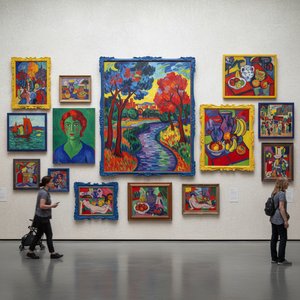
fauve 미술을 정의한 10대 걸작: 강렬한 색채와 혁신적인 표현의 세계
fauve 미술의 심장을 뛰게 하는 10대 걸작! 모리스 드니, 마티스 등 거장의 강렬한 색채와 혁신적인 표현을 만나보세요. 예술 작품 감상부터 인테리어 디자인 영감까지, TopImpressionists.com에서 명품 아트 프린트를 찾아보세요.

Károly Ferenczy: Pioneering Hungarian Modernism & the Soul of a Nation
Explore the life & art of Károly Ferenczy, a pivotal figure in Hungarian Modernism. Discover his landscapes, portraits, and role in founding the Nagybánya colony. Expert insights for collectors & enthusiasts.

Fauvism Unveiled: The Wild Revolution of Color and Emotion in Modern Art History
Explore the vibrant revolution of Fauvism. Discover how masters like Henri Matisse liberated color from reality to express pure emotion. A deep dive into art history for students and collectors seeking to understand the 'Wild Beasts' of modern art.

Fauvism's Boldest Visions: 10 Masterpieces That Revolutionized Modern Art | TopImpressionists
Explore 10 Fauvist masterpieces by Matisse, Derain & Vlaminck that ignited Modern Art! Discover bold colors, expressionist landscapes & the history of this revolutionary movement. Find museum-quality prints at TopImpressionists.com.