


 실제 크기로 보기
 보내기
보내기 공유하기
공유하기
 상세 보기
상세 보기 가이드 보기

 이미지 다운로드
 유사 작품 더 보기
 X-레이
X-레이 슬라이드 쇼 보기
 통계 정보
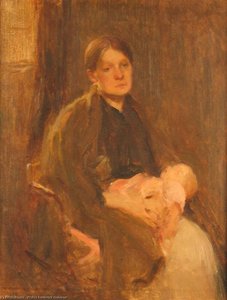
통계 정보Maternité
 Contemporary Realism
 65.0 x 54.0 cm
Admire Julia Beatrice How’s ‘Maternité,’ a poignant oil painting of mother & child. Realistic style, layered textures, & soft lighting capture tender intimacy. Discover this unique artwork.
Julia Beatrice How (1865-1932) was a British painter celebrated in France for her delicate portraits of mothers & children, nudes, and still lifes. Compared to Morisot & Cassatt, she exhibited widely but remained underappreciated in Britain. Discover
 상세 보기
상세 보기
핸드메이드 유화 복제화
작가가 직접 캔버스에 손으로 그린 유화 작품으로, 원하는 크기와 액자로 맞춤 제작해 드립니다. ( 프린트 판매로 전환 디지털 이미지 판매 채널로 전환)




































표준 규격
맞춤 제작
CM
INCH
작품의 원본 비율을 그대로 유지하는 프리셋 사이즈 중에서 선택해 보세요.
Loading sizes...

가로 너비
높이
특정 프레임이나 공간에 맞춰 원하는 크기를 직접 입력하실 수 있습니다. 선택하신 크기가 원본 이미지의 비율과 일치하지 않을 경우, 작품을 자르거나 추가적인 수작업 요소를 더해 그림을 확장하여 제작합니다. 제작 시작 전, 최종 확인을 위해 디지털 목업을 보내드립니다.
화면상의 미리 보기는 실제 크롭(자르기)이나 확장된 상태를 완벽히 반영하지 않을 수 있습니다. 최종 구도는 오직 목업을 통해서만 정확하게 확인하실 수 있습니다.
맞춤 크기 제작도 가능하지만, 원본의 비율을 그대로 유지하기 위해서는 미리 정의된 목록에서 크기를 선택하시는 것을 권장합니다.
변경 가능한 예시: 얼굴을 고객님의 사진으로 교체, 반려동물 추가(예: 고양이를 강아지로 변경), 배경에 숨겨진 메시지 삽입, 배경 풍경 또는 요소 변경 등
주문 완료 후 TopImpressionists.com 팀에서 상세 안내를 위해 고객님께 이메일을 보내드리며, 미리보기 시안을 함께 제공해 드립니다.
주문 완료 후 TopImpressionists.com 팀에서 상세 안내를 위해 고객님께 이메일을 보내드리며, 미리보기 시안을 함께 제공해 드립니다.


 유리 옵션은 110cm 미만 크기에서만 선택 가능합니다.

Maternité
재현 매체
복제본 규격
-


총 결제 금액
$ 294
관련 작품들




작가 소개
A Quiet Voice Amidst Impressionistic Brilliance
Julia Beatrice How remains a somewhat overlooked figure in the annals of British art history, yet her paintings—particularly those produced during her formative years in France—hold a distinctive charm and capture a nuanced portrayal of motherhood and domestic life. Born in Devon to a family of silversmiths, How’s early life was marked by tragedy as both her parents succumbed to illness before she reached adulthood, shaping her resilience and fostering an independent spirit that would define her artistic journey. This early loss perhaps instilled in her the profound sensitivity with which she approached her subjects, finding beauty in the fleeting, tender moments of human connection.
Her formal education began at the Herkomer School at Bushey, Hertfordshire, where she honed her drawing skills alongside fellow artists preparing for careers in illustration and painting. However, it was a move to Paris around 1893 that truly propelled How’s artistic development. Drawn to the burgeoning Impressionist movement, she enrolled at the Académie Delecluse, immersing herself in the techniques championed by luminaries like Claude Monet and Pierre-Auguste Renoir—artists whose exploration of light and color profoundly impacted her own aesthetic sensibilities.
The Parisian Influence and Artistic Evolution
How quickly established herself as a respected artist within Parisian circles, gaining recognition from influential figures such as Auguste Rodin, Camille Claudel, and Lucien Simon. These encounters fostered an appreciation for sculptural form and expressive gesture, subtly informing the composition and emotional depth of her paintings. Her work began to reflect a sophisticated understanding of how light interacts with the human figure, moving beyond mere representation toward a more atmospheric and emotive experience.
Her debut exhibition at the Société nationale des beaux-arts in 1902 showcased a remarkable output—approximately 147 works—demonstrating her unwavering dedication to her craft and securing her place amongst the prominent painters of the era. Through this massive display, she proved herself not merely a student of the French masters, but a contributor to the vibrant dialogue of late 19th and early 20th-century art.
Themes of Tenderness and Technique
Her favored subjects included intimate portraits of mothers and children, rendered with meticulous detail and imbued with tenderness. In works such as Maternité and L'ombrelle bleu, one can observe her ability to transform the domestic sphere into a stage for profound emotional resonance. She skillfully employed various media to achieve her vision:
- Pastel Crayons: Used to capture soft textures and the delicate glow of skin.
- Oils: Employed to create layered depth, rich textures, and a sense of permanence in her portraits.
- Watercolors: Utilized for their transparency and ability to evoke light, airy atmospheres.
By blending these mediums, How achieved a remarkable level of tonal subtlety, allowing the play of shadow and light to breathe life into her figures. Her legacy is one of quiet strength; while she may not have sought the radical stylistic upheavals of the avant-garde, her ability to capture the ephemeral beauty of the maternal bond remains a testament to her enduring talent and her unique place in the lineage of British and French Impressionism.

Julia Beatrice How
1867 - 1932 , United Kingdom
작가 정보 요약
- Artistic Movement Or Style: Impressionism
- Artists Or Movements Influenced By This Artist:
- Berthe Morisot
- Mary Cassatt
- Artists Who Influenced This Artist:
- Rodin
- Polin
- Besnard
- Lucien Simon
- Date Of Birth: Devon, United Kingdom (1865)
- Date Of Death: 1932
- Full Name: Julia Beatrice How
- Nationality: British
- Notable Artworks:
- L'ombrelle bleu
- Maternité
- Place Of Birth: Bideford, Devon
관련 기사

The Timeless Charm of Oil on Board: Reimagining Texture and Light through the Impressionist Lens
Discover the profound intimacy of oil on panel. Explore how Impressionist masters used rigid supports to capture light, texture, and impasto depth through exquisite, handmade oil reproductions for discerning collectors.

The Soul of Impressionism: Why Oil on Canvas Captures Eternal Light and Timeless Emotion
Discover the enchanting alchemy of Impressionism. Explore how the mastery of oil on canvas, through glazing and impasto, captures eternal light and emotion. Perfect for lovers of Monet and Van Gogh seeking the profound depth of hand-painted fine art.

The Art of Impressionism: An Expert Guide to Our Hand-Painted Masterpieces and Custom Oil Commissions
Discover the luminous magic of Impressionism with TopImpressionists.com. We specialize in exquisite, hand-painted oil reproductions and bespoke portraits, bringing the textures and light of masters like Monet and Renoir directly to your home with unmatched artistry and trust.