


 실제 크기로 보기
 보내기
보내기 공유하기
공유하기
 상세 보기
상세 보기 가이드 보기

 이미지 다운로드
 유사 작품 더 보기
 X-레이
X-레이 슬라이드 쇼 보기
 통계 정보
통계 정보Fruit
 Oil On Canvas
- WallArt
- Impressionism
 1888
1888- 19th Century
 54.0 x 44.0 cm
 메트로폴리탄 미술관
 상세 보기
상세 보기
지클레 / 아트 프린트
빠른 제작과 다양한 마감 옵션을 선택할 수 있는 박물관 수준의 지클레이 및 캔버스 프린트. ( 수작업 채색 복제본 주문하기 디지털 이미지 판매 채널로 전환)




P118B ₩10

P118H ₩10

P118W ₩10

P438Z ₩10

P508JH ₩12

P508YH ₩12

P805H ₩10

P805Z ₩10

P919BZ ₩10

P919G ₩10

P919XJ ₩10

P959ZH ₩10

P968JZ ₩12

W106C ₩8

W218G ₩10

W218JH ₩8

W218Y ₩10

W307PJ ₩10

W316G ₩10

W316PJ ₩8

W316Y ₩10

W398PJ ₩8

W4111J ₩10

W500HY ₩15

W500JH ₩15

W692G ₩12

W849H ₩8

W940BG ₩15

W953PJ ₩8




표준 규격
맞춤 제작
CM
INCH
작품의 원본 비율을 그대로 유지하는 프리셋 사이즈 중에서 선택해 보세요.
Loading sizes...

가로 너비
높이
특정 프레임이나 공간에 맞춰 직접 치수를 입력하실 수 있습니다. 선택하신 사이즈가 원본 이미지의 비율과 일치하지 않을 경우, 작품을 크롭(자르기)하거나 이미지를 대칭 또는 단색 채우기로 확장하여 제작합니다. 제작 시작 전, 최종 확인을 위해 디지털 목업이 전송됩니다.
화면상의 미리보기는 실제 크롭이나 확장 상태를 반영하지 않으므로, 최종 구도는 오직 목업을 통해서만 정확하게 확인하실 수 있습니다.
맞춤 사이즈 제작도 가능하지만, 원본 비율을 유지하기 위해서는 사전 정의된 목록에서 치수를 선택하시는 것을 권장합니다.


 유리 옵션은 110cm 미만 크기에서만 선택 가능합니다.

Fruit
지클레 / 아트 프린트
복제본 규격
-


총 결제 금액
₩ 93139
Julian Alden Weir’s “Fruit”: A Still Life of Transient Beauty
Julian Alden Weir's 1888 painting, "Fruit," offers a captivating glimpse into the burgeoning world of American Impressionism. More than just a depiction of apples, oranges, and grapes arranged on a table, it’s a meditation on beauty, decay, and the fleeting nature of existence – a core tenet of the *vanitas* tradition prevalent in European art at the time. Weir, born in West Point, New York, inherited an artistic lineage deeply rooted in formal training, beginning with his father's instruction at the United States Military Academy, yet it was his immersion in Parisian ateliers and encounters with artists like Jean-Léon Gérôme that truly ignited his distinctive style. This painting represents a pivotal moment in Weir’s artistic journey – a deliberate shift away from the rigid academicism of his early years towards a more subjective and emotionally resonant approach to capturing the world around him.
The composition itself is deceptively simple, yet meticulously crafted. The arrangement of the fruit—the vibrant red of the apples, the sunny yellow of the oranges, and the deep purple of the grapes – draws the eye immediately. Notice how Weir doesn’t strive for photographic realism; instead, he employs loose brushstrokes and a muted palette, prioritizing atmosphere and light over precise detail. The table, rendered with subtle tonal variations, provides a grounding element, anchoring the vibrant fruits within a sense of quiet contemplation. This deliberate choice reflects the influence of artists like Edouard Manet, whom Weir admired and whose work encouraged him to explore more intimate still lifes that evoked the *vanitas* tradition – a reminder of mortality and the transience of earthly pleasures.
The Influence of *Vanitas* and the Symbolism of Decay
“Fruit” is deeply informed by the *vanitas* genre, a popular theme in Northern European art during the 16th and 17th centuries. *Vanitas* paintings typically featured symbolic objects – skulls, decaying fruit, extinguished candles – to remind viewers of the inevitability of death and the futility of worldly pursuits. While Weir’s work isn't overtly morbid, the inclusion of ripe fruit on the verge of decay subtly conveys this underlying theme. The slightly bruised apple, for instance, hints at the passage of time and the ephemeral nature of beauty. The grapes, plump and luscious, represent abundance and pleasure, but their proximity to the decaying elements suggests that even these joys are ultimately transient.
Beyond *vanitas*, individual fruits carry specific symbolic weight. Apples have long been associated with knowledge, temptation, and immortality in Western art. Oranges, introduced to Europe from the East, represented wealth and luxury. Grapes symbolize abundance, fertility, and joy. Weir’s careful selection of these elements creates a layered visual narrative, inviting viewers to contemplate not just the beauty of the fruit itself, but also its deeper meaning.
Technique and Artistic Style
Weir's masterful technique is evident in his skillful use of light and shadow. He employs broken color—applying small dabs of paint rather than blending them smoothly—to create a sense of luminosity and atmospheric depth. The brushstrokes are loose and expressive, capturing the texture of the fruit’s skin and the sheen of its surfaces. This approach aligns with the Impressionist movement's emphasis on capturing fleeting moments and subjective perceptions. The painting is executed in oil on canvas, a medium that allowed Weir to achieve rich colors and subtle tonal variations.
Interestingly, this period of Weir’s work – the 1880s – saw him moving away from his earlier academic style and embracing a more intimate and emotionally driven approach. His connection with artists like Edouard Manet during his time in Paris undoubtedly played a role in this transformation. The painting's quiet elegance and contemplative mood reflect Weir’s growing confidence as an artist, signaling a shift towards a distinctly American brand of Impressionism.
A Reproduction for Art Lovers
TopImpressionists is proud to offer a meticulously hand-painted reproduction of Julian Alden Weir’s “Fruit.” This isn't merely a print; it’s a faithful recreation of the original, capturing the artist’s delicate brushwork and evocative atmosphere. The 54 x 44 cm size makes this piece ideal for adding a touch of timeless beauty to any room – from a cozy study to a sophisticated dining area. The subtle color palette and nuanced details will bring a sense of serenity and contemplation to your space, reminding you of the fleeting nature of beauty and the importance of appreciating the present moment. Explore our collection today and bring home a piece of art history.
질의응답
줄리안 알든 웨어의 "Fruit"은 미술사에서 어떤 위치를 차지하고 있나요?
줄리안 알든 웨어의 "Fruit"은(는) 19th Century 시대의 Impressionism 사조에 속합니다. 이 요소들이 어우러져 미술사에서 이 작품이 갖는 위상을 완성합니다.
"Fruit"이(가) 제작되었을 당시 줄리안 알든 웨어의 나이는 어떻게 되었나요?
줄리안 알든 웨어은(는) 36세에 "Fruit"을(를) 제작했습니다. 작가는 1852년에 태어났으며, 이 작품의 제작 연도는 1888년입니다.
"Fruit"의 작가는 누구인가요?
"Fruit"의 작가는 줄리안 알든 웨어입니다.
원작 "Fruit"의 크기는 어떻게 되나요?
줄리안 알든 웨어의 "Fruit"의 기록된 크기는 54 x 44 cm입니다. 복제화는 동일한 비율을 유지하면서 다른 크기로 주문하실 수 있습니다.
줄리안 알든 웨어의 "Fruit"의 색감은 채도가 높은 편인가요, 아니면 차분한 편인가요?
줄리안 알든 웨어의 "Fruit"의 색상은 Subtle Color 정도의 채도를 띱니다. 채도는 색상이 얼마나 선명하거나 차분한지를 나타냅니다.
줄리안 알든 웨어의 "Fruit"은 강렬한 대비를 사용하나요, 아니면 부드러운 조화를 이루고 있나요?
"Fruit"에서는 Bold 대비와 Strong Color Unity 조화가 어우러져 있습니다.
줄리안 알든 웨어의 "Fruit"은(는) 몇 년도에 제작되었나요?
줄리안 알든 웨어의 "Fruit"의 제작 연도는 1888년입니다.


작가 소개
초기 생애와 예술적 기반
줄리안 알든 웨어는 1852년 8월 30일 뉴욕 주 웨스트 포인트에서 태어났습니다. 그의 삶은 깊이 영향을 미친 예술적 가문의 유산을 물려받았습니다. 아버지 로버트 월터 웨어는 존경받는 화가이자 미국 육군사관학교의 드로잉 교수였으며, 어린 줄리안에게 어릴 때부터 깊은 예술적 감상을 심어주었습니다. 그의 집은 창작 생활의 도구와 영감으로 가득 찬 활기찬 작업실이었습니다. 이러한 양육 환경은 형 존 퍼거슨 웨어에게도 이어져 그 역시 저명한 풍경 화가가 되었습니다. 줄리안은 1870년경 뉴욕시 국립 디자인 아카데미에서 정규 교육을 시작하여 전통적인 기법에 대한 탄탄한 기초를 다졌습니다. 그러나 1873년 파리로의 여정이 그의 예술적 발전에 진정으로 불을 붙였습니다. 장 레옹 제롬에게 에콜 데 보자르에서 공부하면서 엄격한 학문적 훈련과 세밀한 표현 기법을 접했고, 쥘 바스티앙-레파주와 같은 화가들과의 우정을 통해 회화의 가능성을 넓혔습니다. 초기 웨어는 형태와 구조 부족으로 “끔찍하다”고 일축하며 새로운 인상주의 운동에 강한 반감을 품었습니다. 이러한 초기의 저항은 그가 즉각적인 수용이 아닌 점진적인 이해를 통해 인상주의를 받아들이게 된 중요한 계기가 되었습니다.코네티컷에서의 삶과 예술적 변모
웨어의 인생에서 전환점을 맞이한 것은 1883년 안나 드와이트 베이커와의 결혼과 그 후 코네티컷 주 브랜치빌로 이사한 것입니다. 그는 뉴욕시의 번잡한 미술계에서 벗어나 휴식을 취하기 위해 농장을 구입했습니다. 이 시골 환경은 단순한 은신처 이상의 의미를 지니게 되었습니다. 그것은 영감의 원천이었습니다. 평화로운 풍경, 농촌 생활의 리듬, 자연과의 친밀한 교류는 그의 예술적 초점을 미묘하게 변화시키기 시작했습니다. 처음에는 전통적인 스타일로 초상화와 정물화를 계속 제작했지만, 웨어는 빛과 분위기의 일시적인 효과를 포착하는 데 점점 더 매료되었습니다. 1891년경 이러한 성향은 인상주의에 대한 완전한 수용으로 꽃피웠습니다. 존 트왁트먼과 시오도르 로빈슨과 같은 동료 화가들의 영향을 받아 그는 파편화된 붓놀이, 생생한 색조, 주관적인 인식 강조와 실험하기 시작했습니다. 이것은 그의 이전 교육을 완전히 포기하는 것이 아니라 학문적 기술과 새로운 운동의 혁신적인 정신을 종합하는 것이었습니다. 그의 스타일은 종종 순수한 인상주의적 표현과 보다 절제된 토날리즘 사이에서 진동하며, 동시대 화가들과 구별되는 독특한 시각 언어를 창조했습니다. 그는 특히 아쿠아틴트 기법의 숙련된 사용을 통해 뛰어난 판화 재능도 입증했습니다.미국 미술의 선두 주자
19세기 후반, 줄리안 알든 웨어는 미국 미술계에서 저명한 인물로 자리매김했습니다. 그는 국립 디자인 아카데미와 같은 전통적인 기관의 제약 없이 자신의 작품을 전시하고자 독립적인 정신을 가진 열 명의 화가들로 구성된 “The Ten”을 결성하는 데 중요한 역할을 했습니다. 칠드 하삼, 윌라드 로이 메트칼프, 에드먼드 타벨과 같은 화가들을 포함한 이 단체는 예술적 자율성을 향한 중요한 발걸음을 내딛었고 미국 회화의 방향을 형성하는 데 기여했습니다. 1912년 웨어는 미국 화가와 조각가 협회의 첫 번째 의장으로 선출되어 미술 커뮤니티 내에서의 리더십 역할을 더욱 확고히 했습니다. 그는 나중에 국립 디자인 아카데미의 회장을 역임하면서 미술계의 진보적인 세력과 보수적인 세력 모두로부터 존경을 받았음을 보여주었습니다. 이 시기의 그의 주요 작품인 *해안에서* (1892), 생생한 해안 풍경; *뉴잉글랜드 농가* (1904), 매력적인 농촌 생활 묘사; 그리고 *고지대 목초지* (1905)는 인상주의 기법의 숙달과 미국 풍경의 본질을 포착하는 그의 능력을 보여주는 대표작입니다.유산과 지속적인 영향
줄리안 알든 웨어의 공헌은 그의 개인 작품 그 이상으로 확장됩니다. 그는 전통적인 학문적 회화와 인상주의의 혁신적인 정신을 연결하는 데 중요한 역할을 했으며, 미래 세대의 미국 화가들을 위한 길을 열었습니다. “The Ten”을 통해 예술적 독립성을 육성하려는 그의 헌신은 기존 규범에 도전하고 더욱 활기차고 다양한 미술 환경을 조성했습니다. 오늘날 코네티컷 주 브랜치빌에 있는 웨어 농장 국립 역사 유적지는 그의 삶과 작품을 증명합니다. 그가 활동했던 시대로 보존된 농장은 방문객에게 그를 영감을 준 세계, 즉 구불구불한 언덕, 풍화된 헛간, 그리고 조용한 뉴잉글랜드 시골의 아름다움을 엿볼 수 있는 기회를 제공합니다. 그의 가족의 예술적 유산—허드슨 강파 화가였던 아버지 로버트 월터 웨어에서 비롯됨—은 미국 미술사 내에서의 줄리안 알든 웨어의 위치를 더욱 확고히 합니다. 그는 1919년 12월 8일 뉴욕시에서 세상을 떠났으며, 그의 작품은 계속해서 매료시키고 영감을 주며 예술이 주변 세계의 아름다움과 본질을 포착하는 힘을 상기시켜줍니다.- 주요 작품: *해안에서* (1892), *뉴잉글랜드 농가* (1904), *고지대 목초지* (1905)
- 예술 스타일: 인상주의, 토날리즘
- 협회: “The Ten”, 국립 디자인 아카데미

줄리안 알든 웨어
1852 - 1919 , 미국
작가 정보 요약
- Artistic Movement Or Style: 인상주의, 토널리즘
- Artists Or Movements Influenced By This Artist: ['미국 10인 화가']
- Artists Who Influenced This Artist:
- 장 레옹 제롬
- 쥘 바스티앙-레파주
- Date Of Birth: 1852년 8월 30일
- Date Of Death: 1919년 12월 8일
- Full Name: 줄리안 알든 웨어
- Nationality: 미국인
- Notable Artworks (List Of Titles):
- 해안에서
- 뉴잉글랜드 농가
- 고지대 목초지
- Place Of Birth (City And Country): 웨스트 포인트, 미국
관련 기사

The Timeless Charm of Oil on Board: Reimagining Texture and Light through the Impressionist Lens
Discover the profound intimacy of oil on panel. Explore how Impressionist masters used rigid supports to capture light, texture, and impasto depth through exquisite, handmade oil reproductions for discerning collectors.

The Soul of Impressionism: Why Oil on Canvas Captures Eternal Light and Timeless Emotion
Discover the enchanting alchemy of Impressionism. Explore how the mastery of oil on canvas, through glazing and impasto, captures eternal light and emotion. Perfect for lovers of Monet and Van Gogh seeking the profound depth of hand-painted fine art.

Enchanting Strokes: Unveiling the Luminous Magic and Timeless Soul of Impressionist Masterpieces
Immerse yourself in the luminous beauty of Impressionism. TopImpressionists.com offers exquisite, hand-painted oil reproductions of masters like Monet and Van Gogh. From museum-quality landscapes to bespoke portraits from photos, we bring timeless artistry and soul to your collection.
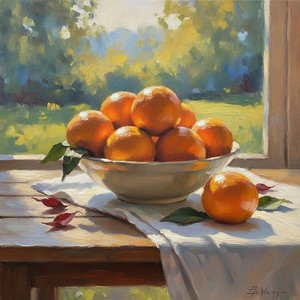
Sun-Drenched Citrus: The Vibrant Beauty of Oranges in Impressionist Masterpieces
Embark on a sensory journey through Impressionist masterpieces. Discover how Renoir and Cézanne captured the vibrant light and luscious textures of sun-drenched oranges in exquisite still life paintings designed to inspire and transform your home.

Moonlight Magic: Capturing the Luminous Glow of Impressionist Nightscapes
Discover the ethereal beauty of Impressionist nightscapes. Explore how masters like Monet and Van Gogh captured moonlight through luminous oil textures. Expert insights for collectors seeking museum-quality, handmade reproductions to transform their homes with timeless nocturnal magic.