

Shown: · With its frame:
 실제 크기로 보기
 보내기
보내기 공유하기
공유하기
 상세 보기
상세 보기 가이드 보기

 이미지 다운로드
 유사 작품 더 보기
 X-레이
X-레이 슬라이드 쇼 보기
 Q&A
Q&A 통계 정보
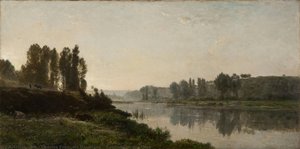
통계 정보Bords de L'Oise

₩ 364650
핸드메이드 유화 복제화
작가가 직접 캔버스에 손으로 그린 유화 작품으로, 원하는 크기와 액자로 맞춤 제작해 드립니다. ( 프린트 판매로 전환 디지털 이미지 판매 채널로 전환)
Size
·표준 규격
맞춤 제작
CM
INCH
작품의 원본 비율을 그대로 유지하는 프리셋 사이즈 중에서 선택해 보세요.
Loading sizes...

가로 너비
높이
액자나 벽면 크기에 맞춰 필요한 가로와 세로 길이를 입력해 주세요. 본 작품은 수작업으로 제작되므로, 요청하신 비율에 따라 작가가 그림의 가장자리를 조금 더 넓게 그리거나 일부를 조정하여 작업할 수 있습니다. 작업 시작 전, 최종 확인을 위해 디지털 목업 이미지를 보내드립니다. 이 페이지에 표시된 이미지는 실제 결과물과 다를 수 있으며, 오직 목업 이미지만이 정확한 결과물을 보여줍니다.
 상세 보기
상세 보기Finish
·
White ₩1

Blurside ₩1

Extended ₩1

P118B ₩10

P118H ₩10

P118W ₩10

P438Z ₩10

P508JH ₩12

P508YH ₩12

P805H ₩10

P805Z ₩10

P919BZ ₩10

P919G ₩10

P919XJ ₩10

P959ZH ₩10

P968JZ ₩12

W106C ₩8

W218G ₩10

W218JH ₩8

W218Y ₩10

W307PJ ₩10

W316G ₩10

W316PJ ₩8

W316Y ₩10

W398PJ ₩8

W4111J ₩10

W500HY ₩15

W500JH ₩15

W692G ₩12

W849H ₩8

W940BG ₩15

W953PJ ₩8

H24-GOLD ₩30

H24-SILVER ₩30

H36-GOLD ₩45

H36-SILVER ₩45
Shipped in a protective tube, ready for your own framer.
Above 105 cm the frame is shipped as a kit for a professional framer — read the details.
Extras
optionalWhat do the extras include?
Examples of what can be changed: Replace face with customer photo; Add pet (e.g., replace cat with dog); Include hidden message in background; Change background landscape or elements.
After order, TopImpressionists.com team will email client for instructions and provide a mockup preview
After order, TopImpressionists.com team will email client for instructions and provide a mockup preview
전 세계 배송()은 표준 5주 대신 3~4주 내에 완료됩니다. (29 10월). 품질에는 어떠한 타협도 하지 않습니다.
보호용 바니시
캡션
동판 각인 상세 정보
This elegant plaque features the artist's name and the title of the artwork, finely engraved for a timeless presentation.
It is made from bronze with a refined, elegant finish. The text is precisely laser-engraved for a sharp and permanent result. Measuring 9x2 cm, the plaque is compact yet easy to read. It's built to be durable and scratch-resistant, offering a professional, museum-quality look. Mounting is simple thanks to the included adhesive backing.
투명 아크릴 명판 상세 정보
The plaque includes essential engraved details such as the artist's name, the title of the artwork, the date it was created, the type of media used-like oil on canvas or watercolor-a brief description of the piece, and a QR code that links to the complete artwork information.
It is crafted from clear acrylic, offering a sleek, modern appearance. The text is UV-engraved in black to ensure strong visual contrast. With a size of 10x15 cm, it ensures optimal readability. It comes equipped with two metal hooks for secure wall mounting. The plaque is designed to be weather-resistant, making it suitable for various environments, and it includes interactive features that work seamlessly with smartphone scanning.
블랙 아크릴 명판 상세 정보
This elegant plaque includes engraved information such as the artist's name, the title of the artwork, the date it was created, the type of media used (like oil on canvas or watercolor), a short description of the artwork, and a QR code for quick access to more information.
The plaque itself is made from refined black acrylic with a premium finish. The text is laser-engraved in white for high contrast and readability. Its size is 10x15 cm, designed to be easy to read. It comes with two metal hooks for professional mounting. The design is sleek and fits any interior style. It is also weather-resistant and durable, with built-in digital integration for mobile compatibility.
유리 옵션은 110cm 미만 크기에서만 선택 가능합니다.
 유리 옵션은 110cm 미만 크기에서만 선택 가능합니다.
- 전 세계 무료 특급 배송
- 고품질 린넨 캔버스
- 배송 전 과정 보험 적용
- 관세 환급 보장 서비스
- 원본 색상 일치 보장
- 제조 결함 발견 시 100일 이내 반품 가능
- 100% 환불 보장
- 다량 구매 할인 혜택


컬렉션 상세 정보
Discover 'Bords de L’Oise' by Karl Pierre Daubigny – a serene 19th-century landscape painting in the Romantic style. Explore atmospheric beauty & evocative scenes of the Oise River.
작가 소개
Discover Karl Pierre Daubigny, a 19th-century French landscape painter known for his Impressionistic scenes of the Seine & Oise. Explore his serene riverbanks and rural life depictions.
About the painting
Quick facts and art quiz
About Karl Pierre Daubigny

Karl Pierre Daubigny
1846 - 1886, France
작가 소개
The Legacy of Light: The Life and Art of Karl Pierre Daubigny
In the golden age of French landscape painting, few artists captured the ephemeral dance of light and shadow as intimately as Karl Pierre Daubigny. Born in Paris in 1846, Daubigny was destined for a life steeped in the pigments and textures of the natural world. As the son of the renowned Charles François Daubigny, a pillar of the Barbizon school, his very existence was intertwined with the evolution of French realism and the burgeoning Impressionist movement. This profound artistic lineage provided him with more than just technical instruction; it gifted him an ancestral eye for the subtle shifts in atmosphere that define the soul of a landscape.
Daubigny’s journey into the heart of the art world began remarkably early. At the tender age of seventeen, he made his triumphant debut at the prestigious Salon of 1863. Works such as Un Sentier (A Track) and Île de Vaux in Auvers immediately signaled to critics and peers alike a profound sensitivity to the vitality of spring. While his early brushwork bore the unmistakable influence of his father’s grounded, realist approach, a unique spirit began to emerge from his canvases—one that sought not just to document the earth, but to evoke its breathing, changing essence.
A Mastery of Atmosphere and Technique
As his career matured, Daubigny moved beyond mere representation, venturing into a more personal and somber stylistic realm. He became a master of the atmospheric nuance, particularly in his depictions of the Seine and Oise valleys. His technique was characterized by an exquisite command over the interplay of color and light, often employing broken brushstrokes to simulate the shimmering reflections found on moving water. To gaze upon a Daubigny landscape is to witness the meticulous study of sunlight as it strikes a ripple or filters through a canopy of leaves.
<- Tonal Depth: He favored a sophisticated palette of earthy ochres, siennas, and umbers, which provided a warm, grounded foundation for his more luminous highlights.
- Textural Realism: His ability to render the tactile qualities of nature—the roughness of bark, the softness of moss, and the fluidity of river currents—created a palpable sense of presence.
- Luminous Innovation: By layering colors with precision, he achieved a vibrating quality in his work that anticipated the full flowering of Impressionism.
His fascination with the natural world led him far beyond the studio, as he sought inspiration in the rugged coastlines of Brittany and Normandy, as well as the dense, mysterious depths of the Fontainebleau forest. Each location offered a new vocabulary of light for him to translate onto canvas.
Historical Significance and Enduring Impression
The trajectory of Daubigny’s career was marked by significant recognition within the French art establishment. His consistent presence at the Salon, including notable exhibitions in 1866 and 1874, earned him prestigious medals that solidified his reputation as a formidable talent. Yet, his true significance lies in his role as a bridge between the structured realism of the Barbizon school and the sensory revolution of Impressionism. He possessed the rare ability to maintain a sense of structural integrity while embracing the fleeting, subjective experience of sight.
Though his life was tragically short, ending in 1886 in Auvers-sur-Oise, the impact of his work remains profound. Daubigny did not merely paint landscapes; he captured the very breath of the French countryside. His ability to find the extraordinary within the ordinary—a quiet pond at dusk or a sun-drenched path through the woods—continues to resonate with anyone who finds beauty in the transient moments of our world. Today, his works stand as serene monuments to a period of unparalleled artistic transformation, inviting viewers to rediscover the tranquil majesty of the natural landscape.
작가 정보 요약
- Full Name: Karl Pierre Daubigny
- Nationality: French
- Date Of Birth: 1846
- Date Of Death: 1886
- Place Of Birth: Paris, France
- Notable Artworks:
- Banks of the Oise River
- A Lake in the Woods at Dusk
- Bords de L’Oise
- Artistic Movement Or Style: Impressionism
- Artists Who Influenced This Artist:
- Jean-Francois Millet
- Gustave Coubert
- Artists Or Movements Influenced By This Artist: ['Claude Monet']
관련 작품들




Bords de L'Oise
·