


 실제 크기로 보기
 보내기
보내기 공유하기
공유하기
 상세 보기
상세 보기 가이드 보기

 이미지 다운로드
 유사 작품 더 보기
 X-레이
X-레이 슬라이드 쇼 보기
 통계 정보
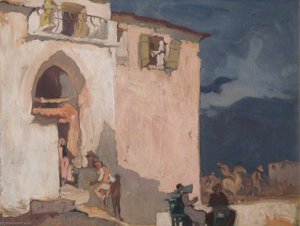
통계 정보The Eastern square (Tunis)
 Pastel
- Symbolism
 1904
1904- 19th Century
 51.0 x 68.0 cm
 Lithuanian Art Fund
A vibrant Symbolist pastel capturing the bustling energy of a Tunisian marketplace through vivid colors and ethereal figures by Kazimierz Stabrowski, inviting you to bring this piece of historical charm into your collection.
 상세 보기
상세 보기
꿈결 같은 상징주의 풍경과 낭만적인 장면으로 유명한 폴란드의 저명한 화가 카지미에슈 스타브로프스키(1869-1929)를 만나보세요. 바르샤바 미술 아카데미의 교장이자 폴란드 신지학회 설립자인 그의 매혹적인 작품들을 탐험해 보세요.
지클레 / 아트 프린트
빠른 제작과 다양한 마감 옵션을 선택할 수 있는 박물관 수준의 지클레이 및 캔버스 프린트. ( 수작업 채색 복제본 주문하기 디지털 이미지 판매 채널로 전환)




P118B $10

P118H $10

P118W $10

P438Z $10

P508JH $12

P508YH $12

P805H $10

P805Z $10

P919BZ $10

P919G $10

P919XJ $10

P959ZH $10

P968JZ $12

W106C $8

W218G $10

W218JH $8

W218Y $10

W307PJ $10

W316G $10

W316PJ $8

W316Y $10

W398PJ $8

W4111J $10

W500HY $15

W500JH $15

W692G $12

W849H $8

W940BG $15

W953PJ $8




표준 규격
맞춤 제작
CM
INCH
작품의 원본 비율을 그대로 유지하는 프리셋 사이즈 중에서 선택해 보세요.
Loading sizes...

가로 너비
높이
특정 프레임이나 공간에 맞춰 직접 치수를 입력하실 수 있습니다. 선택하신 사이즈가 원본 이미지의 비율과 일치하지 않을 경우, 작품을 크롭(자르기)하거나 이미지를 대칭 또는 단색 채우기로 확장하여 제작합니다. 제작 시작 전, 최종 확인을 위해 디지털 목업이 전송됩니다.
화면상의 미리보기는 실제 크롭이나 확장 상태를 반영하지 않으므로, 최종 구도는 오직 목업을 통해서만 정확하게 확인하실 수 있습니다.
맞춤 사이즈 제작도 가능하지만, 원본 비율을 유지하기 위해서는 사전 정의된 목록에서 치수를 선택하시는 것을 권장합니다.


 유리 옵션은 110cm 미만 크기에서만 선택 가능합니다.

The Eastern square (Tunis)
지클레 / 아트 프린트
복제본 규격
-


총 결제 금액
$ 69
A Vibrant Portal to the Maghreb
In his evocative masterpiece, The Eastern Square (Tunis), Kazimierz Stabrowski invites the viewer to step through a veil of color and light into the bustling heart of North Africa. Created in 1904, this work serves as a breathtaking window into a world far removed from the artist's European roots. The scene captures the rhythmic pulse of a Tunisian marketplace, where the air seems thick with the scent of spices and the hum of commerce. Through a masterful use of pastel-like vividness, Stabrowski populates the square with figures that appear almost ethereal—merchants and travelers moving through an architectural landscape that feels both grounded in history and suspended in a dream.
The composition is a delicate dance of light and shadow, where the boundaries between the physical and the spiritual begin to blur. As one observes the crowded streets, the figures are rendered with a certain abstraction; their faces are often indistinct, lending them a ghostly, transient quality. This technique does not merely depict a crowd; it captures the very essence of movement and the fleeting nature of human presence within the grander scale of time and architecture. For the collector or interior designer, this piece offers a profound sense of depth, acting as a focal point that brings a lively, kinetic energy to any sophisticated space.
Symbolism and the Spirit of the East
To understand this painting, one must look toward the soul of the Symbolist movement. Stabrowski, deeply influenced by theosophical and spiritual pursuits, utilized his travels through the Middle East and the Maghreb to explore themes much deeper than mere Orientalism. While the surface of the painting celebrates the colorful reality of Tunis, the underlying intent is far more metaphysical. The faded curves and translucent outlines of the figures suggest that the material world is but a temporary layer over an eternal spiritual truth.
The artist uses the vibrant, sun-drenched palette to create a contrast between the visible and the invisible. The bright, positive colors evoke the warmth of the Tunisian sun, yet the way the light interacts with the figures creates a sense of "transience." This intentional ambiguity encourages the viewer to look past the bustling marketplace and contemplate the permanent spiritual state that exists behind the veil of daily life. It is this layer of profound meaning that elevates the work from a beautiful landscape to a meditative experience, making it an intellectually stimulating addition to a curated art collection.
A Masterpiece for the Modern Interior
For those seeking to infuse their surroundings with culture and emotion, The Eastern Square (Tunis) offers unparalleled inspiration. The painting’s dynamic energy makes it an ideal centerpiece for grand living rooms or creative studio spaces where movement and light are celebrated. Its palette of warm, sun-kissed tones can harmonize beautifully with both contemporary minimalist decor and more traditional, opulent settings.
Owning a high-quality reproduction of this work allows one to possess a fragment of history and a piece of the Symbolist spirit. The interplay of the bustling human element with the timelessness of the architecture provides a sophisticated narrative for any room. Whether you are an art enthusiast drawn to the historical context of Stabrowski’s travels or a designer looking for a piece that evokes a sense of worldly adventure and spiritual calm, this painting stands as a testament to the enduring allure of the East.




작가 소개
초기 생애와 교육
카지미에슈 스타보프스키(Kazimierz Stabrowski)는 폴란드의 저명한 화가로, 1869년 벨라루스의 나바흐루도크에서 태어났습니다. 그는 바르샤바 미술 아카데미에서 수학하였으며, 이후 그곳의 교장직을 맡기에 이르렀습니다. 이 중추적인 역할은 그의 예술적 기량을 세상에 알렸을 뿐만 아니라, 차세대 예술가들에게 깊은 영향력을 미치며 그 입지를 공고히 하는 계기가 되었습니다.예술적 양식과 주요 작품
스타보프스키의 작품 세계는 꿈결 같은 상징적 특성을 지니고 있으며, 상징주의와 낭만주의의 요소가 절묘하게 어우러져 있는 것이 특징입니다. 그의 가장 찬사받는 걸작 중 하나인 눈의 처녀 (1891)는 1세기 넘게 미술 애호가들을 매료시켜 온 이 독창적인 화풍을 완벽하게 보여줍니다.폴란드 신지학회 설립
예술적 성취 외에도 스타보프스키는 폴란드 내 신지학회의 첫 분회를 설립하는 데 중요한 역할을 수행했습니다. 영성과 오컬트의 원리에 기반을 둔 이 철학적 단체의 설립은 예술가로서의 면모를 넘어, 다재다능하고 입체적인 그의 인격적 특성을 더욱 부각시킵니다.유산과 말년
스타보프스키는 1929년 폴란드 가르볼린에서 생을 마감하였으나, 그가 남긴 유산은 오늘날까지도 예술가와 미술 애호가들에게 끊임없는 영감을 주고 있습니다. 바르샤바 미술 아카데미부터 그의 수많은 상징적이고 낭만적인 작품들에 이르기까지, 폴란드 예술의 다양한 측면에서 그의 영향력을 발견할 수 있습니다.TopImpressionists.com에서 만나는 카지미에슈 스타보프스키의 엄선된 작품들
- 산의 정령 (105 x 85 cm, 리투아니아 아트 펀드, 빌뉴스, 리투아니아, 캔버스에 유채) - 스타보프스키 상징주의 양식의 전형을 보여주는 작품입니다.
- 달빛 아래의 콜로세움 (47 x 65 cm, 리투아니아 아트 펀드, 빌뉴스, 리투아니아, 파스텔) - 천상계와 같은 초현실적인 풍경을 포착해내는 그의 능력이 돋보이는 작품입니다.
- 나무 (47 x 63 cm, 리투아니아 아트 펀드, 빌뉴스, 리투아니아, 파스텔) - 사실주의와 추상적 이미지가 독특하게 결합된 작품으로, 스타보프스키 후기 작업의 특징을 잘 나타냅니다.
TopImpressionists.com에서 카지미에US 스타보프스키의 작품을 소장 중인 박물관
- 리투아니아 아트 펀드 (빌뉴스, 리투아니아) - 이 기관은 위에서 언급된 작품들을 포함하여 스타보프스키의 주목할 만한 여러 작품을 소장하고 있습니다.

카지미에슈 스타브로프스키
1869 - 1929 , 벨라루스
작가 정보 요약
- Artistic Movement Or Style: 상징주의
- Artists Who Influenced This Artist:
- 구스타프 클림트
- 장 시벨리우스
- Date Of Birth: 1869년 11월 21일
- Date Of Death: 1929년 6월 10일
- Full Name: 카지미에슈 스타브로프스키
- Nationality: 폴란드
- Notable Artworks:
- 눈의 여인
- 나무들
- 로마. 마리니 말의 분수
- Place Of Birth: 벨라루스, 크룰랴니
관련 기사
The Soft Magic of Chalk: Capturing Light, Texture, and the Ethereal Soul of Impressionist Masterpieces
Discover the ethereal beauty of pastel and chalk art. Explore how Impressionist masters like Van Gogh and Degas captured light and texture to create timeless, soulful masterpieces for the discerning collector.

The Elegance of Rococo: A Journey Through Pastel Dreams and Ornate Splendor
Embark on an elegant journey through the Rococo era. Discover the delicate beauty of pastel masterpieces, the intricate artistry of 18th-century French masters, and how this era of ornate splendor continues to inspire timeless luxury in fine art collecting.