미리보기
미리보기
 공유하기
공유하기 공유하기
공유하기
 상세 정보
상세 정보 가이드 보기

 다운로드
다운로드
 유사 작품 더 보기
 X-레이
X-레이 슬라이드 쇼 보기
 질의응답
질의응답 통계 정보
통계 정보Green and black


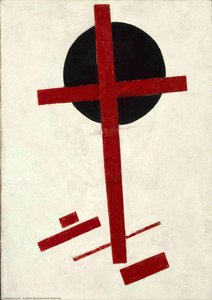
Experience Kazimir Malevich's 'Green and Black' – a dynamic Cubist masterpiece of geometric abstraction & bold monochrome hues. A captivating exploration of form & color by a pioneering artist.
 더 보기
더 보기
카지미르 말레비치 (1878-1935): 초현실주의의 선구자이자 추상 미술의 혁신가. '검은 사각형' 등 기하학적 형태와 순수한 감성을 담은 작품으로 20세기 미술에 큰 영향을 미쳤습니다.
지클레 / 아트 프린트
빠른 제작과 다양한 마감 옵션을 제공하는 박물관 수준의 지클레이 및 캔버스 프린트. ( 수작업 채색 복제본 주문하기 디지털 이미지로 전환)




P118B ₩10

P118H ₩10

P118W ₩10

P438Z ₩10

P508JH ₩12

P508YH ₩12

P805H ₩10

P805Z ₩10

P919BZ ₩10

P919G ₩10

P919XJ ₩10

P959ZH ₩10

P968JZ ₩12

W106C ₩8

W218G ₩10

W218JH ₩8

W218Y ₩10

W307PJ ₩10

W316G ₩10

W316PJ ₩8

W316Y ₩10

W398PJ ₩8

W4111J ₩10

W500HY ₩15

W500JH ₩15

W692G ₩12

W849H ₩8

W940BG ₩15

W953PJ ₩8




표준 규격
맞춤형
CM
INCH
작품의 원본 비율을 그대로 유지하는 프리셋 사이즈 중에서 선택해 보세요.
Loading sizes...

가로 너비
세로 길이
액자나 벽면 크기에 맞춰 필요한 가로와 세로 길이를 입력해 주세요. 프린트는 원본 이미지보다 크게 제작할 수 없으며 오직 자르는 것만 가능하므로, 비율이 다른 사이즈를 선택할 경우 이미지의 일부가 잘려 나갈 수 있습니다. 인쇄 작업에 들어가기 전, 최종 확인을 위해 디지털 목업을 보내드립니다. 이 페이지에 표시된 이미지는 실제 잘리는 영역을 나타내지 않으며, 오직 목업을 통해서만 정확한 확인이 가능합니다.


 유리 옵션은 110cm 미만 크기에서만 선택 가능합니다.

Green and black
지클레 / 아트 프린트
복제본 크기
-


최종 결제 금액
₩ 93712
Kazimir Malevich’s “Green and Black”: A Frozen Moment of Suprematist Revelation
Kazimir Malevich's "Green and Black," painted in 1913, isn't merely a depiction of an object; it’s a distilled essence of feeling, a visual embodiment of the nascent Suprematist movement that would irrevocably alter the course of modern art. This deceptively simple composition—a guitar resting upon a chair, surrounded by other figures and objects—is far more complex than its apparent stillness suggests. It represents a pivotal moment in Malevich’s artistic journey, a deliberate shedding of representational concerns in favor of pure abstraction and the exploration of non-objective reality.
The painting's genesis lies within the vibrant, experimental atmosphere of early 20th-century Russia. Malevich, deeply influenced by Cubism’s fragmentation of form and the expressive power of Fauvism’s bold colors, began to question the very nature of art. He sought a way to move beyond imitation, to capture not what *looked* like something, but rather the underlying spiritual essence of existence. This quest led him to develop Suprematism – a philosophy and artistic style centered on “pure feeling,” divorced from any connection to the visible world. "Green and Black" stands as one of the earliest and most potent expressions of this revolutionary approach.
Deconstructing Form: Composition, Color, and Line
The composition of “Green and Black” is deliberately unsettling, a carefully orchestrated chaos that mirrors the perceived instability of modern life. Figures are arranged in an ambiguous setting, their forms simplified to geometric shapes – rectangles, triangles, circles – reminiscent of Cubist influences but stripped bare of any illusionistic depth. The guitar-figure combination anchors the scene, yet its placement feels precarious, almost suspended in mid-air, contributing to a sense of unease and disorientation. Malevich masterfully uses overlapping planes and fragmented forms to create a dynamic visual field, inviting the viewer to actively participate in constructing meaning.
The painting’s monochromatic palette – dominated by shades of green and black – is profoundly impactful. The stark contrast between light and shadow generates an intense sense of drama and emphasizes the geometric shapes. This deliberate restriction of color forces the viewer to focus on line, texture, and form itself. Malevich employs hatching and cross-hatching techniques with remarkable precision, layering lines to build up tonal values and suggest depth without relying on traditional perspective. The absence of a clear focal point further amplifies this effect, encouraging contemplation rather than immediate comprehension.
Symbolic Resonance: Music, Leisure, and the Breakdown of Tradition
While ostensibly abstract, “Green and Black” is rich in symbolic potential. The guitar and seated figure immediately evoke themes of music, leisure, and perhaps even a sense of introspection. However, these elements are presented in an utterly detached manner, devoid of narrative context. The presence of other figures – a bicycle, a chair, clocks – adds to the painting’s enigmatic quality, suggesting a broader commentary on modern life, its rhythms, and its potential for fragmentation.
Some art historians interpret “Green and Black” as a visual representation of Malevich's own spiritual quest. The stark simplicity of the composition could be seen as an attempt to transcend the limitations of earthly perception and access a higher realm of consciousness. The breakdown of traditional forms – the guitar, the chair, the figures – symbolizes the dismantling of established conventions and the embrace of a new, purely abstract language.
A Legacy of Abstraction: Influence and Interpretation
"Green and Black" is more than just a painting; it’s a manifesto. It marked a radical departure from traditional artistic practices and paved the way for subsequent movements in abstraction, including Constructivism and Minimalism. Malevich's exploration of pure form and non-objective reality continues to resonate with artists and viewers today, prompting ongoing debates about the nature of art and its relationship to the world.
Reproductions of “Green and Black” offer a powerful way to experience this seminal work firsthand. The clarity of the lines, the intensity of the monochrome palette, and the unsettling composition combine to create a visually arresting image that invites contemplation and challenges our conventional notions of representation. It remains a testament to Malevich’s pioneering vision and his enduring influence on the history of art.
질의응답
카지미르 말레비치의 "Green and black"의 프린트를 어디에서 구매할 수 있나요?
카지미르 말레비치의 "Green and black"의 프린트는 해당 파인 아트 프린트 페이지에서 바로 주문하실 수 있습니다: 코튼 캔버스 또는 아카이브용 캔버스지에 인쇄된 파인 아트 프린트
카지미르 말레비치의 "Green and black"의 색감은 선명한 편인가요, 아니면 차분한 편인가요?
카지미르 말레비치의 "Green and black"의 색상은 Muted 정도의 채도를 띱니다. 채도는 색상이 얼마나 선명하거나 차분한지를 나타냅니다.
"Green and black"은(는) 어떤 공간에서 어떤 용도로 활용하기에 좋을까요?
카지미르 말레비치의 "Green and black"은(는) Statement(을)를 위해 추천되며, Living Room에 배치하기에 가장 이상적입니다. 용도와 공간 정보를 참고하여 작품의 최적의 위치를 찾아보세요.
작가 정보
카지미르 말레비치: 절대주의의 선구자, 추상 미술의 혁신가
카지미르 세베리노비치 말레비치는 1878년 우크라이나 키예프 인근에서 태어난 화가이자 미술 이론가로, 20세기 추상 미술 발전에 지대한 영향을 미친 인물입니다. 폴란드계 가정에서 태어나 어린 시절은 우크라이나 시골의 풍경과 그곳의 전통적인 예술 표현에 깊이 뿌리내렸습니다. 이러한 경험은 그의 작품에 은근히 반영되었으며, 이후 그는 더 넓은 예술적 지평을 찾아 모스크바로 이동하여 유럽의 급진적인 전위 운동에 참여했습니다. 초기에는 인상주의, 상징주의, 포비즘, 입체파 등 다양한 스타일을 탐구하며 자신의 예술적 길을 모색했지만, 점차 자연 세계를 묘사하려는 시도를 벗어나 순수한 감정과 형식을 기반으로 하는 독자적인 예술 언어를 구축하고자 했습니다. 말레비치의 예술적 여정은 파리 여행을 통해 결정적인 전환점을 맞이했습니다. 유럽 미술의 최신 흐름에 노출되면서 그는 점차 구체적인 형태에서 멀어져, 기하학적 도형과 색채를 중심으로 하는 순수한 예술적 표현을 추구하게 되었습니다. 이러한 탐색의 결과로 1915년경 절대주의(Suprematism)가 탄생했습니다. 절대주의는 “순수한 감정의 우위”를 강조하며, 눈에 보이는 세계의 객관적인 묘사를 거부하고 기본적인 기하학적 형태만을 사용하여 예술을 구축하는 운동입니다. 그의 작품은 단순한 추상화를 넘어선 정신적이고 철학적인 깊이를 지니고 있으며, 보는 이에게 순수한 감정과 영감을 불러일으키는 것을 목표로 했습니다. 말레비치의 대표작 중 가장 유명한 것은 1915년에 제작된 ‘검은 사각형(Black Square)’입니다. 이 작품은 전통적인 미술의 개념을 완전히 뒤엎는 파격적인 시도로 평가받으며, 추상 회화의 새로운 지평을 열었습니다. 또한 ‘백색 위에 백색(White on White)’ 연작은 형태와 색채의 순수성을 탐구하는 실험으로, 추상을 극단까지 밀어붙인 작품입니다. 이 외에도 ‘건축 중인 집(House under Construction)’은 우크라이나 문화에 대한 그의 독특한 시각을 반영하며 절대주의적 형식을 통해 표현되었습니다. 말레비치는 예술 이론가로서도 활발하게 활동하며, 자신의 예술 철학을 담은 저술들을 발표했습니다. 말레비치의 절대주의는 러시아 전위 미술의 중요한 흐름으로 자리 잡았으며, 이후 미니멀리즘과 구성주의 등 다양한 현대 미술 운동에 영향을 미쳤습니다. 그의 작품은 단순한 기하학적 형태를 통해 인간의 감정과 정신 세계를 탐구하며, 예술의 본질에 대한 근본적인 질문을 던졌습니다. 1917년 러시아 혁명 이후에는 교육자로서 활동하며 젊은 화가들을 양성하는 데 힘썼지만, 스탈린 정권 하에서 그의 작품은 탄압받고 그는 표현주의적 스타일로 회귀해야 했습니다. 그럼에도 불구하고 말레비치는 예술에 대한 열정을 잃지 않고 창작 활동을 이어갔으며, 1935년 레닌그라드(현재 상트페테르부르크)에서 세상을 떠났습니다. 그의 작품은 오랜 기간 상대적으로 잊혀졌지만, 20세기 후반부터 재평가받기 시작하여 현대 미술사에서 빼놓을 수 없는 중요한 위치를 차지하게 되었습니다.말레비치의 유산과 현대적 의미
카지미르 말레비치는 단순한 기하학적 형태를 통해 추상 미술의 새로운 가능성을 제시하고, 예술의 본질에 대한 근본적인 질문을 던진 선구자였습니다. 그의 절대주의는 20세기 미술에 지대한 영향을 미쳤으며, 오늘날에도 여전히 많은 예술가들에게 영감을 주고 있습니다. 말레비치의 작품은 단순함 속에 담긴 깊이 있는 철학적 사유와 순수한 감정의 표현을 통해 보는 이에게 끊임없는 영감과 질문을 던지며, 현대 미술의 지평을 넓히는 데 기여하고 있습니다. 그의 예술적 실험 정신과 혁신적인 시도는 앞으로도 오랫동안 기억될 것입니다.
카지미르 말레비치
1878 - 1935 , 우크라이나
작가 정보 요약
- 국적: 우크라이나/러시아
- 대표 작품:
- 검은 사각형
- 흰 바탕에 흰색
- 건축 중인 집
- 사망일: 1935년 5월 15일
- 영향을 받은 예술가:
- 미니멀리즘
- 구성주의
- 엘 리시츠키
- 영향을 준 예술가:
- 쿠비즘
- 포비슴
- 인상주의
- 예술 사조: 초현실주의, 추상 미술
- 전체 이름: 카지미르 말레비치
- 출생일: 1878년 2월 23일
- 출생지: 키예프, 우크라이나
관련 콘텐츠

The Geometry of Pure Feeling: A Reflective Guide to Suprematism's Iconic Masterpieces
Embark on a reflective journey through the radical geometry of Suprematism. Our expert guide explores Kazimir Malevich's profound departure from representation, uncovering the spiritual depth and enduring legacy of these iconic geometric masterpieces.

The Soul of Color: A Journey into the Emotional Resonance of Lyrical Abstraction
Embark on a cultural journey through Lyrical Abstraction. Explore how masters like Kandinsky used color and motion to translate emotion into visual poetry. Discover the profound beauty of abstract expressionism and learn to curate emotional resonance in your own art collection.
테마, 스타일, 특징별로 분류된 작품들을 만나보세요.