
빠른 제작과 다양한 마감 옵션을 제공하는 박물관 품질의 지클레이 또는 캔버스 프린트. ( 손으로 그린 그림 구매 이미지 구매)
작품의 원본 비율을 유지하는 미리 설정된 크기 중에서 선택하세요.

특정 프레임이나 공간에 맞춰 직접 치수를 입력하실 수 있습니다. 선택하신 사이즈가 원본 이미지의 비율과 일치하지 않을 경우, 작품을 크롭(자르기)하거나 이미지를 대칭 또는 단색 채우기로 확장하여 제작합니다. 제작 시작 전, 최종 확인을 위해 디지털 목업이 전송됩니다.
화면상의 미리보기는 실제 크롭이나 확장 상태를 반영하지 않으므로, 최종 구도는 오직 목업을 통해서만 정확하게 확인하실 수 있습니다.
맞춤 사이즈 제작도 가능하지만, 원본 비율을 유지하기 위해서는 사전 정의된 목록에서 치수를 선택하시는 것을 권장합니다.

Q 1 suprematistic
복제본 크기
In the realm of modern abstraction, few works capture the rhythmic pulse of the machine age as vibrantly as Q 1 suprematistic. This striking composition serves as a profound testament to the power of geometric reductionism, where every line and shape is stripped of its representational burden to reveal a pure, elemental truth. At the heart of the piece lies a commanding red circle, pierced by a singular, decisive yellow line that cuts through the center like a beam of concentrated light. A solitary black dot anchors the core, providing a gravitational weight that stabilizes the surrounding movement. As the eye wanders from this central focal point, it encounters smaller, ethereal circles drifting in the periphery, creating a sense of cosmic depth and orbital motion that suggests a universe governed by mathematical elegance rather than organic chaos.
The technique employed in this work reflects the radical spirit of the Bauhaus era, where the boundaries between fine art, industrial design, and typography began to dissolve. The artist utilizes a bold, high-contrast palette to evoke an immediate emotional response, utilizing primary colors to stimulate the viewer's senses. There is a palpable tension between the heavy, saturated red and the sharp, kinetic energy of the yellow stroke. This interplay of weight and lightness, of stillness and motion, creates a visual rhythm that feels both ancient in its simplicity and futuristic in its execution. For the discerning collector or interior designer, this piece offers a sophisticated focal point that brings a sense of structured dynamism to any contemporary space.
To understand the soul of Q 1 suprematistic, one must look to the legacy of its creator, László Moholy-Nagy. As a pioneer of Constructivism and a central figure in the Bauhaus movement, Moholy-Nagy sought to integrate the precision of technology with the expressive potential of art. His work was never merely about decoration; it was an exploration of how light, space, and form could redefine human perception in a modern, industrial world. This painting embodies that very philosophy, acting as a window into a structured reality where geometry becomes a language of universal meaning. It is a piece that invites contemplation, urging the viewer to find beauty in the balance of opposing forces—the circle and the line, the dot and the void.
Integrating such a masterpiece into a curated collection or a high-end interior provides more than just aesthetic appeal; it introduces a dialogue between history and modernity. Whether placed in a minimalist gallery setting or as a bold statement piece in a luxury residence, this reproduction captures the enduring allure of the avant-garde. It serves as an inspiration for those who appreciate art that challenges the eye and enriches the spirit, offering a timeless elegance that transcends the fleeting trends of contemporary decor.
라슬로 모홀로이-나기는 헝가리가 배출한 매우 영향력 있는 화가이자 사진작가, 조각가, 그리고 디자이너였습니다. 그는 바우하우스 학교에 남긴 중대한 공헌과 더불어 구성주의, 타이포그래피, 사진, 그리고 키네틱 아트 분야에서 개척자적인 업적을 남긴 것으로 가장 잘 알려져 있습니다. 그의 예술 철학은 기술과 산업을 예술 속에 통합하는 데 집중되어 있었으며, 현대 세계를 포용하는 창의성의 새로운 비전을 옹호했습니다.

1895 - 1946 , 헝가리

몬드리안, 말레비치 등 거장들의 기하학적 추상 미술 명작 10선을 만나보세요. 각 작품의 예술사적 의미와 색채, 구성을 탐구하고 TopImpressionists.com에서 고품질 아트 프린트를 소장하세요. 지금 바로 온라인 컬렉션을 확인하세요!

Journey through Wassily Kandinsky's 25 most iconic abstract paintings. Explore his revolutionary use of color, form & spiritual expressionism. Find museum-quality Kandinsky reproductions and elevate your home decor with TopImpressionists.com. Discover all masterpieces on TopImpressionists.com!

Explore the rich symbolism of the red dress in art history! From ancient power displays to iconic portraits like Cézanne’s 'Madame Cezanne', discover the cultural and artistic significance behind this captivating color. Expert analysis & insights.

페르낭 레제의 최고 걸작 25선을 만나보세요. 큐비즘, 추상 미술의 거장이 그린 명작들의 탄생 비화와 예술적 의미를 탐구합니다. TopImpressionists에서 고품질 아트 프린트와 인테리어 액자로 공간에 예술을 더하세요. 지금 바로 컬렉션을 확인하세요!
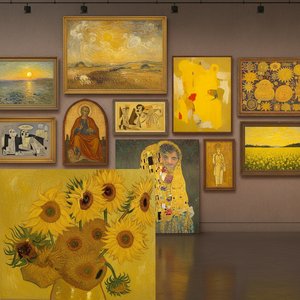
Immerse yourself in golden light! Explore 10 famous paintings dominated by 'Chrome Yellow', from Van Gogh’s Sunflowers to Monet's Haystacks. Discover the stories behind these iconic Impressionist & Post-Impressionist masterpieces and find museum-quality art reproductions at TopImpressionists.com.


최신 미술 뉴스, 특별 혜택 및 인테리어 아이디어를 가장 먼저 만나보세요.
프로젝트에 대해 알려주시면 저희 미술 전문가들이 맞춤형 아트 제안 3가지를 전달해 드립니다.
당신만을 위한 맞춤형 옵션 3가지를 무료로 추천해 드립니다!


 미리보기
미리보기
 공유하기
공유하기 공유하기
공유하기
 상세 정보
상세 정보

 다운로드
다운로드
 유사 작품
유사 작품 X-레이
X-레이 슬라이드 쇼

 더 보기
더 보기






































 유리 옵션은 110cm 미만 크기에서만 선택 가능합니다.


