


작품의 원본 비율을 유지하는 미리 설정된 크기 중에서 선택하세요.

특정 프레임이나 공간에 맞춰 직접 치수를 입력하실 수 있습니다. 선택하신 사이즈가 원본 이미지의 비율과 일치하지 않을 경우, 작품을 크롭(자르기)하거나 이미지를 대칭 또는 단색 채우기로 확장하여 제작합니다. 제작 시작 전, 최종 확인을 위해 디지털 목업이 전송됩니다.
화면상의 미리보기는 실제 크롭이나 확장 상태를 반영하지 않으므로, 최종 구도는 오직 목업을 통해서만 정확하게 확인하실 수 있습니다.
맞춤 사이즈 제작도 가능하지만, 원본 비율을 유지하기 위해서는 사전 정의된 목록에서 치수를 선택하시는 것을 권장합니다.

Self portrait
복제본 크기
Born in Woerden, Netherlands, in 1881, Leo Gestel’s life was inextricably linked to the world of art from a young age. His father, Willem Gestel, was a respected artist and director of an art school, while his uncle, Dimmen Gestel, had even collaborated with Vincent van Gogh – a lineage that undoubtedly shaped Leo's artistic trajectory. Early financial difficulties forced him into advertising work for companies like Philips, a pragmatic necessity that nonetheless provided exposure to visual communication and design, skills he would later integrate into his paintings. Gestel’s journey wasn’t one of immediate recognition; it was a gradual evolution through various movements, reflecting the dynamism of early 20th-century art.
A pivotal moment in Gestel's artistic development occurred during his time in Paris. Immersed in the vibrant avant-garde scene, he encountered artists pushing boundaries with cubism, expressionism, and futurism – movements that profoundly impacted his own style. The influence of Herwarth Walden’s “Erster Deutscher Herbstsalon” in 1913 proved particularly significant, offering him a platform to showcase his evolving work alongside other innovative European artists. This exposure ignited a desire for experimentation and a willingness to break from traditional artistic conventions.
Gestel’s oeuvre is remarkably diverse, encompassing landscapes, evocative self-portraits, and meticulously rendered still lifes. He wasn't confined to a single style; instead, he masterfully blended influences, creating works that are both intensely personal and broadly representative of the era. His self-portraits, in particular, offer intimate glimpses into his psyche – often characterized by a quiet confidence juxtaposed with moments of introspective contemplation. Landscapes frequently feature dramatic lighting and atmospheric effects, while his still lifes—particularly those depicting gladioli—burst with vibrant color and dynamic energy, showcasing an early embrace of Fauvist principles.
A devastating event marked a turning point in Gestel’s career: a studio fire in 1929 resulted in the loss of nearly all his paintings. This catastrophe forced him to relocate to Blaricum, where he continued to paint, albeit with a diminished output and a renewed sense of urgency. Despite this setback, Gestel remained committed to exploring new techniques and pushing the boundaries of his artistic vision. The fire served as a catalyst for introspection and experimentation, leading to works that retain a raw emotional intensity.
Leo Gestel’s contribution to Dutch modernism is undeniable. His work, characterized by its bold colors, expressive brushwork, and exploration of psychological themes, holds a significant place in the country's artistic heritage. His paintings are now housed in prominent museums across the Netherlands, including the Stedelijk Museum Alkmaar, the Drents Museum, and the Kröller-Müller Museum, ensuring that his legacy continues to inspire and captivate audiences. Gestel’s willingness to embrace diverse influences and his unwavering commitment to artistic innovation cemented his position as a pivotal figure in the development of 20th-century art.

1881 - 1941 , Netherlands

Explore the revolutionary Dada art movement! Discover its origins, key artists like Duchamp & Arp, and lasting impact on modern art. A deep dive into anti-art & challenging conventions.

Explore the captivating landscapes & portraits of Brian Hatton (1887-1916), a promising British artist lost too soon. Discover his unique style, Herefordshire roots, and lasting legacy in early 20th-century art.

Explore the powerful social commentary & artistic representation of American Realism. Discover key artists like Bellows & Sloan, and understand the movement's lasting impact on 20th-century art history.
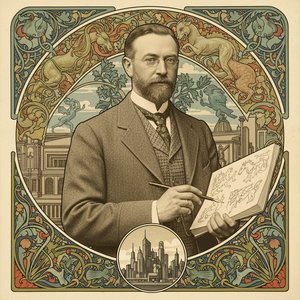
Explore the life & work of Sir Daniel Macnee, a leading Scottish portrait and landscape painter. Discover his artistic evolution, influences, and legacy in 19th-century British art. Learn more at TopImpressionists.

Explore the revolutionary artistic transformations of early 20th-century painting – Fauvism, Cubism & more. Discover key artists and movements shaping modern art history with TopImpressionists.


최신 미술 뉴스, 특별 혜택 및 인테리어 아이디어를 가장 먼저 만나보세요.
프로젝트에 대해 알려주시면 저희 미술 전문가들이 맞춤형 아트 제안 3가지를 전달해 드립니다.
당신만을 위한 맞춤형 옵션 3가지를 무료로 추천해 드립니다!
 작품 구매하기
 공유하기
공유하기 공유하기
공유하기
 상세 정보
상세 정보

 다운로드
다운로드
 유사 작품
유사 작품 X-레이
X-레이 슬라이드 쇼
 더 보기
더 보기






































 유리 옵션은 110cm 미만 크기에서만 선택 가능합니다.


