


 실제 크기로 보기
 보내기
보내기 공유하기
공유하기
 상세 보기
상세 보기 가이드 보기

 이미지 다운로드
 유사 작품 더 보기
 X-레이
X-레이 슬라이드 쇼 보기
 통계 정보
통계 정보Harlech
 Impressionism
 62.0 x 75.0 cm
Discover 'Harlech' by Leonard Appelbee – a stunning oil landscape painting evoking tranquility & vastness. Impressionistic brushwork captures rolling hills & atmospheric light. A beautiful piece for art lovers.
Explore the diverse art of Leonard Appelbee (1914-2000), known for still lifes, landscapes, and portraits. Discover his contributions to British art through paintings reflecting post-war society and rural scenes.
 상세 보기
상세 보기
이 페이지에 표시된 작품은 저작권법의 보호를 받으며, 이에 따라 동일한 복제품을 제작하거나 판매하는 것은 법으로 금지되어 있습니다. 이러한 권리 보호는 다음과 같은 국제 협약에 따라 시행됩니다. 베른 협약 또한 다음에서 명시하는 법률을 포함한 국내법에 의해 보호됩니다. 미국 저작권법 제17조.
이 방식은 저작권 보호를 받는 예술 작품을 복제하거나 그대로 재현하는 것이 아니기에 저작권 규정을 완벽히 준수합니다. 대신, 이는 창의적인 재해석의 과정을 거칩니다. 즉, 원작에서 영감을 받되 원작과 동일하지 않은 새로운 회화 작품을 의미합니다.
지클레 / 아트 프린트
빠른 제작과 다양한 마감 옵션을 선택할 수 있는 박물관 수준의 지클레이 및 캔버스 프린트. ( 수작업 채색 복제본 주문하기 디지털 이미지 판매 채널로 전환)




































표준 규격
맞춤 제작
CM
INCH
작품의 원본 비율을 그대로 유지하는 프리셋 사이즈 중에서 선택해 보세요.
Loading sizes...

가로 너비
높이
액자나 벽면 크기에 맞춰 필요한 가로와 세로 길이를 입력해 주세요. 프린트는 원본 이미지보다 크게 제작할 수 없으며 오직 자르는 것만 가능하므로, 비율이 다른 사이즈를 선택할 경우 이미지의 일부가 잘려 나갈 수 있습니다. 인쇄 작업에 들어가기 전, 최종 확인을 위해 디지털 목업을 보내드립니다. 이 페이지에 표시된 이미지는 실제 잘리는 영역을 나타내지 않으며, 오직 목업을 통해서만 정확한 확인이 가능합니다.


 유리 옵션은 110cm 미만 크기에서만 선택 가능합니다.

Harlech
지클레 / 아트 프린트
복제본 규격
-


총 결제 금액
₩ 93398
관련 작품들


작가 소개
The Quiet Observer: The Life and Legacy of Leonard Appelbee
Born on November 13th, 1914, in the heart of Fulham, London, Leonard Appelbee emerged as a painter whose work would eventually become a profound meditation on the stillness of English life. Though his roots were tied to the industrious spirit of his father, a coppersmith, Appelbee’s soul was drawn toward the delicate interplay of light and form. His early education at Goldsmiths College of Art and later at the Royal College of Art provided him with a rigorous technical foundation, yet it was his deep connection to the landscape that would define his artistic identity. Throughout a career spanning nearly six decades, Appelbee moved between the urban energy of London and the tranquil expanses of the Suffolk countryside, allowing each environment to leave an indelible mark on his palette and perspective.
The evolution of Appelbee’s style is a fascinating journey through the major movements of the twentieth century. In his early years, one can detect the structural echoes of Cubism, particularly in works like "The King Crab" (1938), where the influence of masters such as Picasso and Braque manifests in textured, muted tones and a deliberate fragmentation of form. However, as his gaze turned more frequently toward the natural world, his work transitioned into a deeply personal brand of Impressionism. This shift was not merely a change in technique but a deepening of intent; he began to prioritize the atmospheric weight of a scene, using meticulous brushwork and careful layering of pigments to capture the fleeting luminosity of the English seasons. His landscapes, often depicting the coastal marshes and arable fields of Suffolk, utilize a sophisticated range of greens, browns, and blues to evoke a sense of quiet dignity and post-war resilience.
A Mastery of Stillness and Symbolism
While his landscapes offered a window into the soul of rural England, it was in his still lifes that Appelbee achieved a remarkable ability to distill complex emotions into deceptively simple arrangements. He possessed a rare gift for elevating the mundane—a piece of raw meat, an onion, or a bowl—into objects of profound contemplation. In masterpieces such as "Still Life No.10" (1950), the artist demonstrates an exquisite command over composition and balance, guiding the viewer’s eye through a harmonious arrangement that feels both intimate and timeless. These works often serve as meditations on memory and the beauty of everyday existence, where the play of light on organic textures creates a surface that seems to shimmer with life.
Beyond the domestic sphere, Appelbee’s versatility extended into portraiture and even graphic design, notably his 1939 poster for the Wimbledon Championships. His wartime service in the Army, including roles within the Special Operations Executive, added a layer of gravity to his later observations of peace. The following elements characterize the breadth of his artistic output:
- Portraiture: Notable commissions for prestigious institutions such as Eton College and Corpus Christi College, Cambridge, showcasing his ability to capture character and presence.
- Landscape Art: Serene depictions of the British countryside, such as "The Watering Place" (1949), which evoke a sense of tranquility and connection to nature.
- Printmaking: A dedicated exploration of line and texture that complemented his oil paintings.
Historical Significance and Enduring Resonance
Though Appelbee remained largely unrecognized by the mainstream art establishment during much of his lifetime, his contributions to British art are increasingly recognized for their sincerity and technical brilliance. His participation in the Festival of Britain celebrations in 1951, through works like "One-man Band", placed him at the center of a significant cultural moment in post-war reconstruction. His accolades, including winning the Silver Medal at the Paris Salon in 1970, speak to an international standard of excellence that transcended local boundaries.
Today, Appelbee’s work resonates with a contemporary audience seeking solace in the "quiet" moments of history. He remains a vital figure for collectors and historians alike, representing a bridge between the structured experimentation of early modernism and the emotive, observational traditions of British landscape painting. His legacy lives on in the way his canvases continue to capture the ephemeral beauty of a world caught between the shadows of war and the enduring light of the natural world.

Leonard Appelbee
1914 - 2000
작가 정보 요약
- Artistic Movement Or Style: Cubism & Impressionism
- Artists Or Movements Influenced By This Artist: ['Cubism']
- Artists Who Influenced This Artist: ['Georges Braque']
- Date Of Birth: 1914
- Date Of Death: 2000
- Full Name: Leonard Appelbee
- Nationality: British
- Notable Artworks:
- Still Life No.10
- The King Crab
- Torridge above Sheepwash Bridge
- Place Of Birth: Suffolk, England
관련 기사
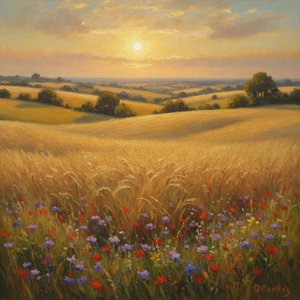
Golden Fields & Sun-Drenched Meadows: Capturing the Soul of Impressionist Landscapes
Immerse yourself in the luminous world of Impressionist landscapes. Discover how masters like Monet and Gauguin captured ephemeral light through plein air painting, and learn to bring the soul of sun-drenched meadows into your home with exquisite, hand-painted oil reproductions.

The Beauty of Impermanence: Capturing Decay through Impressionist Eyes
Explore the profound beauty of impermanence through Impressionist and Post-Impressionist eyes. Discover how masters like Monet and Van Gogh captured fleeting light and the poetic essence of nature's transitions in our deep dive into art history and emotional landscapes.

Beyond the Light: Capturing Raw Emotion and Subjective Vision in Post-Impressionist Landscapes
Explore the profound emotional depth of Post-Impressionist landscapes. Discover how masters like Van Gogh moved beyond light to capture raw human feeling through vibrant color and expressive texture in this expert art history retrospective.

The Timeless Charm of Oil on Board: Reimagining Texture and Light through the Impressionist Lens
Discover the profound intimacy of oil on panel. Explore how Impressionist masters used rigid supports to capture light, texture, and impasto depth through exquisite, handmade oil reproductions for discerning collectors.

Capturing the Soul: The Most Emotionally Moving Impressionist and Post-Impressionist Masterpieces
Discover the profound emotional depth of Impressionist and Post-Impressionist masterpieces. Explore how legends like Monet, Van Gogh, and Gauguin captured light and soul through evocative landscapes and vibrant brushwork for a timeless connection to art history.