


 실제 크기로 보기
 보내기
보내기 공유하기
공유하기
 상세 보기
상세 보기 가이드 보기

 이미지 다운로드
 유사 작품 더 보기
 X-레이
X-레이 슬라이드 쇼 보기
 통계 정보
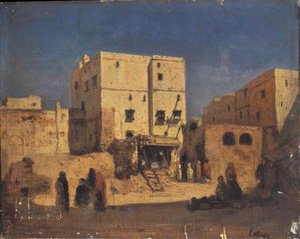
통계 정보Mosquée à Constantinople
Discover Louis Lottier's captivating landscapes & cityscapes from Algeria to Greece! Explore his paintings of Cairo, Cherbourg & the Pyramids. #art #louislottier
 상세 보기
상세 보기
핸드메이드 유화 복제화
작가가 직접 캔버스에 손으로 그린 유화 작품으로, 원하는 크기와 액자로 맞춤 제작해 드립니다. ( 프린트 판매로 전환 디지털 이미지 판매 채널로 전환)




































표준 규격
맞춤 제작
CM
INCH
작품의 원본 비율을 그대로 유지하는 프리셋 사이즈 중에서 선택해 보세요.
Loading sizes...

가로 너비
높이
액자나 벽면 크기에 맞춰 필요한 가로와 세로 길이를 입력해 주세요. 본 작품은 수작업으로 제작되므로, 요청하신 비율에 따라 작가가 그림의 가장자리를 조금 더 넓게 그리거나 일부를 조정하여 작업할 수 있습니다. 작업 시작 전, 최종 확인을 위해 디지털 목업 이미지를 보내드립니다. 이 페이지에 표시된 이미지는 실제 결과물과 다를 수 있으며, 오직 목업 이미지만이 정확한 결과물을 보여줍니다.
변경 가능한 예시: 얼굴을 고객님의 사진으로 교체, 반려동물 추가(예: 고양이를 강아지로 변경), 배경에 숨겨진 메시지 삽입, 배경 풍경 또는 요소 변경 등
주문 완료 후 TopImpressionists.com 팀에서 상세 안내를 위해 고객님께 이메일을 보내드리며, 미리보기 시안을 함께 제공해 드립니다.
주문 완료 후 TopImpressionists.com 팀에서 상세 안내를 위해 고객님께 이메일을 보내드리며, 미리보기 시안을 함께 제공해 드립니다.


 유리 옵션은 110cm 미만 크기에서만 선택 가능합니다.

Mosquée à Constantinople
재현 매체
복제본 규격
-


총 결제 금액
₩ 432562
작가 소개
Louis Lottier: A Painter of the Eastern Dream
Born in 1815 and passing away in 1892, Louis Lottier remains a captivating figure within 19th-century French art. More than just a landscape painter, Lottier possessed an extraordinary ability to transport viewers to distant lands – from the sun-drenched shores of Algeria and Greece to the bustling streets of Cairo and the dramatic coastlines of Turkey. His work isn’t merely representation; it's imbued with a romantic sensibility, a fascination with exotic locales, and a keen eye for capturing fleeting moments of light and atmosphere.
Lottier’s early life offered little indication of his future artistic pursuits. He received a basic education before entering the service of the French army, an experience that profoundly shaped his worldview. It was during this period, particularly in Algeria, that he developed a deep appreciation for the landscapes and cultures of North Africa – a fascination that would dominate much of his later work. The vibrant colors, dramatic light, and intricate details of these regions became central to his artistic vision.
The Influence of Barbizon and Beyond
While often associated with the Barbizon School—a movement emphasizing direct observation of nature and rejecting academic painting conventions—Lottier’s style evolved beyond simple imitation. He absorbed the Barbizon's focus on capturing atmospheric effects, particularly the use of broken color and loose brushwork, but he infused it with a distinctly personal vision. Unlike many Barbizon artists who primarily focused on French landscapes, Lottier sought inspiration in the East, drawing upon his military experiences to create scenes that felt both familiar and utterly foreign.
His travels throughout Greece, Egypt, and Turkey provided him with an unparalleled wealth of subject matter. He meticulously documented these places – from the imposing Pyramids of Giza to the bustling markets of Cairo, the serene harbors of Beirut, and the dramatic coastlines of Turkey—often employing a combination of watercolor and oil paints to achieve his desired effects. His work demonstrates a remarkable sensitivity to light, color, and texture, capturing not just the physical appearance of these locations but also their atmosphere and spirit.
A Palette of Exoticism
Lottier’s palette is arguably one of his most distinctive features. He skillfully employed a range of colors—often vibrant blues, greens, and ochres—to evoke the warmth of the sun-drenched landscapes he depicted. His use of light is particularly noteworthy; he frequently utilized *chiaroscuro* – the dramatic contrast between light and shadow – to create a sense of depth and drama in his paintings. He wasn’t simply painting what he saw, but rather constructing an idealized vision of these exotic locales, filtered through his own artistic sensibility.
His subjects often included scenes of daily life—market vendors, fishermen, travelers, and local dignitaries—adding a layer of social commentary to his work. These figures are typically rendered with a degree of realism, yet they’re always presented within the context of their extraordinary surroundings, creating a sense of both familiarity and otherness.
Key Works and Legacy
Among Lottier's most celebrated works are “Maison Blanche (Alger)” – a captivating depiction of an Algerian villa bathed in sunlight; “Vue de l’ancien Cherbourg” – a serene landscape capturing the beauty of the French port city; and "Crépuscule environs d’Alger" - a stunning oil painting of an Algerian coastal scene. These paintings, along with numerous others, demonstrate his mastery of watercolor and oil techniques, as well as his remarkable ability to capture the essence of distant lands.
Louis Lottier's legacy extends beyond his individual works. He played a crucial role in popularizing the depiction of the East in French art, challenging conventional notions of beauty and inspiring generations of artists to explore new horizons. His paintings continue to captivate viewers with their exoticism, atmospheric effects, and evocative sense of place. He remains an important figure in understanding the development of landscape painting during the 19th century, a testament to his unique vision and artistic talent.
Lottier Louis
1815 - 1892
작가 정보 요약
- Artistic Movement Or Style: Landscape, Marine
- Artists Or Movements Influenced By This Artist:
- Barbizon School
- Impressionism
- Artists Who Influenced This Artist:
- Amedee Masclef
- Henri-Joseph Harpignies
- Date Of Birth: 1815
- Date Of Death: 1892
- Full Name: Louis Lottier
- Nationality: French
- Notable Artworks:
- Maison Blanche (Alger)
- Vue de l'ancien Cherbourg
- Crépuscule environs d’Alger
- Place Of Birth: WahooArt