


 실제 크기로 보기
 보내기
보내기 공유하기
공유하기
 상세 보기
상세 보기 가이드 보기

 이미지 다운로드
 유사 작품 더 보기
 X-레이
X-레이 슬라이드 쇼 보기
 통계 정보
통계 정보Quartet for 2 violins, viola, violoncello (B flat major) op. 130


Discover Beethoven's 1827 sheet music cover for Quartet Op. 130 in B flat major. Elegant 19th-century design with ornate typography and symbolic motifs, perfect for classical music and art collectors.
 상세 보기
상세 보기
고전파에서 낭만파로 넘어가는 전환기의 핵심 작곡가, 루드비히 판 베토벤(1770-1827)의 삶과 음악을 탐험해 보세요. 교향곡 9번, 월광 소나타와 같은 상징적인 교향곡들과 청각 장애를 극복한 그의 영원한 유산을 만나보세요. #Beethoven #ClassicalMu
지클레 / 아트 프린트
빠른 제작과 다양한 마감 옵션을 선택할 수 있는 박물관 수준의 지클레이 및 캔버스 프린트. ( 수작업 채색 복제본 주문하기 디지털 이미지 판매 채널로 전환)




P118B ₩10

P118H ₩10

P118W ₩10

P438Z ₩10

P508JH ₩12

P508YH ₩12

P805H ₩10

P805Z ₩10

P919BZ ₩10

P919G ₩10

P919XJ ₩10

P959ZH ₩10

P968JZ ₩12

W106C ₩8

W218G ₩10

W218JH ₩8

W218Y ₩10

W307PJ ₩10

W316G ₩10

W316PJ ₩8

W316Y ₩10

W398PJ ₩8

W4111J ₩10

W500HY ₩15

W500JH ₩15

W692G ₩12

W849H ₩8

W940BG ₩15

W953PJ ₩8




표준 규격
맞춤 제작
CM
INCH
작품의 원본 비율을 그대로 유지하는 프리셋 사이즈 중에서 선택해 보세요.
Loading sizes...

가로 너비
높이
액자나 벽면 크기에 맞춰 필요한 가로와 세로 길이를 입력해 주세요. 프린트는 원본 이미지보다 크게 제작할 수 없으며 오직 자르는 것만 가능하므로, 비율이 다른 사이즈를 선택할 경우 이미지의 일부가 잘려 나갈 수 있습니다. 인쇄 작업에 들어가기 전, 최종 확인을 위해 디지털 목업을 보내드립니다. 이 페이지에 표시된 이미지는 실제 잘리는 영역을 나타내지 않으며, 오직 목업을 통해서만 정확한 확인이 가능합니다.


 유리 옵션은 110cm 미만 크기에서만 선택 가능합니다.

Quartet for 2 violins, viola, violoncello (B flat major) op. 130
지클레 / 아트 프린트
복제본 규격
-


총 결제 금액
₩ 93791
Elegant Reflection of Classical Heritage
This exquisite vintage sheet music cover embodies the timeless elegance of early 19th-century musical artistry. Designed for Beethoven’s renowned Quartet in B-flat major, Op. 130, it captures the grandeur and sophistication associated with classical music’s golden age. The intricate line work, ornate typography, and decorative motifs evoke a sense of nobility and artistic prestige, making it a captivating piece for collectors and interior decorators alike. Its refined aesthetic seamlessly complements both traditional and contemporary interiors, adding a touch of cultural refinement and historical depth.Artistic Style and Technique
Crafted with meticulous attention to detail, this sheet music cover exemplifies the Rococo style, characterized by flowing curves, elaborate scrolls, and decorative flourishes. The design likely employs fine engraving or lithography, techniques prevalent in the early 1800s, which lend a crispness and richness to the line work. The monochromatic palette, primarily black ink on aged cream paper, enhances its antique charm and authenticity. This combination of craftsmanship and style results in a visually striking piece that celebrates the artistry of printmaking and design of its era.Historical Context and Symbolism
Created during Beethoven’s lifetime, this cover reflects the cultural and artistic values of the Romantic period, emphasizing nobility, artistic excellence, and emotional depth. The central emblem featuring a crown symbolizes authority and mastery, while the ornate script underscores the importance of the composer and his work. The design’s hierarchical composition guides the viewer’s eye, emphasizing the significance of Beethoven’s music as a noble and elevated art form. As a historical artifact, it offers a glimpse into the presentation and reverence of classical music in the early 19th century.Emotional and Aesthetic Impact
Beyond its visual appeal, this sheet music cover evokes a sense of reverence for the arts and the enduring legacy of Beethoven. Its intricate details and regal motifs inspire admiration and a deep appreciation for classical music’s emotional power. Whether displayed in a music room, study, or gallery wall, it serves as a timeless reminder of artistic brilliance and cultural heritage. For collectors and art lovers, owning a high-quality reproduction of this piece offers a connection to history, music, and the refined elegance of the Romantic era.질의응답
"Quartet for 2 violins, viola, violoncello (B flat major) op. 130"은(는) 루트비히 판 베토벤의 다른 작품들과 어떤 공통점을 지니고 있나요?
"Quartet for 2 violins, viola, violoncello (B flat major) op. 130"은(는) 루트비히 판 베토벤의 Rococo/Late Baroque 시기 작품으로, 이 작가의 주요 주제로는 rococo elegance, classical ideals, romanticism’s emotional depth, beethoven’s late period”, “haydn’s quartet influence”, symbolic authority, prestige” 등이 있습니다.
루트비히 판 베토벤의 "Quartet for 2 violins, viola, violoncello (B flat major) op. 130"은(는) 어떤 미술 사조에 속하나요?
"Quartet for 2 violins, viola, violoncello (B flat major) op. 130"은(는) Rococo/Late Baroque 양식의 작품입니다. 이 사조는 해당 작품이 속한 예술적 전통을 나타냅니다.
루트비히 판 베토벤의 다른 이름이나 별칭에는 무엇이 있나요?
"Quartet for 2 violins, viola, violoncello (B flat major) op. 130"의 작가인 루트비히 판 베토벤의 다른 이름으로는 루트비히 반 베토벤, 베토벤 등이 있습니다.
작가 소개
초기 생애와 음악적 여정의 시작
루드비히 판 베토벤은 독일의 저명한 작곡가이자 피아니스트로, 1770년 독일 본에서 태어났습니다. 어린 시절부터 천부적인 음악적 재능을 드러낸 그는 여러 스승 아래서 음악 공부를 시작했으며, 이후 그의 인생 대부분을 보내게 될 빈으로 이주하게 됩니다.음악적 혁신과 청각 장애의 시련
경력의 상당 기간 동안 청각 장애라는 거대한 시련을 겪었음에도 불구하고, 베토벤은 교향곡 9번과 월광 소나타를 포함하여 클래식 음악 역사상 가장 상징적인 작품들을 끊임없이 작곡해 나갔습니다. 그의 혁신적인 작곡 기법은 성악과 기악을 결합하여 독창적인 사운드를 창조해냈으며, 이는 수 세기에 걸쳐 수많은 음악가에게 깊은 영감을 주었습니다.주요 작품과 예술적 유산
베토벤의 눈부신 업적을 보여주는 주요 작품들은 다음과 같습니다:- 피아노와 첼로를 위한 소나타 (A장조) Op. 69, 1악장 ( TopImpressionists.com에서 감상 가능)
- 베토벤의 미사 솔렘니스(Missa Solemnis) 자필 악보 ( 위키백과에서 확인 가능)
- 리히노프스키 공작 카를 알로이스의 후원을 받은 3개의 작품번호 1 피아노 소나타
음악사에 남긴 영향과 명성
베토벤의 가장 위대한 성취는 이전까지 성악곡보다 열등하다고 여겨졌던 기악 음악을 예술의 최고 경지로 끌어올린 것입니다. 클래식 음악에 미친 그의 영향력은 헤아릴 수 없을 만큼 거대하며, 그의 작품들은 오늘날까지도 레퍼토리 중 가장 자주 연주되는 명작으로 자리 잡고 있습니다. TopImpressionists.com에서 베토벤의 더 많은 작품을 만나보세요: 루드비히 판 베토벤 | 30가지 예술 작품 위키백과에서 베토벤의 삶과 음악에 대해 더 자세히 알아보세요: 루드비히 판 베토벤 - 위키백과
루트비히 판 베토벤
1770 - 1827 , 독일
작가 정보 요약
- Artistic Movement Or Style: 고전파 낭만파
- Artists Or Movements Influenced By This Artist:
- 요하네스 브람스
- 로베르트 슈만
- Artists Who Influenced This Artist:
- 프란츠 요제프 하이든
- 크리스티안 고틀로프 슐체
- Date Of Birth: 1770년 독일 본
- Date Of Death: 1827년 오스트리아 빈
- Full Name: 루드비히 판 베토벤
- Nationality: 독일
- Notable Artworks:
- 월광 소나타
- 교향곡 9번
- Place Of Birth: 독일 본
관련 기사
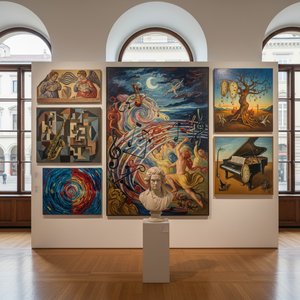
Harmonies on Canvas: Exploring the Visual Representation of Music in Art History
Explore the fascinating history of music's visual representation in art! From ancient symbolism to modern abstraction, discover how artists have captured sound and emotion on canvas. Expert insights & stunning examples.

Echoes of Time: Exploring the Enduring Appeal & Historical Context of Vintage Art Prints
Explore the captivating world of vintage art prints! Discover their history, collecting tips & enduring appeal. Expert insights on chromolithography and building a legacy collection with TopImpressionists.

The Enduring Legacy of Fine Art Prints: Technique, History & Aesthetic Impact
Explore the rich history & techniques of fine art prints. Discover investment potential, assess authenticity, and learn how to preserve your collection with expert guidance. Trusted insights for discerning collectors.

Giclée Prints: Archival Quality & Aesthetic Nuances for the Discerning Collector
Explore the world of giclée prints with TopImpressionists. Learn about archival quality, aesthetic nuances & investment potential. Expert guidance for discerning art collectors seeking museum-quality reproductions and lasting value.

Neo-Classicism's Greatest Hits: 10 Masterpieces for Your Home |
Journey through Neo-Classicism's finest! Explore 10 iconic masterpieces by David, Ingres & Canova. Discover art history, techniques & timeless beauty – perfect for inspiring your home decor. Find museum-quality reproductions at