


 실제 크기로 보기
 보내기
보내기 공유하기
공유하기
 상세 보기
상세 보기 가이드 보기

 이미지 다운로드
 유사 작품 더 보기
 X-레이
X-레이 슬라이드 쇼 보기
 통계 정보
통계 정보Carnival in Arcueil


Lyonel Feininger's "Carnival in Arcueil" (1911) bursts with Expressionist energy! Witness vibrant colors, dynamic figures, and a captivating Parisian carnival scene – a masterpiece by a pioneering artist.
 상세 보기
상세 보기
독일계 미국인 표현주의 화가이자 바우하우스의 거장, 리오넬 파이닝거(1871-1956)를 만나보세요. 입체주의, 스테인드글라스 미학, 건축적 테마가 어우러진 그의 독창적인 예술 세계를 탐험할 수 있습니다.
지클레 / 아트 프린트
빠른 제작과 다양한 마감 옵션을 선택할 수 있는 박물관 수준의 지클레이 및 캔버스 프린트. ( 수작업 채색 복제본 주문하기 디지털 이미지 판매 채널로 전환)




P118B ₩10

P118H ₩10

P118W ₩10

P438Z ₩10

P508JH ₩12

P508YH ₩12

P805H ₩10

P805Z ₩10

P919BZ ₩10

P919G ₩10

P919XJ ₩10

P959ZH ₩10

P968JZ ₩12

W106C ₩8

W218G ₩10

W218JH ₩8

W218Y ₩10

W307PJ ₩10

W316G ₩10

W316PJ ₩8

W316Y ₩10

W398PJ ₩8

W4111J ₩10

W500HY ₩15

W500JH ₩15

W692G ₩12

W849H ₩8

W940BG ₩15

W953PJ ₩8




표준 규격
맞춤 제작
CM
INCH
작품의 원본 비율을 그대로 유지하는 프리셋 사이즈 중에서 선택해 보세요.
Loading sizes...

가로 너비
높이
액자나 벽면 크기에 맞춰 필요한 가로와 세로 길이를 입력해 주세요. 프린트는 원본 이미지보다 크게 제작할 수 없으며 오직 자르는 것만 가능하므로, 비율이 다른 사이즈를 선택할 경우 이미지의 일부가 잘려 나갈 수 있습니다. 인쇄 작업에 들어가기 전, 최종 확인을 위해 디지털 목업을 보내드립니다. 이 페이지에 표시된 이미지는 실제 잘리는 영역을 나타내지 않으며, 오직 목업을 통해서만 정확한 확인이 가능합니다.


 유리 옵션은 110cm 미만 크기에서만 선택 가능합니다.

Carnival in Arcueil
지클레 / 아트 프린트
복제본 규격
-


총 결제 금액
₩ 94834
A Burst of Joy: Lyonel Feininger’s “Carnival in Arcueil”
Lyonel Feininger's "Carnival in Arcueil," painted in 1911, isn’t merely a depiction of a festive street scene; it’s a vibrant distillation of Expressionist energy and a testament to the artist’s unique ability to imbue everyday life with an extraordinary sense of movement and emotion. Housed within the Art Institute of Chicago, this oil on canvas transports us to the heart of a Parisian carnival, capturing not just the visual spectacle but also the palpable excitement and slightly surreal atmosphere that defines the moment. Feininger, a German-American painter deeply rooted in both European artistic traditions and American popular culture, masterfully blends elements of Cubism with the passionate intensity of Expressionism, creating an image that is both familiar and strikingly original.
The painting immediately draws the eye to its central figure: a man in black, balancing precariously on one leg while juggling three balls. This dynamic pose isn’t simply illustrative; it embodies the spirit of the carnival itself – a celebration of skill, daring, and joyful abandon. Surrounding him is a throng of figures, rendered with a remarkable degree of detail despite the overall impression of movement. They are not portraits in the traditional sense, but rather archetypes of carnival revelers—a mix of faces, costumes, and gestures that collectively contribute to the painting’s lively energy. The artist's use of color is particularly noteworthy; bold yellows, reds, blues, and greens dominate the palette, creating a dazzling visual effect that mirrors the vibrancy of the event itself.
The Architectural Backdrop: Bridges and Parisian Identity
Beyond the figures, it’s crucial to consider the setting – two prominent bridges that frame the scene. These aren't merely architectural elements; they are integral to the painting’s narrative. Arcueil, a town just south of Paris, was a frequent subject for Feininger, and these bridges became recurring motifs in his work. They represent not only the physical connection between different parts of the city but also a sense of Parisian identity—a blend of urban dynamism and historical heritage. The bridges’ solid forms provide a grounding element to the swirling chaos of the carnival, anchoring the scene within a recognizable, yet subtly stylized, reality.
Feininger's fascination with architecture is evident throughout his oeuvre, reflecting a broader interest in geometric form and spatial relationships. He often depicted buildings not as static objects but as dynamic forces shaping the urban landscape. In “Carnival in Arcueil,” the bridges serve as both structural supports and visual anchors, guiding the viewer’s eye through the composition and contributing to the painting's overall sense of depth and movement.
Expressionist Techniques: Color, Form, and Emotion
The painting’s distinctive style is firmly rooted in Expressionism—a movement that sought to convey subjective emotions rather than objective reality. Feininger achieves this through a number of key techniques. His use of flattened perspective and fragmented forms creates a sense of disorientation and immediacy, as if the viewer is swept up in the carnival's frenetic energy. The colors are applied with thick impasto—a technique that adds texture and physicality to the surface of the canvas—further enhancing the painting’s emotional impact.
Furthermore, Feininger employs a masterful use of color theory. He utilizes contrasting hues to heighten visual interest and create a sense of dynamism. The vibrant yellows and reds of the carnival scene are juxtaposed with cooler blues and greens in the background, generating a powerful visual tension. This interplay of colors not only captures the sensory experience of the carnival but also reflects the artist’s own emotional response to it—a mixture of excitement, wonder, and perhaps even a touch of melancholy.
A Legacy of Modernity: Feininger's Place in Art History
“Carnival in Arcueil” stands as a pivotal work in Lyonel Feininger’s career and a significant example of early 20th-century art. His exploration of urban life, combined with his innovative use of color and form, foreshadowed many of the developments that would characterize modernism. The painting's influence can be seen in the works of later Expressionist artists such as Max Beckmann and Emil Nolde, while its stylistic elements also resonate with the Cubist explorations of Picasso and Braque.
Today, “Carnival in Arcueil” continues to captivate viewers with its vibrant energy and emotional depth. It’s a reminder of the power of art to capture not just what we see but also what we feel—a celebration of joy, movement, and the enduring spirit of human connection.
질의응답
Living Room에 "Carnival in Arcueil" 작품을 어떤 사이즈로 배치하는 것이 가장 좋을까요?
Living Room 공간에는 리오넬 파이닝거의 "Carnival in Arcueil" 작품을 Medium 크기로 인쇄하시는 것을 추천합니다.
"Carnival in Arcueil"은(는) 리오넬 파이닝거의 평소 작업 스타일을 잘 보여주는 작품인가요?
"Carnival in Arcueil"은(는) carnival, arcueil, feininger, expressionism, bridge, figures, joy, celebration을(를) 묘사하고 있는 반면, 리오넬 파이닝거의 기존 주제들은 german expressionism, vibrant colors, post-impressionist, architectural focus, urban life, festive scenes, feininger's exploration of joy, bridging art and caricature입니다. 이 두 가지를 비교해 보면 해당 작품이 작가의 통상적인 소재와 어떻게 연관되는지 알 수 있습니다.
리오넬 파이닝거의 "Carnival in Arcueil"은 어떤 소재와 분위기를 결합하고 있나요?
리오넬 파이닝거의 "Carnival in Arcueil"은(는) Dramatic한 분위기 속에서 carnival, arcueil, feininger, expressionism, bridge, figures, joy, celebration을(를) 묘사합니다. 작품의 주제와 분위기가 어우러져 하나의 완성된 세계를 보여줍니다.
작가 소개
초기 생애와 경력: 캐리커처 작가에서 순수 미술가로
- 탄생과 가족 배경: 리오넬 찰스 에이드리언 파이닝거(Lyonel Charles Adrian Feininger)는 1871년 7월 17일 뉴욕에서 태어났습니다. 독일계 미국인 바이올리니스트이자 작곡가였던 아버지 카를 파이닝거와 미국인 가수였던 어머니 엘리자베스 파이닝거의 예술적 환경은 그의 초기 예술적 성장에 깊은 영감을 주었습니다.
- 유럽 유학과 여정: 16세였던 1887년, 음악 공부를 위해 유럽으로 떠난 파이닝거는 곧 예술로 관심을 돌렸습니다. 그는 함부르크와 베를린에서 드로잉을 수학하며 예술가로서의 기초를 다졌습니다.
- 상업 미술 경력: 1894년부터 파이닝거는 독일, 프랑스, 미국의 다양한 잡지에 캐리커처를 그리는 작가로 활동하며 성공적인 커리어를 쌓았습니다. 특히 "The Kin-der-Kids"와 "We สee Willie Winkie's World" 같은 그의 만화 시리즈는 독특한 그래픽 스타일을 선보이며 대중적인 인기를 누렸습니다.
- 순수 미술로의 전환: 20년간 상업 미술 분야에서 활동하던 그는 36세가 되던 해, 순수 미술가로 전향하며 예술적 여정의 중대한 전환점을 맞이하게 됩니다.
표현주의와 바우하우스의 영향
- 표현주의 그룹 활동: 파이닝거는 '다리파(Die Brücke)', '11월 그룹(Novembergruppe)', '1919 그룹' 등 영향력 있는 표현주의 단체에 참여하며 이 운동의 선구적인 인물로 자리매김했습니다. 이 시기의 작품들은 감정적 표현과 주관적 경험을 중시하는 표현주의의 핵심 가치를 투영하고 있습니다.
- 첫 개인전: 1917년 베를린 슈투름 갤러리에서 열린 그의 첫 개인전은 예술계에서 그를 주목받는 거장으로 각인시킨 결정적인 순간이었습니다.
- 바우하우스의 마스터: 1919년, 발터 그로피우스는 혁신적인 예술 학교인 바우하우스의 첫 교수로 파이닝거를 임명했습니다. 그는 판화 워크숍을 담당하는 마스터 아티스트로서 수많은 학생에게 지대한 영향을 미쳤습니다.
- 예술적 양식: 그의 작품은 프리즘처럼 분절된 형태, 투명한 색채, 그리고 건축과 바다를 향한 참조를 특징으로 하며, 이는 고전적 모더니즘의 흐름과 궤를 같이합니다.
주요 작품과 예술적 발전
- 초기 해양 회화: 1909년부터 1918년 사이 우제돔 섬에서의 여름 휴가 기간 동안, 파이닝거는 발트해를 묘사한 수많은 해양 회화를 제작하며 끊임ly 진화하는 자신만의 스타일을 보여주었습니다.
- 대표작: "Werder I"(수채화), "Gaberndorf II"(종이), 그리고 "Boats"(입체주의, 캔버스 위 유채)와 같은 작품들은 표현주의적 기법과 건축적 테마가 결합된 그의 독창적인 예술 세계를 잘 보여줍니다.
- 사진 작업: 1928년부터 1950년대 중반에 이르기까지, 파이닝거는 방대한 양의 사진 작품을 남기며 예술가로서의 다재다능한 면모를 입증했습니다.
- 음악적 구성: 그는 또한 여러 개의 피아노 곡과 오르간용 푸가를 작곡하며, 시각 예술뿐만 아니라 청각적 영역에서도 탁월한 예술적 재능을 드러냈습니다.
말년과 예술적 유산
- 미국으로의 이주: 1933년 나치당의 부상으로 인해 파이닝거는 아내와 함께 미국으로 이주하게 되었습니다.
- 지속적인 예술 활동: 그는 평생에 걸쳐 자신만의 독특한 화풍을 유지하며 끊임없이 그림을 그리고 예술 활동을 이어갔습니다.
- 서거와 평가: 리오넬 파이닝거는 1956년 1월 13일 세상을 떠났습니다. 그의 작품은 표현주의, 그래픽적 실험, 그리고 건축적 테마가 어우러진 독보적인 미학을 통해 예술가들과 애호가들에게 깊은 영감을 주며 미술사에 지울 수 없는 흔적을 남겼습니다.
- 역사적 의의: 표현주의와 바우하우스 운동의 핵심 인물로서, 파이닝거의 공헌은 현대 미술의 흐름을 형성하는 데 결정적인 역할을 했습니다. 색채, 형태, 그리고 원근법에 대한 그의 혁신적인 사용은 오늘날까지도 관객들에게 깊은 울림을 주고 있습니다.

리오넬 파이닝거
1871 - 1956 , 미국
작가 정보 요약
- Artistic Movement Or Style: 표현주의, 입체주의
- Artists Or Movements Influenced By This Artist:
- 바우하우스 운동
- 루트비히 히르슈펠트 막
- Date Of Birth: 1871년 7월 17일
- Date Of Death: 1956년 1월 13일
- Full Name: 리오넬 찰스 에이드리언 파이닝거
- Nationality: 독일계 미국인
- Notable Artworks:
- 베르데르 I (수채화)
- 가버도르프 II (종이)
- 보트 (캔버스에 유채)
- Place Of Birth: 미국 뉴욕시
관련 기사
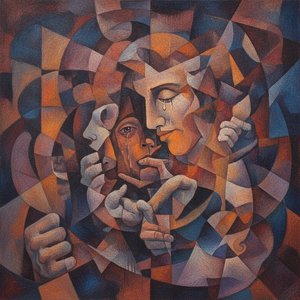
Beyond the Surface: Exploring the Emotional Depth of Cubist Expressionism
Discover the profound emotional resonance within Cubist Expressionism. Explore how fragmented forms and geometric abstraction convey deep human feeling through an expert art-historical lens for the discerning collector.