

 미리보기
미리보기
 공유하기
공유하기 공유하기
공유하기
 상세 정보
상세 정보 가이드 보기

 다운로드
다운로드
 유사 작품 더 보기
 X-레이
X-레이 슬라이드 쇼 보기
 질의응답
질의응답 통계 정보
통계 정보Solitude

- 102.0 x 169.0 cm


Marc Chagall's 'Solitude' (1933) captures Jewish resilience amidst rising anti-Semitism. This poignant painting, rich with symbolism and featuring a contemplative figure, embodies cultural identity and enduring spirit.
 더 보기
더 보기
몽환적인 색채와 유대 민속 문화를 담은 마르크 샤갈! '나와 마을', '비테브스크 위에서' 등 꿈결 같은 회화로 20세기 미술에 큰 영향을 미친 러시아-프랑스 화가입니다. 그의 작품 세계를 만나보세요.
이 페이지에 표시된 작품은 저작권법의 보호를 받으며, 이에 따라 동일한 복제품을 제작하거나 판매하는 것은 법으로 금지되어 있습니다. 이러한 권리 보호는 다음과 같은 국제 협약에 따라 시행됩니다. 베른 협약 또한 다음에서 명시하는 법률을 포함한 국내법에 의해 보호됩니다. 미국 저작권법 제17조.
이 방식은 저작권 보호를 받는 예술 작품을 복제하거나 그대로 재현하는 것이 아니기에 저작권 규정을 완벽히 준수합니다. 대신, 이는 창의적인 재해석의 과정을 거칩니다. 즉, 원작에서 영감을 받되 원작과 동일하지 않은 새로운 회화 작품을 의미합니다.
지클레 / 아트 프린트
빠른 제작과 다양한 마감 옵션을 제공하는 박물관 수준의 지클레이 및 캔버스 프린트. ( 수작업 채색 복제본 주문하기 디지털 이미지로 전환)




P118B ₩10

P118H ₩10

P118W ₩10

P438Z ₩10

P508JH ₩12

P508YH ₩12

P805H ₩10

P805Z ₩10

P919BZ ₩10

P919G ₩10

P919XJ ₩10

P959ZH ₩10

P968JZ ₩12

W106C ₩8

W218G ₩10

W218JH ₩8

W218Y ₩10

W307PJ ₩10

W316G ₩10

W316PJ ₩8

W316Y ₩10

W398PJ ₩8

W4111J ₩10

W500HY ₩15

W500JH ₩15

W692G ₩12

W849H ₩8

W940BG ₩15

W953PJ ₩8




표준 규격
맞춤형
CM
INCH
작품의 원본 비율을 그대로 유지하는 프리셋 사이즈 중에서 선택해 보세요.
Loading sizes...

가로 너비
세로 길이
액자나 벽면 크기에 맞춰 필요한 가로와 세로 길이를 입력해 주세요. 프린트는 원본 이미지보다 크게 제작할 수 없으며 오직 자르는 것만 가능하므로, 비율이 다른 사이즈를 선택할 경우 이미지의 일부가 잘려 나갈 수 있습니다. 인쇄 작업에 들어가기 전, 최종 확인을 위해 디지털 목업을 보내드립니다. 이 페이지에 표시된 이미지는 실제 잘리는 영역을 나타내지 않으며, 오직 목업을 통해서만 정확한 확인이 가능합니다.


 유리 옵션은 110cm 미만 크기에서만 선택 가능합니다.

Solitude
지클레 / 아트 프린트
복제본 크기
-


최종 결제 금액
₩ 93918
The Poignant Echo of Isolation
Marc Chagall’s “Solitude,” painted in 1933, isn't merely a depiction of a man seated on the ground; it’s a profound meditation on Jewish identity, cultural displacement, and the weight of history. Housed within the Tel-Aviv Museum of Art, this work transcends its physical dimensions to become a powerful symbol of resilience in the face of rising anti-Semitism across Europe. The painting immediately draws the eye with its muted palette – a deliberate departure from Chagall’s often vibrant Fauvist style – creating an atmosphere of contemplative stillness that mirrors the man's internal state. The composition is strikingly simple, yet deeply resonant: a solitary figure enveloped in a long robe or cloak, his head bowed in what appears to be profound introspection. This posture speaks volumes about the burden he carries, a weight amplified by the surrounding elements.
- The Central Figure: The man’s slumped form and downward gaze immediately evoke feelings of sadness and isolation. His attire – a traditional Jewish prayer shawl – subtly anchors him within his cultural heritage while simultaneously highlighting his separation from the world around him.
- The Goat: A calm, resting goat positioned before the figure is a particularly intriguing element. It’s not simply an animal; it represents a connection to the land and tradition, a grounding force amidst the man's internal turmoil. The juxtaposition of the human figure and the animal creates a visual dialogue about the relationship between humanity and nature, faith and instinct.
- The Violin: A violin resting nearby hints at a past filled with music and joy – a memory now overshadowed by present sorrow. It’s a poignant reminder of what has been lost, adding another layer to the painting's emotional complexity.
Symbolism Woven into the Canvas
“Solitude” is rich in symbolic detail, each element carefully chosen to convey a deeper meaning within the context of 1930s Europe. The Torah scroll, prominently displayed, represents Jewish law and tradition – a source of both strength and potential conflict during this turbulent period. God’s messenger, depicted subtly in the background, suggests divine guidance amidst uncertainty. The historical rabbi or elder figure embodies the continuity of Jewish faith and wisdom, offering a sense of stability against the encroaching darkness. The setting itself—a blurred landscape with buildings receding into the distance—represents a world increasingly distant from the man’s personal experience.
Notably, Chagall satirically uses animalistic cultural objects to highlight the absurdity of those who believed Jews could not produce remarkable art – a pointed commentary on prejudice and misunderstanding.A Reflection of Troubled Times
Painted in 1933, “Solitude” is inextricably linked to the rising tide of anti-Semitism sweeping across Europe. The political climate was fraught with danger, as the Nazi party’s ideology gained traction, fueled by hatred and a desire for exclusion. Chagall, himself a Jewish artist living in a time of increasing persecution, channeled his anxieties and observations into this powerful work. His experiences witnessing discrimination firsthand – including the assault on a friend in Warsaw – undoubtedly informed the painting's somber tone. The backdrop of dark clouds suggests an impending storm, mirroring the turbulent times facing the Jewish community.
Legacy and Enduring Resonance
Despite facing criticism from conservative authorities who sought to control artistic expression, Chagall’s work continued to resonate with audiences. “Solitude” stands as a testament to the enduring spirit of Jewish culture—a poignant reminder of its resilience in the face of adversity. It's not simply a portrait of loneliness; it’s an exploration of identity, faith, and the human condition. Reproductions of this masterpiece offer a unique opportunity to engage with this emotionally charged artwork and contemplate its timeless themes. The painting invites viewers to consider their own experiences of isolation, reflection, and the importance of preserving cultural heritage in times of uncertainty.
질의응답
"Solitude"은(는) 무엇을 묘사하고 있으며, 어떤 분위기를 풍기나요?
마르크 샤갈의 "Solitude"은(는) Calm한 분위기 속에서 jewish culture, anti-semitism, solitude, biblical symbolism, rabbi, goat, violin, contemplation을(를) 묘사합니다. 작품의 주제와 분위기가 어우러져 하나의 완성된 세계를 보여줍니다.
마르크 샤갈의 "Solitude"의 재료와 제작 연도는 어떻게 되나요?
"Solitude"은(는) 1933년에 Acrylic On Canvas 기법으로 제작되었습니다.
"Solitude"의 Fauvism에는 어떤 국가적 배경이 담겨 있나요?
Fauvism 양식의 작품 "Solitude"은 벨라루스 출신의 작가에 의해 탄생했습니다.
작가 정보
꿈과 색채의 시인, 마르크 샤갈
마르크 샤갈은 1887년 벨라루스 리오즈나 마을에서 모이셰 샤갈이라는 이름으로 태어났습니다. 그의 삶은 20세기 격동의 시간을 반영하며, 동시에 깊은 개인적 비전을 통해 유대교 민속과 상상력에 대한 변함없는 믿음을 담아냈습니다. 고향인 비테브스크는 단순한 출생지가 아닌, 그의 예술 세계의 핵심이 되었습니다. 하늘을 나는 인물들, 기발한 동물들, 그리고 기억 속 풍경의 생생한 색채로 채워진 반복적인 모티프가 그 증거입니다. 러시아 정교회 교회와 번화한 유대인 시장이 공존하는 도시의 독특한 문화적 혼합은 그의 예술을 쉽게 분류할 수 없게 만드는 미학적 감수성을 만들어냈습니다. 그는 지역 사인 페인터 밑에서, 그리고 이후 상트페테르부르크에서 르옹 바크스트에게 정식 교육을 받았지만, 어떤 특정 예술 운동에도 완전히 동화되지 않았습니다. 입체주의, 상징주의, 야수파의 요소를 흡수했지만, 항상 자신의 강렬한 개인적 시각을 통해 걸러내어 독특하고 분명한 샤갈 스타일을 창조했습니다.초창기의 흔들림과 예술적 언어의 형성
샤갈의 초기 작품들은 이미 그가 개발할 뚜렷한 언어를 암시했습니다. 나 그리고 마을(1911)은 단순한 장소 묘사가 아닌, 정체성, 기억, 개인과 공동체의 관계를 탐구하는 작품입니다. 마을은 현실적으로 묘사되지 않고, 상징적인 의미로 가득 찬 회상들의 파편화된 모음으로 표현됩니다. 이러한 개인적 경험을 보편적인 주제로 변환시키는 능력은 그의 예술의 특징이 되었습니다. 그의 팔레트는 대담하고 표현력이 풍부했으며, 종종 문자 그대로의 묘사보다는 감정을 전달하기 위해 생생하고 비자연스러운 색상을 사용했습니다. 인물들은 중력을 거스르며 캔버스 위를 떠다니고 춤추며, 보는 이들을 그의 내면 세계로 초대하는 듯한 꿈결 같은 분위기를 자아냅니다. 이러한 스타일적 접근은 우연이 아니었습니다. 그것은 현실의 단순한 모방을 넘어 감정의 본질, 기억의 무게, 민속의 힘을 포착하고자 하는 열망에서 비롯된 것이었습니다. 러시아 혁명은 샤갈을 비테브스크로 다시 불러들였고, 그는 문화적 활동에 참여하여 잠시 번성했던 미술 학교를 설립했습니다. 이 시기는 창조적인 에너지와 정치적 실망이 공존하는 시기였으며, 이는 그의 예술적 여정을 계속 형성하는 긴장감을 만들어냈습니다.세계를 횡단하며 꽃피운 예술혼: 파리, 뉴욕 그리고 그 너머
결국 샤갈은 러시아를 떠나 프랑스에 정착하여 국제적인 명성을 얻고 다작 활동을 펼쳤습니다. 비테브스크 위로(1920-1922)는 그의 어린 시절의 기억과의 지속적인 교감을 보여주며, 성경 이야기를 주제로 한 작품들은 종교적 테마에 대한 관심이 커지고 있음을 드러냅니다. 제2차 세계 대전 발발로 인해 그는 나치 점령 하의 프랑스를 떠나 미국으로 피신했고, 7년 동안 뉴욕에서 생활했습니다. 이 시기는 깊은 감정적인 동요와 예술적 실험으로 가득 차 있었습니다. 그는 자신의 예술 속에서 위안을 찾았으며, 그 시대의 불안과 불확실성을 반영하는 강력한 작품들을 창조했습니다. 백색 십자가(1938)는 고통과 박해를 묘사한 작품으로, 이 시기의 그의 예술에 대한 증거입니다. 전쟁 이후 샤갈은 프랑스로 돌아와 1985년 97세의 나이로 세상을 떠날 때까지 그림을 그리고 창작 활동을 이어갔습니다.영원히 빛나는 유산
말년에 마르크 샤갈은 파리 오페라 극장의 천장(1964)과 예루살렘의 하다사 히브리 대학교 의료 센터 회당의 스테인드글라스 창문 등 수많은 명망 있는 의뢰를 받았습니다. 이러한 대규모 프로젝트는 그의 예술적 비전을 건축 공간으로 전환시켜 경외심과 놀라움을 불러일으키는 몰입형 환경을 만들었습니다. 샤갈의 영향력은 후대 예술가들에게도 부정할 수 없습니다. 그의 서정적인 품질, 감정적인 깊이, 상상력이 풍부한 힘은 초현실주의자들을 포함하여 환상과 상징주의를 포용하는 다양한 운동에 영향을 미쳤습니다. 그는 유럽 현대주의와 유대 문화적 정체성 사이의 간극을 메우며 “20세기 최고의 유대인 예술가”로 알려지게 되었습니다. 그의 작품은 개인적인 경험, 민속, 보편적인 주제를 융합하는 능력을 통해 전 세계 관객들에게 계속해서 공감을 불러일으키고 있습니다. 그의 작품은 경계를 초월하고, 우리 모두의 인간성을 연결하며, 삶의 아름다움과 신비에 빛을 비추는 예술이 얼마나 강력한지를 상기시켜 줍니다.영원히 남겨진 흔적
마르크 샤갈의 유산은 그림과 스테인드글라스 너머로 확장됩니다. 그것은 꿈과 빛나는 희망으로 그려진 세상 속에서 자신을 잃어버리도록 초대하는 그의 비전, 즉 영원한 힘을 지닌 비전에 있습니다. 그는 깊고 보편적인 공감을 불러일으키는 예술 작품들을 남겨두었습니다. 니스의 마르크 샤갈 미술관은 그의 지속적인 영향력을 증명하며, 방문객들에게 이 특별한 예술가의 마음과 영혼을 엿볼 수 있는 기회를 제공합니다. 그의 예술은 계속해서 영감을 주고, 도전하고, 우리를 감동시키며, 그의 생생하고 상상력이 풍부한 정신이 대대로 이어질 것임을 보장합니다.
마르크 샤갈
1887 - 1985 , 벨라루스
작가 정보 요약
- 국적: 러시아/프랑스
- 영향을 받은 예술가:
- 파블로 피카소
- 장 미로
- 영향을 준 예술가:
- 레온 바크스트
- 로베르트 델라unay
- 예술 사조: 모더니즘, 입체주의
- 전체 이름: 마르크 샤갈
- 주요 작품:
- 나와 마을
- 백색십자가
- 이스라엘의 축제
- 출생일: 1887년 7월 6일
관련 콘텐츠
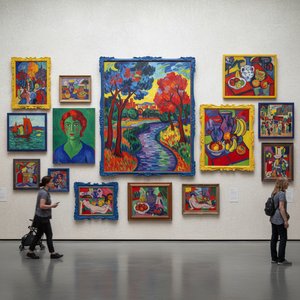
fauve 미술을 정의한 10대 걸작: 강렬한 색채와 혁신적인 표현의 세계
fauve 미술의 심장을 뛰게 하는 10대 걸작! 모리스 드니, 마티스 등 거장의 강렬한 색채와 혁신적인 표현을 만나보세요. 예술 작품 감상부터 인테리어 디자인 영감까지, TopImpressionists.com에서 명품 아트 프린트를 찾아보세요.

Fauvism's Boldest Visions: 10 Masterpieces That Revolutionized Modern Art | TopImpressionists
Explore 10 Fauvist masterpieces by Matisse, Derain & Vlaminck that ignited Modern Art! Discover bold colors, expressionist landscapes & the history of this revolutionary movement. Find museum-quality prints at TopImpressionists.com.

The Raw Emotion of Color: Exploring Fauvism's Revolutionary Expression
Explore the revolutionary world of Fauvism! Discover the bold colors & expressive power of Matisse, Derain & Vlaminck. Learn about this pivotal art movement's history and lasting impact on modern painting.

The Wild Beast Within: Exploring Fauvism's Revolutionary Use of Color and Form
Explore the revolutionary Fauvism movement & Henri Matisse's bold use of color! Discover key characteristics, iconic artworks, and its lasting impact on modern art history with TopImpressionists.

Echoes of Isolation: Solitude in Western Art from Renaissance to Modernism
Explore the profound representation of solitude in Western art from the Renaissance to Modernism. Discover iconic paintings & artists like Goya, Friedrich, and Rossetti. Handmade oil reproductions available at TopImpressionists.
테마, 스타일, 특징별로 분류된 작품들을 만나보세요.


